

Morrisville and Durham sit just miles apart in North Carolina’s Research Triangle, sharing a metro area but offering distinctly different cost experiences in 2026. Morrisville attracts households drawn to newer suburban infrastructure and widespread access to groceries and daily errands, while Durham pulls in those seeking a college-city atmosphere, rail transit options, and deeper park integration. The decision between them isn’t about which city costs less overall—it’s about understanding where cost pressure concentrates and which household priorities each city serves best.
Both cities benefit from the Triangle’s strong job market and temperate climate, but their cost structures diverge in meaningful ways. Housing entry barriers differ sharply, transportation patterns favor different commute styles, and the texture of daily errands—how far you drive, how often you plan trips—varies based on how amenities are distributed. For families weighing school access against park density, or professionals comparing rail commutes to car dependence, these structural differences shape monthly routines as much as monthly budgets.
This comparison explains how the same income feels different depending on which costs dominate your household, which tradeoffs you’re willing to accept, and how much control you need over predictability versus flexibility. Neither city is universally cheaper—each fits different financial profiles and lifestyle priorities in 2026.
Housing Costs
Housing represents the starkest cost difference between Morrisville and Durham. Morrisville’s median home value sits at $429,600, while Durham’s median home value is $316,600. For renters, Morrisville’s median gross rent reaches $1,687 per month compared to Durham’s $1,296 per month. These aren’t minor variations—they reflect fundamentally different housing markets serving different household needs and income profiles.
Morrisville’s housing stock skews newer, with more recently built subdivisions and townhome communities that appeal to households prioritizing modern construction, energy efficiency, and lower immediate maintenance exposure. The higher entry cost buys predictability: newer HVAC systems, better insulation, and less deferred upkeep. Durham’s older housing stock offers lower entry barriers but introduces more variability in condition, efficiency, and renovation needs. For first-time buyers or renters stretching to enter the market, Durham’s lower threshold matters immediately. For households with stable income prioritizing long-term predictability over upfront savings, Morrisville’s premium reflects reduced friction down the road.
Renters face similar structural tradeoffs. Morrisville’s apartment complexes and rental townhomes tend to include modern amenities—updated appliances, central air, sometimes bundled utilities or trash service—that reduce decision fatigue but lock in higher monthly obligations. Durham’s rental market offers more variety in age, size, and configuration, giving renters more flexibility to trade convenience for lower base rent. Families seeking space without ownership may find Durham’s single-family rental options more accessible, while young professionals prioritizing walkable errands and newer construction may accept Morrisville’s rent premium for reduced car dependence and tighter grocery access.
| Housing Type | Morrisville | Durham |
|---|---|---|
| Median Home Value | $429,600 | $316,600 |
| Median Gross Rent | $1,687/month | $1,296/month |
| Typical Housing Stock | Newer subdivisions, townhomes, modern apartments | Mix of older single-family, historic neighborhoods, varied rentals |
Housing takeaway: Morrisville imposes higher entry costs but delivers newer construction and lower maintenance exposure, fitting households with stable income prioritizing predictability. Durham offers lower barriers to entry and more housing variety, fitting first-time buyers, renters seeking flexibility, and households willing to manage older-home tradeoffs for immediate savings.
Utilities and Energy Costs
Utility cost behavior differs more by housing age and construction than by rate structure. Morrisville’s electricity rate sits at 14.64¢/kWh with natural gas priced at $17.89/MCF, while Durham’s electricity costs 13.47¢/kWh and natural gas runs $20.48/MCF. These rate differences exist, but they matter less than how efficiently homes use energy and how predictably bills arrive each month.
Morrisville’s newer housing stock typically features better insulation, modern HVAC systems, and energy-efficient windows that reduce heating and cooling loads. North Carolina’s climate demands significant air conditioning from May through September, and older Durham homes—especially those built before modern efficiency standards—can see higher summer cooling costs despite slightly lower electricity rates. Conversely, Durham’s natural gas costs run higher, affecting households relying on gas heat during the region’s mild but real winter months. The tradeoff isn’t straightforward: Morrisville households pay more per kilowatt-hour but often use fewer kilowatt-hours, while Durham households face lower electricity rates but higher gas exposure if heating with natural gas.
Apartment dwellers experience different utility exposure than single-family homeowners. Morrisville’s newer apartment complexes often include central air and modern appliances that stabilize usage, and some properties bundle water, sewer, or trash into rent, reducing bill variability. Durham’s rental market includes more older units where tenants pay separately for all utilities, and aging infrastructure can mean higher baseline usage even with careful habits. Families in larger single-family homes face the most volatility in both cities, but Morrisville’s newer construction tends to smooth seasonal swings, while Durham’s older homes amplify them.
Utility takeaway: Morrisville’s higher electricity rates are offset by newer, more efficient housing stock that reduces total usage and smooths seasonal volatility. Durham’s lower electricity rates benefit households in well-maintained or recently updated homes, but older housing stock can erase rate advantages through higher consumption. Households prioritizing predictable bills favor Morrisville’s construction quality; those confident managing efficiency in older homes can leverage Durham’s lower rates.
Groceries and Daily Expenses
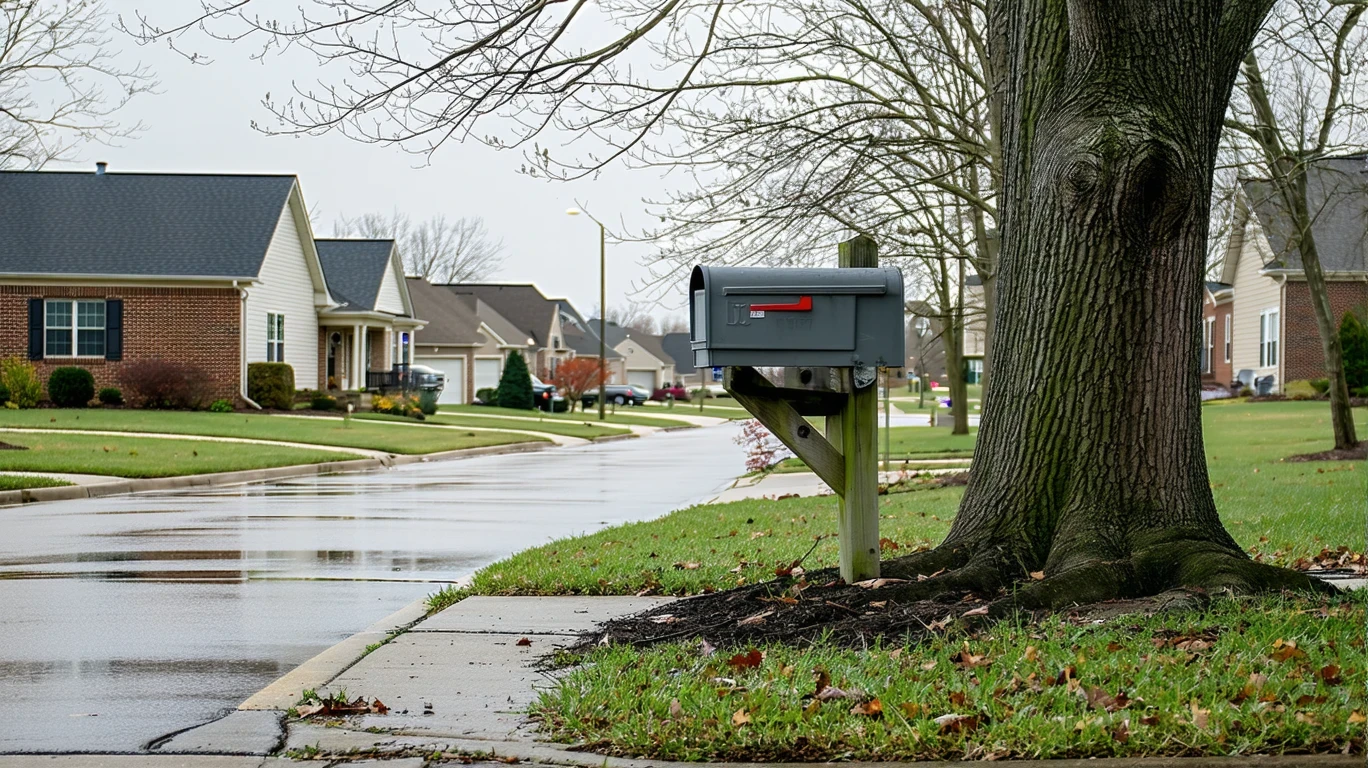
Grocery and daily spending pressure differs more by access density and shopping patterns than by raw prices. Both cities fall within the same regional price environment, but how easily households can comparison-shop, avoid convenience markups, and integrate errands into existing routines shapes real spending behavior. Morrisville’s food and grocery establishment density exceeds high thresholds, meaning multiple options sit within short driving distance across most neighborhoods. Durham’s grocery landscape clusters more along commercial corridors, requiring more intentional trip planning for households living outside those zones.
Morrisville’s distributed grocery access reduces the friction cost of shopping around. Households can hit a discount grocer, a specialty store, and a pharmacy without adding significant drive time, which lowers the temptation to overpay for convenience. Durham’s corridor-clustered model works well for households already commuting along those routes or living near commercial nodes, but it can push others toward closer, pricier options when time is tight. The cost difference isn’t in per-pound pricing—it’s in how often households default to convenience over planning.
Dining out and prepared food access also diverges. Durham’s college-city character supports a denser restaurant scene with more variety in price tiers, from food trucks to chef-driven spots. Morrisville offers suburban dining—chain restaurants, fast-casual options, and some ethnic grocers serving the area’s diverse population—but fewer walkable or spontaneous dining choices. Single adults and couples may find Durham’s dining density appealing and budget-neutral if it replaces grocery trips, while families managing larger volumes tend to benefit more from Morrisville’s big-box grocery access and lower per-trip friction.
Grocery takeaway: Morrisville’s broadly accessible grocery infrastructure reduces friction costs and supports price comparison without adding drive time, fitting households prioritizing efficiency and volume shopping. Durham’s corridor-clustered grocery access works well for commuters and urban-core residents but can push suburban households toward convenience spending. Families benefit most from Morrisville’s density; singles and couples may find Durham’s dining variety offsets grocery planning effort.
Taxes and Fees
Property taxes, local fees, and recurring service costs shape long-term housing affordability as much as purchase price or rent. North Carolina’s property tax structure varies by county, and while both Morrisville and Durham fall within the broader Triangle region, their municipal fee structures and homeowner obligations differ in meaningful ways. Morrisville’s newer subdivisions often include homeowner association fees that bundle landscaping, common-area maintenance, and sometimes trash or recycling services. These fees add predictability but also lock in non-negotiable monthly costs that renters avoid and owners cannot reduce.
Durham’s older neighborhoods typically carry fewer HOA obligations, giving homeowners more control over maintenance spending but also more responsibility for upkeep decisions. Property tax rates in Durham can feel more volatile depending on reassessment cycles and neighborhood appreciation patterns, while Morrisville’s newer tax base and higher home values create different exposure. Households planning to stay long-term face different risks: Morrisville’s HOA fees may rise with inflation and service contracts, while Durham’s property taxes may shift with market dynamics and municipal budget needs.
Renters experience these costs indirectly. Morrisville landlords often pass through HOA fees, trash service, and sometimes water or sewer costs, which can make lease terms more complex but also more transparent. Durham’s rental market includes more properties where tenants pay utilities separately and landlords handle property taxes and insurance without itemization. The tradeoff is clarity versus flexibility: Morrisville renters know what they’re paying for, Durham renters have more room to negotiate or reduce usage-based costs.
Tax and fee takeaway: Morrisville’s HOA fees and bundled services add predictability but reduce flexibility, fitting households prioritizing low-maintenance ownership and stable monthly obligations. Durham’s lower fee burden and older housing stock give owners more control but more responsibility, fitting households confident managing variable costs and long-term maintenance. Renters in Morrisville face more itemized costs; renters in Durham face simpler leases but more utility variability.
Transportation and Commute Reality
Transportation costs and commute friction diverge sharply based on transit access and daily travel patterns. Durham offers rail transit service, giving car-free or car-light households a viable option for reaching Research Triangle Park, Raleigh, or other regional job centers. Morrisville relies on bus service, which exists but requires more planning and longer travel times for most destinations. For households where one or both adults commute daily, this structural difference changes not just transportation costs but time budgets and schedule flexibility.
Gas prices reflect another cost layer. Morrisville’s gas price sits at $3.85/gal, while Durham’s is $2.78/gal—a meaningful gap for households driving frequently. Combined with Morrisville’s more car-dependent errands infrastructure, households in Morrisville tend to drive more miles per week even if commute distance is similar. Durham’s rail access and more walkable commercial corridors reduce per-household driving exposure for those living near transit nodes or within the urban core, though suburban Durham neighborhoods face similar car dependence as Morrisville.
Commute time versus commute cost creates different tradeoffs. Rail commuters in Durham sacrifice some schedule flexibility—trains run on fixed intervals—but gain predictable travel time and eliminate parking costs in downtown Raleigh or RTP. Morrisville commuters driving to the same destinations control their schedules but absorb fuel costs, parking fees, and the cognitive load of traffic variability. For dual-income households juggling childcare pickups or irregular work hours, the flexibility of car commuting may outweigh fuel costs. For single commuters prioritizing reading time or avoiding traffic stress, Durham’s rail option delivers non-financial value that reshapes the cost-benefit calculation.
Transportation takeaway: Durham’s rail transit access and lower gas prices reduce transportation costs for households near transit nodes or willing to structure routines around fixed schedules. Morrisville’s car-dependent infrastructure and higher gas prices increase fuel spending but offer more schedule flexibility and faster errands access. Households prioritizing time control favor Morrisville; those prioritizing cost control and transit viability favor Durham.
Cost Structure Comparison
Housing pressure dominates the cost experience in both cities, but the nature of that pressure differs. Morrisville front-loads cost into higher rent or mortgage payments, then delivers predictability through newer construction, lower maintenance exposure, and reduced utility volatility. Durham spreads cost across lower entry barriers, higher maintenance variability, and more exposure to efficiency differences in older housing stock. Households with stable income and low tolerance for surprise expenses fit Morrisville’s model; households prioritizing lower upfront costs and confident managing variability fit Durham’s.
Utilities introduce more volatility in Durham, especially for households in older single-family homes where insulation, HVAC age, and window quality vary widely. Morrisville’s newer housing stock smooths seasonal swings, but higher electricity rates mean efficiency gains matter less for households in smaller apartments or townhomes where baseline usage stays low regardless of construction quality. The difference matters most for families in larger homes running heating and cooling systems year-round.
Transportation patterns create the starkest lifestyle-cost interaction. Durham’s rail access fundamentally changes commute costs and time budgets for households near stations, while Morrisville’s distributed grocery and errands access reduces the friction cost of car dependence. Households where both adults commute to transit-accessible job centers gain more from Durham’s infrastructure; households managing complex errands schedules—grocery runs, school pickups, weekend activities—gain more from Morrisville’s density.
Daily living costs—groceries, dining, household goods—don’t differ dramatically in price, but access friction does. Morrisville’s broadly accessible grocery infrastructure reduces the temptation to overpay for convenience, while Durham’s corridor-clustered model rewards households already traveling those routes but penalizes those living outside them. Single adults and couples may find Durham’s dining variety offsets grocery planning effort; families managing larger volumes benefit more from Morrisville’s big-box access and lower per-trip friction.
The better choice depends on which costs dominate the household. For renters prioritizing lower monthly obligations and willing to manage older-home tradeoffs, Durham’s entry barrier matters more than Morrisville’s predictability. For owners prioritizing long-term stability and low maintenance exposure, Morrisville’s premium buys peace of mind. For commuters, the decision hinges on whether rail access or schedule flexibility matters more. For families, it’s whether grocery density or park integration shapes daily routines. Neither city is cheaper overall—each fits different financial profiles and lifestyle priorities in 2026.
How the Same Income Feels in Morrisville vs Durham
Single Adult
Housing becomes the first non-negotiable, and Morrisville’s rent premium absorbs a larger share of take-home pay before any other costs enter the picture. Flexibility exists in dining out versus cooking, but Morrisville’s car-dependent errands add fuel costs that Durham’s rail-accessible core avoids for transit commuters. Durham’s lower rent leaves more room for discretionary spending or savings, but older apartments may push utility costs higher during summer cooling season. The tradeoff centers on whether predictable rent and modern amenities outweigh the freedom to redirect savings toward travel, hobbies, or retirement contributions.
Dual-Income Couple
Transportation costs become non-negotiable when both adults commute, and Durham’s rail option can eliminate one car payment, insurance premium, and fuel expense if both work near transit lines. Morrisville’s higher housing costs feel more manageable with two incomes, but the need for two reliable vehicles adds a fixed cost layer that Durham couples near transit avoid. Flexibility appears in grocery strategy—Morrisville’s density supports bulk buying and meal planning, while Durham’s dining variety tempts more frequent restaurant spending that can erase grocery savings. The role of commute friction versus housing predictability determines which city feels tighter month to month.
Family with Kids
Housing form becomes non-negotiable first—families need space, and Durham’s lower entry barrier makes single-family homes more accessible even if they’re older and less efficient. Morrisville’s newer housing stock reduces maintenance surprises and utility volatility, but the higher mortgage or rent payment limits flexibility elsewhere. Childcare, school proximity, and park access shape time costs as much as cash costs, and Durham’s stronger family infrastructure and integrated park density reduce the need to drive kids to activities. Morrisville’s grocery accessibility saves time on weekly errands, but Durham’s lower housing and transportation costs free up budget for unexpected expenses—medical bills, car repairs, school fees—that families cannot defer.
Decision Matrix: Which City Fits Which Household?
| Decision factor | If you’re sensitive to this… | Morrisville tends to fit when… | Durham tends to fit when… |
|---|---|---|---|
| Housing entry + space needs | You need lower upfront costs or more space per dollar | You prioritize newer construction and predictable maintenance over lower entry costs | You prioritize lower purchase price or rent and accept older-home variability |
| Transportation dependence + commute friction | You want to minimize fuel costs or avoid car ownership | You value schedule flexibility and faster errands access over transit availability | You can structure routines around rail schedules and live near transit nodes |
| Utility variability + home size exposure | You want stable, predictable monthly utility bills | You live in a larger home and benefit from newer insulation and HVAC efficiency | You live in a smaller, well-maintained home and can leverage lower electricity rates |
| Grocery strategy + convenience spending creep | You want to avoid overpaying for convenience or last-minute trips | You manage large grocery volumes and benefit from distributed big-box access | You value dining variety and live near commercial corridors that support comparison shopping |
| Fees + friction costs (HOA, services, upkeep) | You want control over maintenance spending and timing | You prefer bundled services and predictable monthly obligations over decision flexibility | You’re confident managing variable maintenance costs and prefer fewer fixed fees |
| Time budget (schedule flexibility, errands, logistics) | You need to control your own schedule and minimize trip planning | You prioritize fast errands access and car-based flexibility over transit schedules | You can align routines with transit schedules and value park density for family activities |
Lifestyle Fit
Morrisville and Durham offer distinctly different daily rhythms shaped by infrastructure, amenities, and community character. Morrisville’s suburban layout favors households comfortable with car-based routines, where errands, dining, and recreation require driving but remain efficient due to distributed access. Durham’s college-city atmosphere supports more spontaneous, walkable experiences in commercial corridors and near downtown, though suburban Durham neighborhoods feel similar to Morrisville in car dependence. The lifestyle difference isn’t urban versus suburban—it’s planned efficiency versus opportunistic variety.
Outdoor access and recreation diverge meaningfully. Durham’s park density exceeds high thresholds, with greenways, nature preserves, and water features integrated throughout the city, making it easier for families to reach playgrounds, trails, or picnic areas without dedicated weekend trips. Morrisville’s park density sits in the moderate range, requiring more intentional planning for outdoor time but still offering accessible options. Families prioritizing daily outdoor play and walkable green space fit Durham’s infrastructure better, while those comfortable driving to parks or preferring planned weekend outings find Morrisville’s layout sufficient.
Cultural and social amenities reflect each city’s character. Durham’s identity as a college city brings live music venues, independent coffee shops, breweries, and a more visible arts scene that appeals to young professionals and creatives. Morrisville’s newer development supports chain restaurants, shopping centers, and family-oriented services—reliable and convenient but less distinctive. Households seeking variety and cultural texture favor Durham; those prioritizing predictability and family-friendly infrastructure favor Morrisville. Commute times remain manageable in both cities for Research Triangle Park or Raleigh jobs, but Durham’s rail access changes the experience for transit-oriented households, turning commute time into reading or work time rather than driving stress.
Morrisville median household income: $114,075 per year
Durham median household income: $74,710 per year
Frequently Asked Questions
Is Morrisville or Durham cheaper for renters in 2026?
Durham offers lower median rent at $1,296 per month compared to Morrisville’s $1,687 per month, making it more accessible for renters prioritizing lower monthly obligations. Morrisville’s higher rent typically buys newer construction, modern amenities, and sometimes bundled services, which reduce maintenance surprises and utility volatility. Renters willing to manage older apartments and separate utility bills benefit from Durham’s lower entry cost, while those prioritizing predictability and low-maintenance living fit Morrisville’s model better.
How do transportation costs differ between Morrisville and Durham in 2026?
Durham’s rail transit access and lower gas price ($2.78/gal versus Morrisville’s $3.85/gal) reduce transportation costs for households near transit nodes or willing to structure routines around train schedules. Morrisville’s car-dependent infrastructure increases fuel spending but offers more schedule flexibility and faster errands access due to distributed grocery and service density. Households where both adults commute to transit-accessible jobs gain more from Durham’s rail option, while those managing complex errands schedules or irregular work hours benefit from Morrisville’s car-based efficiency.
Which city has lower utility costs, Morrisville or Durham, in 2026?
Durham’s electricity rate (13.47¢/kWh) sits lower than Morrisville’s (14.64¢/kWh), but Morrisville’s newer housing stock often uses less total energy due to better insulation and modern HVAC systems. Durham’s natural gas costs run higher ($20.48/MCF versus Morrisville’s $17.89/MCF), affecting households relying on gas heat. The city with lower utility costs depends more on housing age and efficiency than rate structure—Morrisville’s newer construction smooths seasonal volatility, while Durham’s lower electricity rates benefit households in well-maintained or recently updated homes.
Do grocery costs differ between Morrisville and Durham in 2026?
Grocery prices remain similar across both cities within the same regional market, but access friction differs meaningfully. Morrisville’s broadly accessible grocery infrastructure—with food and grocery density exceeding high thresholds—reduces the need to overpay for convenience or make extra trips. Durham’s corridor-clustered grocery model works well for households already commuting along commercial routes but can push suburban residents toward closer, pricier options when time is tight. Families managing large grocery volumes benefit most from Morrisville’s density, while singles and couples may find Durham’s dining variety offsets grocery planning effort.
Is Morrisville or Durham better for families in 2026?
Durham offers stronger family infrastructure with both schools and playgrounds meeting density thresholds, plus integrated park access that makes daily outdoor play easier without driving. Morrisville provides newer housing stock with lower maintenance exposure and broadly accessible grocery options that simplify weekly errands, though school density sits lower and park access requires more planning. Families prioritizing outdoor access, walkable green space, and established school networks fit Durham better, while those prioritizing modern housing, predictable costs, and efficient errands logistics fit Morrisville’s suburban model.
Conclusion
Morrisville and Durham don’t compete on total cost—they serve different household priorities through different cost structures. Morrisville front-loads expense into higher housing costs but delivers predictability through newer construction, distributed grocery access, and lower maintenance exposure. Durham spreads cost differently, offering lower entry barriers, rail transit access, and deeper park integration at the expense of more variability in housing condition and utility efficiency. The decision hinges on which costs dominate your household and which tradeoffs you’re prepared to accept in 2026.
Households with stable income prioritizing low-maintenance living, efficient errands access, and predictable monthly bills fit Morrisville’s model. Those seeking lower upfront costs, transit viability, stronger outdoor infrastructure, and more housing variety fit Durham’s. Neither city is universally cheaper—each rewards different financial profiles, commute patterns, and lifestyle priorities. Understanding where cost pressure concentrates and how daily routines interact with infrastructure helps clarify which city fits your household best.
How this article was built: In addition to public economic data, this article incorporates location-based experiential signals derived from anonymized geographic patterns—such as access density, walkability, and land-use mix—to reflect how day-to-day living actually feels in Morrisville, NC.