
Is Moore the kind of place you grow roots—or just pass through? For many, it’s a city that rewards those seeking suburban stability, strong schools, and a tight-knit community identity forged through resilience. For others, it’s a place that feels limiting—where convenience requires a car, nightlife is sparse, and the pace of change stirs both hope and unease. Understanding Moore’s vibe means understanding its tradeoffs: comfort versus variety, affordability versus growth pressure, and quiet versus isolation.
The Emotional Landscape of Moore
Moore carries a dual identity. On one hand, it’s a family-oriented suburb with affordable housing, good schools, and a strong sense of community. On the other, it’s a city shaped by its history with severe weather—particularly tornadoes—which has created a culture of resilience, preparedness, and mutual support. People who thrive here tend to value stability, neighborliness, and the kind of life where you know the people on your street. Those who feel restless often cite limited walkability, a lack of cultural amenities, and the feeling that “everything requires a drive.”
The city’s proximity to Oklahoma City offers access to jobs, entertainment, and dining, but Moore itself is quieter and more residential. For families, this balance works well: you get suburban calm with metro access. For younger professionals or those seeking spontaneity, it can feel like you’re always commuting to where things happen rather than being in the middle of it.
Growth is another emotional thread. New housing developments, updated retail corridors, and infrastructure improvements signal progress to some and disruption to others. Long-time residents sometimes express concern about losing the small-town feel, while newcomers appreciate the expanding options and modern conveniences.
What Moore Residents Talk About Online
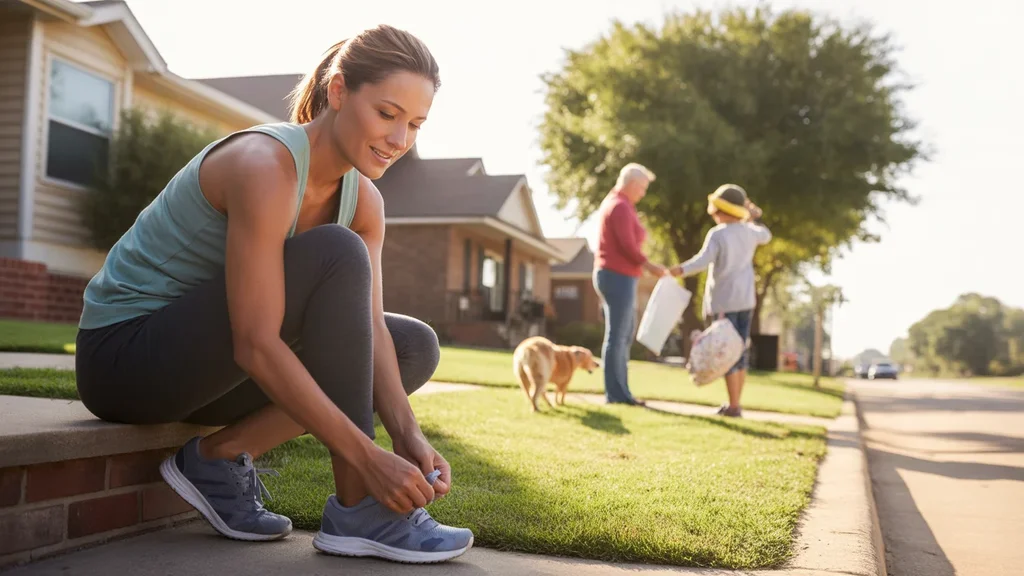
In online spaces—local Facebook groups, Reddit threads, and neighborhood apps—Moore residents tend to focus on a few recurring themes: weather preparedness, school quality, traffic along major corridors, and the balance between growth and character. The tone is often protective and community-minded, with frequent discussions about storm shelters, school events, and local businesses worth supporting.
One common sentiment: “Moore isn’t flashy, but it’s solid. You know your neighbors, the schools care, and people show up when things get hard.” This reflects the city’s identity as a place where community bonds matter, especially in the face of adversity.
Another recurring theme: “I wish we had more walkable areas and local spots that weren’t chains. It feels like you have to drive to OKC for anything interesting.” This tension—between suburban convenience and a desire for more texture—comes up often, particularly among younger residents and those who’ve moved from more urban environments.
A third voice: “The cost of living is still reasonable compared to a lot of places, but rent and insurance keep climbing. It’s not the bargain it used to be.” This reflects a broader unease about affordability erosion, even in a city that remains relatively accessible compared to national benchmarks.
How Local Coverage Frames Moore
Local news and community outlets tend to frame Moore through a few consistent lenses: resilience and recovery, school district achievements, infrastructure and development debates, and severe weather preparedness. The tone is generally civic-minded, with an emphasis on community strength and forward momentum.
Typical headline-style themes include:
- “Community Celebrates School District Milestones”
- “New Retail and Dining Options Open Along Major Corridors”
- “Residents Debate Growth, Traffic, and Neighborhood Character”
- “Storm Preparedness Remains Top Priority for Families”
- “Moore Balances Suburban Comfort with Metro Proximity”
These themes reinforce Moore’s identity as a city that values safety, education, and steady improvement—but also one grappling with the growing pains that come with proximity to a larger metro area.
Review-Based Public Perception
On platforms like Google Reviews, Yelp, and Nextdoor, Moore’s public perception splits along predictable lines. Families and long-time residents tend to praise the sense of community, school quality, and affordability. Younger professionals and newcomers from urban areas often express frustration with limited walkability, lack of nightlife, and a feeling that the city is “still finding its identity.”
Positive reviews frequently mention: “Great place to raise kids. Safe neighborhoods, involved parents, and plenty of parks.” The city’s family infrastructure—schools, playgrounds, and green spaces—consistently earns praise from those whose priorities align with suburban family life.
Mixed reviews often sound like: “It’s convenient to OKC and affordable, but there’s not much to do here. You end up driving a lot.” This reflects the reality that Moore’s structure supports driving errands and commuting, but doesn’t offer the spontaneous walkability or dense amenities some residents crave.
Critical reviews tend to focus on: “Insurance is expensive because of tornado risk, and the weather anxiety is real if you’re not used to it.” For those unfamiliar with severe weather preparedness, the emotional and financial cost of living in Tornado Alley can feel heavier than expected.
Neighborhood variation exists but is often described in broad terms: newer planned developments offer modern homes and amenities, while older pockets provide more established trees and character. Neither is universally preferred—it depends on whether you value newness and convenience or maturity and charm.
Moore Compared to Nearby Cities
| Aspect | Moore | Norman | Edmond |
|---|---|---|---|
| Overall Vibe | Family-focused, resilient, suburban calm | College-town energy, more walkable, cultural variety | Affluent, polished, highly rated schools |
| Walkability | Limited; car-dependent with some walkable pockets | Better near campus; mixed elsewhere | Mostly car-dependent; newer areas very spread out |
| Affordability | Moderate; accessible but rising | Moderate; student housing adds variety | Higher; premium for schools and polish |
| Community Feel | Tight-knit, protective, resilient | Diverse, transient due to university | Established, family-oriented, quieter |
| Nightlife & Dining | Limited; mostly chains | More local spots, college-driven variety | Growing but still suburban; upscale chains |
Moore sits between Norman’s college-town texture and Edmond’s polished affluence. If you want affordability and community without the transience of a university town, Moore fits. If you want more walkability and local character, Norman may feel more aligned. If you’re willing to pay more for top-tier schools and a more manicured environment, Edmond is the trade-up. None is objectively better—it’s about which tradeoffs match your priorities.
What Locals Are Saying
“We moved here from Tulsa for the schools and the price. It’s been great for our kids, but I do miss having more local coffee shops and things within walking distance.” — Young family, newer development
“Moore gets a bad rap because of the tornadoes, but honestly, the community support after storms is incredible. People really show up for each other.” — Long-time resident, older neighborhood
“I work in OKC and the commute is easy, but I wish Moore had more to do on weekends. We end up driving back into the city a lot.” — Remote worker, renting
“It’s affordable compared to where we came from, but insurance and rent increases are starting to bite. It’s not the bargain we thought it would be long-term.” — Newcomer from out of state
“If you want quiet, safety, and good schools, Moore delivers. If you want nightlife or walkable neighborhoods, you’ll be disappointed.” — Parent of school-aged children
“The weather anxiety is real. We’ve invested in a storm shelter and that helps, but it’s something you think about more than we expected.” — Family, first tornado season
“I like that it’s not as expensive as Edmond but still feels safe and family-friendly. The tradeoff is you don’t get the same polish or variety.” — Single professional, considering buying
Living Moore’s Day-to-Day Reality
Moore’s structure shapes how people actually move through their days. Grocery and food options are present but clustered along corridors, meaning errands require intentional car trips rather than spontaneous stops. Some neighborhoods offer better pedestrian infrastructure, but overall, the city rewards those who are comfortable driving everywhere. For families managing school drop-offs, weekend activities, and shopping, this feels efficient. For individuals hoping to walk to a coffee shop or run errands on foot, it feels limiting.
Healthcare access is local for routine needs—clinics and pharmacies are available—but hospital services require a drive. Green space is present, with parks and water features offering outdoor recreation, but you’ll need to plan visits rather than stumble upon them. The city’s mixed building character and predominantly residential zones reinforce its identity as a place built for settled family life, not urban spontaneity.
For those whose routines revolve around home, school, and work, Moore’s layout makes sense. For those who crave variety, walkability, and the ability to “just go out,” the friction is real.
How this article was built: In addition to public economic data, this article incorporates location-based experiential signals derived from anonymized geographic patterns—such as access density, walkability, and land-use mix—to reflect how day-to-day living actually feels in Moore, OK.
Does Moore Feel Like a Good Fit?
Moore works best for people who value suburban stability, strong schools, and a community that shows up when it matters. It’s a place where affordability still exists relative to nearby alternatives, where neighbors know each other, and where family life is the organizing principle. It tends to frustrate those seeking walkability, cultural variety, nightlife, or the kind of spontaneity that comes with denser, more mixed-use environments.
The city’s resilience identity is both a strength and a weight. For some, it’s proof of character and community. For others, it’s a reminder of risk and the emotional cost of living in a place where severe weather is part of the deal. Renting vs Buying in Moore: The Real Tradeoffs explores how housing decisions intersect with these realities, while What a Budget Has to Handle in Moore breaks down the financial texture of daily life here.
If you’re drawn to quiet, safety, and a place where roots grow deep, Moore may feel like home. If you’re energized by variety, density, and walkable spontaneity, you’ll likely feel the limits. Understanding Income Pressure in Moore: Who Feels Stable (and Who Doesn’t) can help clarify whether the city’s tradeoffs align with your priorities—or whether you’ll spend your time wishing you were somewhere else.
The perspectives shown reflect commonly expressed local sentiment and recurring themes in public discussion, rather than individual accounts.