
Deciding whether to rent or buy in Milwaukie means understanding how this small city’s position in the Portland metro shapes both markets. The median home value sits at $443,500, while median rent reaches $1,441 per month—figures that reflect Milwaukie’s role as a close-in suburb with direct rail access to Portland. For households earning the median income of $78,676 per year, these numbers create different pressure points depending on which path you choose. This isn’t a market where housing costs exist in isolation; they’re shaped by transit connectivity, neighborhood walkability, and the ongoing tension between Portland’s urban pull and Milwaukie’s quieter character.
The choice between renting and owning here isn’t just about monthly payments—it’s about which exposures you’re willing to manage and which tradeoffs fit your timeline. Renters face metro-driven demand without building equity. Buyers confront a significant upfront barrier but gain control over long-term cost predictability. And because Milwaukie’s neighborhoods vary widely in their infrastructure—from car-dependent edges to walkable, transit-served pockets—the housing decision also determines your daily logistics, transportation costs, and access to parks, groceries, and services.
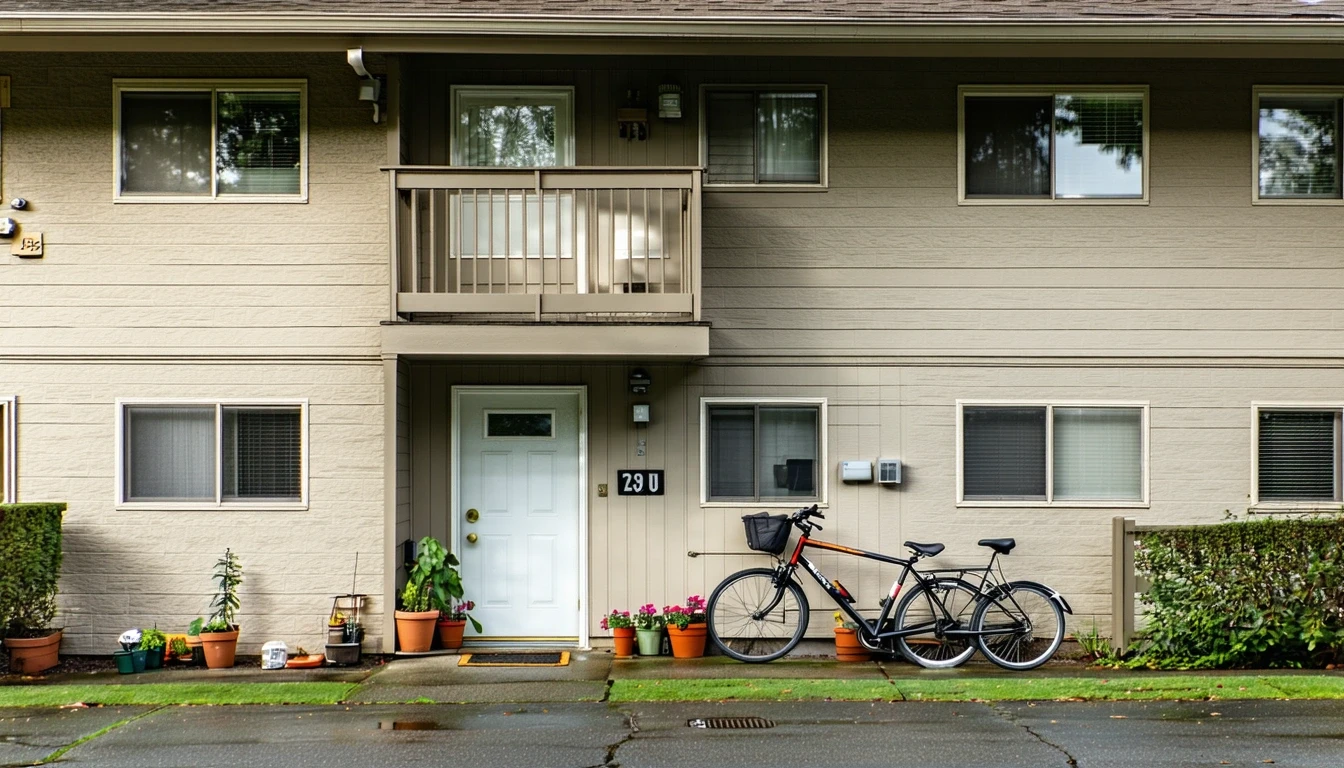
The Housing Market in Milwaukie Today
Milwaukie’s housing market operates in Portland’s gravitational field. The city sits just south of the urban core, connected by the Orange Line MAX, which shapes where people want to live and what they’re willing to pay. Neighborhoods near transit stations command premiums because they offer Portland access without Portland prices—at least, that’s the perception. In practice, Milwaukie’s home values have climbed as the metro region’s housing shortage intensified, and the $443,500 median reflects competition from buyers priced out of closer-in Portland neighborhoods.
What newcomers often misunderstand is that Milwaukie isn’t uniformly suburban. The city contains distinct zones: older, walkable blocks near downtown with mixed-use buildings and tree-lined streets; mid-century single-family neighborhoods with limited sidewalk infrastructure; and newer developments that blend townhomes and small apartment clusters. This variation means housing cost and lifestyle experience aren’t perfectly correlated—you can pay similar amounts for very different daily realities depending on which part of Milwaukie you choose.
The local economy supports this market unevenly. With a median household income of $78,676 and an unemployment rate of 3.9%, Milwaukie’s residents are generally employed, but the income figure doesn’t stretch as far as it might elsewhere. The regional price parity index of 107 signals that goods and services cost more here than the national baseline, and housing represents the largest single contributor to that premium. For renters and buyers alike, this means Milwaukie’s market isn’t insulated from Portland’s pressures—it’s an extension of them, with slightly lower entry costs but similar structural constraints.
Renting in Milwaukie
At $1,441 per month, Milwaukie’s median gross rent sits below Portland’s urban core but above many outer suburbs. This positioning reflects the city’s appeal: you’re close enough to commute easily, far enough to find quieter streets and more green space. But rental availability fluctuates with metro-wide trends, and Milwaukie’s stock skews toward older buildings and smaller complexes rather than large, amenity-heavy developments. That means renters often face tradeoffs between location, unit condition, and cost.
Rental pressure here is driven by proximity and infrastructure. Neighborhoods within walking distance of MAX stations see higher demand, which landlords price accordingly. But even outside those pockets, renters benefit from Milwaukie’s relatively high grocery density and integrated park access—features that reduce the need for frequent car trips and make day-to-day errands more manageable. For households without cars or those trying to minimize transportation costs, these structural advantages matter as much as the rent figure itself.
The rental experience in Milwaukie also depends on housing type. Small apartment complexes and older duplexes dominate the market, with fewer large-scale developments than you’d find in suburban growth centers. This means rental units vary widely in age, layout, and included utilities. Some landlords cover water or garbage; others pass through all costs. Renters need to account for this variation when comparing listings, because the base rent doesn’t always capture the full monthly obligation.
Owning a Home in Milwaukie
Buying a home in Milwaukie at the $443,500 median requires navigating both the upfront barrier and the ongoing exposures that come with ownership. For a household earning $78,676, that purchase price represents a significant income multiple, and securing financing depends on down payment size, debt load, and rate environment—all of which sit outside this analysis but shape who can enter the market.
Once you own, the cost structure shifts from rent’s simplicity to ownership’s complexity. Property taxes, homeowners insurance, and maintenance become your responsibility, and their behavior over time differs from rent’s annual reset. Taxes tend to rise with assessed value, though Oregon’s property tax system includes certain limitations that affect how quickly those increases compound. Insurance costs respond to regional risk factors—fire exposure in dry months, water damage from winter storms—and those premiums adjust as insurers reassess the area.
Maintenance and repair costs in Milwaukie reflect the age and type of housing stock. Many homes date from mid-century construction, which means aging systems, older roofing, and sometimes deferred upkeep from previous owners. Newer builds and recent renovations reduce near-term maintenance risk, but they also command higher purchase prices. Buyers face a choice: pay more upfront for lower near-term repair exposure, or accept a lower entry price with the understanding that systems will need attention.
Homeownership in Milwaukie also means navigating neighborhood governance and infrastructure. Some areas have active neighborhood associations; others operate informally. Homeowners associations exist in certain developments, particularly newer townhome clusters, but they’re not universal. Where they do exist, HOA fees add a recurring cost that functions like rent—you pay it monthly, and it’s not optional—but in exchange, you may get exterior maintenance, landscaping, or shared amenity upkeep.
Apartment vs House in Milwaukie — Cost Behavior Comparison
| Expense Category | Apartment | House |
|---|---|---|
| Heating & Cooling | Lower exposure due to shared walls and smaller square footage; mild climate limits seasonal extremes | Higher exposure due to standalone structure and larger conditioned space; insulation quality varies widely in older stock |
| Water & Sewer | Often included in rent or billed as flat fee; individual usage less visible | Billed directly based on usage; yard irrigation and larger households drive higher costs |
| Exterior Maintenance | Managed by landlord or HOA; tenant has no direct cost or control | Owner’s responsibility; roof, siding, and gutter maintenance required; older homes demand more frequent attention |
| Parking & Storage | Limited or assigned; storage space constrained; may incur separate fees | Typically includes garage or driveway; storage abundant; no additional cost |
| Access to Green Space | Relies on Milwaukie’s integrated public parks; no private yard | Private yard common; size and usability vary; adds maintenance burden |
Why these categories differ in Milwaukie: The city’s mix of older single-family homes and smaller apartment complexes creates distinct cost and maintenance profiles. Milwaukie’s moderate climate—cool, wet winters and warm, dry summers—reduces extreme heating and cooling costs compared to harsher regions, but older housing stock often lacks modern insulation, which increases exposure in standalone homes. The high density of parks and green space means apartment dwellers aren’t sacrificing outdoor access, while house owners gain private yards at the cost of upkeep. Utility billing structures vary by housing type and landlord, making water and sewer costs more predictable for some renters and more variable for homeowners.
Categories omitted: Garbage and recycling services, internet and cable, and renters/homeowners insurance were excluded because their cost behavior doesn’t vary meaningfully by housing type in Milwaukie—they’re either standardized citywide or driven by individual provider choice rather than structural housing differences.
Utilities & Upkeep Differences
Utility exposure in Milwaukie is shaped more by housing age and type than by extreme climate. At 14.94¢ per kWh, electricity rates sit above the national average, and natural gas costs $17.66 per MCF—figures that matter most during the cool, damp winter months when heating dominates. But because Milwaukie doesn’t experience severe cold or intense summer heat, the seasonal swings are moderate. A well-insulated apartment with shared walls will see minor heating costs; an older, standalone house with single-pane windows and minimal insulation will see noticeable exposure, particularly if it relies on electric baseboard heat.
Cooling costs remain modest. Summer temperatures rarely demand constant air conditioning, and many residents rely on fans and open windows during warm stretches. Homes with poor airflow or west-facing exposure may run AC intermittently, but it’s not the dominant cost driver that it would be in hotter regions. This means the utility cost difference between apartments and houses tilts more toward heating season, and the gap widens with housing age and insulation quality.
Upkeep costs in Milwaukie reflect the city’s housing stock and climate. Wet winters mean roofs, gutters, and exterior wood siding require regular attention to prevent water damage and rot. Homes with mature trees—common in older neighborhoods—face additional maintenance from leaf debris, root intrusion, and occasional limb hazards. Apartment renters avoid these costs entirely; house owners must budget for them, and the frequency increases with building age. Newer construction and recent renovations reduce this burden, but they represent a smaller share of Milwaukie’s overall housing inventory.
Rent vs Buy: Long-Term Exposure in Milwaukie
The rent-versus-buy decision in Milwaukie isn’t about which option costs less in month one—it’s about which cost structure you can manage over time and which risks you’re willing to accept. Renters face the possibility that metro-driven demand will push rents upward, particularly in transit-served neighborhoods where competition remains high. Rent increases are typically annual, and while they’re visible and predictable in timing, their magnitude depends on market conditions you don’t control. You gain flexibility and avoid maintenance risk, but you build no equity and remain exposed to landlord decisions.
Buyers lock in a purchase price and, if financing with a fixed-rate mortgage, stabilize a large portion of their monthly obligation. But ownership introduces different exposures: property taxes that adjust over time, insurance premiums that respond to regional risk, and maintenance costs that arrive unpredictably. These aren’t monthly line items you can negotiate—they’re structural responsibilities that come with the deed. In Milwaukie, where housing stock skews older, maintenance exposure is a real consideration, particularly for buyers stretching to afford the $443,500 median.
The long-term calculus also depends on how you use Milwaukie’s infrastructure. Households that rely on the MAX Orange Line and high grocery density can reduce transportation costs, which frees up budget for housing. Buyers who prioritize walkable neighborhoods may pay a premium upfront but spend less on gas, parking, and car maintenance over time. Renters in those same areas gain the same transportation savings without the ownership commitment. The cost structure you face depends not just on rent versus mortgage, but on how your housing choice interacts with daily logistics.
Neither path is universally better. Renting preserves flexibility and limits responsibility, which fits households with uncertain timelines or those prioritizing liquidity. Buying offers control and equity building, which fits households with stable income, long timelines, and the capacity to manage repair costs. In Milwaukie’s market, where home values represent a significant income multiple and rental demand remains steady, the decision hinges on your financial position, timeline, and tolerance for different types of cost volatility.
How Location-Based Patterns Shape Housing Decisions in Milwaukie
Choosing where to live in Milwaukie determines more than your commute—it shapes how you move through daily life and what you spend to do it. The city’s infrastructure varies sharply by neighborhood, and those differences directly affect housing costs and household logistics. Near the downtown core and MAX stations, you’ll find walkable blocks with high pedestrian-to-road ratios, mixed residential and commercial land use, and grocery stores within short distances. These areas support car-light living, which means lower transportation costs but often higher rent or purchase prices due to demand for transit access.
Move farther from the rail line, and the texture changes. Some neighborhoods retain decent sidewalk networks and park access—Milwaukie’s green space is well-integrated citywide—but grocery stores and daily services spread out, and car dependency increases. For renters and buyers weighing affordability, this tradeoff is real: you may find lower housing costs in less-connected areas, but you’ll likely spend more on transportation and time. Families with school-age children face an additional layer of complexity, as school and playground density varies, and proximity to quality schools often commands a premium.
The presence of rail transit and notable cycling infrastructure also affects how different household types experience Milwaukie. Car-free households or those trying to minimize vehicle costs will find the transit-served, walkable pockets far more viable than the edges. Families with multiple cars and regular suburban errands may prioritize parking, yard space, and proximity to highways over walkability. Neither choice is wrong, but the housing decision and the infrastructure decision are inseparable—you’re not just choosing a rent or purchase price, you’re choosing a daily operating environment that will shape your time, transportation budget, and overall cost experience for as long as you live there.
FAQs About Housing Costs in Milwaukie
Is it cheaper to rent or buy in Milwaukie, OR?
There’s no single answer—it depends on your timeline, financial position, and which costs you’re comparing. At $1,441 per month, median rent is visible and predictable in the short term, but it doesn’t build equity and remains exposed to market-driven increases. Buying at the $443,500 median requires a substantial upfront investment and introduces ongoing costs like property taxes, insurance, and maintenance, but it stabilizes a large portion of your housing expense and builds equity over time. Renters gain flexibility; buyers gain control. The “cheaper” option depends on how long you stay, how costs evolve, and what you value.
How do property taxes affect homeownership costs in Milwaukie?
Property taxes represent a recurring cost that adjusts over time based on assessed value and local tax rates. Oregon’s property tax system includes certain limitations that affect how quickly assessments can rise, but taxes still increase, and those increases are outside your control. For buyers evaluating the $443,500 median home value, it’s important to understand that the purchase price is only part of the ownership equation—taxes, insurance, and maintenance add layers of cost that don’t exist for renters. These aren’t one-time expenses; they’re ongoing obligations that shift the total cost of ownership above the mortgage payment alone.
Does living near MAX stations in Milwaukie increase housing costs?
Yes, proximity to the Orange Line MAX typically commands a premium in both rental and ownership markets. Transit access reduces car dependency, shortens commutes to Portland, and makes daily errands more manageable in walkable neighborhoods. Buyers and renters value that convenience, which drives demand and pushes prices upward near stations. If you plan to rely on transit and want to minimize transportation costs, the higher housing cost may be offset by lower car expenses. If you drive regardless of location, paying extra for transit proximity may not deliver value.
What’s the biggest hidden cost of owning a home in Milwaukie?
Maintenance and repair costs are the most commonly underestimated ownership expense, particularly in Milwaukie’s older housing stock. Wet winters stress roofs, gutters, and siding; aging systems like furnaces, water heaters, and electrical panels eventually fail; and mature trees create ongoing yard maintenance demands. These costs don’t arrive on a predictable schedule, and they’re not optional—when a roof leaks or a furnace dies, you pay to fix it. Buyers stretching to afford the median home value need to reserve capacity for these expenses, because they will occur, and they can be substantial.
How does Milwaukie’s housing market compare to nearby Portland?
Milwaukie offers lower entry costs than Portland’s closer-in neighborhoods, but it’s not insulated from the same market forces. The $443,500 median home value reflects competition from buyers priced out of Portland, and rental demand remains strong due to transit connectivity and relative affordability. You’re trading some of Portland’s urban density and walkability for quieter streets, more green space, and slightly lower prices—but you’re still operating in the same metro housing market, with similar cost pressures and limited inventory. Milwaukie is an alternative to Portland, not an escape from its housing dynamics.
Making Housing Choices in Milwaukie
Housing costs in Milwaukie don’t exist in a vacuum—they’re shaped by the city’s position in the Portland metro, its transit infrastructure, and the variation in neighborhood walkability and services. Whether you rent or buy, the decision determines not just your monthly obligation but your exposure to cost volatility, your daily logistics, and your long-term financial flexibility. Renters at the $1,441 median face metro-driven demand without equity building, but they avoid maintenance risk and retain mobility. Buyers at the $443,500 median confront a significant upfront barrier and ongoing ownership responsibilities, but they gain cost predictability and control over their housing future.
The right choice depends on your timeline, income stability, and how you plan to use Milwaukie’s infrastructure. Households that value transit access, walkability, and integrated green space may find the higher costs near downtown and MAX stations worth the tradeoff in reduced transportation expenses. Those prioritizing space, parking, and lower entry costs may accept more car dependency in exchange for affordability. Neither path is universally better—both come with exposures, and both fit different household needs.
What matters most is understanding which costs you’re taking on and how they behave over time. A month of expenses in Milwaukie will look different depending on whether you rent or own, where you live, and how you move through the city. The housing decision is the foundation of that structure, and getting it right means evaluating not just the price, but the full cost experience that comes with it.
How this article was built: In addition to public economic data, this article incorporates location-based experiential signals derived from anonymized geographic patterns—such as access density, walkability, and land-use mix—to reflect how day-to-day living actually feels in Milwaukie, OR.