
Milpitas is considered expensive in 2026, with a median home value of $1,155,000 and median rent of $2,981 per month. The value proposition depends on housing entry cost versus commute direction and transit access, as the city’s rail service and walkable infrastructure reduce car dependence for some households but not all.
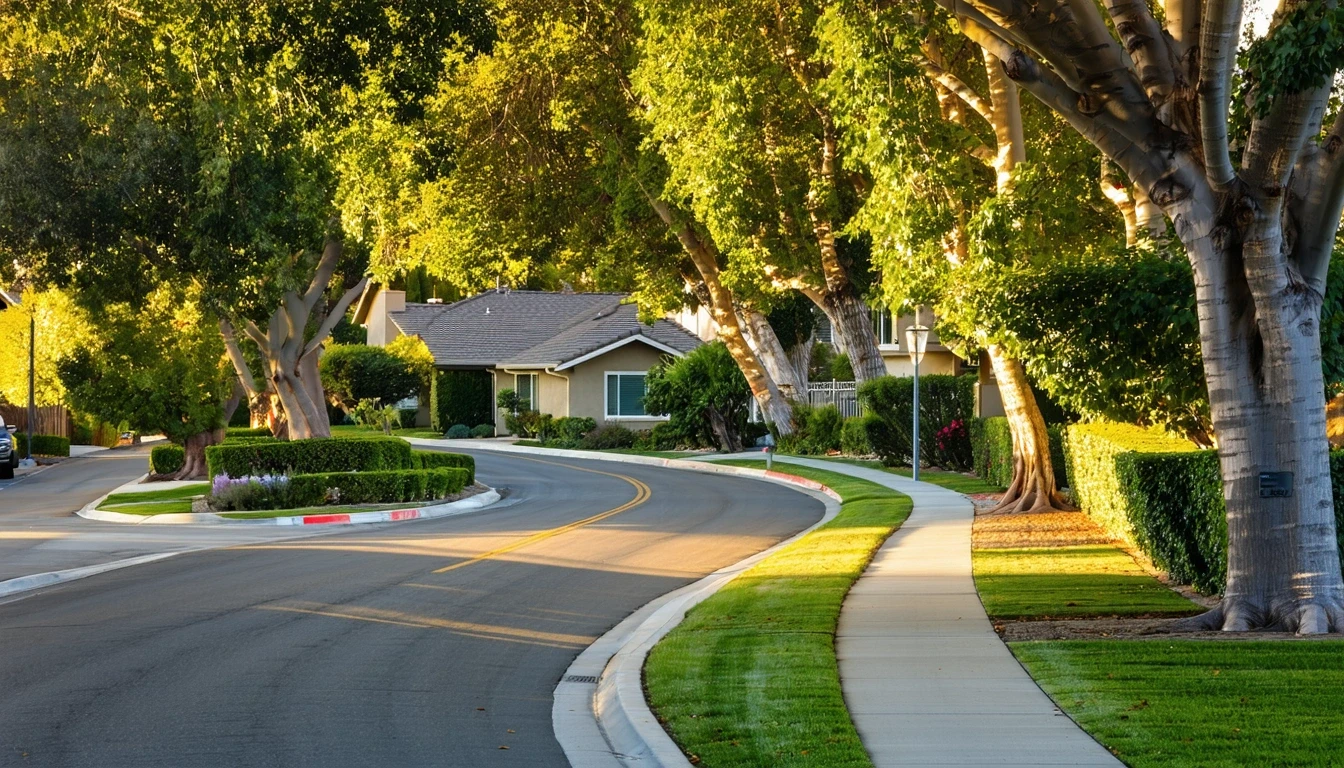
Is the True Cost of Living Higher Than You Think?
For many households evaluating Milpitas, the sticker shock comes from housing—but the real cost structure runs deeper. While the median home value and rent figures are high in absolute terms, the city’s transit connectivity and pedestrian-friendly pockets mean that transportation costs don’t automatically compound the way they do in car-dependent suburbs. The question isn’t just whether Milpitas is expensive; it’s whether the expense profile matches your household’s logistics and commute pattern.
Understanding cost pressure here requires looking beyond the headline numbers. Housing dominates, but the intensity of other expenses—utilities, transportation, daily errands—depends on where you live within the city, how you commute, and whether you can leverage the rail service and bike infrastructure that exceed regional norms. The true cost of living in Milpitas is shaped as much by access and mobility as by price points.
Overall Cost of Living Snapshot
Milpitas sits squarely in Silicon Valley’s high-cost corridor, with housing costs that reflect proximity to major tech employers and regional job centers. The regional price parity index stands at 100, indicating alignment with the national baseline after adjusting for local price levels—but that baseline is elevated across all categories in this metro area. The primary cost driver is housing, whether renting or buying, and it sets the floor for household budgets before any other expense is considered.
What differentiates Milpitas from other high-cost Bay Area cities is its infrastructure mix. The city has rail service, a high pedestrian-to-road ratio in certain areas, and grocery and food establishment density that exceeds typical suburban thresholds. This means that while housing costs are steep, households that can access transit or live near walkable commercial corridors face lower transportation and convenience costs than those in purely car-dependent environments.
The shape of costs here is front-loaded: housing entry is the dominant barrier, but ongoing expenses for utilities, groceries, and transportation are more moderate relative to income levels. The unemployment rate of 4.1% reflects a stable local economy, and the median household income of $166,769 per year suggests that many residents are positioned to absorb these costs—but that income figure also reflects the selection effect of who can afford to live here in the first place.
Driver verdict: Housing dominates cost pressure, but transportation exposure varies widely based on commute direction and whether you can use rail or bike infrastructure. Surprises come from electricity rates and the gap between walkable areas and car-dependent pockets within the same city.
Housing Costs (Primary Driver)
The median home value of $1,155,000 positions Milpitas as a high-barrier ownership market, even by Silicon Valley standards. This figure reflects the city’s role as a commuter hub with direct rail access and proximity to San Jose, Fremont, and the broader South Bay employment corridor. For buyers, the entry cost is steep, but ownership locks in a fixed housing expense in a region where rents continue to climb. Property taxes, insurance, and maintenance add ongoing costs, but the primary hurdle is assembling the down payment and qualifying for the mortgage.
Renters face a median gross rent of $2,981 per month, which includes utilities in some cases but not universally. This figure represents the middle of the market; newer complexes near transit stations command premiums, while older stock farther from rail and commercial corridors offers modest discounts. The renting vs owning decision here hinges on time horizon and commute flexibility. Renting preserves mobility and avoids the transaction costs of buying and selling, but it also means ongoing exposure to rent increases in a supply-constrained market.
Milpitas functions as both a destination city for South Bay workers and a bedroom community for those commuting north into the broader metro. The housing stock reflects this duality: single-family homes in established neighborhoods, townhomes and condos near commercial corridors, and apartment complexes clustered around transit nodes. The city’s mixed land use and strong family infrastructure—high school and playground density—make it appealing to households with children, but the ownership cost is prohibitive for many first-time buyers without dual incomes or equity from a prior sale.
| Housing Type | Cost Anchor | What That Buys You |
|---|---|---|
| Median Home Value | $1,155,000 | Ownership entry in a transit-connected South Bay city with rail access and walkable pockets |
| Median Gross Rent | $2,981/month | Middle-market rental housing; proximity to transit and commercial corridors commands premium |
Conclusion: Milpitas is a high-cost ownership market with elevated rents. It functions as a transitional city for some (renters positioning for future moves) and a long-term anchor for others (owners locking in fixed housing costs). The decision depends on commute direction, household composition, and whether you can leverage the city’s transit and walkability advantages.
Utilities & Energy Risk
Electricity in Milpitas is billed at 34.71¢ per kilowatt-hour, a rate that sits well above national averages and reflects California’s grid costs, renewable energy mandates, and regional transmission expenses. For a household using approximately 1,000 kWh per month—a typical baseline for moderate usage—the illustrative monthly electricity cost before fees and taxes would be around $347. Actual bills vary with air conditioning use during warm months, as Milpitas experiences hot, dry summers that drive cooling demand, though the climate is less extreme than inland valleys.
Natural gas is priced at $23.78 per thousand cubic feet (MCF), equivalent to roughly $0.24 per therm. For context, a household using about 1 MCF per month during heating season—common for space heating and water heating—would see an illustrative cost near $24 before fees and taxes. Gas usage spikes in winter months, though Milpitas’ mild climate means heating demand is lower than in colder regions. The primary gas load comes from water heating and cooking for most households, with space heating representing a smaller share than in areas with extended freezing periods.
The risk profile for utilities here is moderate. Electricity rates are high, but the climate doesn’t impose extreme cooling or heating burdens. Households can manage exposure through efficiency measures—programmable thermostats, LED lighting, insulation upgrades—but the per-unit cost remains elevated regardless of usage. The volatility comes from rate adjustments and tiered pricing structures that penalize higher usage, not from seasonal weather extremes.
Groceries & Daily Costs
Grocery costs in Milpitas reflect Silicon Valley’s elevated price environment, with staple items tracking above national averages due to regional labor costs, real estate expenses for retail space, and distribution logistics. The city’s high density of food and grocery establishments—exceeding typical thresholds for both categories—means that competition exists, but it doesn’t translate into discount pricing. Instead, the advantage is convenience and variety: households have access to chain supermarkets, ethnic grocers, and specialty stores within short distances, particularly in areas with mixed commercial and residential land use.
For households accustomed to lower-cost regions, the grocery pressure is noticeable but not extreme. The difference shows up in weekly totals rather than individual item prices, and it compounds over time. The city’s broadly accessible errands infrastructure—walkable commercial corridors, high grocery density—means that some households can reduce transportation costs by shopping locally on foot or by bike, offsetting part of the price premium. But the baseline cost structure remains elevated, and there’s limited opportunity to arbitrage by driving to distant discount retailers given fuel costs and time.
The practical impact varies by household size and dietary preferences. Larger families face greater absolute exposure, while single-person households can more easily absorb the premium. The city’s food establishment density also supports frequent small-trip shopping rather than bulk warehouse runs, which changes the rhythm of spending but doesn’t necessarily reduce total outlay.
Transportation Reality
Transportation costs in Milpitas depend heavily on commute direction and whether you can access the city’s rail service. The average commute time is 26 minutes, a figure that masks significant variation: workers commuting south into San Jose or using rail to reach regional job centers face shorter, lower-cost trips, while those commuting north or east into the broader metro often encounter longer drives and higher fuel expenses. Only 7.4% of workers report working from home, indicating that most households face recurring transportation costs.
The long commute percentage—40.5% of workers—signals that a substantial share of residents are traveling significant distances, likely to employment centers outside the immediate South Bay area. For these households, transportation becomes a recurring exposure that rivals or exceeds grocery costs. With gas priced at $4.64 per gallon, a typical 25-mile round-trip commute at 25 miles per gallon would consume roughly one gallon per day, translating to an illustrative cost near $93 per month for a 20-workday schedule before tolls, parking, or vehicle maintenance.
What differentiates Milpitas from purely car-dependent suburbs is the presence of rail transit and notable bike infrastructure. For households that can align their commute with these options, the cost structure shifts dramatically: transit passes replace fuel and parking expenses, and bike commuting eliminates variable costs entirely. The city’s high pedestrian-to-road ratio and walkable pockets mean that some residents can also reduce vehicle dependence for daily errands, lowering insurance, maintenance, and depreciation exposure.
But this advantage is unevenly distributed. Households living near rail stations and commercial corridors benefit; those in car-oriented neighborhoods farther from transit face the full cost of vehicle ownership and operation. The commute pattern you choose—and whether your employer’s location aligns with transit access—determines whether transportation is a minor or major cost driver in your household budget.
Cost Exposure Profiles
Cost exposure in Milpitas is dominated by housing entry, but the intensity of other expenses depends on how your household is structured and where you live within the city. Owners face high upfront costs but gain stability in their largest monthly expense; renters avoid the entry barrier but remain exposed to rent increases in a supply-constrained market. The difference isn’t just financial—it’s about control and predictability over time.
Transportation exposure varies by commute direction and transit access. Households that can use rail service or bike to work face low ongoing costs and avoid the volatility of fuel prices and vehicle maintenance. Those commuting long distances by car—particularly the 40.5% with extended commutes—face recurring expenses that compound monthly and are vulnerable to gas price swings. The city’s infrastructure supports low-car or car-free living in certain areas, but only if your job location and household logistics align.
Utility volatility is moderate: electricity rates are high, but the climate doesn’t impose extreme seasonal swings. Households can reduce exposure through efficiency measures, but the per-unit cost remains elevated. Grocery costs are above national norms, but the city’s high density of food establishments and walkable commercial corridors mean that some households can offset transportation costs by shopping locally.
Low-exposure situations: homeowners with short or transit-based commutes, living in walkable areas near commercial corridors, with moderate utility usage. High-exposure situations: renters with long car commutes, living in car-dependent pockets, with larger households and higher grocery and utility loads. The city’s infrastructure offers tools to reduce costs, but leveraging them requires alignment between where you live, where you work, and how you move through daily life.
Frequently Asked Questions
Is Milpitas more affordable than San Jose in 2026? Milpitas and San Jose share similar cost structures, with housing as the dominant expense in both cities. Milpitas offers slightly lower median rents in some neighborhoods and better transit connectivity in specific areas, but the difference is marginal rather than transformative. The choice between them hinges more on commute alignment and neighborhood fit than on affordability.
What does a typical cost profile look like in Milpitas? A typical household faces high housing costs—either a steep mortgage or elevated rent—combined with moderate utility expenses, above-average grocery costs, and variable transportation expenses depending on commute pattern. The profile is front-loaded: housing dominates, but other categories are manageable if you can leverage transit and walkable infrastructure.
Do utilities cost more in Milpitas than nearby areas? Electricity rates in Milpitas are elevated compared to national averages, reflecting California’s grid costs and renewable mandates, but they’re consistent with other Bay Area cities. Natural gas prices are moderate, and the mild climate keeps seasonal usage lower than in regions with extreme heating or cooling demands. The cost is higher than much of the country but typical for the region.
What costs tend to surprise newcomers in Milpitas? Newcomers often underestimate the compounding effect of grocery costs and the variability in transportation expenses based on commute direction. The city’s walkable pockets and rail access can reduce costs significantly, but only if your housing and job locations align. Electricity rates also surprise households accustomed to lower per-unit pricing in other states.
Are property taxes higher in Milpitas than Fremont? Property taxes in both cities are governed by California’s Proposition 13, which caps assessed value increases and sets a baseline rate. The effective tax burden depends on assessed home value and local assessments, but the structural difference between Milpitas and Fremont is minimal. The larger cost difference comes from home values themselves, not the tax rate applied to them.
Can you live in Milpitas without a car? Some households can, particularly those living near rail stations and commercial corridors with high grocery and food establishment density. The city’s notable bike infrastructure and walkable pockets support car-free or car-light living for residents whose work and daily errands align with transit and pedestrian routes. But car-dependent areas exist within the city, and long commutes to employers outside the rail network still require vehicle ownership for most.
How does Milpitas compare to other Silicon Valley suburbs for families? Milpitas offers strong family infrastructure, with high school and playground density that exceeds typical suburban thresholds. The city’s integrated green space and mixed land use provide amenities that support family life, but the housing entry cost is steep. Compared to other South Bay suburbs, Milpitas offers better transit access and walkability in certain areas, which can reduce transportation costs for families willing to prioritize location over home size.
What’s the biggest cost tradeoff in Milpitas? The biggest tradeoff is between housing entry cost and transportation exposure. Paying more to live near rail and commercial corridors reduces ongoing transportation and convenience costs, while choosing cheaper housing farther from transit often means higher vehicle expenses and longer commutes. The decision depends on whether you value upfront savings or long-term cost control.
How this article was built: In addition to public economic data, this article incorporates location-based experiential signals derived from anonymized geographic patterns—such as access density, walkability, and land-use mix—to reflect how day-to-day living actually feels in Milpitas, CA.
—