
When Jasmine opened her first full utility bill after moving into a Miami apartment, she stared at the electric charge in disbelief—nearly triple what she’d paid back in Charlotte. The air conditioning had been running nonstop through September, and she hadn’t realized how much tropical heat and humidity would reshape her monthly expenses. Understanding utility costs in Miami means recognizing that climate doesn’t just influence comfort—it directly drives the second-largest line item in most household budgets.
Understanding Utilities in Miami
Utility costs in Miami reflect the realities of year-round heat, coastal infrastructure, and the energy demands of keeping indoor spaces livable in a subtropical climate. For most households, utilities represent the second-largest monthly expense after housing, and in Miami, electricity dominates that total. Unlike cities with distinct heating seasons, Miami’s utility profile is shaped almost entirely by cooling demand, with air conditioning running from March through November and often into winter months.
Core utilities typically include electricity, water, trash collection, recycling, and—in some cases—natural gas, though gas infrastructure is less common in South Florida than in northern metros. Apartments often bundle water and trash into rent or HOA fees, while single-family homes usually pay each utility separately. This structural difference matters: renters may see lower visible utility bills but higher base rent, while homeowners face more direct exposure to usage swings and rate changes.
For new movers, the biggest adjustment is recognizing that Miami’s utility costs behave differently than in temperate or northern climates. There’s no winter reprieve when bills drop—cooling is a year-round necessity, and humidity compounds the load on HVAC systems. Homes with poor insulation, older windows, or undersized air conditioning units face steeper costs, while newer construction and energy-efficient upgrades can significantly reduce exposure. What shapes the cost of living in Miami includes not just the rate per kilowatt-hour, but how intensely and how long households must run cooling systems to remain comfortable.
Utilities at a Glance in Miami
The table below shows how core utility costs typically behave for a mid-size household in a single-family home in Miami. Where city-level prices are available in the data feed, they are shown directly. When exact figures are not provided, categories are described qualitatively to reflect how costs are structured and what drives variability.
| Utility | Cost Structure in Miami |
|---|---|
| Electricity | 15.92¢/kWh; usage-sensitive, cooling-dominated |
| Water | Tiered pricing; usage-dependent, varies by provider |
| Natural Gas | $23.62/MCF; minimal heating demand in Miami |
| Trash & Recycling | Often bundled with water or HOA fees |
| Total | Seasonal variability driven by electricity and cooling intensity |
This table reflects utility cost structure for a mid-size household in a single-family home in Miami during 2026. Where exact figures are not provided in the IndexYard data feed, categories are described directionally to reflect how costs behave rather than a receipt-accurate total.
Electricity is the dominant utility expense in Miami, driven by air conditioning that runs nearly year-round. The rate of 15.92¢ per kilowatt-hour is billed based on consumption, meaning households with larger homes, older HVAC systems, or poor insulation face significantly higher monthly charges. For illustrative context, a mid-size household using approximately 1,000 kWh per month—common during peak summer—would see an electric charge around $159 before fees and taxes. Actual usage varies widely depending on home size, efficiency, and thermostat settings, but electricity is typically the most exposure-sensitive utility in Miami, driven more by climate and home efficiency than by base rates.
Water costs in Miami are structured around tiered pricing, where higher usage triggers higher per-unit rates. This encourages conservation but also means that households with irrigation systems, pools, or larger families can see bills climb quickly during dry months. Water is often billed together with trash and stormwater fees, making it harder to isolate the cost of water alone. Providers vary by neighborhood, and some areas are served by municipal utilities while others rely on private companies with different rate structures.
Natural gas plays a minimal role in Miami’s utility landscape. With year-round warmth and limited heating demand, most homes rely on electric heat pumps or simply don’t heat at all. Gas is occasionally used for water heaters, dryers, or cooking appliances, but infrastructure is sparse compared to northern metros. The price of $23.62 per MCF reflects availability for those who do use it, but for most Miami households, natural gas is either absent or a minor line item.
Trash and recycling services are typically bundled with water bills or included in HOA fees, especially in condos and planned communities. Single-family homeowners in unincorporated areas may pay separately, but costs are generally stable and predictable. Recycling is widely available, and some municipalities offer bulk pickup or yard waste collection as part of base service. Unlike electricity, trash costs don’t fluctuate with usage intensity—they’re a fixed or semi-fixed monthly charge.
How Weather Impacts Utilities in Miami
Miami’s subtropical climate creates a utility cost profile that differs sharply from most of the country. There is no winter relief—cooling demand persists through every season, with only brief windows in late fall and early spring when outdoor temperatures allow households to turn off air conditioning entirely. Summer months bring the highest exposure, with outdoor temperatures regularly reaching the low 90s and humidity making it feel even hotter. Air conditioning doesn’t just cool the air; it also removes moisture, which means HVAC systems work harder and longer in Miami than in drier climates.
Many Miami households experience noticeably higher electric bills during peak summer compared to spring, but the difference is one of intensity rather than category. Unlike Midwest homes that see heating costs spike in January and vanish by April, Miami homes face year-round cooling loads that shift in magnitude but never disappear. Coastal humidity compounds the challenge: even when temperatures drop into the 70s, indoor spaces can feel sticky and uncomfortable without dehumidification, which requires running the AC or standalone units.
One regional quirk that affects utility costs is the intensity of afternoon thunderstorms during summer months. These storms briefly cool the air but also raise humidity levels, which can trigger air conditioning to cycle more frequently in the hours afterward. Additionally, Miami’s urban density and prevalence of high-rise buildings create microclimates where heat radiates from pavement and concrete, keeping nighttime temperatures elevated and preventing natural cooling. Homes in tree-lined neighborhoods or near water may see slightly lower cooling costs due to shade and breeze, but the overall pattern remains: electricity costs in Miami are shaped by relentless heat and moisture, not by seasonal swings between heating and cooling.
How to Save on Utilities in Miami
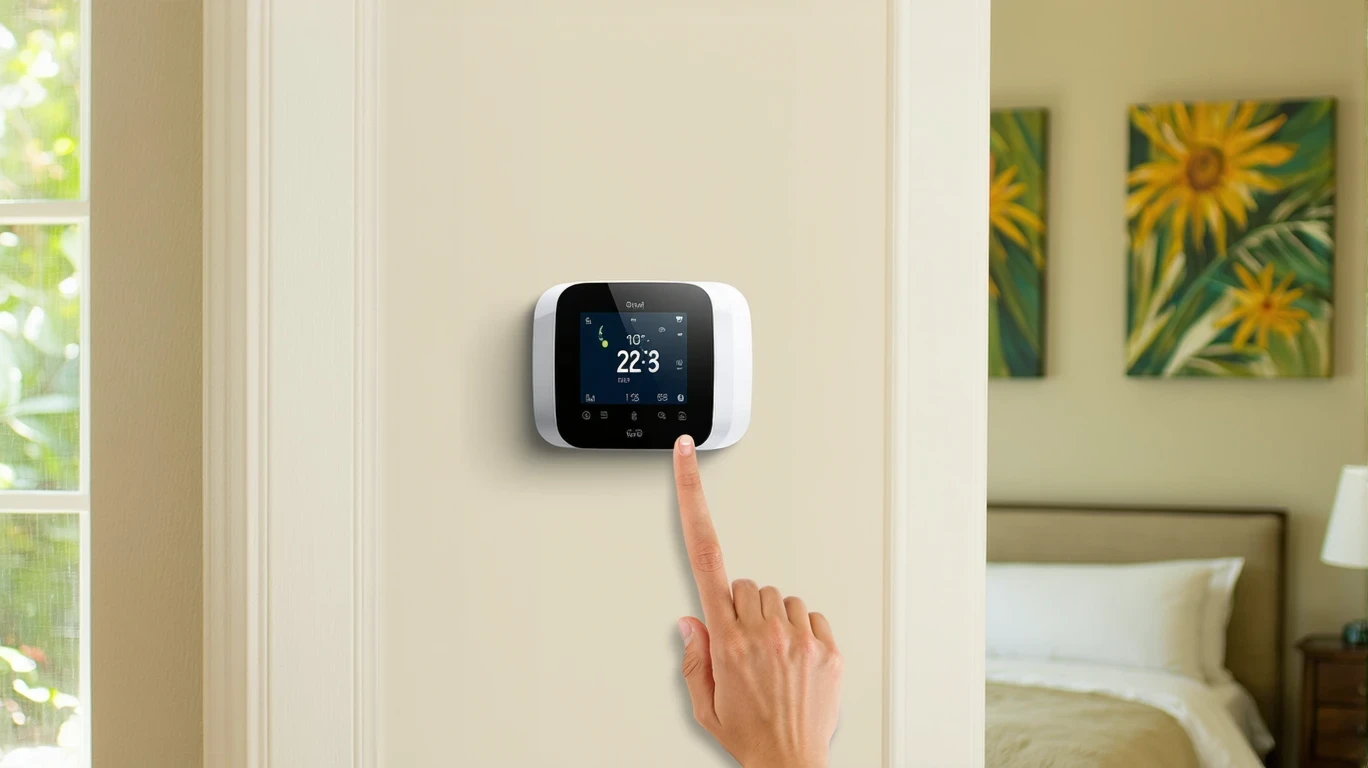
Reducing utility costs in Miami requires focusing on the primary driver: air conditioning. Because cooling dominates the utility budget, even modest improvements in efficiency or usage behavior can lower monthly exposure significantly. Upgrading to a high-efficiency HVAC system, sealing ductwork, and adding insulation—especially in attics—reduce the amount of conditioned air that escapes and the frequency with which the system must cycle. Smart thermostats allow households to raise temperatures slightly when no one is home and pre-cool before occupants return, cutting runtime without sacrificing comfort.
Many utility providers in South Florida offer time-of-use billing programs that charge lower rates during off-peak hours, typically overnight and on weekends. Shifting energy-intensive activities—laundry, dishwashing, pool pumps—to these windows can reduce costs without changing total usage. Some providers also offer budget billing, which averages costs over the year to smooth out seasonal spikes, though this doesn’t reduce total spending—it just redistributes it. Solar panel adoption is growing in Miami due to abundant sunlight and state-level incentives, and while upfront costs are significant, solar can offset a large portion of electricity consumption over time.
Common strategies to lower utility exposure in Miami include:
- Enrolling in off-peak or time-of-use billing programs to take advantage of lower overnight rates
- Installing or upgrading to ENERGY STAR-rated air conditioning units and water heaters
- Using ceiling fans to improve air circulation and reduce reliance on AC alone
- Planting shade trees near windows and exterior walls to block direct sun exposure
- Sealing gaps around doors, windows, and ductwork to prevent conditioned air loss
- Replacing old windows with low-E or impact-resistant glass that reflects heat
- Checking for utility rebates on appliance upgrades, insulation, or smart thermostat installation
🏆 Tip: Check if your provider in Miami offers rebates for energy-efficient AC units or heat pump water heaters—many South Florida utilities have programs that cover part of the upfront cost, and the savings compound over years of lower usage.
FAQs About Utility Costs in Miami
Why are utility bills so high in Miami?
Utility bills in Miami are driven primarily by air conditioning, which runs nearly year-round due to heat and humidity. Homes with older HVAC systems, poor insulation, or large square footage face the highest exposure, and electricity rates are billed per kilowatt-hour, so usage intensity directly determines cost.
What is the average monthly electric bill for an apartment in Miami compared to a single-family home?
Apartments typically see lower electric bills than single-family homes because they have smaller square footage and often share walls with neighboring units, which reduces heat gain. Single-family homes, especially older ones with less efficient cooling systems, face higher usage and correspondingly higher bills during peak summer months.
Do HOAs in Miami usually include trash or water in their fees?
Many HOAs in Miami—especially in condos and townhome communities—bundle water, trash, and sometimes basic cable or internet into monthly fees. Single-family homes in HOA neighborhoods may still pay utilities separately, but it’s common for at least trash collection to be included in the association fee.
How does seasonal weather affect monthly utility bills in Miami?
Seasonal weather in Miami affects the intensity of cooling demand rather than introducing a heating season. Summer months bring the highest electric bills due to sustained heat and humidity, while late fall and early spring offer brief windows when air conditioning can be reduced or turned off entirely, lowering costs temporarily.
Does Miami offer incentives for solar panels or energy-efficient appliances?
Yes—Florida offers property tax exemptions for solar panel installations, and many South Florida utilities provide rebates for energy-efficient air conditioning units, water heaters, and insulation upgrades. Federal tax credits for solar and efficiency improvements are also available, making upgrades more affordable upfront and reducing long-term utility exposure.
How Utilities Fit Into the Cost Structure in Miami
Utilities in Miami function as a cost driver and volatility factor rather than a fixed monthly line item. Because electricity is usage-sensitive and cooling-dominated, households face exposure that scales with home size, efficiency, and behavior. Unlike rent or car payments, which remain stable month to month, utility costs fluctuate based on weather intensity, thermostat settings, and how well a home retains conditioned air. This variability makes utilities harder to predict but also more controllable—small changes in usage or efficiency can reduce exposure without requiring major lifestyle adjustments.
For households evaluating what a budget has to handle in Miami, utilities represent a significant but manageable share of monthly spending. Electricity alone can rival or exceed transportation costs during peak summer, especially for single-family homeowners, and water bills add another layer of usage-based exposure. Trash and recycling are typically stable, and natural gas is minimal or absent for most residents. The key insight is that utility costs in Miami are shaped more by climate and infrastructure than by household income—high earners and modest earners alike face the same heat, and both benefit from efficiency upgrades and behavioral adjustments.
Understanding how utilities behave in Miami helps households plan for seasonal swings, prioritize efficiency investments, and avoid surprises when bills arrive. For a fuller picture of how utilities interact with housing, transportation, and other monthly expenses, explore the broader cost-of-living resources available through IndexYard’s Miami hub. Whether you’re deciding between an apartment with bundled utilities or a single-family home with separate billing, knowing what drives costs—and what you can control—makes it easier to manage spending and reduce exposure over time.
How this article was built: In addition to public economic data, this article incorporates location-based experiential signals derived from anonymized geographic patterns—such as access density, walkability, and land-use mix—to reflect how day-to-day living actually feels in Miami, FL.