
Understanding Utilities in Miami
For residents and new movers alike, understanding utility costs is a key part of budgeting in Miami. While the Magic City offers a tropical lifestyle, it comes with some eye-popping summer electric bills. In fact, many households see their utilities spike to $300 or more per month when the AC runs nonstop. Across a full year, a typical family in a single-family home pays around $2,400 for electricity, water, gas, and trash service—often their second-biggest expense after the mortgage or rent.
Of course, utility bills can vary widely depending on the type of home. Apartments and condos tend to have lower costs thanks to their smaller footprint, shared walls, and HOA-covered trash and water. Single-family homes must contend with higher cooling loads, irrigation needs, and direct billing for every service. Your neighborhood also matters, as some municipalities have higher water and sewer rates. Let’s take a closer look at what makes up the utility mix in Miami and how to plan for your monthly expenses.
Table: Monthly Utility Estimates
Based on local utility rates, here’s a snapshot of what a typical household in a single-family home in Miami can expect to pay each month in 2025:
| Utility | Estimated Monthly Cost |
|---|---|
| Electricity | $160 |
| Water | $60 |
| Natural Gas | $25 |
| Trash & Recycling | $25 |
| Total | $270 |
Estimates reflect a mid-size household in a single-family home in 2025. Actual bills vary by household size, season, and neighborhood.
As you can see, electricity often accounts for over half of the typical utility bill in Miami. At an average rate of 16¢/kWh in 2025, running the AC nonstop can easily lead to summer bills of $200 or more for a single-family home. Water costs can also add up quickly, especially if you have a lawn or garden to keep green in the blistering heat. Most homes use at least 5,000 gallons per month, and with tiered rates that can top $10 per 1,000 gallons, bills often land in the $50-100 range.
For homes with natural gas hookups, expect to pay around $1.25/therm in 2025. While summer usage hovers around 20-30 therms for hot water and cooking, winter heating can push consumption to 80-120 therms per month. Finally, trash and recycling costs typically run $15-40 per month, depending on whether your neighborhood uses city service or private haulers. Note that some HOAs bundle these fees into their dues, so always check what’s included before budgeting.
Methodology: Where available, estimates use 2025 local rates from the IndexYard data feed (electricity, gas, water, trash). Electricity assumes ~1,000 kWh/month; gas assumes ~50 therms off-peak; water assumes ~5,000 gallons. Actual bills vary by season, household size, home efficiency, and neighborhood.
How Weather Impacts Utilities in Miami
Miami’s tropical climate means air conditioners work overtime for much of the year. While winter electric bills can dip as low as $80/month, summer highs often exceed $250 for a typical home—a seasonal swing of 3X or more. The main culprit is the city’s infamous humidity, which makes AC systems run longer and work harder to keep indoor air comfortable. Even with a well-sealed home and an efficient cooling setup, it’s not uncommon to see electric usage double from spring to summer.
On the flip side, Miami’s mild winters mean minimal heating needs. Even in December and January, average lows only dip into the upper 50s F. Most homes can get by with a light jacket or a brief blast of heat on the chilliest nights. This helps keep natural gas bills relatively low, although some homes rely on electric space heaters or heat pumps instead. Either way, expect your summer cooling costs to dwarf your winter heating expenses.
How to Save on Utilities in Miami
While utility costs in Miami are some of the highest in the country, there are still plenty of ways to keep your bills in check. Start by making sure your home is well-insulated and sealed against the humid, hot air outside. Adding weatherstripping, closing gaps around windows and doors, and upgrading to energy-efficient appliances can make a big difference. You should also take advantage of off-peak hours whenever possible by running laundry and other energy-intensive chores at night or on weekends.
Other utility savings tips for Miami residents include:
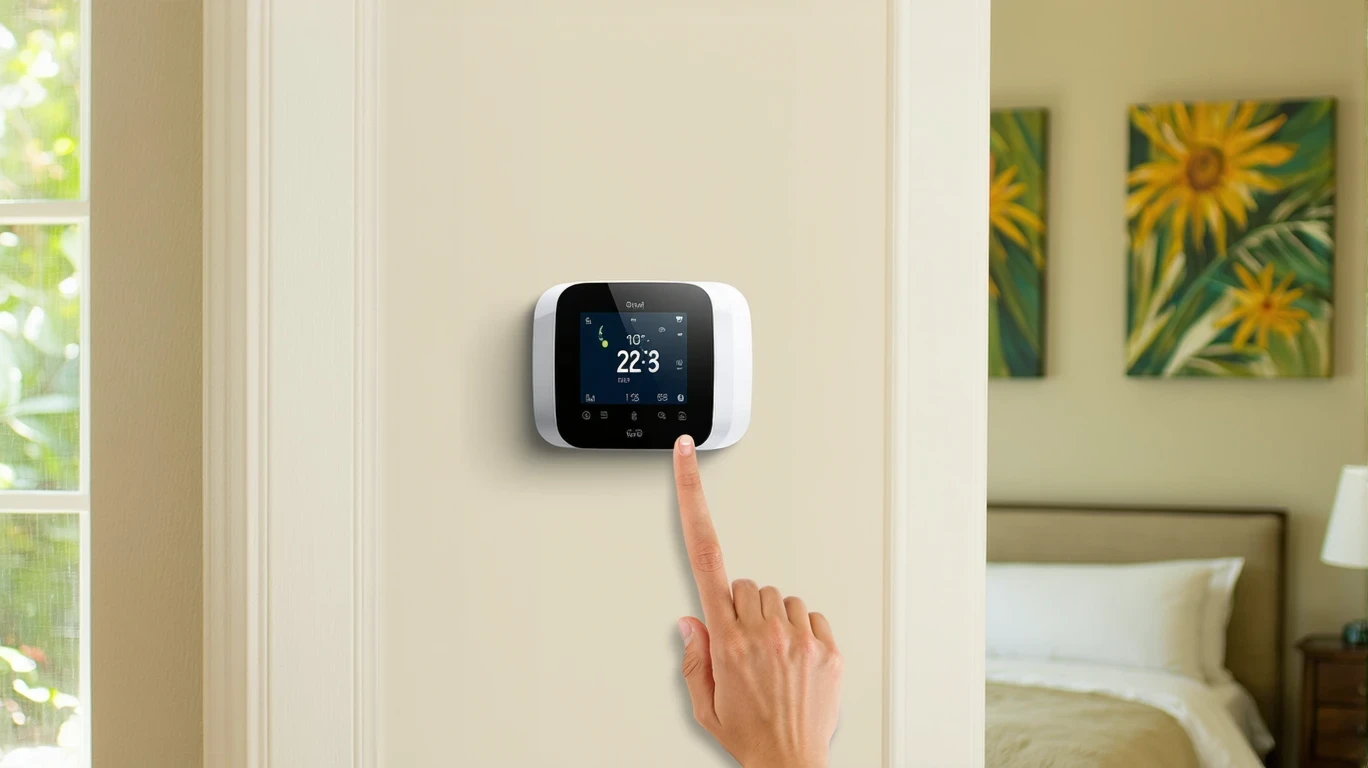
- Installing a smart thermostat to optimize your AC usage
- Planting shade trees or adding awnings to block direct sun
- Upgrading to low-flow toilets and showerheads
- Checking for leaks and promptly fixing any plumbing issues
- Signing up for budget billing to equalize payments across the year
🏆 Pro Tip: Many utility providers in Miami offer rebates for energy-efficient AC units, heat pumps, and appliances. Always check for incentives before making a big purchase!
FAQs About Utility Costs in Miami
Why are utility bills so high in Miami?
Miami’s tropical climate means air conditioners work overtime for much of the year, driving up electric bills. The city also has some of the highest water and sewer rates in the country due to limited freshwater supplies and aging infrastructure. This combination of factors makes Miami one of the most expensive utility markets nationwide.
What is the average monthly electric bill for an apartment in Miami compared to a single-family home?
As of 2025, a typical apartment in Miami pays around $100/month for electricity, while a single-family home often tops $200 in the summer. The difference comes down to square footage, shared walls, and the efficiency of the cooling system. Apartments also benefit from being able to share fixed costs like trash and water across multiple units.
Do HOAs in Miami usually include trash or water in their fees?
It depends on the community, but many HOAs in Miami do bundle trash and/or water service into their monthly dues. This allows them to negotiate bulk rates and simplify billing for residents. However, you should always check what’s included before budgeting, as some neighborhoods still require direct payment to the city or private haulers.
How do water costs in Miami compare to nearby suburbs?
Water rates can vary significantly across the Miami metro area. In general, unincorporated Miami-Dade County has some of the highest costs, topping $10 per 1,000 gallons in some tiers. Nearby cities like Hialeah and Miami Beach tend to be slightly cheaper, while further-flung suburbs like Homestead and Florida City offer the lowest rates. However, these savings are often offset by higher transportation costs.
Are utility costs in Miami rising faster than the national average?
Yes, utility costs in Miami have been outpacing the national average for several years. Between 2020 and 2025, the city saw electricity rates rise by 15%, water rates by 20%, and natural gas prices by 10%. This compares to a nationwide average of 12%, 15%, and 8%, respectively. The trend is expected to continue as Miami grapples with climate change, aging infrastructure, and population growth.
Smarter Utility Planning in Miami
As you can see, utility costs in Miami are no small part of the household budget. Between the city’s sizzling summers, rising water rates, and hurricane-hardened power grid, residents can easily spend $200-300 per month keeping the lights on and the taps flowing. For a family of four in a single-family home, that can add up to nearly $3,000 per year—a significant chunk of change in a city where the median income is just over $40,000.
Of course, utility bills are just one piece of the broader cost of living puzzle in Miami. Housing, transportation, food, and healthcare all play a role in determining whether the city is affordable for your family. By understanding how these expenses fit together—and taking steps to optimize your utility usage—you can stretch your budget further and enjoy all that the Magic City has to offer.
Ready to take control of your utility costs in Miami? Check out our guide to energy-efficient appliances or explore more tips for reducing your water bill. With a little planning and know-how, you can keep your monthly expenses in check while still living your best life in the 305.