
“Will I actually like living here?” That’s the question a newcomer recently posed in a St. Louis area forum, considering a move to Maryland Heights. It’s a question that gets to the heart of what matters most when choosing a place to call home—not just the statistics, but the lived experience of the people already there. So how do locals feel about living in Maryland Heights? The answer, like most things in life, is nuanced. Residents express a mix of appreciation for the city’s convenient location and amenities, alongside concerns about development pace and traffic. Understanding this emotional landscape can help you decide if Maryland Heights aligns with what you’re looking for in a community.
Overall City Sentiment in Maryland Heights
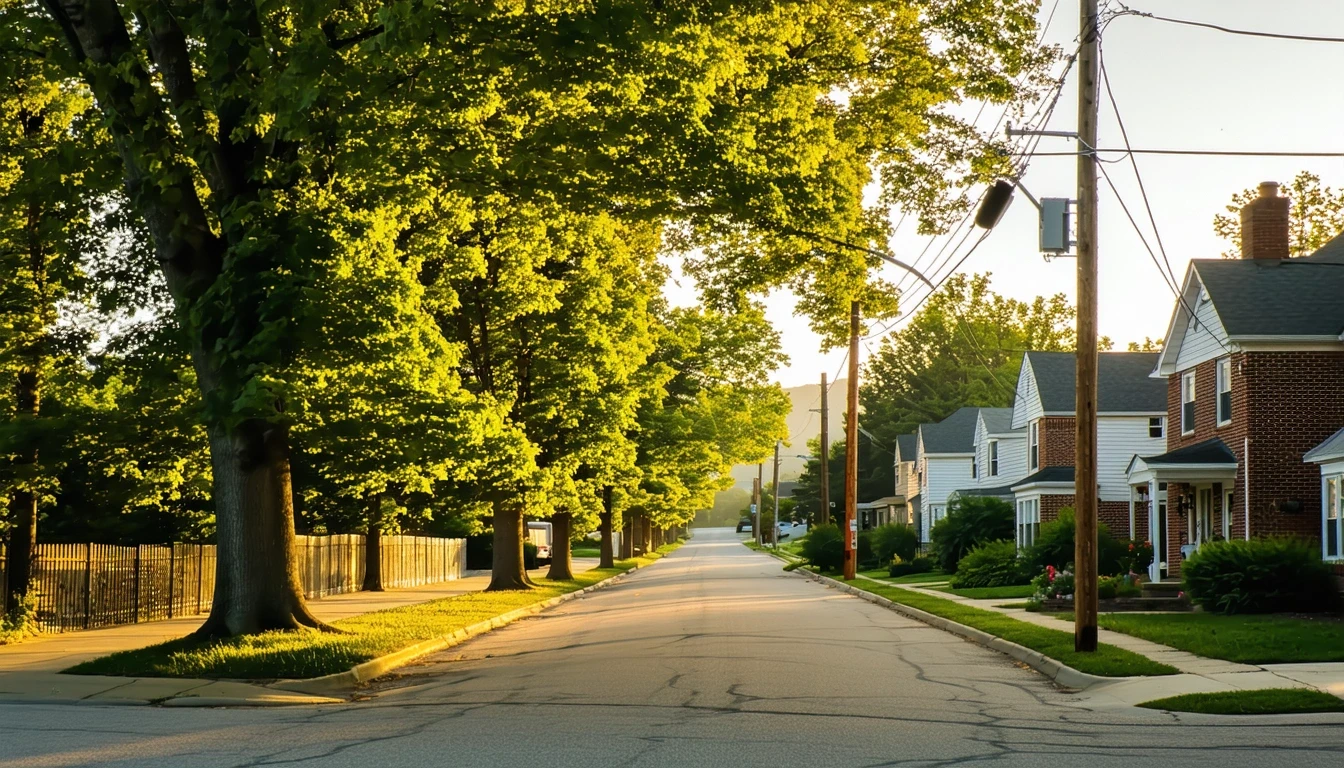
What’s it like to wake up every day in Maryland Heights? How do locals describe the city’s overall vibe? In 2025, Maryland Heights residents generally express moderate satisfaction with their community, pointing to practical advantages like proximity to major highways, shopping centers, and employment hubs. The city sits in a sweet spot for commuters—close enough to downtown St. Louis for work, yet far enough to feel suburban and spacious.
The sentiment here leans pragmatic rather than passionate. People appreciate what works: good schools in certain pockets, well-maintained parks, and a solid selection of restaurants and retail options along Dorsett Road. However, you’ll also hear frustrations about the city’s identity. Some residents describe Maryland Heights as feeling more like a collection of commercial corridors than a cohesive neighborhood. The rapid development of office parks and chain establishments has created a functional landscape that doesn’t always inspire deep community attachment.
Safety perceptions are generally positive, though they vary by neighborhood. Areas near Creve Coeur Lake and the residential subdivisions off McKelvey Road tend to receive higher marks for feeling secure and family-friendly. Meanwhile, discussions about housing costs reveal mixed feelings—prices have climbed steadily, making homeownership less accessible for younger buyers, yet the market remains more affordable than neighboring Clayton or Ladue.
Social Media Buzz in Maryland Heights
Scroll through local Facebook groups like “Maryland Heights Neighbors” or broader St. Louis forums on Reddit, and you’ll find a steady stream of conversation that reflects both pride and pragmatism. Recent social media trends show residents actively discussing development projects, school district boundaries, and traffic congestion—particularly around the I-270 and Page Avenue interchange.
One Facebook user recently wrote: “Maryland Heights has everything I need within ten minutes—Target, Costco, good restaurants. But honestly, it doesn’t have much soul. It’s convenient, not charming.” This sentiment captures a common thread: appreciation for functionality paired with a desire for more distinctive character.
On Reddit’s r/StLouis, a thread about Maryland Heights drew varied responses. One commenter noted: “Lived here five years. It’s fine. Safe, clean, boring. If you want nightlife or walkable neighborhoods, look elsewhere. If you want easy highway access and chain restaurants, you’ll be happy.” Another chimed in with a more positive take: “People sleep on Maryland Heights. Creve Coeur Lake is gorgeous, the aquatic center is fantastic for families, and you’re close to everything without the Clayton price tag.”
Sentiment appears relatively stable rather than rising or falling dramatically. The conversations reflect a community that knows what it is—a practical, middle-class suburb—and residents seem largely at peace with that identity, even if they occasionally wish for more vibrancy.
Local News Tone
Local news coverage of Maryland Heights tends toward a neutral-to-optimistic tone, focusing on development announcements, municipal improvements, and community events. The St. Louis Post-Dispatch and local outlets like Patch frequently cover stories about new business openings, road construction projects, and city council decisions.
Recent headlines have highlighted infrastructure investments and economic development. Stories like “Maryland Heights Approves New Mixed-Use Development Near Westport Plaza” and “City Invests in Park Improvements Along Creve Coeur Lake Trail” reflect a forward-looking municipal government focused on growth and amenities. However, some coverage also addresses resident concerns about traffic congestion and the pace of commercial development.
The tone rarely veers into crisis mode or harsh criticism. Instead, local journalism presents Maryland Heights as a stable, well-managed suburb navigating typical growth challenges. When problems arise—like drainage issues or zoning disputes—they’re covered as solvable municipal matters rather than systemic failures. This measured reporting style mirrors the community’s own pragmatic outlook.
Review-Based Public Perception
On platforms like Google Reviews, Yelp, and Nextdoor, Maryland Heights receives generally favorable ratings, though the enthusiasm varies by what aspect of city life residents are discussing. Reviews of specific amenities—like the Maryland Heights Community Center or Aquaport—tend to be quite positive, with families praising the facilities and programming.
Neighborhood-level sentiment shows some variation. Areas near Creve Coeur Lake and the residential streets off Fee Fee Road receive praise for being quiet, well-maintained, and family-oriented. One Google reviewer wrote: “Our neighborhood feels safe and the houses are well-kept. It’s not exciting, but it’s exactly what we wanted for raising kids.”
Conversely, areas closer to the commercial corridors along Dorsett and Page receive more mixed feedback. Some residents appreciate the convenience of having shopping and dining nearby, while others lament the traffic and lack of walkability. A Nextdoor post captured this tension: “I love that I can get to three grocery stores in five minutes, but I wish I could walk to any of them safely. Everything requires a car.”
The Maryland Heights sentiment score—if such a metric existed—would likely land in the “satisfied but not thrilled” range. Residents consistently acknowledge the city’s strengths while expressing mild disappointment about its lack of distinctive character or pedestrian-friendly design.
Comparison to Nearby Cities
| Category | Maryland Heights | Creve Coeur | Bridgeton |
|---|---|---|---|
| Overall Sentiment | Pragmatic satisfaction | Affluent contentment | Working-class resilience |
| Community Vibe | Suburban convenience | Established prestige | Diverse and evolving |
| Safety Perception | Generally positive | Very high confidence | Mixed by neighborhood |
| Affordability | Moderate challenges | Premium pricing | More accessible |
| Development Tone | Commercial growth focus | Preservation-minded | Redevelopment efforts |
Comparing Maryland Heights to its neighbors reveals distinct personalities. Creve Coeur, just to the south, carries a more upscale reputation with higher home prices and a stronger sense of established community identity. Residents there often express pride in their city’s parks, schools, and residential character. Maryland Heights, by contrast, feels more transitional—less expensive than Creve Coeur but also less defined in its identity.
Bridgeton, to the north, presents a different comparison. It’s more diverse economically and demographically, with a wider range of housing options and monthly expenses. Bridgeton residents often describe their city as hardworking and unpretentious, though some express concerns about aging infrastructure and economic challenges. Maryland Heights occupies a middle ground—more polished than Bridgeton, more affordable than Creve Coeur, but perhaps lacking the distinctive character of either.
What Locals Are Saying
To understand how locals truly feel about living in Maryland Heights, it helps to hear directly from residents across different life stages and perspectives.
Jennifer, a marketing professional in her early thirties, shares: “I moved here from the city three years ago for a job in Westport. It’s been fine—my apartment is nice, I can get to work in ten minutes, and there’s plenty to do nearby. But I miss the energy of the city. Everything here feels a little sterile and car-dependent. I’m not sure I’ll stay long-term.”
Mark and Susan, retirees who’ve lived in Maryland Heights for fifteen years, offer a different view: “We love it here. The parks are beautiful, especially around Creve Coeur Lake. We feel safe, the city services are excellent, and we’re close to our grandkids in Chesterfield. It’s not flashy, but it’s comfortable and well-run. That’s what matters at our stage of life.”
Carlos, a remote worker and father of two elementary-aged children, says: “The schools in our area are solid, and the kids love the aquatic center in summer. My main complaint is that there’s no real downtown or gathering place. We drive to other cities for farmers markets or festivals. Maryland Heights has the infrastructure but not the community feel we were hoping for.”
Aisha, a nurse who recently bought her first home, notes: “I looked at places in the city and in West County. Maryland Heights gave me the best value—a newer townhome I could actually afford. The commute to my hospital is easy, and I feel safe here. Sure, it’s not the most exciting place, but I’m building equity and that matters more to me right now than having trendy coffee shops on every corner.”
These voices reflect the spectrum of experiences in Maryland Heights—from young professionals seeking more vibrancy to families and retirees appreciating stability and convenience. The common thread is pragmatism: people recognize what the city offers and make peace with what it lacks.
Is Maryland Heights a Happy City?
So, how do locals feel about living in Maryland Heights? The answer is neither simple celebration nor harsh criticism. Residents express moderate satisfaction rooted in practical advantages—convenient location, decent schools, safe neighborhoods, and accessible amenities. The city functions well as a suburban home base, particularly for commuters, families, and those prioritizing affordability over urban excitement.
However, Maryland Heights doesn’t inspire the passionate loyalty or deep community attachment found in some neighboring cities. The rapid commercial development has created a landscape that feels more functional than charming. Residents appreciate the convenience but sometimes wish for more walkability, distinctive character, and gathering spaces that foster community connection.
The social media conversations, local news coverage, and review-based feedback all point to a community that’s content but not euphoric. People aren’t fleeing Maryland Heights, but they’re also not evangelizing about it. It’s a place that works well for certain lifestyle needs—particularly for those who value suburban convenience, highway access, and moderate costs—while falling short for those seeking vibrant street life or a strong sense of place.
If you’re considering Maryland Heights, think carefully about what matters most to you. If you prioritize practical advantages like commute times, shopping access, and functional amenities, you’ll likely find satisfaction here. If you’re seeking a community with distinctive character, walkable neighborhoods, and a strong sense of identity, you might feel the same restlessness some current residents express. Maryland Heights is a city that delivers on logistics and safety while still searching for its soul—and whether that trade-off works for you depends entirely on what you’re looking for in a home. To dig deeper into whether this city fits your needs, explore topics like housing affordability, budget planning, and quality of life factors that shape daily experience.