
Here’s a fun fact: the price of a dozen eggs in the St. Louis metro area has swung by more than 40% in the past eighteen months, reminding shoppers that grocery prices in Maryland Heights are anything but static. For two adults planning a household budget in 2025, understanding what you’ll actually spend at the checkout is essential—and the answer depends on where you shop, what you buy, and how often you cook at home. The average grocery bill for two adults in Maryland Heights is about $620–$740 per month, though that figure can climb or drop by $100 or more depending on your choices. Whether you’re stocking a pantry in a West County apartment or meal-prepping in a single-family home near Creve Coeur Park, this breakdown will help you navigate the aisles with confidence.
Maryland Heights sits in a competitive retail corridor, with national chains, regional grocers, and discount outlets all vying for your dollar. That competition keeps prices relatively moderate compared to urban cores like Clayton or Ladue, but you’ll still notice variation from week to week—especially on fresh produce, dairy, and proteins. Organic and specialty items typically carry a 20–30% premium over conventional equivalents, and seasonal swings can push berries, tomatoes, and leafy greens up or down by similar margins. The key is knowing which stores align with your priorities and how to time your trips around sales cycles.
For couples who cook most meals at home, a realistic monthly budget lands in the $620–$740 range when you blend mid-tier staples with occasional splurges on fresh fish, organic greens, or specialty cheeses. Households that lean heavily on convenience items, pre-cut produce, or premium brands may push closer to $850–$950, while disciplined shoppers who buy in bulk, stick to store brands, and plan around weekly flyers can bring the total down to $500–$550. The difference isn’t just about frugality—it’s about strategy.
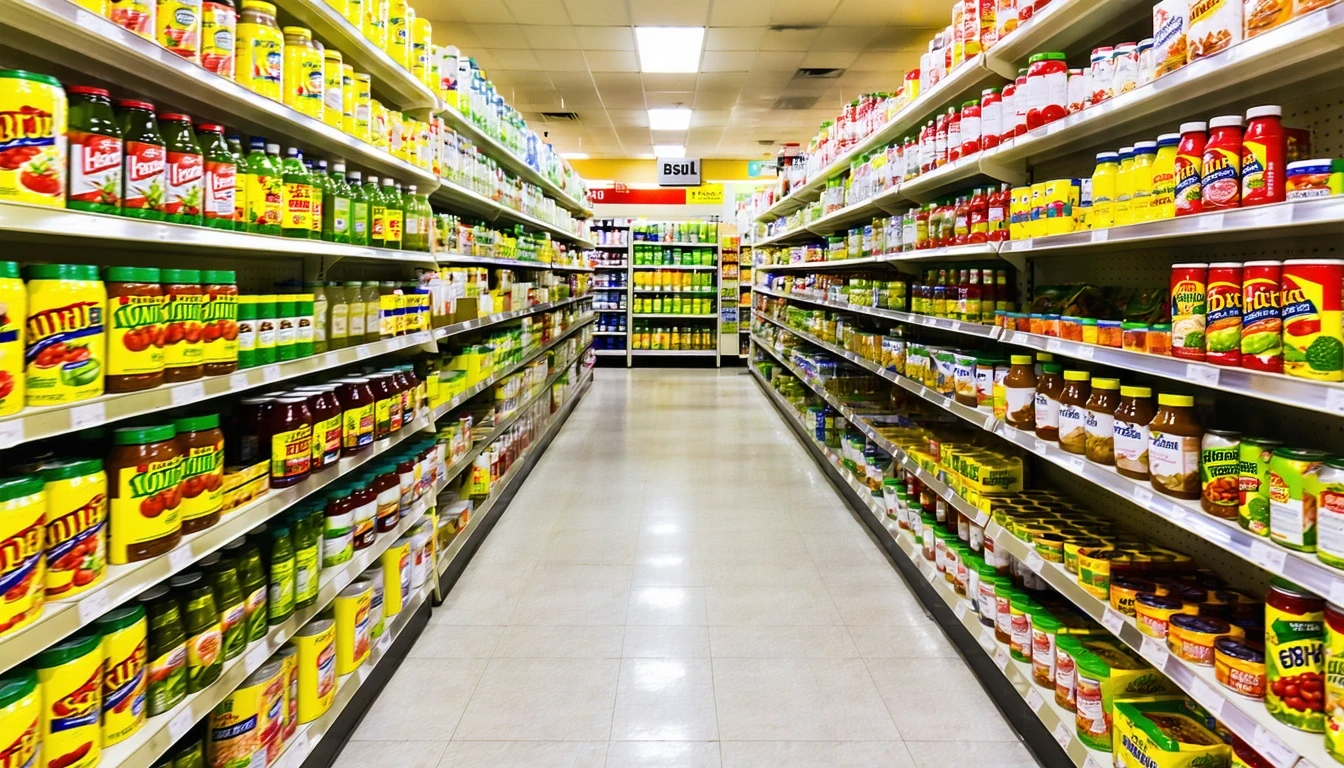
Item-by-Item Price Snapshot
To give you a concrete sense of what things cost at the register, here’s a snapshot of common grocery items based on 2025 pricing in the Maryland Heights area. These figures reflect a blend of mid-range and discount retailers; premium organic versions will run higher, while deep-discount outlets may undercut these numbers by 10–15%.
| Item | Price |
|---|---|
| Milk (gallon, whole) | $3.89 |
| Eggs (dozen, large) | $3.29 |
| Bread (loaf, whole wheat) | $2.79 |
| Chicken breast (per lb) | $4.49 |
| Ground beef (80/20, per lb) | $5.29 |
| Rice (long-grain, 2 lb bag) | $3.19 |
| Apples (per lb, Gala or Fuji) | $1.99 |
| Bananas (per lb) | $0.59 |
| Potatoes (5 lb bag, russet) | $3.99 |
| Cheddar cheese (8 oz block) | $3.49 |
| Coffee (12 oz ground, mid-tier) | $7.99 |
| Pasta (1 lb box) | $1.49 |
Prices on fresh produce tend to swing the most. In July and August, local tomatoes and sweet corn drop noticeably, while berries peak in late spring. Conversely, winter months push citrus down and leafy greens up. Weekly ad circulars remain your best tool for timing purchases—rotating loss leaders on proteins, dairy, and pantry staples can shave 15–20% off your bill if you’re willing to plan meals around what’s on sale.
Where People Shop (and How It Affects Your Bill)
Maryland Heights benefits from a dense retail landscape, giving shoppers genuine choice in how they balance quality, convenience, and price. At the premium end, you’ll find stores emphasizing organic selections, prepared foods, and specialty imports—expect to pay 25–35% more for the curated experience and higher-grade produce. Mid-range chains dominate the market, offering solid quality, frequent promotions, and loyalty programs that reward repeat visits. Discount grocers and warehouse clubs anchor the budget-conscious segment, delivering rock-bottom prices on staples, bulk packs, and store-brand equivalents.
Most two-adult households in the area adopt a hybrid approach: a primary mid-range store for weekly trips, supplemented by discount runs for pantry staples and occasional premium stops for specialty items. This strategy captures the best of each tier without locking you into a single price point. If you’re new to the area, spend a few weeks rotating through different banners to compare not just sticker prices but also freshness, selection, and checkout speed—those factors add up over time.
Store loyalty programs have become increasingly sophisticated, offering personalized digital coupons, fuel discounts, and points that convert to dollars off future purchases. Enrolling in two or three programs costs nothing and can yield $20–$40 in monthly savings if you actively clip offers before each trip. Pair that with a cash-back credit card on groceries, and you’re effectively reducing your bill by another 2–3%.
How We Built the Two-Adult Estimate
Our $620–$740 monthly estimate for two adults reflects a realistic mix of proteins, fresh produce, dairy, grains, and pantry staples, calibrated to a household that cooks dinner at home five to six nights per week and prepares most breakfasts and lunches. We assume moderate variety—rotating chicken, ground beef, and occasional pork or fish; buying seasonal produce rather than exotic imports; and choosing mid-tier brands for coffee, snacks, and condiments. The range accounts for normal week-to-week variation: one week you restock olive oil and spices, the next you skip those and load up on sale proteins.
We also factor in small indulgences—a pint of premium ice cream, a wedge of aged cheese, a bottle of craft hot sauce—because real households don’t subsist on rice and beans alone. If you eliminate those extras and commit to strict store-brand purchasing, you can trim the total by $80–$100. Conversely, adding organic produce, grass-fed meats, and artisan bakery items will push you toward the upper boundary or beyond.
Estimates reflect 2025 prices from national sources such as USDA ERS, BLS CPI, and Census Bureau data, adjusted for local conditions; monthly totals are rounded and will vary by store, brand, and promotions. The methodology prioritizes transparency: we don’t assume you’ll clip every coupon or drive to three stores per week, but we do expect you’ll take advantage of at least some weekly specials and avoid paying full price on high-ticket items like meat and cheese.
Budget-Friendly Ways to Save
Cutting your grocery bill without sacrificing nutrition or enjoyment comes down to a handful of repeatable tactics. The most impactful is planning meals around what’s on sale each week—proteins cycle through promotions every four to six weeks, so when chicken breast drops to $2.99 per pound, buy extra and freeze it. Similarly, stock up on canned tomatoes, pasta, and rice when they hit rock-bottom prices; these staples keep for months and form the backbone of dozens of meals.
Buying in bulk makes sense for items you use regularly and that won’t spoil. Warehouse clubs offer significant per-unit savings on coffee, olive oil, nuts, and frozen vegetables, though you’ll need storage space and the discipline to avoid impulse purchases on oversized snack packs. For perishables, smaller households should be cautious—a five-pound bag of spinach is no bargain if half of it wilts before you can use it.
Here are seven practical strategies that work in Maryland Heights:
- Join loyalty programs at your top two or three stores and load digital coupons before every trip.
- Shop weekly ad circulars online Sunday evening and build your meal plan around loss leaders.
- Buy store brands for pantry staples—quality is nearly identical, and you’ll save 20–30% on average.
- Freeze sale proteins immediately and thaw as needed; this lets you buy at the best price without waste.
- Skip pre-cut produce—whole vegetables and fruits cost half as much and stay fresh longer.
- Brew coffee at home—a pound of mid-tier grounds yields roughly 40 cups, versus $3–$5 per cup at a café.
- Use a cash-back credit card that offers 2–3% on groceries, effectively reducing your annual bill by $150–$200.
One standout tip: if you’re a daily coffee drinker, brewing at home instead of stopping at a café saves roughly $80–$100 per month for two people. That single swap can cover a significant chunk of your produce budget.
Groceries vs Dining Out in Maryland Heights
Cooking at home remains far more economical than restaurant meals, but the gap has narrowed as grocery prices have climbed. In Maryland Heights, an average meal out costs $18–$26 per person at a casual sit-down restaurant, including entree, drink, tax, and tip. Fast-casual spots run $12–$16 per person, while true fast food hovers around $9–$11. For two adults, a single dinner out easily hits $40–$55, which is roughly what you’d spend on groceries for three to four home-cooked dinners.
That said, dining out offers convenience, variety, and a break from meal prep—all of which have real value. Most couples find a sustainable middle ground: cooking the majority of meals at home to control costs and nutrition, while budgeting for one or two restaurant outings per week as a treat or time-saver. If you’re tracking spending closely, allocate $150–$250 per month for dining out separately from your grocery budget; conflating the two makes it harder to see where your food dollars actually go.
Takeout and delivery add another layer of cost—platform fees, delivery charges, and tips can push a $30 order to $45 or more. For budget-conscious households, picking up takeout yourself or cooking at home with a meal kit (which still costs less than delivery) are smarter compromises than frequent app-based ordering.
FAQs About Grocery Costs in Maryland Heights (2025)
What’s a realistic monthly grocery budget for two adults in Maryland Heights? Most couples who cook at home regularly spend between $620 and $740 per month, though disciplined shoppers can bring that down to $500–$550 by buying in bulk, sticking to store brands, and planning around sales. Households that prioritize organic, specialty, or convenience items may spend $850 or more.
Is it cheaper to shop in bulk in Maryland Heights? For non-perishable staples like rice, pasta, canned goods, coffee, and frozen vegetables, bulk buying at warehouse clubs can save 20–30% per unit. For fresh produce and dairy, smaller households risk waste unless they freeze portions immediately, so the savings are less clear-cut.
Which stores in Maryland Heights are best for low prices? Discount grocers and warehouse clubs consistently offer the lowest per-unit prices on staples and bulk items. Mid-range chains run frequent promotions that can match or beat discount pricing on select items each week, so rotating between stores based on weekly ads often yields the best overall value.
How much more do organic items cost in Maryland Heights? Organic produce, dairy, and meats typically carry a 20–30% premium over conventional equivalents. The gap narrows during peak harvest seasons for local organic farms, and some store brands offer organic lines at prices closer to conventional national brands.
What’s a good weekly grocery target if we cook most meals at home? Dividing the monthly estimate by four gives you a weekly target of roughly $155–$185 for two adults. Some weeks you’ll spend more when restocking pantry staples or buying sale proteins in bulk; other weeks you’ll dip below as you cook down what’s already in the fridge and freezer.
Do grocery prices in Maryland Heights spike at certain times of year? Fresh produce prices swing with the seasons—berries and stone fruits peak in late spring and summer, while root vegetables and squash are cheapest in fall. Holiday weeks around Thanksgiving and Christmas see promotions on baking staples and proteins, but also higher baseline prices on specialty items.
How can I track whether I’m overspending on groceries? Keep receipts for one month and categorize spending by store and item type (produce, protein, dairy, pantry). Compare your total to the $620–$740 benchmark and identify categories where you’re significantly over—those are your best opportunities for swaps, sales, or portion adjustments.
Smart Grocery Planning in Maryland Heights
For two adults living in Maryland Heights in 2025, a monthly grocery budget of $620–$740 strikes a realistic balance between quality, variety, and cost control. The key levers are store choice, brand flexibility, and timing your purchases around weekly promotions. By anchoring your shopping at a mid-range chain, supplementing with discount runs for staples, and taking advantage of loyalty programs and sales cycles, you can keep your bill in check without resorting to extreme couponing or bland meals.
Remember that your grocery spending is deeply personal—dietary preferences, cooking skills, storage space, and time availability all shape what works for your household. Use this breakdown as a starting point, then track your own spending for a month or two to see where you land. Adjust from there, and don’t be afraid to experiment with new stores, brands, or meal-planning strategies. For more guidance on managing your overall household finances in Maryland Heights, explore our monthly budget resources and cost-of-living tools.