
Before you sign a lease or close on a home in Lyndon, KY, make sure you’ve accounted for these often-overlooked utility details: whether trash is billed separately or bundled with water, how your home’s heating system (gas vs. electric) will behave during cold snaps, and whether your neighborhood has tiered water pricing that penalizes heavy summer irrigation. These structural details shape your monthly obligations more than any single rate.
Understanding Utilities in Lyndon
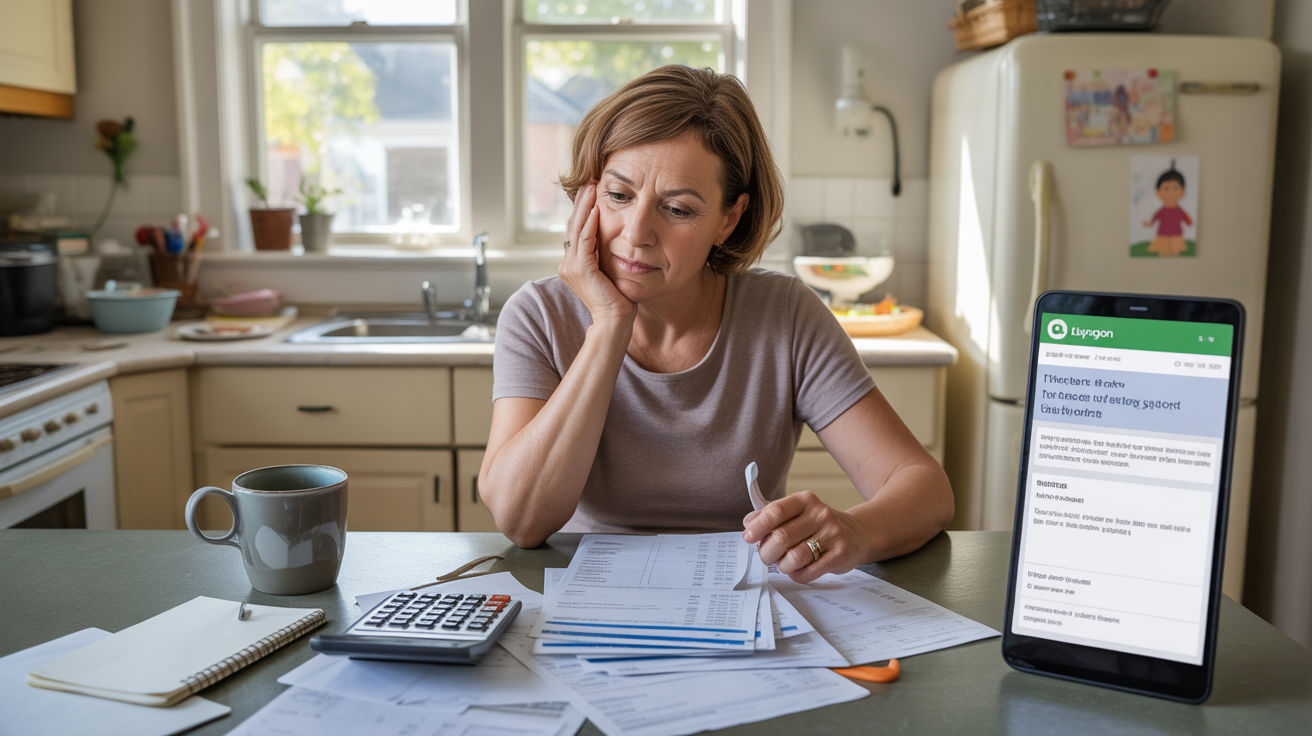
When people evaluate the cost of living in a new city, rent or mortgage payments typically dominate the conversation. But utilities—the recurring charges for electricity, water, natural gas, trash, and recycling—are usually the second-largest monthly expense for most households. In Lyndon, understanding how utility costs behave is essential for building a realistic household budget, especially if you’re moving from a region with different climate patterns or billing structures.
Utilities in Lyndon typically include electricity (the dominant variable cost), water and sewer service (often billed together), natural gas (primarily for heating), and trash and recycling collection. For renters, especially those in apartments or smaller complexes, some of these costs may be included in rent or covered by a flat monthly fee. For single-family homeowners, however, you’re usually responsible for the full bill—and that means full exposure to seasonal swings, usage spikes, and rate changes.
What makes Lyndon distinct is its position within the Louisville metro area, where suburban single-family homes dominate the landscape. That car-oriented layout, reflected in the area’s infrastructure, means most households are managing utility costs for detached homes rather than shared multi-unit buildings. Larger homes, individual HVAC systems, and private yards all increase baseline consumption. If you’re moving from a dense urban environment or a region with milder weather, your utility experience in Lyndon may feel more volatile and more directly tied to the seasons than what you’re used to.
Utilities at a Glance in Lyndon
The table below shows how core utility costs typically behave for a mid-size household in a single-family home in Lyndon. Where city-level prices are available in the data feed, they are shown directly. When exact figures are not provided, categories are described qualitatively to reflect how costs are structured and what drives variability.
| Utility | Cost Structure |
|---|---|
| Electricity | 13.70¢/kWh; usage-sensitive and climate-driven |
| Water | Tiered pricing; usage-dependent |
| Natural Gas | $14.02/MCF; winter-driven, heating-dependent |
| Trash & Recycling | Often bundled with water or HOA fees |
| Total | Seasonal variability driven by electricity and heating |
This table reflects utility cost structure for a mid-size household in a single-family home in Lyndon during 2026. Where exact figures are not provided in the IndexYard data feed, categories are described directionally to reflect how costs behave rather than a receipt-accurate total.
Electricity is billed at 13.70 cents per kilowatt-hour in Lyndon, which sits slightly below the national average. But the rate itself tells only part of the story. What matters more is how much electricity your household uses—and in Lyndon, that’s heavily influenced by climate. Summers are hot and humid, driving air conditioning usage for months at a time. Winters, while not extreme, still require heating, and homes with electric heat pumps or baseboard systems will see their usage climb. For illustrative context, a mid-size household using around 1,000 kWh per month would face a baseline charge near $137 before fees or taxes, but actual consumption can swing significantly depending on insulation, thermostat habits, and home size.
Water and sewer costs in Lyndon are typically billed together and structured with tiered pricing, meaning the more you use, the higher your per-unit cost becomes. This pricing model is common in suburban areas and is designed to discourage waste, but it also means that households with large lawns, pools, or high occupancy can see their bills climb quickly during dry summer months. Even modest irrigation or filling a pool can push you into a higher tier, making water one of the less predictable line items on your monthly statement.
Natural gas is priced at $14.02 per thousand cubic feet (MCF) and is primarily used for heating in Lyndon. If your home has a gas furnace, water heater, or dryer, your winter bills will reflect that. Natural gas costs are highly seasonal—usage drops to nearly zero in summer and spikes during cold months. Right now, with temperatures in the upper 20s and a wind chill in the low 20s, many Lyndon households are experiencing their highest gas bills of the year. Homes that rely on electric heating avoid this line item entirely but shift the exposure back to electricity.
Trash and recycling services in Lyndon are often bundled with water bills or included in HOA fees, depending on your neighborhood. This reduces billing complexity and makes trash service feel more predictable. However, if you’re renting or buying in a neighborhood without an HOA, you may need to contract with a private hauler, in which case you’ll see a separate monthly charge. Either way, trash is typically one of the most stable and least volatile components of your utility budget.
Electricity is typically the most exposure-sensitive utility in Lyndon, driven more by climate and home efficiency than by base rates.
How Weather Impacts Utilities in Lyndon
Lyndon sits in a climate zone where both heating and cooling seasons are real and sustained. Summers are hot and humid, often pushing into the 90s with high dew points that make air conditioning feel non-negotiable. That means your electric bill will climb steadily from May through September, peaking in July and August when systems run nearly around the clock. Homes with older HVAC units, poor insulation, or large square footage will see the most dramatic increases. It’s not uncommon for households to experience electric bills two to three times higher in peak summer compared to mild spring months.
Winter brings a different kind of pressure. While Lyndon doesn’t face the brutal cold of the upper Midwest, temperatures regularly drop into the 20s and 30s from December through February, and heating systems—whether gas furnaces or electric heat pumps—run consistently. Right now, with outdoor temperatures at 29°F and a feels-like temperature of 20°F, heating costs are near their annual peak. Homes heated with natural gas will see their gas bills spike, while homes relying on electric heat will see their electricity usage climb even further. The key difference is that gas heating tends to be more cost-efficient per BTU, but electric heating offers more flexibility and avoids the need for a separate fuel source.
One regional quirk worth noting: Kentucky’s humidity doesn’t disappear in winter. That means your heating system isn’t just fighting cold air—it’s also managing moisture, which can make homes feel colder than the thermostat suggests and prompt higher usage. Similarly, summer humidity makes cooling less efficient, as air conditioners work harder to remove moisture from the air. These aren’t dramatic extremes, but they do create a consistent upward pressure on utility usage that newcomers from drier or more temperate climates may not anticipate.
How to Save on Utilities in Lyndon
Reducing utility costs in Lyndon starts with understanding where your exposure is highest—and for most households, that means electricity and heating. The good news is that both are partially within your control. Small changes in behavior, combined with strategic upgrades, can reduce usage and smooth out seasonal peaks without requiring a complete home overhaul.
Start with your thermostat. Programmable or smart thermostats allow you to reduce heating and cooling when you’re asleep or away, cutting usage during the hours that matter least. In summer, raising your thermostat by even a few degrees during the day can significantly reduce air conditioning runtime. In winter, lowering it at night and relying on blankets or space heaters in occupied rooms can reduce furnace cycles. These aren’t dramatic sacrifices—they’re structural adjustments that reduce waste without compromising comfort.
Beyond behavior, consider efficiency upgrades where they make sense. Insulation improvements, especially in attics and around windows, reduce the amount of conditioned air that escapes your home. Sealing gaps around doors, outlets, and ductwork can have an outsized impact relative to cost. If your HVAC system is more than 15 years old, replacing it with a modern, high-efficiency unit can lower both electricity and gas usage significantly. Many utility providers in the region offer rebates or incentives for energy-efficient upgrades, including high-efficiency air conditioners, heat pumps, and water heaters. It’s worth checking whether your provider participates in these programs before making a major purchase.
- Enroll in budget billing or equalized payment plans to smooth out seasonal swings and avoid bill shock in peak months
- Install a smart thermostat to automate heating and cooling adjustments based on occupancy and time of day
- Seal air leaks around windows, doors, and ductwork to reduce heating and cooling loss
- Upgrade to LED lighting throughout your home to reduce electricity usage with minimal upfront cost
- Plant shade trees on the south and west sides of your home to reduce summer cooling load naturally
- Check whether your utility provider offers rebates for high-efficiency appliances, HVAC systems, or water heaters
- Run dishwashers and washing machines during off-peak hours if your provider offers time-of-use pricing
- Reduce water usage by installing low-flow showerheads and fixing leaks promptly to avoid climbing into higher pricing tiers
🏆 Tip: Check if your provider in Lyndon offers rebates for energy-efficient AC units or heating systems. Many regional utilities provide financial incentives that can offset a significant portion of upgrade costs, especially for high-efficiency heat pumps and programmable thermostats.
FAQs About Utility Costs in Lyndon
Why do utility bills in Lyndon vary so much from month to month?
Utility bills in Lyndon fluctuate primarily because of seasonal weather. Summer air conditioning and winter heating both create usage spikes that can double or triple your baseline costs. Electricity and natural gas are the two most volatile categories, while water and trash remain relatively stable unless you’re irrigating heavily or filling a pool.
What is the average monthly electric bill for an apartment in Lyndon compared to a single-family home?
Apartments in Lyndon typically have lower electric bills because they’re smaller, share walls with other units (which reduces heating and cooling loss), and may have some utilities included in rent. Single-family homes, by contrast, have full exposure to seasonal swings and larger square footage, which increases baseline usage. The gap is most pronounced in summer and winter when HVAC systems dominate the bill.
Do HOAs in Lyndon usually include trash or water in their fees?
Many HOAs in Lyndon do bundle trash and sometimes water into their monthly fees, which simplifies billing and reduces variability. However, this isn’t universal—some neighborhoods require residents to contract directly with service providers. It’s worth confirming what’s included before you move in, as bundled services can make budgeting easier but may also limit your ability to shop for lower rates.
How does seasonal weather affect monthly utility bills in Lyndon?
Seasonal weather is the single biggest driver of utility cost swings in Lyndon. Hot, humid summers push air conditioning usage to its peak, while cold winters require sustained heating. Both seasons create usage spikes that can make your highest bills two to three times your lowest. Homes with poor insulation, older HVAC systems, or electric heating see the most dramatic swings.
Do utility providers in Lyndon offer budget billing or equalized payment plans?
Many utility providers in the region do offer budget billing, which averages your annual usage and spreads it into equal monthly payments. This doesn’t reduce your total cost, but it eliminates bill shock and makes budgeting more predictable. If you’re someone who struggles with seasonal spikes or prefers consistent monthly expenses, budget billing is worth exploring during your first billing cycle.
How Utilities Fit Into the Cost Structure in Lyndon
Utilities in Lyndon are a significant recurring expense, but they’re also one of the most controllable. Unlike rent or mortgage payments, which are fixed and non-negotiable, your utility costs respond directly to how you use your home, how efficient your systems are, and how much effort you put into managing seasonal exposure. That makes utilities a lever—one you can pull to reduce financial pressure without changing where you live or how much space you occupy.
The primary cost drivers in Lyndon are electricity and natural gas, both of which are tightly linked to climate. Summer cooling and winter heating create predictable seasonal peaks, and understanding when those peaks occur allows you to plan ahead, adjust behavior, and avoid surprises. Water and trash, by contrast, are more stable and less volatile, though tiered water pricing can catch households off guard if they’re not monitoring usage during dry months. Together, these four categories form the foundation of your monthly utility obligation, and managing them effectively is a core part of monthly spending in Lyndon.
For renters, especially those in apartments, utility exposure is often lower because of smaller square footage, shared walls, and the possibility of some costs being included in rent. For single-family homeowners, however, utilities represent full exposure to seasonal swings and usage decisions. That’s not necessarily a disadvantage—it just means you have more control and more responsibility. Homes with modern insulation, efficient HVAC systems, and smart thermostats can keep costs manageable even during peak months, while older homes or those with deferred maintenance may struggle to stay within budget.
Ultimately, utilities are part of the broader cost structure in Lyndon, sitting alongside housing, transportation, and groceries as one of the core categories that shape household budgets. They’re not the largest expense, but they’re one of the most variable—and that variability makes them worth understanding in detail. If you’re trying to get a complete picture of what it costs to live in Lyndon, utilities are a critical piece of the puzzle, and managing them well can free up resources for other priorities. For a fuller view of how all these categories interact, explore the real cost pressures in Lyndon to see where your money goes and how to make informed tradeoffs.
How this article was built: In addition to public economic data, this article incorporates location-based experiential signals derived from anonymized geographic patterns—such as access density, walkability, and land-use mix—to reflect how day-to-day living actually feels in Lyndon, KY.
—