
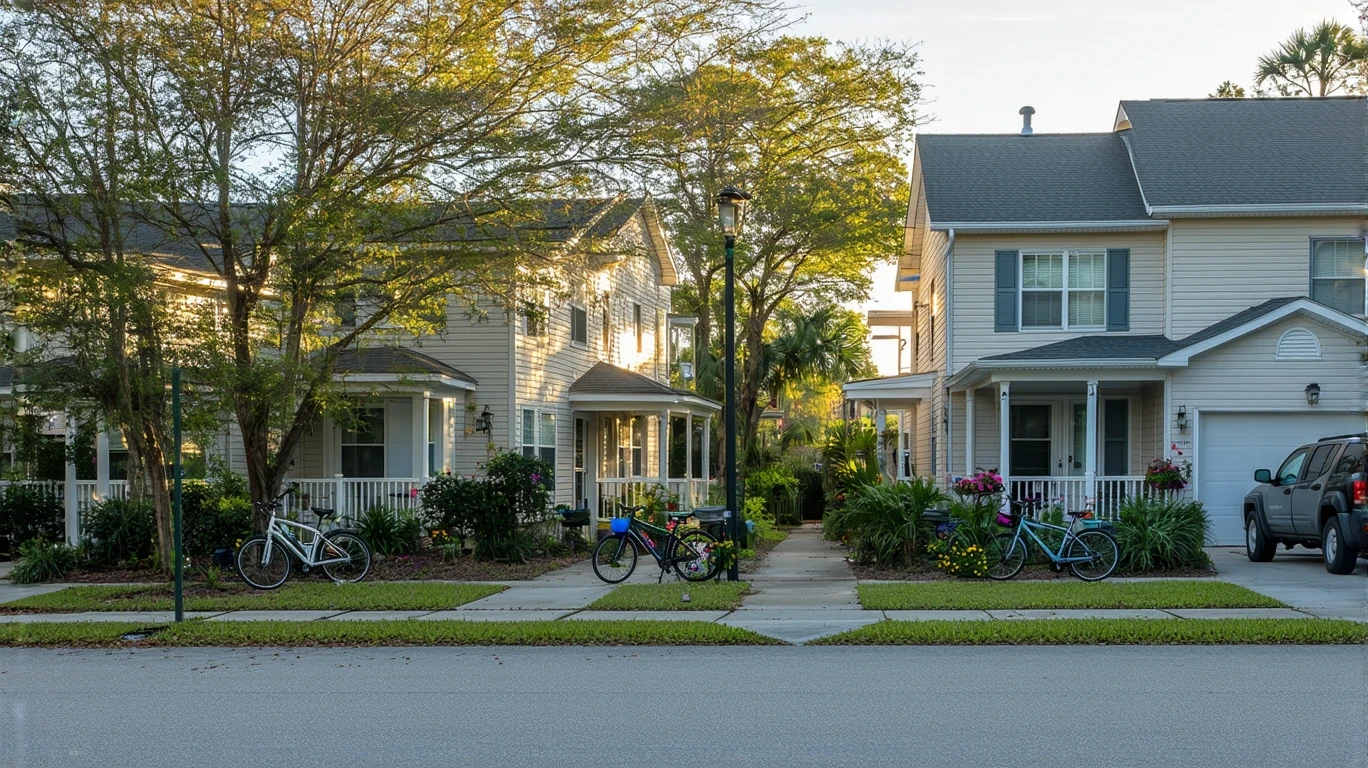
Lutz home values: $403,200. Brandon home values: $266,400. Lutz rent: $1,562/month. Brandon rent: $1,570/month. Both suburbs sit in the Tampa metro, both share Florida’s humid subtropical climate, and both offer low-rise residential neighborhoods with mixed land use. Yet the cost experience differs sharply depending on whether you’re buying or renting, how you get around, and how much friction you tolerate in daily errands.
People compare Lutz and Brandon because they represent different tradeoffs within the same regional labor market. Lutz skews toward newer construction, higher home values, and car-dependent errands infrastructure. Brandon offers lower entry costs for homebuyers, more walkable pockets in parts of the city, and corridor-clustered grocery access. The decision isn’t about which city costs less overall—it’s about which cost pressures show up first, hit hardest, and matter most to your household in 2026.
This article breaks down where costs concentrate, how predictability and volatility differ, and which households feel the structural differences most acutely. No totals, no savings math—just the mechanics of how money moves and where flexibility lives or disappears.
Housing Costs: Entry Barrier vs. Ongoing Obligation
Lutz’s median home value of $403,200 creates a steep entry barrier for buyers. Brandon’s $266,400 median represents a lower threshold, opening homeownership to households with smaller down payments or tighter debt-to-income ratios. The difference isn’t just sticker price—it’s what that price unlocks. Lutz’s higher values often correspond to newer builds, larger lots, and neighborhoods with lower maintenance friction. Brandon’s lower values may reflect older housing stock, smaller parcels, or proximity to commercial corridors that some buyers prefer and others avoid.
Renters face near-identical monthly obligations: $1,562 in Lutz, $1,570 in Brandon. That $8 gap is functionally irrelevant. What matters more is availability and unit type. Lutz’s rental stock skews toward single-family homes and newer apartment complexes, often requiring longer lease commitments and higher upfront costs (first, last, security, pet deposits). Brandon’s rental market includes more corridor-based multifamily buildings and older single-family conversions, sometimes offering faster move-in timelines or more flexible lease structures. Neither city offers a rent advantage—the difference is in what you’re renting and how quickly you can access it.
For first-time buyers, Brandon’s lower home values reduce the cash needed to close and the monthly mortgage obligation. For move-up buyers or families prioritizing newer construction, Lutz’s higher values may feel justified by lower near-term maintenance exposure and more predictable utility performance. Renters experience similar cash flow in both cities but different housing forms, which indirectly affect utilities, commute patterns, and daily logistics.
| Housing Type | Lutz | Brandon |
|---|---|---|
| Median Home Value | $403,200 | $266,400 |
| Median Gross Rent | $1,562/month | $1,570/month |
| Typical Buyer Profile | Move-up families, newer construction preference | First-time buyers, value-focused households |
| Rental Stock Character | Single-family homes, newer complexes | Corridor multifamily, older single-family conversions |
Housing takeaway: Lutz front-loads cost in the purchase price, rewarding households that can clear the entry barrier with newer housing stock and lower maintenance volatility. Brandon spreads cost pressure differently—lower entry, but older housing stock may introduce more upkeep and utility unpredictability over time. Renters face similar monthly obligations in both cities, but the housing form and lease flexibility differ in ways that ripple into transportation, utilities, and daily errands.
Utilities and Energy Costs: Predictability vs. Seasonal Swing
Electricity rates in Lutz sit at 15.02¢/kWh; Brandon’s rate is 15.70¢/kWh. Natural gas pricing diverges more sharply: Lutz pays $23.62/MCF, while Brandon pays $32.82/MCF. Both cities endure Florida’s extended cooling season, where air conditioning dominates household energy use from late spring through early fall. The rate difference matters less than housing stock age, insulation quality, and square footage. Newer homes in Lutz—common in recent subdivisions—tend to feature better envelope performance, reducing cooling load even as home size increases. Older homes in Brandon may run less efficiently, amplifying the impact of the slightly higher electricity rate.
Natural gas exposure varies by heating system and water heating setup. Households relying on gas for water heating or occasional winter heating feel Brandon’s higher natural gas price more acutely. Lutz’s lower gas price offers more predictable baseline costs for homes using gas appliances. That said, Florida’s mild winters mean natural gas usage remains low compared to northern climates—this cost driver shows up in specific months rather than dominating annual budgets.
Apartment dwellers in both cities often see lower absolute usage due to smaller square footage and shared-wall insulation effects, though master-metered buildings may bundle costs into rent, obscuring the rate difference. Single-family homeowners face more direct exposure: larger homes, standalone HVAC systems, and full responsibility for efficiency upgrades or deferred maintenance. Families in older Brandon homes may experience higher summer bills despite similar usage patterns, while Lutz households in newer construction enjoy more stable monthly costs even in peak cooling months.
Utility takeaway: Lutz’s lower natural gas price and prevalence of newer housing stock create more predictable utility costs, especially for larger homes. Brandon’s slightly higher electricity rate and older housing stock introduce more seasonal volatility, particularly for households in less-efficient homes. The difference isn’t dramatic, but it compounds over time—newer builds in Lutz reduce ongoing exposure, while older builds in Brandon require more active management (programmable thermostats, weatherization, appliance upgrades) to avoid bill creep.
Groceries and Daily Expenses: Sparse Access vs. Corridor Convenience
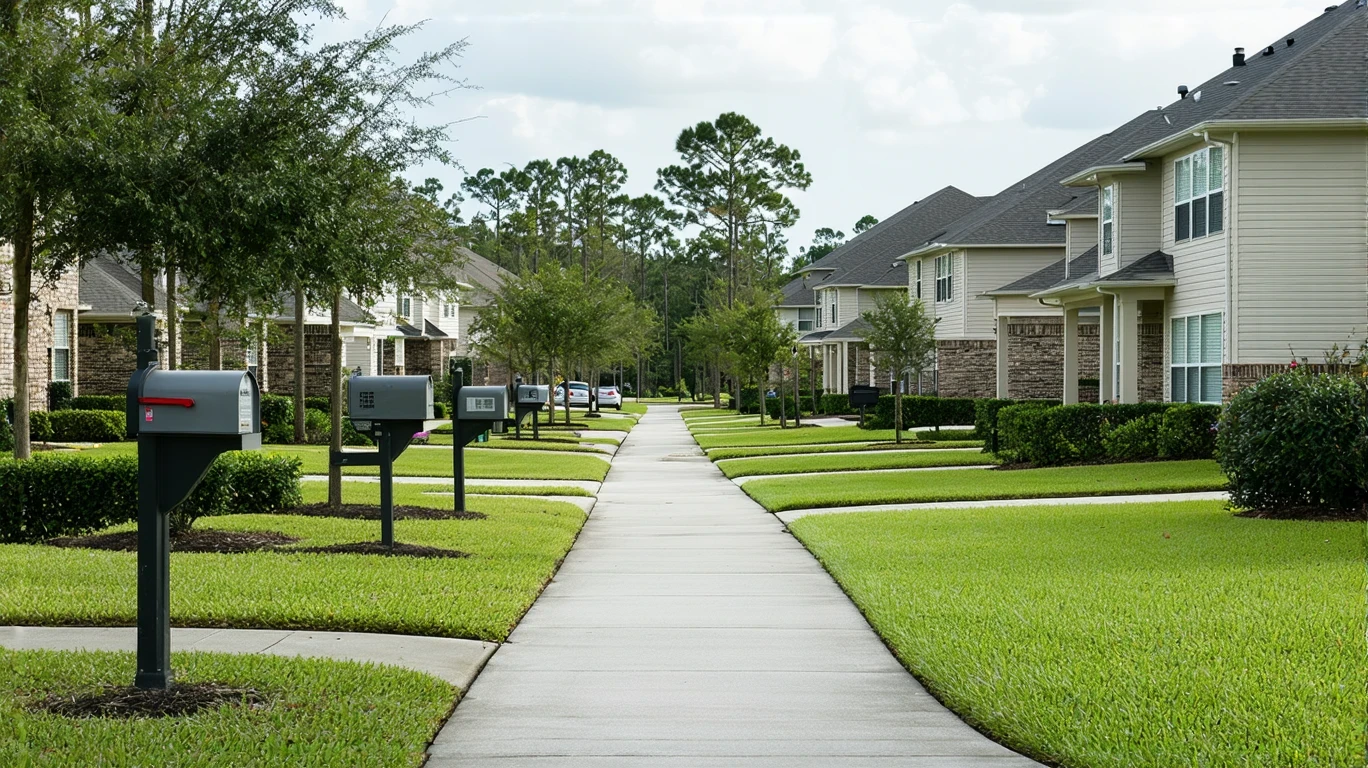
Lutz shows sparse food and grocery establishment density, with accessibility below typical thresholds. Brandon’s corridor-clustered pattern concentrates grocery options along main commercial routes, with grocery density exceeding high thresholds. The structural difference changes how households plan, shop, and spend. In Lutz, running out of milk or forgetting an ingredient often means a dedicated car trip to a big-box store or regional supermarket. In Brandon, corridor access means some households can hit multiple stores in a single loop, comparison-shop more easily, or duck into a closer option without adding significant drive time.
Sparse access in Lutz pushes households toward bulk shopping and fewer trips, which can reduce impulse spending but increases the stakes of each grocery run. Families managing larger volumes may appreciate the big-box focus, but single adults or couples buying for two often face waste or repetitive meals. Brandon’s corridor clustering supports more flexible shopping rhythms—grabbing fresh produce mid-week, splitting trips between discount and specialty stores, or picking up prepared foods without a separate errand. That flexibility can reduce waste but also introduces more opportunities for convenience spending creep.
Dining out and prepared food access follow similar patterns. Lutz’s car-oriented layout and limited food establishment density mean fewer casual walk-in options; dining out typically requires intentional trips. Brandon’s corridor concentration offers more grab-and-go visibility, which can feel convenient but also nudges households toward takeout or coffee stops that add up over weeks. Single adults and dual-income couples in Brandon may find themselves spending more on convenience without realizing it, while families in Lutz may feel the time cost of meal planning and bulk shopping more acutely.
Grocery takeaway: Lutz’s sparse access rewards households that plan ahead, buy in bulk, and tolerate car-dependent errands. Brandon’s corridor clustering reduces friction for households that value flexibility, variety, and mid-week top-ups, but that convenience can quietly increase spending on prepared foods and impulse purchases. The cost difference isn’t in prices—it’s in how access structure shapes habits, waste, and the invisible time cost of running out of something at the wrong moment.
Taxes and Fees: Predictable Baselines, Variable Add-Ons
Both Lutz and Brandon sit in the same county tax jurisdiction, so property tax rates and assessment practices don’t differ structurally. What varies is the interaction between home values and tax bills. Lutz’s higher median home value of $403,200 generates higher absolute property tax obligations for homeowners, even at identical millage rates. Brandon’s $266,400 median translates to lower annual tax bills, offering near-term relief for buyers stretching to afford a home. Over time, both cities experience assessment adjustments tied to market conditions, but Lutz homeowners face larger dollar swings when values rise.
HOA fees and special assessments introduce more variability. Lutz’s newer subdivisions often include mandatory HOAs covering landscaping, common area maintenance, and sometimes trash or water service. Monthly fees can range widely depending on amenities, but they add a recurring, non-negotiable line item that renters avoid entirely. Brandon’s older neighborhoods may lack HOAs altogether, reducing monthly obligations but shifting responsibility for exterior upkeep, lawn care, and stormwater management directly to homeowners. That tradeoff—predictable fees vs. unpredictable maintenance—affects cash flow planning differently for different households.
Renters in both cities sidestep property taxes and most HOA exposure, though landlords typically pass some costs through in rent pricing. Trash, water, and sewer fees may be bundled into rent or billed separately depending on property type. Single-family rentals in Lutz often include these costs in the lease, while Brandon’s multifamily buildings may charge separately, creating more visible monthly variability. Long-term residents planning to stay several years should weigh how tax exposure compounds in Lutz’s higher-value market versus how maintenance unpredictability plays out in Brandon’s older housing stock.
Tax and fee takeaway: Lutz’s higher home values generate higher property tax bills, and newer subdivisions often add HOA fees that increase predictability but reduce flexibility. Brandon’s lower home values mean lower tax obligations, and fewer HOAs mean more control over maintenance spending—but also more exposure to unexpected repair costs. Renters see minimal difference in tax exposure, but fee structures (bundled vs. separate billing) can affect monthly cash flow visibility.
Transportation & Commute Reality
Brandon reports an average commute time of 28 minutes, with 44.0% of workers experiencing long commutes and just 7.8% working from home. Lutz lacks published commute data, but its car-oriented infrastructure and sparse daily errands accessibility suggest similar or longer drive times for most workers. Both cities rely on bus-only transit service, with no rail access. Gas prices differ slightly: $2.90/gallon in Lutz, $2.78/gallon in Brandon. That $0.12 gap is negligible over a typical week, but the structural difference in how people move through each city matters more.
Lutz’s car-oriented texture means nearly every errand, appointment, and social trip requires driving. Pedestrian infrastructure sits below low thresholds, and bike-to-road ratios remain minimal. Households in Lutz should expect to own at least one vehicle per driver, budget for regular fuel and maintenance, and plan around the time cost of driving to groceries, healthcare, and recreation. Brandon’s walkable pockets and higher pedestrian-to-road ratio create limited opportunities to reduce car dependence in specific neighborhoods, but most households still rely on vehicles for work commutes and corridor-based errands. The difference is that some Brandon residents can occasionally walk to a park, bus stop, or nearby store—Lutz residents rarely can.
Commute friction in Brandon is well-documented: nearly half of workers face long commutes, and remote work remains uncommon. That pattern likely extends to Lutz, where job centers in Tampa and surrounding suburbs require highway access and tolerance for peak-hour congestion. Families with two working adults face compounded exposure—two commutes, two fuel budgets, two sets of wear-and-tear costs. Single adults working locally or remotely experience less transportation pressure, but Lutz’s sparse errands access means even non-commuters drive frequently for daily needs.
Transportation takeaway: Both cities demand car ownership and tolerance for driving as the primary mobility mode. Brandon’s documented long commutes and low remote work rate signal significant time and fuel exposure for workers. Lutz likely mirrors that pattern, with added friction from sparse errands access that turns every grocery run or pharmacy stop into a dedicated car trip. The $0.12 gas price difference is irrelevant compared to the structural reality: both cities are built for cars, and households without reliable vehicles face isolation and logistical strain.
Cost Structure Comparison
Housing dominates the cost experience in both cities, but the pressure shows up differently. Lutz front-loads cost in the purchase price, rewarding households that can clear the $403,200 median with newer construction, lower maintenance volatility, and more predictable utility performance. Brandon spreads pressure across lower entry costs, older housing stock, and higher exposure to repair unpredictability. Renters face near-identical monthly obligations, but the housing form—newer complexes in Lutz, older multifamily or single-family conversions in Brandon—shapes utilities, commute patterns, and daily logistics in ways that ripple through the rest of the budget.
Utilities introduce more volatility in Brandon, where slightly higher electricity rates and older housing stock compound seasonal cooling exposure. Lutz’s lower natural gas price and prevalence of newer builds create more stable monthly costs, especially for larger homes. The difference isn’t dramatic, but it accumulates over time—households in Brandon’s older homes may see higher summer bills despite similar usage, while Lutz households enjoy the efficiency dividend of recent construction standards.
Transportation patterns matter more in Lutz, where sparse errands accessibility and car-oriented infrastructure turn every daily task into a driving trip. Brandon’s corridor-clustered groceries and walkable pockets reduce friction for some households, though most still rely on cars for work commutes and broader access. The documented long commute rate in Brandon (44.0%) signals significant time and fuel exposure, likely mirrored in Lutz despite missing data. Both cities penalize households without reliable vehicles, but Lutz’s layout makes car dependence more absolute.
Daily living and grocery costs differ less in price than in access structure. Lutz’s sparse food establishment density rewards bulk shopping and planning, reducing impulse spending but increasing the time cost of forgetting an ingredient. Brandon’s corridor clustering supports more flexible shopping rhythms, which can reduce waste but also nudges households toward convenience spending on prepared foods and takeout. Single adults and couples in Brandon may spend more on grab-and-go options without noticing; families in Lutz may feel the planning burden more acutely but spend less on impulse purchases.
The better choice depends on which costs dominate your household. Households sensitive to housing entry barriers may prefer Brandon’s lower home values, accepting older housing stock and higher utility volatility in exchange for near-term affordability. Households prioritizing predictability and lower ongoing friction may prefer Lutz’s newer construction and stable utility costs, tolerating higher purchase prices and car-dependent errands. For renters, the difference is less about monthly rent and more about housing form, commute friction, and how much time you spend driving to meet daily needs.
How the Same Income Feels in Lutz vs Brandon
Single Adult
Housing becomes non-negotiable first, consuming a similar share of gross monthly income in both cities due to near-identical rent. Flexibility exists in grocery spending and dining out, but Lutz’s sparse errands access forces more bulk shopping and planning, reducing spontaneous spending but increasing time cost. Brandon’s corridor-clustered groceries and walkable pockets create more opportunities for convenience purchases, which can feel easier day-to-day but quietly increase monthly spending. Car dependence is absolute in both cities, but Lutz’s layout means every errand requires driving, while Brandon offers occasional walk-to options that reduce fuel and time exposure for some residents.
Dual-Income Couple
Housing entry costs diverge sharply for buyers: Lutz’s higher home values require larger down payments and monthly mortgage obligations, while Brandon’s lower values open homeownership to couples with tighter budgets. Renters face similar monthly housing costs, but Lutz’s newer stock reduces maintenance friction and utility volatility, while Brandon’s older builds may introduce unexpected repair exposure. Commute friction compounds with two workers: both cities demand car ownership, and Brandon’s documented long commute rate (44.0%) signals significant time and fuel exposure that likely extends to Lutz. Flexibility disappears when both partners commute, leaving little room for errands, meal prep, or schedule adjustments without adding weekend driving.
Family with Kids
Housing space becomes non-negotiable, and Lutz’s higher home values buy newer construction with lower near-term maintenance and utility volatility, while Brandon’s lower entry costs leave more budget flexibility for other needs but increase exposure to older-home repair surprises. Both cities show limited family infrastructure—school and playground density sit below thresholds—so families rely on cars for extracurriculars, playdates, and appointments regardless of location. Grocery planning matters more in Lutz, where sparse access rewards bulk shopping and reduces mid-week flexibility; Brandon’s corridor clustering supports more frequent top-ups but increases exposure to convenience spending creep. Time cost dominates in both cities: car-dependent errands, long commutes, and limited walkability mean families spend significant hours each week driving, reducing schedule flexibility and increasing the invisible cost of managing household logistics.
Decision Matrix: Which City Fits Which Household?
| Decision Factor | If You’re Sensitive to This… | Lutz Tends to Fit When… | Brandon Tends to Fit When… |
|---|---|---|---|
| Housing entry + space needs | Down payment size, monthly mortgage obligation, maintenance predictability | You can clear the higher purchase price and value newer construction with lower near-term repair exposure | You prioritize lower entry costs and accept older housing stock with higher maintenance volatility |
| Transportation dependence + commute friction | Daily driving burden, fuel costs, time spent in car, walkability | You tolerate absolute car dependence and sparse errands access in exchange for newer residential neighborhoods | You value occasional walkable pockets and corridor access that reduce some driving, despite documented long commutes |
| Utility variability + home size exposure | Seasonal bill swings, cooling costs, efficiency of housing stock | You prioritize stable utility costs enabled by newer construction and lower natural gas pricing | You accept higher seasonal volatility from older homes and slightly higher electricity rates in exchange for lower housing entry costs |
| Grocery strategy + convenience spending creep | Shopping flexibility, impulse purchases, time cost of errands | You plan ahead, buy in bulk, and tolerate dedicated car trips for groceries to avoid convenience spending | You value mid-week flexibility and corridor access, accepting higher exposure to grab-and-go and prepared food spending |
| Fees + friction costs (HOA, services, upkeep) | Predictable monthly fees vs. unpredictable maintenance, control over spending | You prefer predictable HOA fees that bundle services and reduce maintenance decision-making | You prefer lower or no HOA fees and accept direct responsibility for upkeep and unexpected repair costs |
| Time budget (schedule flexibility, errands, logistics) | Hours spent driving, ability to walk or bike occasionally, household logistics complexity | You tolerate car-dependent logistics and sparse errands access in exchange for newer housing and hospital presence | You value occasional walkability and corridor-clustered errands that reduce some driving friction, despite limited family infrastructure |
Lifestyle Fit: What Daily Life Actually Feels Like
Lutz’s car-oriented texture and sparse daily errands accessibility mean most residents drive for groceries, healthcare, and recreation. Pedestrian infrastructure sits below low thresholds, and bike-to-road ratios remain minimal, so walking or biking for transportation is rare. The city does offer moderate park density and water features, providing outdoor access for families and individuals seeking green space, but reaching those parks almost always requires driving. Hospital presence in Lutz offers a healthcare access advantage over Brandon, where residents rely on clinics and pharmacies for routine care. For families prioritizing proximity to emergency and specialized medical services, Lutz’s hospital infrastructure reduces travel time and logistical friction during health crises.
Brandon’s walkable pockets and corridor-clustered groceries create limited opportunities to reduce car dependence in specific neighborhoods. The pedestrian-to-road ratio exceeds high thresholds in parts of the city, meaning some residents can walk to bus stops, parks, or nearby stores. That said, most households still rely on cars for work commutes and broader errands. Brandon’s grocery density exceeds high thresholds along commercial corridors, offering more variety and flexibility for households that shop frequently or prefer splitting trips between discount and specialty stores. Park density sits in a moderate range, similar to Lutz, with water features present. Both cities show limited family infrastructure—school and playground density fall below thresholds—so families rely on cars for extracurriculars and appointments regardless of location.
Commute times in Brandon average 28 minutes, with 44.0% of workers facing long commutes and just 7.8% working from home. That pattern likely extends to Lutz, where job centers in Tampa and surrounding suburbs require highway access and tolerance for peak-hour congestion. Both cities feature low-rise building profiles and mixed residential-commercial land use, creating suburban neighborhoods with pockets of commercial activity rather than dense urban cores. The lifestyle difference isn’t about walkability or transit access—it’s about how much friction you tolerate in daily logistics and whether you value newer housing stock and hospital presence (Lutz) or lower entry costs and occasional walkable access (Brandon).
Lutz offers hospital access and newer housing stock, reducing healthcare travel time and maintenance friction. Brandon’s corridor-clustered groceries and walkable pockets reduce some driving, but most residents still depend on cars for work and errands.
Common Questions About Lutz vs Brandon in 2026
Is Lutz or Brandon better for first-time homebuyers in 2026? Brandon’s lower median home value of $266,400 creates a lower entry barrier for first-time buyers, requiring smaller down payments and reducing monthly mortgage obligations. Lutz’s $403,200 median demands more upfront cash and higher monthly payments, but rewards buyers with newer construction and lower near-term maintenance exposure. The better choice depends on whether you prioritize lower entry costs (Brandon) or long-term predictability and newer housing stock (Lutz).
How do commute patterns differ between Lutz and Brandon in 2026? Brandon reports an average commute time of 28 minutes, with 44.0% of workers experiencing long commutes and just 7.8% working from home. Lutz lacks published commute data, but its car-oriented infrastructure and proximity to similar Tampa-area job centers suggest comparable or longer drive times. Both cities rely on bus-only transit and demand car ownership for most workers. The structural difference is that Brandon’s walkable pockets offer occasional relief from driving for non-work errands, while Lutz’s sparse errands access makes nearly every trip car-dependent.
Which city has lower utility costs, Lutz or Brandon, in 2026? Lutz’s electricity rate of 15.02¢/kWh and natural gas price of $23.62/MCF create lower baseline utility costs compared to Brandon’s 15.70¢/kWh electricity rate and $32.82/MCF natural gas price. However, housing stock age matters more than rates: Lutz’s newer construction tends to run more efficiently, reducing cooling exposure during Florida’s extended summer. Brandon’s older housing stock may amplify the impact of slightly higher rates, increasing seasonal volatility. Households in newer Lutz homes experience more predictable bills; those in older Brandon homes face higher summer exposure.
Does Lutz or Brandon offer better grocery access in 2026? Brandon’s corridor-clustered grocery pattern concentrates options along main commercial routes, with grocery density exceeding high thresholds. Lutz shows sparse food and grocery establishment density, with accessibility below typical thresholds. Brandon’s layout supports more flexible shopping rhythms—mid-week top-ups, comparison shopping, or grabbing fresh produce without a dedicated trip. Lutz’s sparse access rewards bulk shopping and planning, reducing impulse spending but increasing the time cost of running out of something. The difference isn’t price—it’s how access structure shapes habits, waste, and convenience spending.
Which city is better for families with kids, Lutz or Brandon, in 2026? Both cities show limited family infrastructure, with school and playground density below thresholds. Families in both locations rely on cars for extracurriculars, playdates, and appointments. Lutz offers hospital presence, reducing healthcare travel time during emergencies. Brandon’s lower home values leave more budget flexibility for other family needs, but older housing stock may introduce maintenance surprises. Lutz’s newer construction and stable utility costs appeal to families prioritizing predictability, while Brandon’s lower entry costs suit families stretching to afford space. Neither city offers a clear family-infrastructure advantage—the choice depends on housing budget and tolerance for car-dependent logistics.
Conclusion
Lutz and Brandon sit in the same metro, share the same regional economy, and face similar climate exposure. Yet the cost experience diverges sharply depending on whether you’re buying or renting, how you commute, and how much friction you tolerate in daily errands. Lutz front-loads cost in higher home values, rewarding households that can clear the entry barrier with newer construction, lower utility