
Can you live in Louisville without a car? The answer depends almost entirely on where you settle and how you structure your day. Louisville is a city of contrasts: walkable pockets with rail access and cycling infrastructure coexist alongside sprawling neighborhoods where driving is the only practical option. Understanding how people actually get around here—and who benefits from transit versus who absorbs car dependence—is essential before you commit to a lease or a mortgage.
This article explains transportation options in Louisville, the realities of commuting, and how mobility shapes daily life and household logistics in 2026.
How People Get Around Louisville
Louisville’s transportation landscape reflects its geography: a more vertical, mixed-use core surrounded by lower-density residential areas. The dominant pattern is car-first, but transit plays a meaningful role for those who live near rail lines or along major corridors. Pedestrian infrastructure is substantial in parts of the city, and cycling infrastructure is notably present, but these advantages are unevenly distributed.
Newcomers often underestimate how much neighborhood choice determines mobility. Living downtown or near a transit corridor can mean walking to errands, biking to work, or catching a train without planning your day around a car. Living a few miles out often means the opposite: every trip requires driving, parking becomes a daily consideration, and transit stops being a realistic option.
The city’s layout rewards proximity. If you’re within the walkable core or along a well-served corridor, you gain flexibility and control. If you’re outside those zones, you trade convenience for space, and transportation becomes a structural cost you manage rather than avoid.
Public Transit Availability in Louisville
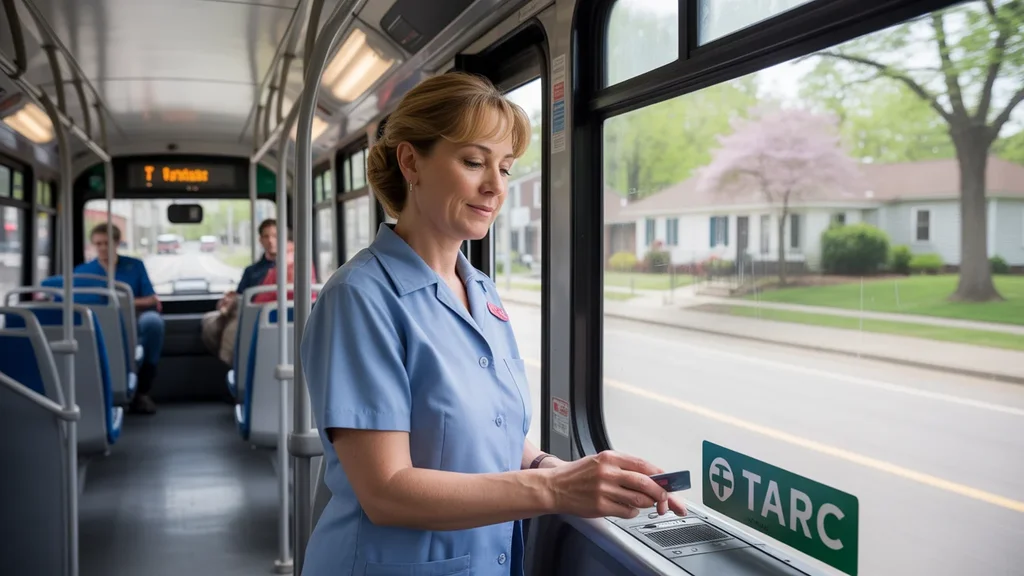
Public transit in Louisville includes rail service and bus routes, with coverage concentrated in the core and along key corridors. Rail transit is present and serves residents who live near stations, offering a reliable alternative to driving for work commutes and errands. Bus service extends farther but tends to work best for those whose destinations align with established routes.
Transit works well in the urban core and along corridors where food and grocery options are already clustered. In these areas, transit supports daily errands and reduces the need for a car. Outside these zones—particularly in suburban neighborhoods—coverage thins, frequencies drop, and the time cost of waiting and transferring makes driving the faster, more predictable choice.
Late-night and weekend service is more limited, which matters for shift workers, service industry employees, and anyone whose schedule doesn’t align with traditional commute hours. For households in peripheral neighborhoods, transit often functions as a backup rather than a primary mode.
Driving & Car Dependence Reality
For most Louisville residents, driving is not optional—it’s the default. The city’s development pattern favors cars outside the core, and even neighborhoods with some pedestrian infrastructure often lack the density or mixed-use character needed to support car-free living.
Parking is generally available and less expensive than in larger metros, but it’s still a factor in daily logistics. Commuters who drive face predictable patterns: morning and evening peaks slow major routes, but congestion is rarely severe. The real cost of driving in Louisville isn’t traffic—it’s the structural dependence. Once you own a car, it becomes the easiest way to handle groceries, errands, appointments, and social plans, even if transit could technically serve some of those trips.
Sprawl reinforces this dependence. Residential areas, shopping centers, and employment hubs are often separated by distances that make walking impractical and cycling uncomfortable for many households. The result is a city where flexibility and spontaneity often require four wheels.
Commuting Patterns & Daily Mobility
Commuting in Louisville varies widely by neighborhood and job location. Workers who live near rail stations or along bus corridors can structure their commutes around transit, avoiding parking costs and gaining time to read, work, or rest. Workers in peripheral neighborhoods or whose jobs are outside the core typically drive, and their commutes are shaped by distance, route options, and peak-hour timing.
Multi-stop commutes—dropping kids at school, running errands before or after work—favor driving. Single-destination commutes between transit-served areas favor rail or bus. Households with flexible schedules or remote work options gain the most freedom, since they can choose when and how often they need to move around the city.
Daily mobility in Louisville often means navigating a tension between proximity and affordability. Living close to work or transit typically costs more in rent or mortgage payments. Living farther out reduces housing pressure but increases time, fuel exposure, and the need for a reliable vehicle.
Who Transit Works For—and Who It Doesn’t
Transit in Louisville works best for renters and owners who live in the urban core or along well-served corridors, work near rail stations or bus routes, and structure their errands around walkable or transit-accessible destinations. For these households, transit reduces car dependence, lowers transportation exposure, and simplifies daily logistics.
Transit works less well for families in suburban neighborhoods, workers whose jobs are outside the core, and anyone whose schedule requires frequent trips at off-peak hours. For these households, driving is faster, more predictable, and often the only practical option.
The distinction isn’t about preference—it’s about structure. Louisville’s transit network serves specific corridors and nodes well, but it doesn’t blanket the city. Households who can align their housing, work, and errands with that network benefit. Households who can’t absorb the time and friction costs of car dependence.
Transportation Tradeoffs in Louisville
Choosing between transit and driving in Louisville means weighing predictability, control, flexibility, and exposure. Transit offers lower direct costs and eliminates parking logistics, but it requires living in the right neighborhood and accepting schedule constraints. Driving offers flexibility and speed but introduces fuel exposure, maintenance needs, and the structural cost of vehicle ownership.
For households deciding where to live, transportation tradeoffs shape housing choice. Proximity to transit or walkable corridors commands a premium, but it reduces long-term transportation friction. Peripheral neighborhoods offer more space and lower rents, but they lock in car dependence and the ongoing costs that come with it.
The tradeoff isn’t static. Gas prices in Louisville currently sit at $2.57 per gallon, which is relatively moderate, but fuel exposure grows with commute distance and frequency. Households who drive daily face more volatility than those who drive occasionally or not at all.
FAQs About Transportation in Louisville (2026)
Is public transit usable for daily commuting in Louisville?
Yes, if you live near rail stations or along major bus corridors and your job is also transit-accessible. Transit works well in the core and along established routes, but coverage is limited in suburban areas and during off-peak hours.
Do most people in Louisville rely on a car?
Yes. Most Louisville residents drive for daily errands, commuting, and household logistics. Transit serves a meaningful role in the core and along corridors, but the city’s layout and development pattern favor car dependence outside those zones.
Which areas of Louisville are easiest to live in without a car?
The urban core and neighborhoods along rail lines or major bus corridors offer the most car-free viability. These areas combine transit access, walkable errands, and cycling infrastructure, reducing the need for daily driving.
How does commuting in Louisville compare to nearby cities?
Louisville’s commuting patterns reflect a mid-sized city with rail transit and corridor-based bus service. Compared to larger metros, congestion is lighter and parking is easier. Compared to smaller towns, transit options are more robust, but car dependence remains the norm outside the core.
Can you bike for transportation in Louisville?
Yes, particularly in areas with notable cycling infrastructure. Biking works best in the core and along protected routes, but infrastructure is unevenly distributed. Suburban areas and high-speed corridors are less bike-friendly.
How Transportation Fits Into the Cost of Living in Louisville
Transportation in Louisville isn’t just a line item—it’s a structural factor that shapes where you live, how you spend your time, and how much control you have over daily logistics. Households who live near transit or in walkable corridors reduce their exposure to fuel volatility, vehicle maintenance, and the time cost of driving. Households in peripheral neighborhoods gain space and lower housing costs but absorb higher transportation friction and ongoing car expenses.
For a fuller picture of how transportation costs interact with housing, utilities, and day-to-day costs, see the monthly budget breakdown. That article walks through how proximity, commute patterns, and mobility choices affect household cash flow and financial predictability.
Louisville offers real transportation options, but they’re geographically concentrated. Understanding where transit works, where driving is necessary, and how neighborhood choice determines mobility will help you make a confident, grounded decision about where to live and how to structure your household.
How this article was built: In addition to public economic data, this article incorporates location-based experiential signals derived from anonymized geographic patterns—such as access density, walkability, and land-use mix—to reflect how day-to-day living actually feels in Louisville, KY.