
“It’s the kind of place where you can walk to a great coffee shop and still feel like you’re in a real neighborhood—but you pay dearly for that privilege.” That tension—between charm and cost, between access and exclusivity—defines the emotional landscape of Los Altos. This isn’t a city that tries to be everything to everyone. It’s quiet, green, and family-focused, with walkable pockets and excellent schools. But it’s also expensive, low-key to the point of sleepy for some, and unapologetically suburban. Whether Los Altos feels like home or like a gilded cage depends entirely on what you’re optimizing for.
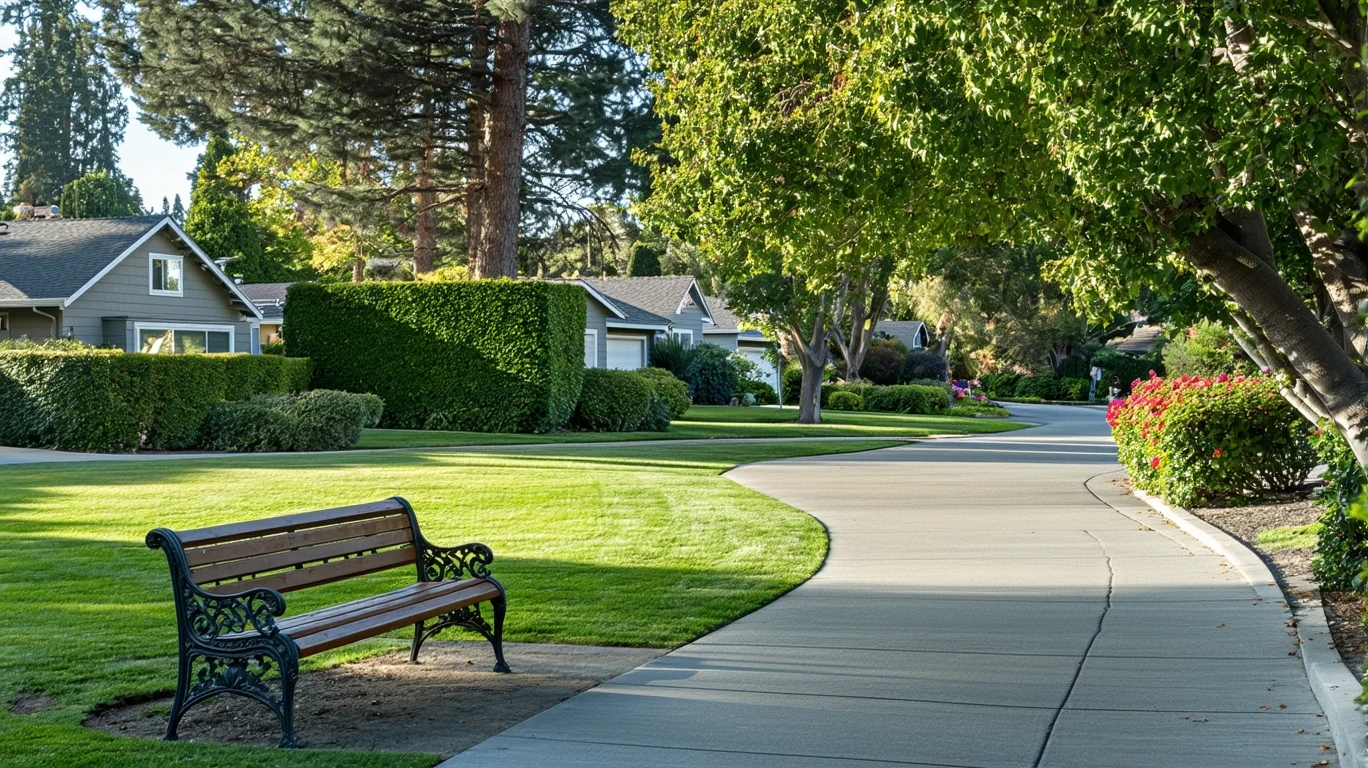
The Emotional Landscape of Los Altos
Los Altos sits in the heart of Silicon Valley, but it doesn’t feel like the rest of the tech corridor. There’s no flashy downtown, no high-rise skyline, no late-night energy. Instead, the city offers tree-lined streets, mid-century homes mixed with newer construction, and a rhythm that favors farmers’ markets over nightclubs. The median household income here is $250,001 per year, and the median home value is $2,000,001—numbers that immediately signal who can afford to live here and who can’t.
For families who value excellent schools, safe streets, and easy access to groceries and parks, Los Altos delivers. The city’s infrastructure reflects this: park density exceeds high thresholds, food and grocery establishments are broadly accessible, and pedestrian-to-road ratios support walkability in certain areas. But for young professionals seeking nightlife, renters looking for affordability, or anyone craving urban texture and spontaneity, Los Altos can feel limiting. The tradeoff is clear: you get comfort, predictability, and a strong sense of community—but you sacrifice variety, density, and the kind of serendipity that comes with mixed-use urban neighborhoods.
Social Media Buzz in Los Altos
Online discussions about Los Altos tend to orbit around a few recurring themes: pride in the schools, frustration with housing costs, protectiveness over the city’s quiet character, and occasional fatigue with the lack of things to do after dark. On platforms like Reddit and local Facebook groups, residents often express gratitude for the city’s family-friendly infrastructure and green space, but also acknowledge the financial pressure required to stay.
“We love the parks and the schools, but we’re basically house-poor. It’s worth it for now, but I don’t know how sustainable this is long-term.”
“If you want nightlife or culture, you’re driving to San Francisco or San Jose. Los Altos is for people who are done with that phase of life.”
“The walkability here is better than people think—if you’re near downtown, you can actually run errands on foot. But it’s still very car-dependent overall.”
The tone is rarely angry, but it’s often wistful. People who chose Los Altos for its schools and safety tend to feel validated. People who ended up here for work but crave more urban energy tend to feel restless.
Local News Tone
Local coverage of Los Altos tends to frame the city through the lens of preservation, growth tension, and community identity. Headlines and story themes often reflect debates about what kind of change is acceptable and what threatens the city’s character. You’ll see recurring topic buckets like:
- “Community Debates What Growth Should Look Like”
- “New Amenities Arrive as Town Identity Evolves”
- “Residents Weigh Convenience vs Quiet”
- “School Funding and Performance Remain Central to Local Priorities”
- “Green Space and Walkability Efforts Gain Attention”
The framing is rarely alarmist. Instead, it reflects a community that’s protective of what it has but aware that staying static isn’t an option. The tone is cautious optimism mixed with vigilance—change is fine, as long as it doesn’t disrupt the qualities that attracted people here in the first place.
Review-Based Public Perception
On platforms like Google Reviews, Yelp, and Nextdoor, Los Altos earns praise for its cleanliness, safety, and access to quality groceries and services. People who wanted a quiet, family-oriented suburb with good schools tend to feel they got exactly what they paid for. But those who expected more urban texture, nightlife, or affordability tend to express disappointment.
Positive reviews often highlight:
- Excellent schools and family infrastructure
- Well-maintained parks and green space
- Walkable downtown area with cafes and boutiques
- Safe, quiet neighborhoods with a strong sense of community
Critical reviews often mention:
- High cost of living with limited housing options
- Lack of nightlife, entertainment, and cultural variety
- Car dependency outside of the downtown core
- Feeling of exclusivity that can read as unwelcoming to newcomers
Neighborhood variation exists but is often described in broad terms: newer planned areas tend to feel more uniform and car-oriented, while older pockets near downtown offer more walkability and architectural character. Expectations matter here—if you’re comparing Los Altos to Palo Alto or Mountain View, you’ll notice the quieter pace. If you’re comparing it to a dense urban neighborhood, the contrast is even sharper.
Comparison to Nearby Cities
| Aspect | Los Altos | Mountain View | Palo Alto |
|---|---|---|---|
| Overall Vibe | Quiet, family-focused, suburban | Tech-forward, walkable downtown, younger energy | Prestigious, academic, polished but pricey |
| Walkability | Pockets near downtown, otherwise car-dependent | Strong downtown core with transit access | Walkable near Stanford and downtown |
| Nightlife | Minimal—cafes and early closures | Moderate—bars, restaurants, late hours | Limited but more variety than Los Altos |
| Family Appeal | Very high—schools and parks prioritized | Moderate—good schools but more transient feel | Very high—academic culture, strong schools |
| Cost Pressure | Extremely high—ownership-focused | High but more rental options | Extremely high—prestige premium |
If you’re drawn to Los Altos, you’re likely prioritizing schools, safety, and a slower pace over nightlife and urban density. If you need more walkability and transit access, Mountain View offers a stronger downtown core with Caltrain and light rail. If you want academic prestige and proximity to Stanford, Palo Alto delivers that—but at an even higher cost. Los Altos sits in the middle: quieter than Mountain View, less prestigious than Palo Alto, but still deeply expensive and family-oriented.
What Locals Are Saying
“We moved here for the schools and we’re not disappointed. The parks are beautiful, the neighborhoods feel safe, and our kids can bike to their friends’ houses. But we’re spending way more than we thought we would, and there’s not much to do on a Friday night.”
“I work in tech and live here because it’s close to the office and quiet. But honestly, it feels a bit sterile. I drive to San Jose or SF when I want to feel like I’m in a city.”
“As a retiree, Los Altos is perfect. I can walk to the farmers’ market, the library, and a few good restaurants. I don’t need nightlife, and I appreciate the peace.”
“We’re renters here and it’s tough. The cost is brutal, and we don’t feel like we’re part of the ‘real’ Los Altos—the homeowners who’ve been here for decades. It’s a nice place, but it doesn’t feel like ours.”
“I’ve lived here for 20 years and I’ve watched it change. It’s still quiet and green, but the housing pressure is insane. My kids can’t afford to stay here, and that’s heartbreaking.”
“If you’re a young family with tech money, this is the dream. If you’re anyone else, it’s a stretch. The quality of life is high, but the barrier to entry is brutal.”
“The walkability is better than people give it credit for—if you’re near downtown. But most of the city is still very car-dependent, and that’s frustrating if you’re trying to reduce driving.”
Does Los Altos Feel Like a Good Fit?
Los Altos doesn’t try to be all things to all people. It’s a city that rewards families who can afford the entry price and who value schools, safety, and green space over nightlife and urban texture. If you’re in that phase of life—established career, kids in school, prioritizing stability—Los Altos delivers. The infrastructure supports that lifestyle: broadly accessible groceries, integrated parks, moderate school density, and walkable pockets near downtown.
But if you’re a young professional seeking spontaneity, a renter feeling priced out, or someone who thrives on cultural variety and late-night energy, Los Altos will likely feel limiting. The city’s quiet character is a feature for some and a bug for others. The housing pressure is real, the cost of entry is high, and the tradeoff is clear: comfort and predictability in exchange for variety and density.
Understanding where money goes in Los Altos helps clarify whether the city’s strengths align with your priorities. And if you’re weighing what ‘enough’ actually means in terms of quality of life, Los Altos offers a specific answer: enough means excellent schools, safe streets, and green space—but it also means accepting a quieter, more expensive, and less spontaneous way of life.
How this article was built: In addition to public economic data, this article incorporates location-based experiential signals derived from anonymized geographic patterns—such as access density, walkability, and land-use mix—to reflect how day-to-day living actually feels in Los Altos, CA.
The perspectives shown reflect commonly expressed local sentiment and recurring themes in public discussion, rather than individual accounts.