
“We moved to Livonia for the schools, but stayed for the neighbors.”
That sentiment captures much of what defines life in Livonia, MI — a city where suburban predictability, family-oriented infrastructure, and accessible green space create a rhythm that feels rewarding to some and limiting to others. Understanding whether Livonia fits your emotional needs requires looking past the tidy lawns and into the tradeoffs that shape daily life here.
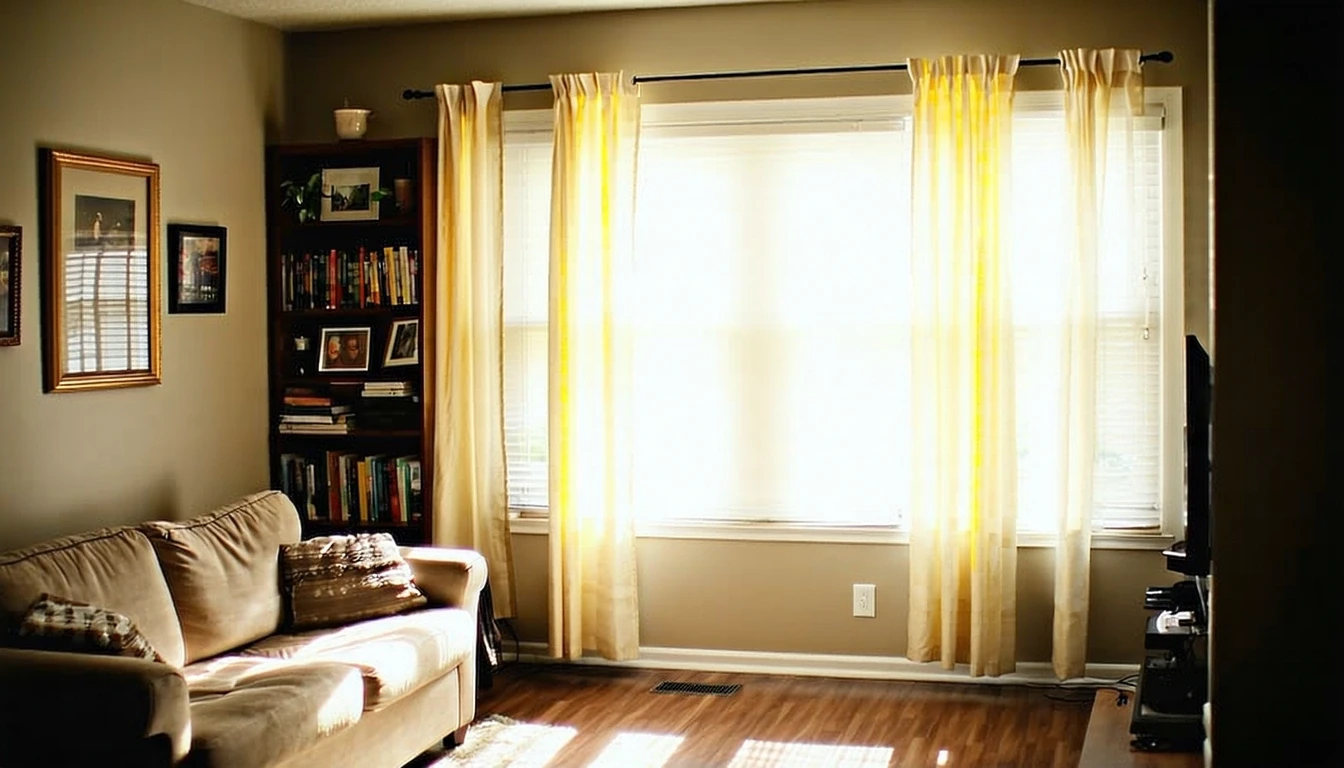
What It Feels Like to Live in Livonia
Livonia is a city built around stability. With integrated parks, well-maintained neighborhoods, and a low-rise character that preserves a residential feel, it appeals strongly to families, retirees, and homeowners who want space, quiet, and predictability. The city’s walkable pockets and corridor-clustered errands accessibility mean you can find moments of pedestrian-friendly living, but the overall texture leans car-dependent. Public transit exists in the form of bus service, but most residents drive for daily needs.
What tends to feel rewarding here: the abundance of parks and outdoor space, the sense of neighborly continuity, the family infrastructure that supports school-age children, and the breathing room that comes with single-family homes and yards. What tends to feel limiting: the lack of a walkable downtown core, the reliance on driving for most errands, the quiet that can tip into monotony for those seeking spontaneity or nightlife, and the corridor-based commercial layout that doesn’t offer the texture of mixed-use neighborhoods.
People who feel “at home” in Livonia tend to prioritize routine, outdoor access, and family-focused amenities over urban vibrancy. People who feel restless here often crave walkability, cultural variety, and the kind of street-level energy that comes with denser, mixed-use environments.
Social Media Buzz in Livonia
Online conversations about Livonia often revolve around pride in the city’s parks, frustration with traffic along commercial corridors, and protective affection for the neighborhood character. On platforms like Facebook and Reddit, residents discuss what’s changing and what they hope stays the same. The tone is rarely dramatic — more often, it’s practical, grounded, and focused on day-to-day logistics.
“It’s not flashy, but it works. Good parks, decent schools, and you can actually park your car when you get home.”
“I miss having a downtown to walk to. Everything’s spread out, and it feels like you’re always driving.”
“The green space here is underrated. We use the parks constantly, and it makes a huge difference with kids.”
Recurring themes include appreciation for the city’s maintenance and cleanliness, mild annoyance at the lack of walkable commercial districts, and ongoing debate about how much development is too much. The emotional tone is protective — people like what Livonia offers and worry about losing it, but they also recognize the tradeoffs that come with suburban structure.
Local News Tone
Coverage of Livonia tends to frame the city through the lens of steady management, community events, and incremental change. The tone is rarely urgent or crisis-driven; instead, it reflects a city where infrastructure, schools, and parks are the main characters. When change does come up, it’s often framed as a question of balance: how to grow without losing the qualities that drew people here in the first place.
Typical discussion categories include:
- “Community Debates What Growth Should Look Like”
- “New Retail Arrives Along Familiar Corridors”
- “Residents Weigh Convenience vs Quiet”
- “Parks and Recreation Investments Continue”
- “Schools Remain a Draw for Families”
The framing reflects a city that values continuity and careful planning over rapid transformation. For readers who want stability and predictability, this tone feels reassuring. For those seeking dynamism or cultural shift, it can feel stagnant.
Review-Based Public Perception
On platforms like Google Reviews, Yelp, and Nextdoor, Livonia earns consistent praise for its parks, family-friendly amenities, and well-kept neighborhoods. Complaints tend to focus on the lack of walkability, the car-dependent layout, and the limited variety in dining and entertainment options.
Positive reviews often highlight:
- Accessible green space and well-maintained parks
- Safe, quiet neighborhoods with a strong sense of community
- Good schools and family infrastructure
- Proximity to Detroit metro opportunities without the density
Critical reviews often mention:
- Lack of a walkable downtown or central gathering place
- Reliance on driving for errands and social activities
- Limited nightlife and cultural variety
- Corridor-based commercial layout that feels spread out
The pattern is clear: Livonia delivers well on suburban comfort, outdoor access, and family needs. It underdelivers on walkability, spontaneity, and urban texture. Expectation matching is key — people who wanted a quiet, spacious, park-rich suburb tend to feel satisfied. People who wanted a vibrant, walkable, mixed-use environment tend to feel disappointed.
Comparison to Nearby Cities
| Dimension | Livonia | Farmington Hills | Canton |
|---|---|---|---|
| Overall Vibe | Stable, family-focused, park-rich | Slightly more upscale, mixed suburban character | Growing, newer feel, family-oriented |
| Walkability | Pockets exist, mostly car-dependent | Similar, some walkable areas near downtown Farmington | Very car-dependent, newer development patterns |
| Parks & Green Space | Highly integrated, strong access | Good access, less emphasized | Growing park system, newer facilities |
| Family Infrastructure | Present, schools and playgrounds available | Strong, similar family focus | Strong, newer schools and amenities |
| Emotional Tone | Protective, steady, community-oriented | Aspirational, slightly more dynamic | Optimistic, growth-focused |
Livonia sits comfortably in the middle of the Detroit metro suburban spectrum. Compared to Farmington Hills, it feels slightly more grounded and less aspirational — less focused on upscale amenities, more focused on parks and continuity. Compared to Canton, Livonia feels more established and less growth-driven — older neighborhoods, more mature trees, a stronger sense of settled identity.
If you value stability, green space, and a well-worn suburban rhythm, Livonia may feel more aligned than its neighbors. If you want newer construction, more upscale retail, or a sense of forward momentum, Farmington Hills or Canton might offer a better match. None of these cities will satisfy someone seeking dense, walkable urbanism — but Livonia’s walkable pockets and park integration give it a slight edge for those who want occasional pedestrian moments within a car-oriented framework.
What Locals Are Saying
“I grew up here and came back to raise my own kids. The parks are amazing, the neighbors are solid, and it just feels like home. It’s not exciting, but that’s kind of the point.”
“We love the green space and the quiet, but I do wish there was somewhere to walk to for coffee or dinner. Everything requires a drive, and that gets old.”
“Livonia is perfect for us as retirees. We have a yard, the healthcare is accessible, and we’re close enough to Detroit if we want culture, but far enough to feel peaceful.”
“As a young professional, I feel a bit stuck. It’s affordable and safe, but there’s no nightlife, no walkable downtown, and I’m always in my car. I’m here because it’s practical, not because it’s thrilling.”
“The schools are good, the parks are everywhere, and our kids have friends on every block. We’re not going anywhere.”
“I moved here from a denser city and the adjustment was hard. Everything feels far apart, and I miss being able to walk to things. But the space and the quiet are growing on me.”
“It’s a great place to own a home and settle down. If you’re renting or looking for a more urban vibe, you’ll probably feel out of place.”
Does Livonia Feel Like a Good Fit?
Livonia’s emotional profile is built around suburban stability, family infrastructure, and accessible green space. It tends to work well for families with school-age children, retirees seeking quiet and outdoor access, and homeowners who prioritize yard space and low-rise character. It tends to frustrate urbanites seeking walkable downtowns, car-free households, and renters looking for dense, mixed-use neighborhoods.
The city’s walkable pockets and integrated parks offer moments of pedestrian-friendly living, but the overall structure is car-dependent and corridor-based. If you value predictability, outdoor space, and neighborly continuity, Livonia delivers. If you crave spontaneity, cultural variety, and street-level vibrancy, you’ll likely feel the friction.
Understanding whether Livonia fits your needs requires honest reflection on what you’re willing to trade. Space for walkability. Quiet for energy. Stability for change. The city doesn’t try to be everything — it knows what it is, and it does that well. The question is whether what it offers aligns with what you need.
For a deeper look at monthly expenses, housing tradeoffs, or quality of life factors, explore the related guides to build a fuller picture of life in Livonia.
How this article was built: In addition to public economic data, this article incorporates location-based experiential signals derived from anonymized geographic patterns—such as access density, walkability, and land-use mix—to reflect how day-to-day living actually feels in Livonia, MI.
The perspectives shown reflect commonly expressed local sentiment and recurring themes in public discussion, rather than individual accounts.