
Leon Valley is considered moderately priced in 2026, with median home values around $215,800 and median rent at $1,109 per month. The main exposure is car dependency and commuting logistics rather than housing sticker shock alone.
Is the True Cost of Living Higher Than You Think?
Leon Valley sits within the San Antonio metro, where the cost structure reflects a blend of accessible housing entry points and recurring transportation pressure. The regional price level runs about 6% below the national baseline, but that discount doesn’t distribute evenly across categories. Housing remains the largest single expense for most households, yet the way people experience cost pressure here depends heavily on commute patterns, vehicle ownership, and how tightly errands cluster around daily routes.
What surprises many newcomers isn’t the price of any one thing—it’s the cumulative weight of car dependency in a place where walkable errand access exists only in pockets. Bus service is present, but most households rely on personal vehicles for work, groceries, and routine tasks. That structural reality shifts the balance: housing may be attainable, but transportation becomes a fixed, recurring cost layer that compounds over time.
Overall Cost of Living Snapshot
Leon Valley’s cost profile is shaped by three forces: moderate housing entry costs, steady transportation exposure, and seasonal utility swings driven by extended cooling demands. The regional price parity index of 94 signals that goods and services cost slightly less here than in many U.S. metros, but that advantage concentrates in categories like groceries and routine purchases—not in the expenses that define monthly cash flow.
Housing dominates, as it does nearly everywhere, but the intensity of that dominance varies by tenure. Renters face predictable monthly outlays with limited control over renewals; owners absorb property taxes, insurance, and maintenance volatility. Transportation comes next, not as a one-time cost but as a recurring exposure tied to commute distance, fuel prices, and vehicle count. Utilities rank third, with electricity driving summer bills in a climate where triple-digit heat stretches across multiple months.
The unemployment rate of 3.8% reflects a stable local economy, and median household income of $58,784 per year provides context for how these costs layer together. But income alone doesn’t determine pressure—household structure, commute length, and vehicle dependency create the variance.
Driver verdict: Housing entry cost sets the floor, but transportation dependency and utility seasonality define the ceiling. Surprises come from underestimating how much car ownership and cooling costs add to the baseline.
Housing Costs (Primary Driver)
Median home values in Leon Valley sit at $215,800, positioning the city as accessible relative to many Texas metros but not immune to the broader pressures of ownership. Property taxes, insurance, and maintenance don’t pause, and these recurring costs accumulate faster than many first-time buyers anticipate. Median gross rent of $1,109 per month offers an alternative entry point, trading equity accumulation for flexibility and lower upfront capital requirements.
The choice between renting and owning hinges on time horizon and risk tolerance. Renters avoid property tax exposure and major repair costs but face renewal uncertainty and no wealth-building mechanism. Owners gain stability and equity potential but absorb all volatility—tax reassessments, insurance rate shifts, and deferred maintenance that eventually demands attention.
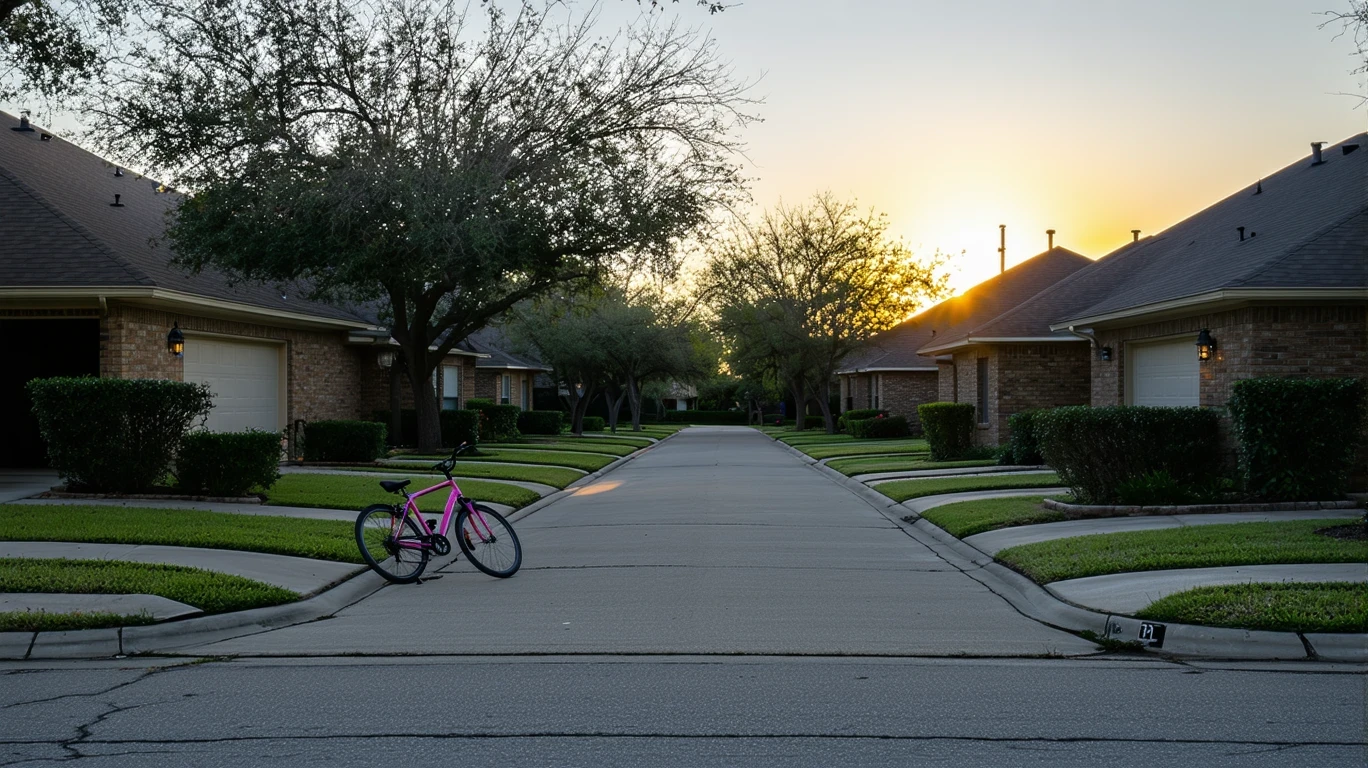
Leon Valley functions as a residential suburb within the San Antonio metro, drawing households who prioritize space and relative affordability over urban density. The low-rise building character and mixed land use create a neighborhood-oriented environment, but that same structure reinforces car dependency for most daily needs.
Conclusion: Leon Valley is a buying market for households planning to stay long enough to offset transaction costs and build equity. Renting works for those prioritizing flexibility or unwilling to absorb ownership volatility.
| Housing Type | Cost Anchor | What That Buys You |
|---|---|---|
| Median Home Value | $215,800 | Ownership equity, property tax exposure, maintenance responsibility |
| Median Gross Rent | $1,109/month | Flexibility, no repair costs, renewal risk |
Utilities & Energy Risk
Electricity rates in Leon Valley run 15.87¢ per kWh, and the extended cooling season makes air conditioning the dominant driver of summer utility bills. Triple-digit heat is common, and households without efficient HVAC systems or weatherization face sustained high usage across multiple months. Natural gas, priced at $19.31 per MCF, plays a smaller role given the mild winter climate, but it still factors into water heating and cooking for homes with gas appliances.
Utility volatility here is moderate but predictable. The risk isn’t surprise—it’s duration. Cooling costs don’t spike for a week or two; they persist from late spring through early fall. Households in older homes or units with poor insulation experience the sharpest increases, while those in newer construction or with programmable thermostats gain more control.
Energy efficiency upgrades—sealing ducts, upgrading insulation, replacing aging HVAC units—reduce exposure over time, though upfront costs can be significant. Renters have limited leverage to make these changes, leaving them more vulnerable to seasonal swings.
Risk classification: Moderate. Utility costs are a recurring pressure point but manageable with efficiency measures and usage discipline.
Groceries & Daily Costs
Grocery pricing in Leon Valley reflects the regional cost structure, running slightly below national averages due to the area’s lower price parity. Derived estimates suggest bread around $1.73 per pound, ground beef near $6.35 per pound, and eggs at $2.42 per dozen. These figures provide directional context rather than guarantees, as actual prices vary by retailer, season, and household shopping patterns.
The pressure point isn’t individual item cost—it’s access friction. Food and grocery establishments cluster along corridors rather than distributing evenly across neighborhoods, meaning most households drive to shop. That clustering reduces walkable convenience and adds transportation time to routine errands, compounding the indirect cost of car dependency.
For households accustomed to dense urban grocery access or walkable neighborhood markets, Leon Valley requires adjustment. The trade-off is clear: lower per-item prices in exchange for less spontaneous, more planned shopping trips.
Transportation Reality
The average commute in Leon Valley runs 27 minutes, and 33.1% of workers face long commutes that extend well beyond that median. Only 7.1% work from home, meaning the vast majority of employed residents depend on personal vehicles for daily travel. Bus service exists, providing a baseline transit option, but the pedestrian-to-road ratio and corridor-clustered errands structure make car ownership the practical default for most households.
Gasoline prices currently sit at $2.60 per gallon, a manageable rate in isolation but a recurring cost that scales with commute distance and vehicle count. Households with two working adults often require two vehicles, doubling not just fuel costs but also insurance, maintenance, and registration fees. These expenses don’t fluctuate day-to-day, but they accumulate relentlessly, creating a fixed cost floor that rivals or exceeds rent for some households.
Transportation here isn’t discretionary—it’s structural. The way Leon Valley is built, with residential areas separated from employment centers and errands concentrated along specific routes, means [getting around](https://indexyard.com/best-moving-companies-guide/) requires a vehicle for nearly everyone. That dependency doesn’t just add cost; it removes flexibility and increases vulnerability to fuel price swings or unexpected vehicle repairs.
Cost Exposure Profiles
Cost pressure in Leon Valley concentrates in three areas: housing entry versus long-term ownership, transportation dependence, and utility seasonality. The intensity of each depends on household structure and tenure, not income alone.
Low-exposure situations: Homeowners with paid-off mortgages, short commutes, and energy-efficient homes face the least volatility. Their primary recurring costs are property taxes, insurance, and routine maintenance—predictable and manageable with planning. Single-vehicle households with one working adult and minimal commute distance also reduce transportation exposure significantly.
High-exposure situations: Renters in older units with poor insulation face the highest utility swings and no control over efficiency upgrades. Two-income households requiring two vehicles and long commutes absorb compounding transportation costs—fuel, insurance, maintenance—that rival housing expenses. First-time homebuyers stretching to meet purchase price without reserves for property tax increases or major repairs face the sharpest ownership volatility.
The distinction isn’t about who can afford Leon Valley—it’s about which cost layers dominate for different household types. Renters trade equity for flexibility but absorb utility and renewal risk. Owners gain stability but inherit all property-related volatility. Commuters with long distances or multiple vehicles face transportation costs that persist regardless of housing tenure.
How this article was built: In addition to public economic data, this article incorporates location-based experiential signals derived from anonymized geographic patterns—such as access density, walkability, and land-use mix—to reflect how day-to-day living actually feels in Leon Valley, TX.
Frequently Asked Questions
Is Leon Valley more affordable than nearby San Antonio in 2026? Leon Valley’s median home value of $215,800 tends to be lower than many San Antonio neighborhoods, but transportation costs can offset that advantage depending on commute distance. The trade-off is housing entry cost versus car dependency.
What does a typical cost profile look like in Leon Valley? Housing dominates, followed by transportation and utilities. Most households spend the largest share on rent or mortgage, with car ownership and cooling costs creating the next two pressure layers.
Do utilities cost more in Leon Valley than nearby areas? Electricity rates of 15.87¢ per kWh are consistent with regional norms, but the extended cooling season means total utility spending can be higher than in milder climates. The duration of high usage matters more than the rate itself.
What costs tend to surprise newcomers in Leon Valley? Transportation exposure surprises those underestimating car dependency, and utility bills surprise renters in older, poorly insulated units. Both are recurring, not one-time, costs.
Are property taxes higher in Leon Valley than nearby cities? Property tax rates vary across Texas municipalities, and Leon Valley’s rates should be verified locally. Ownership costs include taxes, insurance, and maintenance—all of which persist regardless of mortgage status.
Is Leon Valley a good place for renters or buyers? Buyers benefit if planning to stay long enough to build equity and absorb transaction costs. Renters gain flexibility but face renewal uncertainty and no wealth-building mechanism.
How does car dependency affect cost of living in Leon Valley? Most households require at least one vehicle, and many need two. Fuel, insurance, and maintenance become fixed recurring costs that compound over time, especially for long commutes.
What’s the biggest cost driver in Leon Valley? Housing entry cost sets the floor, but transportation dependency and utility seasonality define the ceiling. The combination of all three determines total pressure, not any single category.
—