
What are locals really saying about life in Lehi? The answer depends on who you ask—and when they arrived. Lehi sits at the intersection of rapid growth and deep-rooted community identity, where tech jobs and new subdivisions collide with longtime residents who remember when Main Street was quiet. The result is a city that feels rewarding to some and disorienting to others, often in the same conversation.
For families drawn to newer homes, strong schools, and mountain views, Lehi delivers a recognizable suburban rhythm: parks within reach, safe streets, and a palpable sense of investment in the future. But for those seeking spontaneous walkability, diverse dining, or a slower pace of change, the city can feel like it’s still catching up to its own momentum. Understanding Lehi’s vibe means understanding this tension—between opportunity and growing pains, between newcomer energy and old-guard caution.
The Emotional Landscape of Lehi
Lehi’s overall sentiment is shaped by growth—not just as a fact, but as a daily experience. People talk about it constantly: the new construction, the traffic at rush hour, the unfamiliar faces at the grocery store. For some, this signals vitality and economic strength. For others, it’s a source of fatigue.
What tends to feel rewarding here is the sense of being part of something ascending. Jobs are plentiful, especially in tech. Housing stock is newer than in many neighboring cities. Parks are well-maintained, and outdoor recreation—from hiking to biking—is woven into the lifestyle. Families often describe Lehi as a place where they can “set up” comfortably, with good schools and a neighborhood structure that supports raising kids.
What tends to feel limiting is the lack of spontaneity. Lehi’s infrastructure is still catching up to its population. Day-to-day costs like groceries and errands often require driving to specific corridors, even in neighborhoods with sidewalks and bike lanes. Dining and nightlife options are modest. And the sheer pace of development—while economically positive—can feel relentless to those who value stability and continuity.
People who feel “at home” here tend to prioritize space, safety, and access to nature over urban texture. They’re comfortable with car dependency and see growth as a sign of opportunity. People who feel “restless” often crave walkable neighborhoods, diverse social scenes, and a sense of place that feels settled rather than in flux.
What’s Buzzing on Social Media
On platforms like Reddit, Facebook groups, and local forums, Lehi’s conversation is a mix of boosterism and venting. Growth is the dominant theme, but the tone varies wildly depending on perspective.
Newcomers often express excitement: “We moved here for the job market and the housing—it’s been a great fit for our family. The parks are amazing, and we’re close to everything we need.” There’s a sense of gratitude for what Lehi offers relative to pricier markets like Salt Lake City or the Bay Area.
Long-time residents, meanwhile, tend to express ambivalence: “I love what Lehi used to be, but it’s hard to recognize sometimes. The traffic is worse, the sense of community feels diluted, and everything is just… bigger.” This isn’t hostility toward newcomers so much as mourning for a quieter, slower version of the city.
A recurring frustration is infrastructure lag: “We’re adding thousands of people but the roads and schools can’t keep up. It feels like we’re always one step behind.” This sentiment crosses demographic lines—it’s not just old-timers complaining, but also young families who moved here expecting smoother logistics.
Outdoor access and natural beauty, however, are near-universal points of pride. Whether it’s trail access, mountain views, or the FrontRunner rail line connecting to Salt Lake, people appreciate Lehi’s position in the valley and its blend of suburban comfort with outdoor opportunity.
How Local Coverage Frames the City
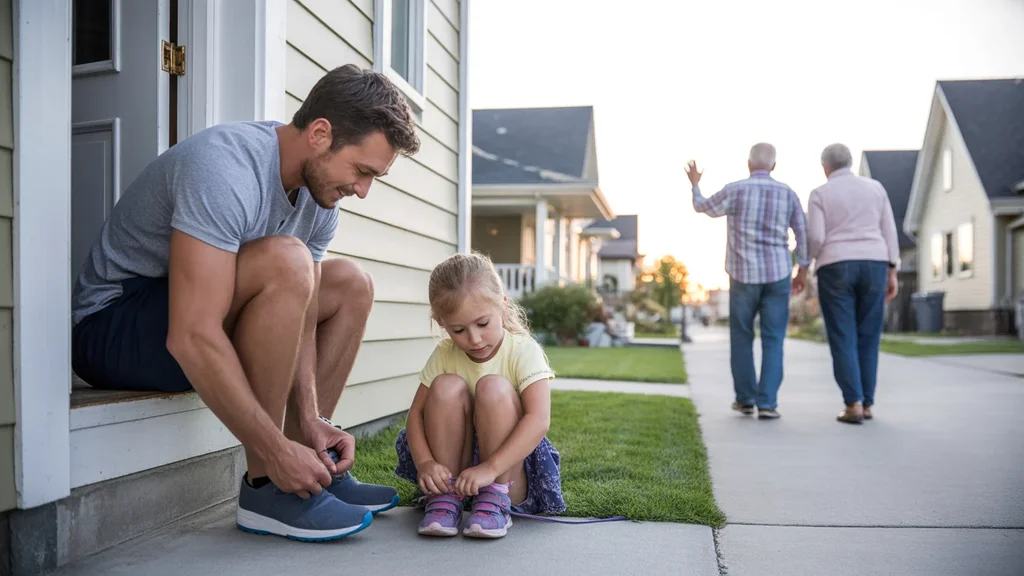
Local news and community outlets tend to frame Lehi through the lens of transformation. Coverage often focuses on what’s arriving, what’s changing, and how the city is managing its own momentum. The tone is rarely negative, but it’s also rarely uncomplicated.
Common headline themes include:
- “New Development Brings Jobs and Debate Over Density”
- “Residents Weigh Convenience Against Crowding”
- “City Invests in Parks and Trails as Population Grows”
- “Traffic and Transit: Can Infrastructure Keep Pace?”
- “Lehi’s Identity Evolves as Tech Sector Expands”
These aren’t reports of specific incidents—they’re recurring frames. The underlying message is that Lehi is a city in motion, and the community is still negotiating what that motion should look like. There’s pride in the economic success, but also caution about preserving livability.
Review-Based Public Perception
On platforms like Google Reviews, Yelp, and Nextdoor-style forums, Lehi’s public perception reflects a city that meets suburban expectations well but disappoints those seeking urban texture.
Positive reviews often highlight:
- Clean, safe neighborhoods with good schools nearby
- Access to parks, trails, and family-friendly amenities
- Proximity to major employers and reasonable commute times
- Newer housing stock with modern layouts and finishes
Neutral or mildly critical reviews tend to focus on:
- Limited dining variety and lack of nightlife options
- Car dependency for most errands, even in walkable pockets
- Traffic congestion during peak hours
- Feeling of “sameness” in newer planned developments
Expectation matching is key. Families who wanted suburban comfort with outdoor access tend to feel satisfied. Individuals who wanted spontaneous walkability, diverse restaurants, or a more established sense of place tend to feel underwhelmed. Neighborhood variation exists—older pockets near downtown feel more rooted, while newer planned areas feel more transient—but the overall character skews suburban and car-oriented.
How Lehi Compares to Nearby Cities
| Dimension | Lehi | Provo | American Fork |
|---|---|---|---|
| Overall Vibe | Growth-focused, tech-driven, family suburban | College-town energy, younger demographic, more walkable core | Quieter, slower-paced, more established feel |
| Walkability | Pockets of good infrastructure, mostly car-dependent | Stronger downtown walkability, transit-oriented near BYU | Limited, car-oriented throughout |
| Dining & Nightlife | Modest, chain-heavy, growing slowly | More variety, college-driven scene | Very limited, family-focused |
| Growth Pressure | High, visible, ongoing | Moderate, constrained by geography | Lower, more stable |
| Job Market | Strong, tech-sector dominant | Education and service-sector driven | Smaller, more regional |
Lehi’s comparison to nearby cities reveals tradeoffs. Provo offers more walkable texture and a livelier social scene, but it’s also more constrained and college-dominated. American Fork feels quieter and more settled, but it lacks Lehi’s job density and economic momentum. If you prioritize career opportunity and newer housing, Lehi makes sense. If you want a more established community feel or spontaneous walkability, Provo or American Fork might align better.
What Locals Are Saying
Young professional, tech sector: “I moved here from California and it’s been a great transition. The cost of living is lower, my commute is short, and I can actually afford a house. It’s not the most exciting place socially, but I’m okay with that trade.”
Parent of school-age kids: “We love the parks and the neighborhood vibe. The schools are solid, and our kids have friends on the block. My only complaint is the traffic—it’s gotten noticeably worse in the last few years.”
Long-time resident: “Lehi used to feel like a small town. Now it’s just another suburb. I’m glad for the jobs and the investment, but I miss the quiet. It’s hard to explain to people who just got here.”
Renter, early 30s: “Finding a rental here is tough, and prices keep climbing. I like the area, but I’m not sure how long I can afford to stay. It feels like the city is built for homeowners, not renters.”
Remote worker, no kids: “It’s fine, but I get bored. There’s not much to do if you’re not into hiking or family stuff. I end up driving to Salt Lake a lot for restaurants and events.”
Retiree: “We downsized here to be near our grandkids. It’s clean, safe, and the weather is manageable. But it’s busier than we expected. We thought we were moving to a quieter place.”
Newcomer from out of state: “The outdoor access is incredible. We’re 20 minutes from trails and the mountains are right there. The city itself is still figuring itself out, but the location makes up for a lot.”
Does Lehi Feel Like a Good Fit?
Lehi’s emotional profile is one of opportunity tempered by growing pains. It tends to work well for families seeking newer suburban homes, strong job markets, and outdoor access. It rewards people who are comfortable with car dependency and who see growth as a positive signal. It appeals to those who prioritize safety, space, and investment in the future over established character and spontaneous walkability.
It tends to frustrate individuals seeking urban texture, diverse dining, or a slower pace of change. Renters face limited options and rising costs. Long-time residents often feel displaced by the sheer speed of transformation. And anyone without a car will find daily logistics more challenging, despite the presence of rail transit and bike infrastructure in certain areas.
Lehi isn’t a city that’s finished—it’s a city in motion. Whether that feels exciting or exhausting depends on what you value. If you’re drawn to momentum, opportunity, and the chance to be part of something ascending, Lehi offers that. If you’re seeking a place that already feels settled, cohesive, and walkably textured, you may find yourself waiting for the city to catch up to its own ambitions.
To explore how these tradeoffs play out financially, check out housing tradeoffs or dive into what quality of life actually requires in this fast-growing valley city.
How this article was built: In addition to public economic data, this article incorporates location-based experiential signals derived from anonymized geographic patterns—such as access density, walkability, and land-use mix—to reflect how day-to-day living actually feels in Lehi, UT.
The perspectives shown reflect commonly expressed local sentiment and recurring themes in public discussion, rather than individual accounts.