
Is Lawrenceburg the kind of place you grow roots—or just pass through? That question sits at the heart of what people feel about this small Kentucky city. Nestled between rolling farmland and within reach of Lexington, Lawrenceburg occupies an emotional middle ground: affordable and quiet enough to settle down, yet sparse enough that daily life requires planning, patience, and a reliable car. The people who thrive here tend to value space over spontaneity, and proximity to opportunity over immediate convenience. Those who struggle often find themselves weighing the savings against the drive time, the peace against the limited options, and the small-town warmth against the feeling that everything interesting happens somewhere else.
The Emotional Landscape of Lawrenceburg
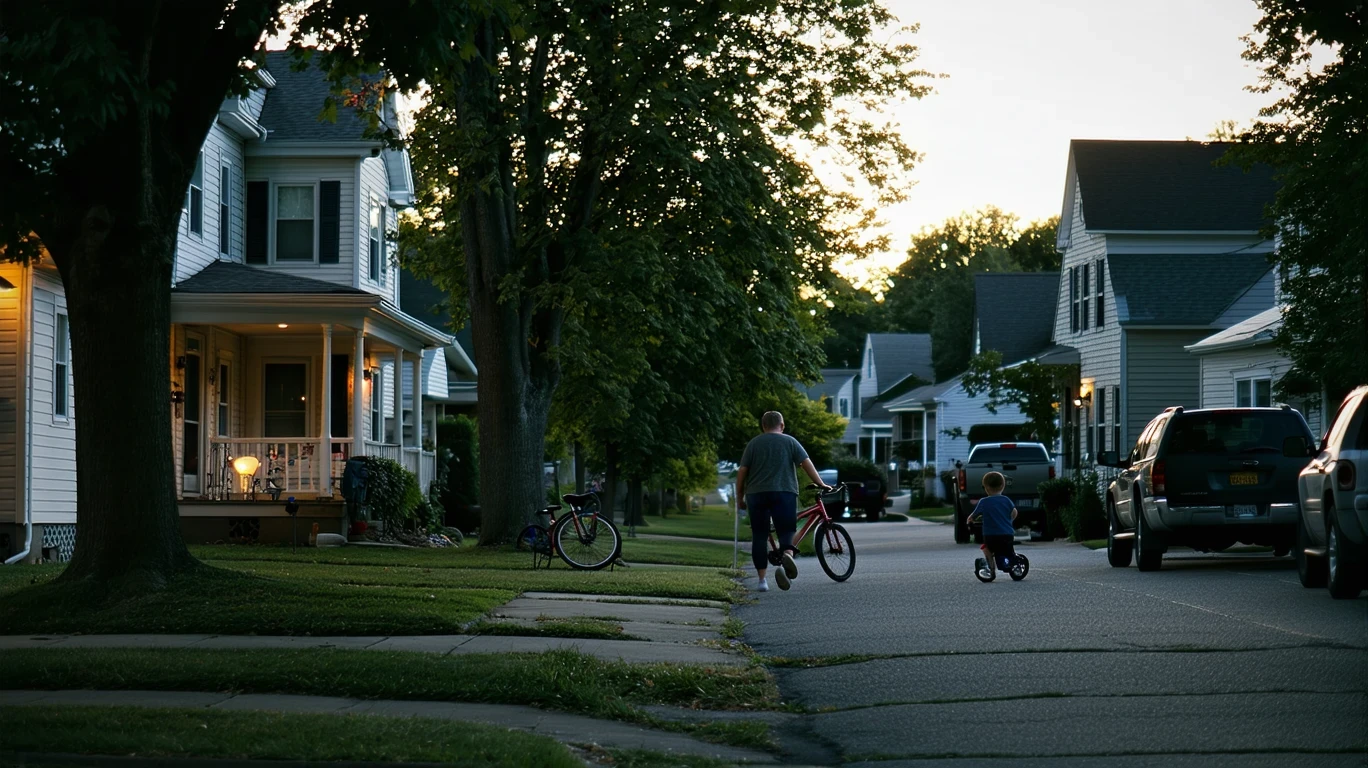
Lawrenceburg’s vibe is shaped by a tension between preservation and aspiration. Long-time residents describe a place where neighbors still know each other, where Friday night football matters, and where the pace of life feels manageable. Newcomers—many drawn by lower housing costs compared to Lexington—often arrive expecting a bedroom community with all the conveniences of a suburb, only to discover that errands require more forethought than they anticipated.
The city’s infrastructure reflects this in-between identity. Pedestrian access exists in pockets, but the street network is built around driving. Grocery options are present but not abundant, and the food scene leans heavily on familiar chains rather than local variety. Parks and green spaces are limited, and healthcare access means planning ahead or driving to neighboring cities for anything beyond a pharmacy visit. The low-rise character of the town reinforces a suburban, spread-out feel—there’s room to breathe, but that room comes with distance.
People who feel at home here tend to be those who wanted exactly this: a place to own a house without stretching financially, a community where schools are accessible, and a launching point for work or recreation in Lexington. Those who feel restless are often the ones who underestimated how much of their daily routine would revolve around the car, or who miss the texture of walkable errands, diverse dining, and spontaneous plans.
What People Are Talking About Online
In cities like Lawrenceburg, locals often describe the vibe as a mix of pride and pragmatism. Social media discussions tend to cluster around a few recurring themes: affordability, the drive to Lexington, what’s missing locally, and what growth might bring.
One common sentiment: “It’s quiet, and that’s exactly why we moved here—but you do have to plan your week around trips to town.” This captures the tradeoff many families make consciously. Another voice: “I love that my kids can ride bikes in the neighborhood, but I wish there was more to do here that didn’t involve getting back in the car.” The friction isn’t anger—it’s adjustment.
There’s also a protective thread in local conversation. When newcomers complain about the lack of restaurants or entertainment, long-time residents sometimes push back: “If you wanted city life, you should’ve stayed in the city. This is a small town, and that’s the point.” It’s not hostility—it’s a reminder that Lawrenceburg’s identity is rooted in what it isn’t as much as what it is.
Growth is a recurring topic, often discussed with ambivalence. Some residents welcome new development and hope it brings more local options. Others worry about losing the small-town character that drew them in the first place. The conversation rarely resolves—it just continues, reflecting a community in transition.
How Local Coverage Frames the City
Local news and community outlets tend to frame Lawrenceburg through the lens of identity and change. Coverage doesn’t focus on dramatic incidents or crises; instead, it reflects the ongoing negotiation of what kind of place Lawrenceburg wants to be as it grows.
Typical discussion topics include:
- “Community Debates What Growth Should Look Like”
- “New Retail Arrives as Residents Weigh Convenience and Character”
- “Schools Remain Central to Family Appeal”
- “Residents Balance Affordability with Access to Amenities”
- “Local Pride Meets Practical Tradeoffs in Small-Town Living”
The tone is rarely celebratory or alarmist—it’s observational, reflecting a place where change happens slowly and opinions vary widely. What comes through is a sense that Lawrenceburg is still figuring itself out, and that residents are part of that process whether they intended to be or not.
What Reviews and Public Perception Reveal
Public reviews of life in Lawrenceburg—whether on neighborhood platforms, local business pages, or regional forums—tend to cluster around expectation matching. People who came looking for affordable suburban life near Lexington tend to feel satisfied. People who expected a self-contained town with walkable errands and diverse amenities tend to feel disappointed.
Praise often centers on housing value, school access, and the slower pace. “We got twice the house for half the price, and the schools are solid. It’s exactly what we needed.” Families with young children frequently highlight the ability to afford a yard, a safe neighborhood, and proximity to Lexington without Lexington costs.
Criticism, when it appears, is usually mild but persistent. “There’s not much to do unless you drive to Lexington. Dining options are pretty limited, and you notice it fast.” Another common thread: “If you don’t have a car—or if you’re in a one-car household—this place gets hard quickly.” The infrastructure simply isn’t built for walkability or transit, and that creates friction for anyone whose life doesn’t revolve around driving.
Newer planned areas tend to feel more polished and family-oriented, while older pockets of town can feel a bit worn or overlooked. But even in the newest developments, the amenities are often limited to what’s within the subdivision itself—pools, playgrounds—rather than walkable access to shops, cafes, or services.
How Lawrenceburg Compares to Nearby Cities
| Dimension | Lawrenceburg | Versailles | Nicholasville |
|---|---|---|---|
| Overall Vibe | Quiet, car-dependent, affordable | Historic charm, slightly more walkable downtown | Suburban growth hub, more retail density |
| Dining & Shopping | Limited, chain-focused | Small downtown with local spots | More chain options, growing commercial corridors |
| Proximity to Lexington | Moderate drive, western approach | Close, scenic route | Very close, southern suburbs |
| Housing Affordability | Strong value, lower entry costs | Slightly higher, historic appeal | Moderate, competitive market |
| Walkability | Minimal, car-required for errands | Better in downtown core | Low, but improving in new areas |
The comparison isn’t about declaring a winner—it’s about helping you predict fit. If you want the most affordable entry point and don’t mind driving for most errands, Lawrenceburg delivers. If you want a bit more walkable charm and don’t mind paying slightly more, Versailles might feel better. If you want closer proximity to Lexington and more retail density, Nicholasville could be the better match. Each city asks you to accept a different set of tradeoffs, and the right answer depends entirely on what you’re willing to trade and what you refuse to compromise.
Voices from the Community
Here’s what people in different life situations tend to say about living in Lawrenceburg:
“We moved here from Lexington to afford a house with a yard. The commute isn’t bad, and our kids love the space. We do miss having restaurants within walking distance, but that’s the tradeoff we made.” — Young family, relocated from Lexington
“It’s peaceful, and I like knowing my neighbors. But if I need anything beyond basics, I’m driving to Lexington or Frankfort. You get used to it, but it does take planning.” — Long-time resident, retired
“I work remotely, so the commute doesn’t affect me. What I notice is how quiet it is—sometimes too quiet. There’s not much of a social scene unless you create it yourself.” — Remote worker, early 30s
“The schools are good, and that’s what mattered most to us. We knew going in that this wasn’t going to be a walkable neighborhood, and we’re fine with that. Everything we need is a short drive.” — Family with school-age children
“I thought it would feel more like a town, with a downtown and local spots. It’s really more like a suburb without the suburb amenities. If you’re okay with that, it works. If not, you’ll feel it.” — Newcomer, mid-20s
“It’s affordable, and that’s huge. But you do notice the lack of variety—food, entertainment, even healthcare. For anything serious, you’re driving.” — Single professional, renting
“I like the slower pace, but I also feel like I’m always in the car. Grocery runs, errands, doctor visits—it all requires driving. If you’re comfortable with that, it’s fine. If you’re not, it gets old.” — Middle-aged couple, homeowners
Does Lawrenceburg Feel Like a Good Fit?
Lawrenceburg doesn’t ask you to love it unconditionally—it asks you to decide whether its tradeoffs align with your priorities. This is a place where affordability and quiet come at the cost of convenience and variety. It works beautifully for people who wanted exactly that exchange: families seeking space and value near Lexington, commuters willing to drive for lower [housing pressure](/lawrenceburg-ky/housing-costs/), and those who find peace in a slower, car-dependent rhythm.
It tends to frustrate people who underestimated how much of their daily life would revolve around driving, who miss walkable errands and spontaneous plans, or who need immediate access to healthcare and diverse amenities. The city’s infrastructure—sparse food options, limited parks, low-rise spread-out form—reinforces a suburban, planning-required lifestyle. If that feels like friction rather than freedom, the vibe won’t fit.
Lawrenceburg’s emotional profile is one of pragmatic contentment rather than excitement. People don’t rave about it, but they also don’t regret it—as long as they came in with clear eyes about what they were getting. If you’re weighing whether this place could work for you, the question isn’t whether Lawrenceburg is “good” in the abstract. It’s whether the specific things it offers—affordability, space, proximity to Lexington—matter more to you than the specific things it lacks.
To dig deeper into what daily life actually costs here, explore [monthly spending in Lawrenceburg](/lawrenceburg-ky/monthly-budget/) and whether your income supports the [lifestyle you’re hoping for](/lawrenceburg-ky/lifestyle-requirements/).
How this article was built: In addition to public economic data, this article incorporates location-based experiential signals derived from anonymized geographic patterns—such as access density, walkability, and land-use mix—to reflect how day-to-day living actually feels in Lawrenceburg, KY.
The perspectives shown reflect commonly expressed local sentiment and recurring themes in public discussion, rather than individual accounts.