
How much is enough to feel at ease? In Lawrenceburg, the answer depends less on hitting a specific number and more on whether your income can absorb the friction built into daily life here. Comfort isn’t about luxury—it’s about whether bills dictate your choices, whether you have margin when something breaks, and whether you can move through your week without constant trade-offs. For some households, the median income of $58,935 per year provides real breathing room. For others at the same level, pressure shows up fast.
What “Living Comfortably” Means in Lawrenceburg
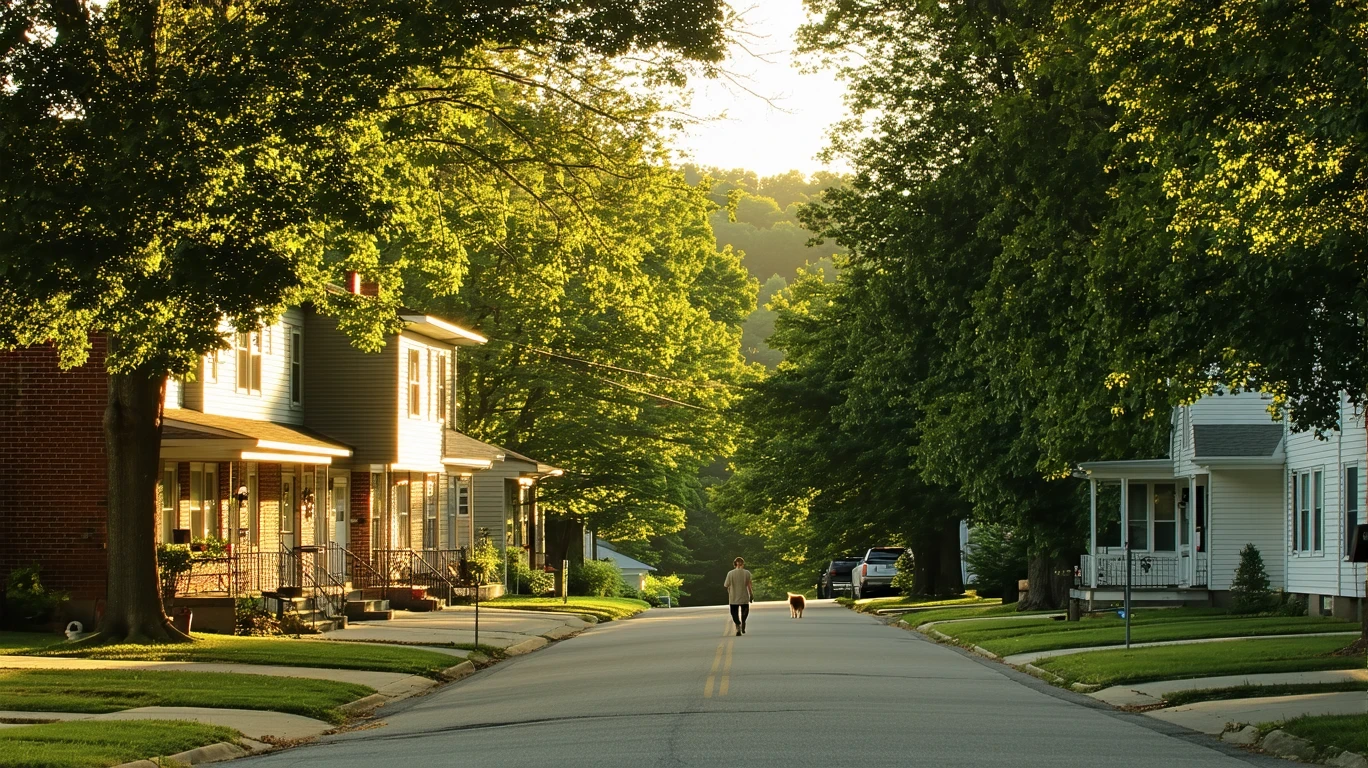
Comfort in Lawrenceburg looks like this: you can cover housing without stretching, handle a cold-weather heating bill without panic, and get to work, groceries, and healthcare without every trip feeling like a logistics puzzle. It means having enough left over that an unexpected car repair or medical co-pay doesn’t force you to reshuffle everything else. It’s not about dining out weekly or taking vacations—it’s about stability, predictability, and a little slack in the system.
Expectations matter. Lawrenceburg is a low-rise, car-oriented community where errands require planning and healthcare often means driving elsewhere. If you expect walkable convenience, frequent transit options, or immediate access to specialized services, you’ll feel the gap quickly. If you value space, lower housing costs, and a slower pace, the tradeoffs make sense.
Where Income Pressure Shows Up First
Housing costs in Lawrenceburg are relatively gentle. The median home value sits at $168,300, and median rent is $849 per month—figures that leave room in most budgets. But housing is only the foundation. Pressure builds in the gaps around it.
Transportation is the first place many households feel the squeeze. Lawrenceburg’s structure requires a car for nearly everything. Pedestrian infrastructure exists but remains limited relative to the road network, and food and grocery establishments fall below density thresholds. That means errands aren’t clustered—they’re spread out, and each one costs time and fuel. Gas prices currently sit at $2.59 per gallon, which feels manageable until you realize how many trips add up over a week. For households with multiple drivers or long commutes, fuel and vehicle maintenance become recurring, non-negotiable costs.
Utilities bring seasonal volatility. Winter cold—like the current 16°F temperature that feels like 7°F—drives heating demand. Natural gas prices are $19.61 per MCF, and electricity runs 13.70¢ per kWh. In a low-rise town where homes tend to be single-family and spread out, heating a full house through a long winter adds up. Families in larger homes feel this more acutely than singles or couples in smaller spaces.
Healthcare access introduces another friction point. Lawrenceburg has pharmacies but no hospital or clinics within the immediate area. Routine care may be local, but anything more serious requires travel. For families with young children or anyone managing chronic conditions, that distance isn’t just inconvenience—it’s a planning burden and a cost multiplier.
How the Same Income Feels Different by Household
Households at similar income levels often experience very different pressure depending on size, structure, and daily logistics.
Single adults in Lawrenceburg benefit from lower housing costs and the ability to choose smaller, more efficient spaces. Rent at $849 per month is manageable on a modest income, and utilities scale down in smaller units. But car dependency doesn’t scale down. A single person still needs reliable transportation, still drives to the grocery store, still handles every errand alone. The time burden of sparse accessibility falls entirely on one person. Healthcare travel becomes an individual responsibility, with no one to share driving or coordinate appointments.
Couples gain significant advantage through shared logistics. Two people can split errands, share a vehicle, or coordinate trips more efficiently. Dual incomes create a buffer against seasonal utility swings and unexpected costs. Housing remains affordable whether renting or buying, and the ability to pool resources makes transportation and healthcare travel less disruptive. Comfort arrives more easily for couples at or near the median income.
Families face the most complex pressure. School infrastructure is present—density falls in the medium band—so educational access isn’t a major concern. But limited healthcare access becomes more serious when children are involved. Sparse errands accessibility means grocery runs and household logistics require advance planning, and the time cost multiplies with kids in tow. Larger homes provide the space families need, and Lawrenceburg’s home values support that. But those same homes cost more to heat in winter, and utility bills scale with square footage. Families at the median income can make it work, but there’s less margin for error.
The Comfort Threshold (Qualitative)
The comfort threshold in Lawrenceburg isn’t a number—it’s the point where your income stops dictating every decision. It’s when you can absorb a high heating bill in January without cutting something else. It’s when a tank of gas doesn’t require mental math before you fill up. It’s when you can drive to Lexington for a specialist appointment without worrying about the time off work or the fuel cost.
For some households, that threshold sits below the median income. For others—especially families in larger homes or those managing health conditions—it sits above. The difference comes down to how well your household structure and expectations align with Lawrenceburg’s layout and rhythms.
Why Online Cost Calculators Get Lawrenceburg Wrong
Most cost-of-living calculators focus on totals: add up rent, utilities, groceries, transportation, and compare the sum to income. But totals miss the texture of how costs actually land.
A calculator might tell you Lawrenceburg is affordable because rent is low and the regional price parity index sits at 93, below the national baseline. That’s true in aggregate. But it doesn’t capture the friction of driving everywhere, the planning burden of sparse errands accessibility, or the seasonal swing of heating bills. It doesn’t account for the fact that limited healthcare access turns routine medical needs into half-day commitments.
Calculators assume average behavior in average conditions. They don’t reflect how a cold winter changes your utility costs, or how car dependency affects households with one vehicle versus two. They treat transportation as a line item, not a structural requirement. People feel surprised after moving because the cost structure they encounter doesn’t match the summary they read online.
How to Judge Whether Your Income Fits Lawrenceburg
Instead of asking “Is my income high enough?” ask yourself these questions:
- How sensitive are you to transportation time? Lawrenceburg requires driving for nearly everything. If you value walkable errands or quick access to services, the time cost will frustrate you regardless of income.
- Can you absorb seasonal utility swings? Winter heating bills will spike. If a few hundred dollars in variation creates stress, you’ll feel that pressure every cold month.
- How much planning capacity do you have? Sparse grocery and food accessibility means errands require forethought. If you prefer spontaneous, frequent trips, the structure here works against you.
- Is healthcare access a priority? If you or your family need regular medical care, the lack of a local hospital adds travel time and complexity. Can you handle that, or will it become a recurring source of stress?
- How much flexibility do you expect month to month? Lawrenceburg’s monthly expenses are manageable, but there’s less room for discretionary spending than in higher-income areas. If you expect frequent dining out, entertainment, or travel, you’ll feel constrained.
These questions reveal fit better than any income threshold. Comfort comes from alignment, not earnings.
FAQs About Living Comfortably in Lawrenceburg
Is the median household income enough to live comfortably in Lawrenceburg?
For many households, yes—but it depends on structure and expectations. Couples and small families at the median income of $58,935 per year typically find enough margin to cover housing, transportation, and seasonal utility swings. Singles may feel more pressure from car dependency and time costs. Larger families or those with significant healthcare needs may find less breathing room.
What’s the biggest financial surprise people face after moving to Lawrenceburg?
Transportation costs—not just fuel, but the time and logistics burden of car dependency. Errands that felt quick and convenient in a denser area require more planning here. The second surprise is often winter heating bills, which spike during extended cold periods and catch people off guard if they’re coming from milder climates.
Can you live in Lawrenceburg without a car?
Not practically. The town’s layout and sparse errands accessibility make a car essential for groceries, work, healthcare, and most daily needs. Public transit options are minimal, and walking or biking infrastructure doesn’t support car-free living.
How does Lawrenceburg compare to nearby Lexington for income pressure?
Lawrenceburg offers lower housing costs and less density, which appeals to households seeking space and quiet. But Lexington provides better healthcare access, more clustered errands, and stronger transit options. Income pressure in Lawrenceburg comes more from transportation and logistics; in Lexington, it comes more from higher rent and competition for housing.
What income level makes Lawrenceburg feel easy instead of just manageable?
There’s no single number, but households that feel “easy” rather than “manageable” typically have enough income to absorb unexpected costs without reshuffling, cover seasonal utility swings without stress, and handle transportation needs—including multiple vehicles if necessary—without constant mental math. For many, that threshold sits 20–30% above the median, but it varies widely based on household size and expectations.
How this article was built: In addition to public economic data, this article incorporates location-based experiential signals derived from anonymized geographic patterns—such as access density, walkability, and land-use mix—to reflect how day-to-day living actually feels in Lawrenceburg, KY.
Lawrenceburg can work well for some households—but only if expectations match reality. Comfort here comes from accepting the structure of the place and ensuring your income can absorb the friction that comes with it. If you’re considering a move, focus less on whether your income hits a threshold and more on whether the tradeoffs Lawrenceburg requires are ones you’re willing to make.