
How much is enough to feel at ease? In Lawrence, IN, the answer depends less on hitting a specific income target and more on whether your household can absorb the friction built into daily life here. Comfort isn’t about affording the rent—it’s about whether you have enough margin to handle the planning burden, the seasonal swings, and the logistics gaps that shape how people actually live.
What “Living Comfortably” Means in Lawrence
Comfort in Lawrence means different things depending on your household structure, but it consistently hinges on a few realities: the ability to run errands without constant trip-chaining, enough cushion to absorb utility bills that swing with Indiana’s heating and cooling seasons, and—if you have kids—the capacity to manage school and childcare logistics in a place where family infrastructure is thinly spread.
It’s not about luxury. It’s about whether you can make choices instead of just reacting to constraints. Can you pick up groceries on the way home without a 20-minute detour? Can you handle a higher-than-expected gas bill in January without rearranging other spending? Can you find a rental that doesn’t eat half your paycheck? These aren’t aspirations—they’re the baseline questions that determine whether Lawrence feels manageable or constantly tight.
The median household income here is $70,762 per year. That figure tells you what’s typical, but it doesn’t tell you who’s comfortable. Comfort depends on how well your income absorbs the specific pressures this place creates.
Where Income Pressure Shows Up First
Housing costs are visible and consistent. The median gross rent is $1,064 per month, and the median home value is $193,100. Those numbers are moderate by regional standards, but they still claim a significant share of income for many households. Renters face the steadiest pressure—rent doesn’t fluctuate month to month, but it also doesn’t leave much room for error if other costs spike.
Utilities create a different kind of stress. Electricity costs 15.91¢/kWh, and natural gas runs $10.25/MCF. In a climate with cold winters and warm, humid summers, heating and cooling aren’t optional. Bills rise and fall with the season, and households without cushion feel that volatility immediately. It’s not the average that stings—it’s the peak months that force tradeoffs.
Transportation pressure is less about gas prices ($3.19/gal) and more about dependency. Lawrence has bus service, and some areas have strong pedestrian infrastructure, but the daily errands landscape is sparse. Food and grocery establishments are below density thresholds, meaning most households rely on cars not just for commuting, but for basic provisioning. That’s not a occasional inconvenience—it’s a structural cost in time, fuel, and mental load.
For families, the pressure compounds. School density and playground availability are both below thresholds, meaning parents often navigate longer distances for education and recreation. Childcare, extracurriculars, and healthcare (limited to clinics locally, with no hospital in Lawrence) all require more planning and driving. The cost isn’t just financial—it’s logistical complexity that demands either time or money, and often both.
How the Same Income Feels Different by Household
A single adult earning a modest income in Lawrence faces lighter housing pressure than a family, but still confronts the errands accessibility gap. Walkable street pockets don’t compensate for the scarcity of nearby grocery options. You might be able to stroll your neighborhood, but you’ll still need a car—and the time—to stock your fridge. Comfort for singles often hinges on whether they can absorb that planning burden without it feeling like a constant tax on their schedule.
Couples share fixed costs—rent, utilities, internet—which creates breathing room. They also share transportation, which reduces per-person exposure to fuel and maintenance costs. But they still face the same sparse errands infrastructure. The difference is capacity: two incomes and two schedules make it easier to handle the trip-chaining and time cost that Lawrence’s layout demands. Comfort arrives earlier for couples, assuming both partners contribute to household income.
Families experience the sharpest income pressure. Housing costs don’t scale down, and they often need more space. Utility bills rise with occupancy. Transportation becomes more complex—school drop-offs, activity shuttles, grocery runs with kids in tow. And because family infrastructure here is limited, those logistics can’t be streamlined. Parents either spend more time managing it themselves, or they spend more money outsourcing it. Either way, the same income that feels sufficient for a couple often feels stretched for a family of four.
The Comfort Threshold (Qualitative)
Comfort in Lawrence begins when a household stops making tradeoffs every month. It’s the point where a higher utility bill doesn’t force you to skip something else. Where you can choose a rental based on fit, not just affordability. Where running errands doesn’t require constant route optimization to save time and gas.
For singles, that threshold often arrives when income exceeds basic fixed costs by enough margin to absorb variability—utility swings, car repairs, occasional dining out—without stress. For couples, it’s when shared income creates enough slack that one partner’s variable expenses don’t destabilize the household. For families, the threshold is higher: it’s when income covers not just housing and utilities, but also the time-or-money tradeoffs that come with managing kids in a place where schools, playgrounds, and errands access all require intentional planning.
You know you’ve crossed it when you stop thinking about money every time you make a small decision. That’s comfort. It’s not wealth—it’s margin.
Why Online Cost Calculators Get Lawrence Wrong
Most cost-of-living calculators treat Lawrence as a data point: plug in rent, utilities, transportation, groceries, and sum it up. But those tools miss the texture of how costs actually land.
They assume errands are easy because rent is moderate. They don’t account for the time cost of sparse grocery access, or the fuel and planning burden of car dependency for daily provisioning. They treat transportation as a commute question, ignoring the fact that in Lawrence, you’re driving for milk and prescriptions, not just work.
They don’t capture the difference between a single person absorbing errands friction and a parent managing school logistics in a place with limited family infrastructure. They can’t measure the emotional load of trip-chaining, or the cumulative cost of living somewhere that requires constant intentionality just to meet basic needs.
People feel surprised after moving because the numbers looked reasonable, but the daily experience—managing the gaps, absorbing the volatility, planning around the infrastructure limits—wasn’t reflected in the totals. Lawrence isn’t expensive in the conventional sense. But it demands either time or money to navigate, and calculators don’t price that.
How to Judge Whether Your Income Fits Lawrence
Instead of asking “Is my income enough?”, ask these questions:
- How sensitive are you to errands accessibility? If you expect to walk to a grocery store or grab essentials on the way home without planning, Lawrence will feel harder than the rent suggests.
- Can you absorb seasonal utility swings? If a $50–$80 spike in winter heating or summer cooling would force you to cut elsewhere, you’re operating without enough margin.
- Is time or money your limiting factor? Lawrence often makes you choose: spend time trip-chaining and route-planning, or spend money to reduce that friction (e.g., delivery fees, closer but pricier housing). If you’re short on both, pressure builds quickly.
- Do you have kids? If yes, are you prepared to manage school, childcare, and recreation logistics in a place where those resources are spread thin? Can you handle the driving, the scheduling complexity, and the lack of nearby fallback options?
- How much flexibility do you expect month to month? If you need predictable expenses and minimal variability, Lawrence’s utility seasonality and car-dependent errands structure will test that expectation.
Your answers will tell you more than any income threshold. Comfort isn’t about earning a certain amount—it’s about whether your income, household structure, and tolerance for logistical friction align with how Lawrence actually works.
How Day-to-Day Living Actually Feels in Lawrence
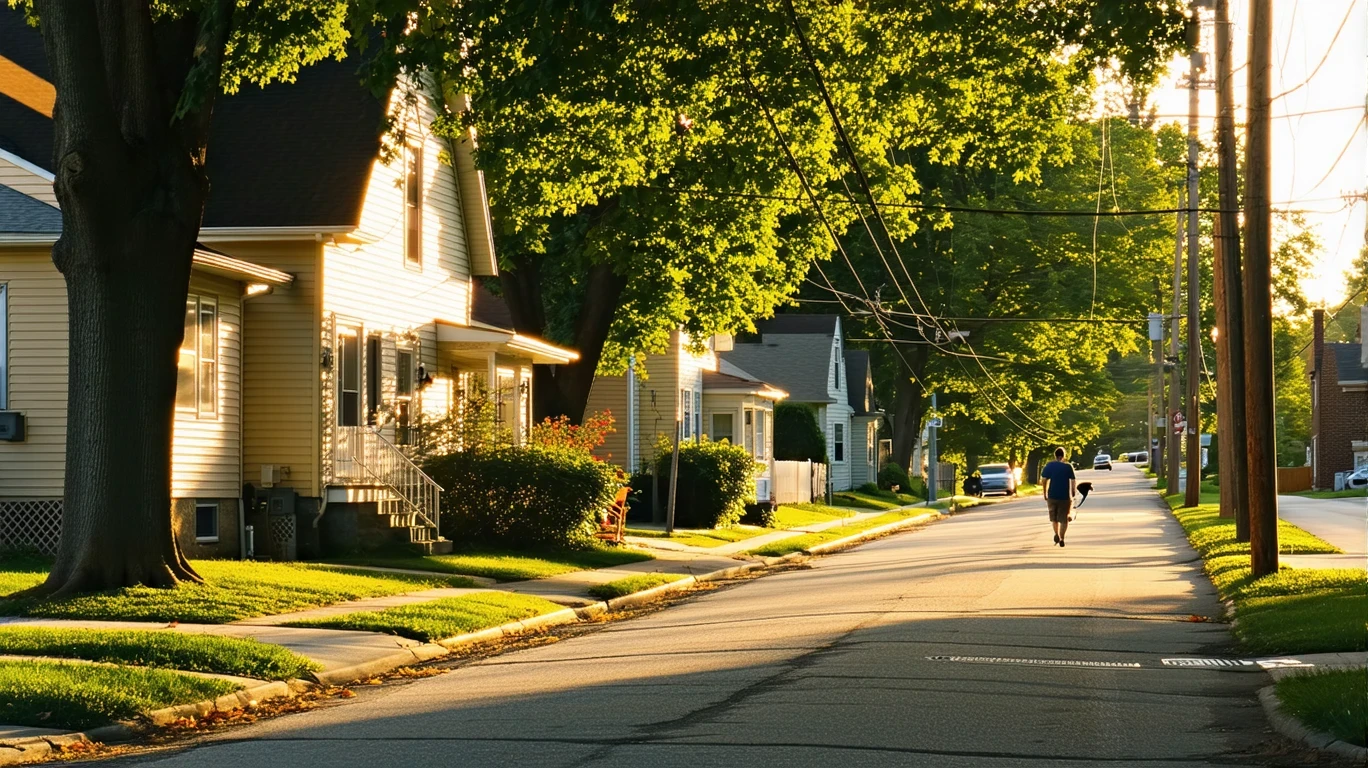
The structure of Lawrence shapes behavior in ways that aren’t obvious from housing costs alone. Some neighborhoods have pedestrian-friendly street layouts—sidewalks, crossings, a rhythm that supports walking—but that doesn’t mean daily errands are within walking distance. Food and grocery establishments are sparse, scattered in ways that make car trips unavoidable for most households. You might live on a walkable block and still drive every time you need to restock your kitchen.
Bus service exists, but it doesn’t solve the errands problem. Routes serve commuters and specific corridors, not the diffuse grocery and pharmacy landscape. For families, the logistics multiply: schools and playgrounds are below density thresholds, meaning parents drive kids to education and recreation more often than they’d expect in a suburban setting. There’s no hospital in Lawrence—just clinics—so anything beyond routine care means traveling elsewhere.
This isn’t about inconvenience. It’s about what a budget has to handle: the fuel, the time, the mental load of planning every provisioning trip. Households that feel comfortable here are the ones who’ve built enough margin—financial or temporal—to absorb that friction without it becoming a constant background hum of stress.
FAQs About Living Comfortably in Lawrence
Is $70,000 a year enough to live comfortably in Lawrence?
It depends entirely on your household size and structure. For a single adult or a couple without kids, $70,000 can provide meaningful margin if you’re disciplined about fixed costs. For a family, that same income often feels tighter—housing, utilities, and transportation claim more, and the logistics burden of managing kids in a place with limited family infrastructure adds hidden costs in time and fuel. Comfort isn’t guaranteed at any income level; it’s determined by how well your earnings absorb the specific pressures Lawrence creates.
What’s the biggest financial surprise people face after moving to Lawrence?
The errands gap. Rent and utilities look reasonable on paper, but the car dependency for groceries, pharmacies, and daily provisioning catches people off guard. You’re not just driving to work—you’re driving to meet basic needs, and that adds up in fuel, time, and planning load. Families also underestimate the logistics cost of limited school and playground density. It’s not that any single expense is shocking; it’s that the cumulative friction is higher than the numbers suggest.
How do utility costs affect comfort in Lawrence?
Utility costs here swing with the season. Indiana winters require heating, and humid summers demand cooling. Electricity runs 15.91¢/kWh, and natural gas costs $10.25/MCF. The average might seem manageable, but peak months test whether you have cushion. Households living paycheck-to-paycheck feel that volatility immediately—it forces tradeoffs in months when bills spike. Comfort means having enough margin that a high utility month doesn’t destabilize everything else.
Does Lawrence work for families on a single income?
It’s harder. Families face compounded pressure: housing costs don’t scale down, utility bills rise with occupancy, and the limited family infrastructure (schools, playgrounds, childcare options) demands more driving and planning. A single income has to cover not just the visible costs, but also the time-or-money tradeoffs that come with managing kids in a place where resources are thinly spread. Some families make it work, but it requires either a high single income or a willingness to operate with very little margin.
What income level makes Lawrence feel easy instead of tight?
There’s no universal number, but ease generally arrives when income exceeds fixed costs (housing, utilities, transportation) by enough that variability—seasonal utility spikes, car maintenance, occasional errands convenience—doesn’t force monthly tradeoffs. For singles, that might happen at a lower threshold. For families, it requires significantly more, because the logistics complexity and infrastructure gaps create ongoing costs that aren’t captured in rent or grocery totals. Ease isn’t about wealth; it’s about having enough slack that Lawrence’s cost structure stops dictating every decision.
How this article was built: In addition to public economic data, this article incorporates location-based experiential signals derived from anonymized geographic patterns—such as access density, walkability, and land-use mix—to reflect how day-to-day living actually feels in Lawrence, IN.
Lawrence can work well for some households—but only if expectations match reality. Comfort here isn’t about hitting an income target. It’s about whether your earnings, household structure, and tolerance for logistical friction align with a place that demands intentionality in daily provisioning, car dependency despite walkable streets, and enough margin to absorb the seasonal and structural pressures that shape how people actually live.