
Do you really need a car to live in Laurel? The answer depends less on the city as a whole and more on where you land within it. Laurel sits in a transitional zone between Washington, D.C. and Baltimore, with rail service threading through parts of the city and walkable pockets emerging around certain corridors. But much of daily life here still hinges on car access, especially for families, shift workers, and anyone living beyond the core areas where transit and pedestrian infrastructure concentrate. Understanding transportation options in Laurel means recognizing that mobility here is segmented: some residents lean heavily on rail and walkability, while others find that a car is non-negotiable for errands, commutes, and household logistics.
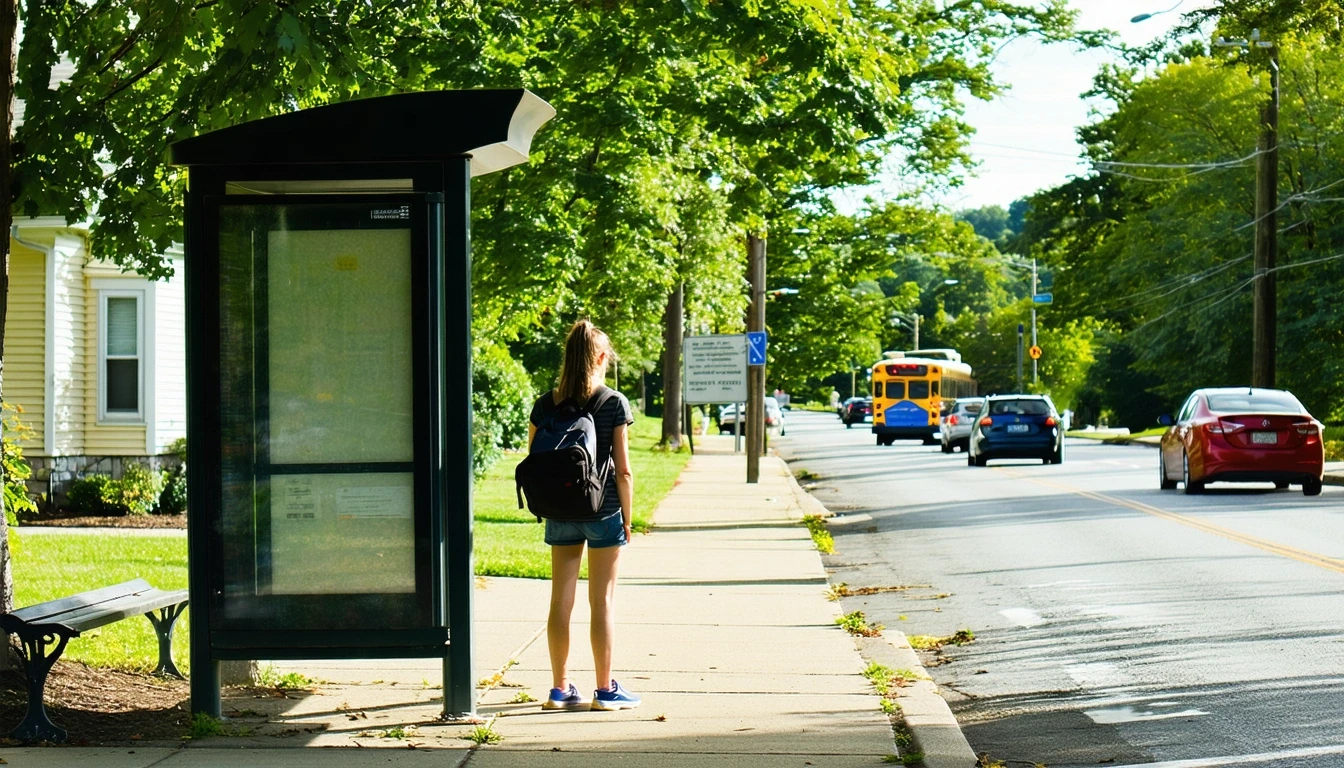
How People Get Around Laurel
Laurel’s transportation landscape reflects its role as a commuter-oriented city with pockets of density and mixed-use development. Rail service is present and plays a meaningful role for residents who live near stations and work along the Northeast Corridor. Pedestrian infrastructure is substantial in certain areas, with a pedestrian-to-road ratio that exceeds typical suburban thresholds. Food and grocery establishments are broadly accessible, with density levels that support walkable errands in parts of the city. But the city’s layout is not uniform. Outside the walkable pockets and rail-adjacent neighborhoods, car dependence rises quickly. The average commute runs 33 minutes, and more than half of workers face long commutes, signaling that many residents are traveling significant distances—often to jobs in D.C., Baltimore, or other regional employment centers.
What newcomers often misunderstand is that Laurel is not a single mobility environment. It’s a city where transit works well for some households and falls short for others, depending on proximity to rail, job location, and daily routine. The presence of rail service and walkable infrastructure in certain areas creates real alternatives to driving, but those alternatives don’t extend uniformly across the city. For households evaluating whether they can live car-free or car-light, the question isn’t whether Laurel has transit—it does—but whether their specific neighborhood, commute, and daily errands align with where that transit actually serves.
Public Transit Availability in Laurel
Public transit in Laurel often centers around rail service, which provides a direct link to Washington, D.C. and Baltimore. This rail access is a defining feature for residents who live near stations and work in those metro areas. For these households, rail transit reduces the need for daily driving, offers predictability during rush hour, and lowers exposure to parking costs and traffic volatility in the city centers. Rail service works best for commuters with fixed schedules, jobs near transit hubs, and housing within walking or short driving distance of a station.
Where transit tends to fall short is in coverage beyond the rail corridors. Laurel’s layout includes residential areas that are not easily served by fixed-route transit, particularly in the more suburban edges of the city. Late-hour service, weekend frequency, and cross-town connections are typically weaker than core commuter routes. For households that need to run errands across multiple parts of the city, manage irregular work hours, or transport children to activities, transit alone often doesn’t provide the flexibility required. The presence of rail service is a real asset, but it’s not a citywide mobility solution—it’s a corridor-based one.
Driving & Car Dependence Reality
For most households in Laurel, driving remains the primary mode of transportation. Even residents who use rail for commuting often rely on a car for errands, household logistics, and trips that don’t align with transit routes. The city’s development pattern includes both denser, mixed-use areas and lower-density residential neighborhoods where destinations are spread out and pedestrian infrastructure thins. Parking is generally available and less constrained than in urban cores, which reduces one friction point associated with car ownership but reinforces the expectation that most residents will drive regularly.
Car dependence in Laurel is tied to geography and infrastructure, not just preference. The high percentage of long commutes suggests that many workers are traveling well beyond the city limits, often to job centers that are not easily reached by transit. For families, a car provides the flexibility to manage school drop-offs, grocery runs, medical appointments, and weekend activities without the time penalties that come with waiting for transit or navigating transfers. The tradeoff is ongoing exposure to fuel prices, maintenance costs, and the time spent in traffic—but for many households, that tradeoff is unavoidable given the structure of daily life here.
Commuting Patterns & Daily Mobility
Commuting in Laurel is shaped by the city’s position between two major metro areas and the reality that many residents work outside the city. The 33-minute average commute reflects a mix of rail users, drivers heading to nearby job centers, and workers navigating longer trips into D.C. or Baltimore. More than half of workers face long commutes, which points to the prevalence of regional travel rather than local, within-city employment. This pattern creates a split: some households structure their entire day around a predictable rail commute, while others absorb the variability and time cost of driving longer distances.
For households with flexible or hybrid work arrangements, proximity to rail becomes less critical, and the focus shifts to housing affordability and neighborhood fit. The 14.7% of workers who work from home face lower daily mobility demands, which can reduce transportation costs and open up housing options in areas where transit access is limited. But for the majority of workers, commuting is a daily reality that shapes where they can live, how much time they spend in transit, and whether they can realistically function without a car.
Who Transit Works For — and Who It Doesn’t
Transit in Laurel works best for renters and homeowners who live near rail stations, work in D.C. or Baltimore, and have relatively fixed schedules. These households benefit from the predictability and cost structure of rail commuting, especially when compared to the expense and stress of driving into the city daily. Walkable pockets near stations also support car-light living for individuals or couples without children, particularly those who can handle most errands on foot or with occasional rideshare use.
Transit works less well for families with school-age children, households in peripheral neighborhoods, and workers with non-traditional hours or job locations not served by rail. For these groups, a car is not optional—it’s the only practical way to manage the logistics of daily life. The presence of strong family infrastructure, including high school density and moderate playground availability, suggests that many Laurel households are managing complex schedules that require the flexibility a car provides. Similarly, residents who need routine medical care rely on local clinics, and while those are present, reaching them without a car can add friction depending on neighborhood.
Transportation Tradeoffs in Laurel
Choosing between transit and driving in Laurel is not about which is cheaper in absolute terms—it’s about which aligns with your daily routine, job location, and household structure. Rail transit offers predictability, reduces exposure to traffic volatility, and eliminates the need for parking in downtown job centers. It works well when your commute aligns with the rail corridor and your daily errands fall within walkable or transit-accessible areas. Driving offers flexibility, coverage, and control over timing, but it comes with ongoing exposure to fuel prices, maintenance, and the time cost of longer commutes.
For households evaluating your monthly budget in Laurel, transportation is not just a line item—it’s a structural factor that shapes housing choice, time allocation, and daily stress. Living near a rail station may allow for lower transportation costs and car-light living, but it often comes with higher rent or home prices. Living farther out may reduce housing costs but increase reliance on driving and lengthen commutes. The tradeoff is not universal; it depends on job location, household size, and whether predictability or flexibility matters more to your daily routine.
FAQs About Transportation in Laurel (2026)
Is public transit usable for daily commuting in Laurel?
Yes, if you live near a rail station and work in Washington, D.C. or Baltimore. Rail service provides a reliable commute option for workers with fixed schedules and jobs near transit hubs. Outside those corridors, transit coverage is limited, and most residents rely on cars for daily commuting.
Do most people in Laurel rely on a car?
Yes. While rail service is present and walkable pockets exist, the majority of households depend on a car for errands, commuting, and household logistics. The high percentage of long commutes and the city’s mixed development pattern reinforce car dependence for most residents.
Which areas of Laurel are easiest to live in without a car?
Neighborhoods near rail stations with walkable access to groceries, schools, and services offer the best conditions for car-light or car-free living. These areas benefit from higher pedestrian infrastructure density and proximity to transit, making daily errands and commuting more manageable without a vehicle.
How does commuting in Laurel compare to nearby cities?
Laurel’s commute patterns reflect its role as a regional connector between D.C. and Baltimore. Commutes tend to be longer than in more self-contained cities, but rail access provides an alternative to driving for workers heading into either metro area. The tradeoff is between proximity to job centers and housing affordability.
Can families with children manage without a car in Laurel?
It’s difficult. While Laurel has strong family infrastructure, including high school density and accessible parks, managing school drop-offs, activities, and errands without a car adds significant time and logistical friction. Most families find that a car is necessary for daily household management.
How Transportation Fits Into the Cost of Living in Laurel
Transportation in Laurel is not just about getting from one place to another—it’s a structural factor that shapes where you can live, how much time you spend commuting, and how much flexibility you have in daily life. Rail access and walkable pockets create real alternatives to car dependence for some households, but those alternatives are geographically limited. For most residents, a car remains essential, and the costs associated with driving—fuel, maintenance, insurance—are ongoing and unavoidable.
Understanding how transportation works in Laurel helps clarify the tradeoffs between housing location, commute time, and daily convenience. If you’re evaluating whether Laurel fits your budget and lifestyle, consider not just whether transit exists, but whether it serves the places you need to go and the schedule you need to keep. The city offers real transit options for the right household in the right location, but it’s not a transit-first environment. For most people, getting around Laurel means having a car—and planning for the time and cost that come with it.
How this article was built: In addition to public economic data, this article incorporates location-based experiential signals derived from anonymized geographic patterns—such as access density, walkability, and land-use mix—to reflect how day-to-day living actually feels in Laurel, MD.