
Do you really need a car to live in Kyle? For most people, the answer is yes—but the reality is more textured than a simple suburban stereotype. Kyle sits in the Austin metro area, close enough to feel connected but far enough that daily life here operates on its own terms. While parts of the city offer surprisingly walkable pockets with solid pedestrian infrastructure, the broader structure of Kyle—especially when it comes to running errands, getting groceries, or commuting to work—still leans heavily on personal vehicles. Transportation options in Kyle reflect a place in transition: low-rise, mixed-use in spots, but without the transit density or errand accessibility that would let most households ditch the car.
How People Get Around Kyle
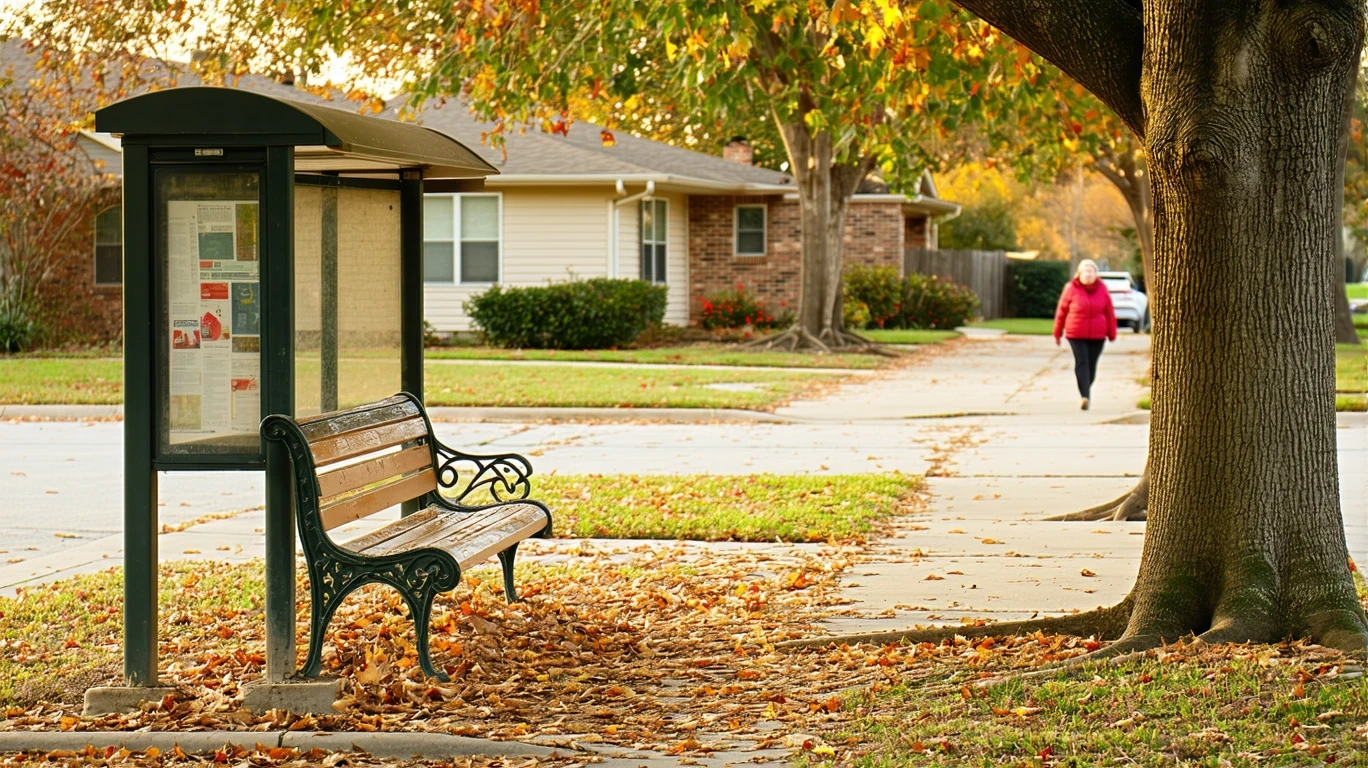
Kyle’s mobility landscape is shaped by its layout and its role in the region. The city has grown quickly, and that growth shows up in how people move. Most residents drive for most trips. That’s not because Kyle lacks infrastructure—it’s because the city’s errands accessibility is sparse. Food options exist at moderate density, but grocery stores fall below the threshold that would make frequent, car-free shopping practical. Even in neighborhoods where the pedestrian-to-road ratio is high and sidewalks are well-developed, households still find themselves planning around the car for weekly needs.
What newcomers often misunderstand is that Kyle isn’t uniformly car-dependent. There are pockets—specific neighborhoods, corridors near mixed-use development—where walking feels natural and bike infrastructure is present. But those pockets don’t connect into a citywide network. You might walk to a coffee shop or a park, but you’re still driving to the grocery store, to work, or to access services that aren’t clustered nearby. The city’s low-rise building character and the presence of both residential and commercial land use create moments of walkability, but they don’t eliminate the structural need for a vehicle.
Public Transit Availability in Kyle
Public transit in Kyle is limited. The city is served by regional bus routes that connect to the broader Austin metro, but coverage within Kyle itself is thin. Transit works best for commuters heading into Austin on predictable schedules, and even then, it requires flexibility and planning. For someone living near a bus stop with a consistent work schedule in a transit-accessible part of Austin, it can be a viable option. For everyone else—especially those working locally, managing errands, or living outside the narrow corridors where service exists—transit doesn’t solve the mobility puzzle.
Public transit in Kyle often centers around systems such as Capital Metro’s regional express routes, though coverage varies significantly by neighborhood. Service tends to be oriented toward peak commute hours rather than all-day frequency, and evening or weekend options are sparse. If you’re trying to get to a job, a medical appointment, or a grocery store within Kyle, transit isn’t structured to support that reliably. The city’s layout and the way daily destinations are distributed make transit a supplementary option at best, not a primary one.
Driving & Car Dependence Reality
Driving isn’t just common in Kyle—it’s structurally necessary for most households. The city’s development pattern, with residential areas separated from commercial clusters and grocery stores spread thin, means that even short errands often require a car. Parking is generally abundant and free, which removes one of the friction points that might otherwise push people toward alternatives. But that ease comes with tradeoffs: households absorb the cost of vehicle ownership, maintenance, insurance, and fuel as a baseline rather than a choice.
For families, driving is especially non-negotiable. School drop-offs, activity shuttles, and grocery runs don’t align with the limited transit schedule or the isolated walkable pockets. Even for individuals or couples, the lack of grocery density and the gaps in transit coverage mean that going car-free requires significant lifestyle compromise—or a willingness to rely on delivery services, which introduces its own costs and limitations.
Kyle’s position in the Austin metro adds another layer. Many residents commute to Austin, Round Rock, or other nearby employment centers. Those commutes are almost exclusively car-based. The regional express bus routes serve some of that demand, but they don’t cover the variety of destinations or schedules that Kyle’s workforce needs. Driving offers control, flexibility, and the ability to manage multi-stop days in a way that transit simply can’t match here.
Commuting Patterns & Daily Mobility
Commuting in Kyle typically means driving, often to Austin or other parts of the metro. The city’s role as a bedroom community shows up in how people structure their days. Single-job commutes are common, but so are multi-stop patterns—dropping kids at school, heading to work, picking up groceries on the way home. Transit doesn’t accommodate that complexity well, and the walkable pockets within Kyle don’t extend to employment centers or major retail clusters.
Who benefits from proximity? Households that work locally or have flexible remote schedules can take advantage of Kyle’s lower housing costs without absorbing long commute times. But for those commuting daily to Austin, the time and fuel exposure is real. The lack of commute data in the feed doesn’t erase the lived reality: Kyle’s geography and its connection to the metro mean that getting around efficiently requires a car, and commuting is a daily fact of life for many residents.
Who Transit Works For—and Who It Doesn’t
Public transit in Kyle works for a narrow slice of residents: those who live near express bus routes, work in transit-accessible parts of Austin, and have schedules that align with peak service hours. For that group—often younger renters or individuals without school-age children—transit can reduce the need for a second car or eliminate driving on workdays. But it doesn’t eliminate the need for a car entirely, because errands, weekend trips, and non-commute travel still require driving.
Transit doesn’t work well for families, for people working locally in Kyle, or for anyone whose schedule doesn’t match the limited service windows. It also doesn’t work for households living outside the corridors where bus stops exist. The city’s sparse grocery density and the way services are distributed mean that even households willing to use transit for commuting still need a car for daily life.
Renters in walkable pockets near mixed-use areas have the most flexibility. They can walk for some errands, bike occasionally, and drive when necessary. But even in those neighborhoods, the lack of grocery options within walking distance and the absence of frequent transit means that car ownership remains the default.
Transportation Tradeoffs in Kyle
Choosing between transit and driving in Kyle isn’t really a choice for most people—it’s a question of how much you drive and for what. Transit offers predictability for specific commutes, but it sacrifices flexibility, coverage, and convenience. Driving offers control and the ability to manage complex schedules, but it comes with the fixed costs of ownership and the variable exposure of fuel prices (currently $2.60 per gallon in Kyle) and maintenance.
The tradeoff isn’t just financial—it’s about time and autonomy. Transit requires planning around schedules that may not align with your needs. Driving lets you move on your terms, but it also means you’re absorbing the full cost structure of vehicle ownership. For households trying to minimize expenses, the question isn’t whether to own a car—it’s whether you can manage with one car instead of two, and whether your housing location reduces commute length enough to offset the lack of transit alternatives.
Kyle’s walkable pockets and bike infrastructure offer some relief, but they don’t fundamentally change the transportation calculus. You might walk to a park or a nearby café, but you’re still driving to the grocery store, to work, and to most services. The city’s structure rewards households that can absorb car dependence without strain and penalizes those who can’t.
FAQs About Transportation in Kyle (2026)
Is public transit usable for daily commuting in Kyle?
Public transit in Kyle is usable for commuters heading to specific parts of Austin on predictable schedules, particularly during peak hours. Regional express bus routes serve that demand, but coverage within Kyle is limited, and service frequency drops significantly outside commute windows. For daily errands, local jobs, or non-standard schedules, transit isn’t a practical primary option.
Do most people in Kyle rely on a car?
Yes. The vast majority of Kyle residents rely on a car for daily life. The city’s layout, sparse grocery density, and limited transit coverage make driving structurally necessary for most households, even those in walkable neighborhoods. Car ownership is the baseline assumption, not the exception.
Which areas of Kyle are easiest to live in without a car?
Neighborhoods with higher pedestrian infrastructure and proximity to mixed-use areas offer the most walkability, but even in those pockets, going fully car-free is difficult. Grocery access remains sparse, and transit coverage is limited. The easiest areas are those near express bus routes with walkable access to some food and services, but even there, most households still own at least one vehicle.
How does commuting in Kyle compare to nearby cities?
Commuting in Kyle is heavily car-dependent, similar to other suburban cities in the Austin metro. The difference is that Kyle offers lower housing costs, which can offset commute exposure for households willing to drive. Compared to Austin proper, Kyle has less transit coverage and fewer walkable employment centers, but it also has less traffic congestion within city limits. The tradeoff is distance and time versus housing affordability.
Can you bike for transportation in Kyle?
Bike infrastructure exists in some parts of Kyle, and the bike-to-road ratio is moderate in certain areas. You can bike for recreation or short trips in those pockets, but biking as primary transportation is limited by the same factors that constrain walking: sparse grocery access, gaps in infrastructure, and the distances involved in reaching jobs, services, and errands. Biking works as a supplement, not a replacement for driving.
How Transportation Fits Into the Cost of Living in Kyle
Transportation in Kyle isn’t just a line item—it’s a structural factor that shapes where you live, how much time you spend commuting, and how much flexibility you have in daily life. The city’s car dependence means that vehicle ownership, fuel, insurance, and maintenance are baseline costs, not optional ones. For households evaluating what a budget has to handle in Kyle, transportation is one of the largest and least compressible categories.
The tradeoff is that Kyle’s lower housing costs can create room in the budget for transportation expenses, especially for households that would face much higher rent or mortgage payments closer to Austin. But that tradeoff only works if you can absorb the time cost of commuting and the financial exposure of driving. For households on tight budgets, the lack of transit alternatives and the necessity of car ownership can limit housing flexibility and increase financial pressure.
Understanding how transportation works in Kyle—what’s realistic, what’s not, and who benefits from the city’s structure—helps you make better decisions about where to live, how many cars you need, and how to balance commute time against housing cost. Kyle rewards households that can manage car dependence efficiently and penalizes those who can’t. Knowing that upfront makes the difference between a sustainable living situation and one that stretches too thin.
How this article was built: In addition to public economic data, this article incorporates location-based experiential signals derived from anonymized geographic patterns—such as access density, walkability, and land-use mix—to reflect how day-to-day living actually feels in Kyle, TX.