
Is Kyle expensive to live in? Kyle is considered moderately priced in 2026, with a median home value of $271,000 and median rent at $1,572 per month. The value proposition depends on housing entry cost versus car dependence and commuting exposure.
You’re staring at a spreadsheet, trying to figure out if Kyle makes sense. The rent looks doable. The home prices aren’t Austin-level. But then you start adding up the car payment, the gas, the groceries you’ll need to stock because the nearest store isn’t around the corner. Suddenly the budget feels tighter than the numbers suggested.
That’s the Kyle equation: what you save on housing, you spend on getting around. And if you don’t account for both sides, you’ll misread the city entirely.
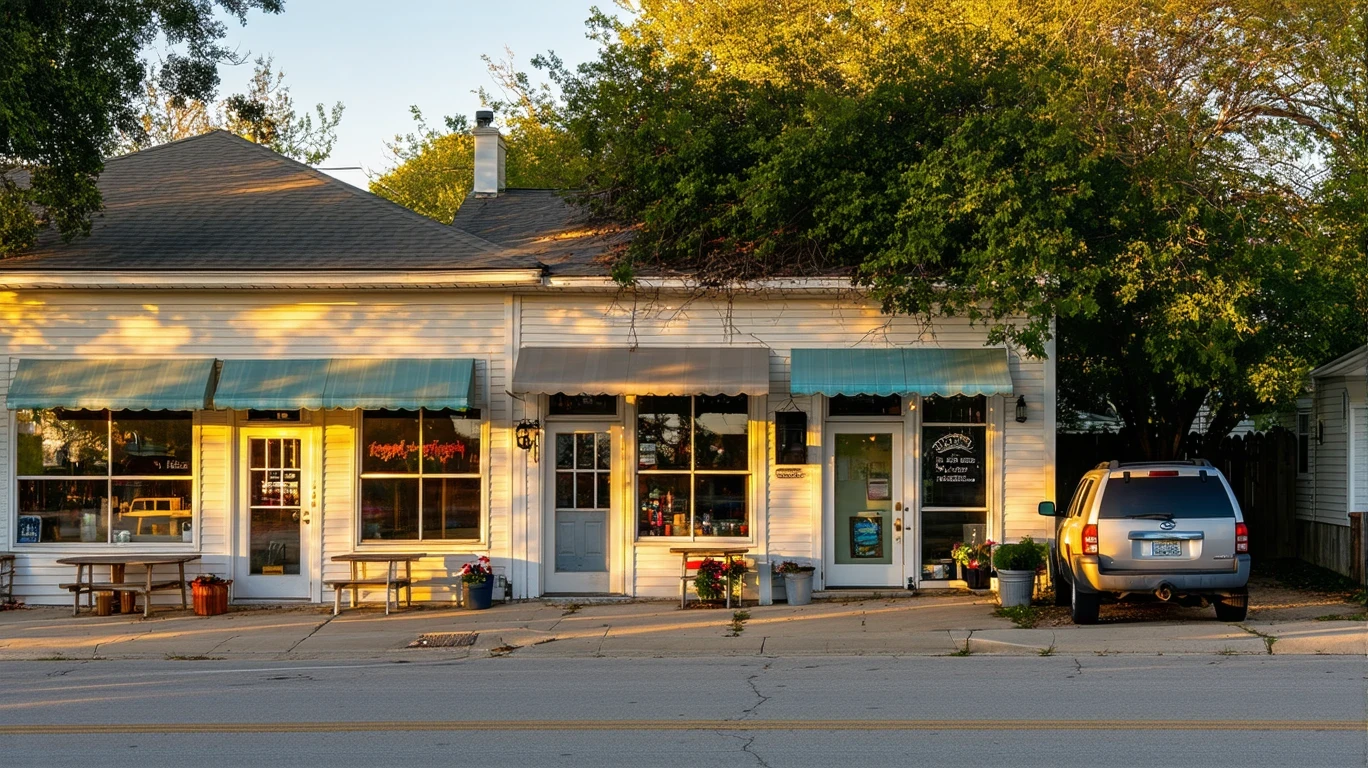
Overall Cost of Living Snapshot
Kyle sits just south of Austin, close enough to feel the metro’s pull but far enough to avoid its housing extremes. The regional price parity index here is 98, meaning overall prices track slightly below the national baseline. But that average hides the real story: housing is the entry gate, and transportation is the recurring toll.
Median household income is $85,199 per year, and the unemployment rate is 3.4%, reflecting a stable but commuter-oriented economy. Most residents work elsewhere, and that shapes daily costs more than any price index.
The primary cost driver is housing entry—whether you’re buying or renting, that’s the first decision that sets your baseline. The secondary driver is car dependence. Kyle’s infrastructure includes walkable pockets with a high pedestrian-to-road ratio, but grocery density is sparse and food establishment density sits in the medium band. That means even if your neighborhood has sidewalks, your errands still require a car. The tertiary driver is utility seasonality: triple-digit summer heat dominates cooling costs, and electricity at 15.87¢/kWh adds up fast during extended cooling months.
Driver verdict: Housing sets the floor, transportation sets the rhythm, and utilities swing with the season. The surprises come from underestimating how much car dependence costs over time and how grocery planning replaces convenience.
Housing Costs (Primary Driver)
Housing is where Kyle separates itself from Austin proper. The median home value is $271,000, and median gross rent is $1,572 per month. For renters, that monthly figure is the baseline before utilities, and it reflects a market where single-family rentals and smaller apartment complexes dominate. For buyers, $271,000 is the entry point, but property taxes, insurance, and maintenance add recurring pressure that renters don’t carry directly.
The renting-versus-owning calculus here isn’t just about monthly cash flow—it’s about exposure. Renters face lease renewal volatility and limited control over rent increases, but they avoid property tax swings and major repair costs. Owners lock in a mortgage payment but take on tax bills, insurance premiums that rise with climate risk, and the cost of keeping a home functional in a climate that stresses roofs, HVAC systems, and foundations.
Kyle functions as a transitional city: people rent while they save or settle, then buy when they’re ready to commit to the metro. It’s not a place where renting long-term is the norm, but it’s also not a market where buying is immediately accessible to all household types.
| Housing Type | Cost Anchor | What That Buys You |
|---|---|---|
| Rent | $1,572/month median | Flexibility, no property tax exposure, but renewal risk |
| Buy | $271,000 median | Equity, payment stability, but tax/insurance/maintenance exposure |
Conclusion: Kyle is a buying market for households ready to commit and a renting market for those still deciding. Neither path is cheap, but both are more accessible than Austin’s core.
Utilities & Energy Risk
Electricity is the dominant utility expense in Kyle, and summer is when it shows. The rate is 15.87¢/kWh, and with typical household usage around 1,000 kWh per month, an illustrative monthly bill runs near $159 before fees and taxes during moderate months. But in July and August, when air conditioning runs continuously through triple-digit heat, usage can climb significantly, pushing bills higher.
Natural gas is priced at $19.31 per MCF (roughly 100 therms). For households with gas heating, illustrative winter usage of 1 MCF per month translates to about $19 in commodity cost before delivery fees. But most heating months in Kyle are short and mild compared to northern climates, so gas exposure is minimal for most of the year.
The real risk is cooling season length. Kyle’s extended summer means air conditioning isn’t optional—it’s a baseline cost from May through September, and sometimes longer. Homes with poor insulation, older HVAC systems, or west-facing exposure see the highest bills. Efficiency upgrades like programmable thermostats, attic insulation, and HVAC maintenance reduce usage and help stabilize bills, but they don’t eliminate the underlying exposure.
Risk classification: Moderate. Electricity dominates, summer drives the swing, and gas is a minor factor. Households with control over insulation and equipment face lower volatility; renters in older units face higher exposure.
Groceries & Daily Costs
Grocery costs in Kyle track close to the national baseline, adjusted slightly downward by the regional price parity index of 98. Derived estimates suggest bread runs about $1.81 per pound, eggs $2.53 per dozen, and ground beef $6.62 per pound—figures that reflect moderate pricing without the markups seen in higher-cost metros.
Note: Derived estimate based on national baseline adjusted by regional price parity; not an observed local price.
But price per item isn’t the full picture. Grocery density in Kyle is low, meaning fewer stores per square mile and longer distances between options. That shifts the cost from the checkout line to the gas tank: households make fewer, larger trips rather than quick stops, and that requires planning. The food establishment density sits in the medium band, so restaurants and takeout exist, but they’re not woven into every block the way they are in denser cities.
For households used to walking to a corner store or having multiple grocery options within a mile, Kyle’s layout adds friction. It’s not expensive in dollar terms—it’s expensive in time and logistics.
Transportation Reality
Kyle is a car city. Even though walkable pockets exist—areas where the pedestrian-to-road ratio is high and sidewalks are present—the overall structure requires a vehicle for daily life. Grocery stores, schools, healthcare, and employment are spread out, and public transit options are limited. Bus stops are present, but service frequency and coverage don’t support car-free living for most households.
Gas prices are currently $2.60 per gallon, which is moderate by national standards. For a typical commuter driving 25 miles round-trip in a vehicle averaging 25 MPG, that’s about one gallon per day, or roughly $2.60 in fuel cost. Over a month, that’s around $65 in gas before accounting for maintenance, insurance, or the vehicle payment itself.
But the real transportation exposure isn’t the fuel—it’s the car dependency itself. Households need at least one vehicle, and many need two if both adults work or if school and errands don’t align geographically. That means insurance, registration, repairs, and the recurring cost of keeping a vehicle functional in a climate that stresses batteries, tires, and cooling systems.
Commute times aren’t captured in the data, but Kyle’s position relative to Austin suggests many residents drive north for work, adding time and mileage to the daily routine. Compare moving company costs and options if you’re relocating here and need to factor in vehicle transport or timing around a work start date.
Transportation is a recurring exposure, not a one-time cost. It’s the second-largest pressure point after housing, and it’s non-negotiable for most households.
Cost Exposure Profiles
Kyle’s cost structure creates different exposure levels depending on housing choice, commute length, and household logistics. Here’s how the primary exposures break down:
Housing entry versus long-term ownership: Renters face lower upfront costs but higher volatility at lease renewal and no equity accumulation. Owners face higher entry costs—down payment, closing costs, immediate maintenance—but gain payment stability and long-term equity. Property taxes and insurance rise over time, but the mortgage principal stays fixed (for fixed-rate loans), which provides a hedge against rent inflation.
Transportation dependence: Single-vehicle households face lower insurance and maintenance costs but higher scheduling friction, especially if work, school, and errands don’t align. Two-vehicle households gain flexibility but double the recurring costs: insurance, registration, repairs, and fuel. Households with shorter commutes or flexible work arrangements (including remote work) reduce transportation exposure significantly.
Utility volatility: Homes with modern HVAC systems, good insulation, and programmable thermostats face lower summer bill swings. Renters in older units or homes with poor insulation face higher exposure and less control. Natural gas exposure is minimal year-round due to mild winters.
Low-exposure situation: Homeowner with a fixed-rate mortgage, one vehicle, short commute, and an energy-efficient home. Costs are predictable, and the main variables are property tax adjustments and fuel price swings.
High-exposure situation: Renter in an older unit with poor insulation, two vehicles, long commute to Austin, and limited grocery options nearby. Costs are less predictable, and multiple variables—lease renewal, fuel prices, utility bills—can shift simultaneously.
Kyle rewards households that can lock in housing costs, minimize commute length, and control energy usage. It penalizes those who rent long-term without building equity, commute long distances daily, and lack control over home efficiency.
How Place Structure Shapes Daily Life
Kyle’s layout creates a specific rhythm: your home might sit in a neighborhood with sidewalks and nearby parks—park density here is in the moderate range, and water features are present—but your errands still require a car. Grocery density is below the low threshold, and while food establishments exist in the medium band, they’re clustered along corridors rather than distributed evenly. That means even if you can walk your dog or jog around the block, you’re driving to buy milk.
Family infrastructure is limited: both school density and playground density fall below the low threshold, so households with children face longer drives to schools and fewer nearby play spaces. Healthcare access is routine local—clinics and pharmacies are present, but no hospital is located within city limits, so serious medical needs require travel.
The urban form is low-rise with mixed land use present, meaning residential and commercial zones exist side by side in some areas, but the overall density doesn’t support walkable errands. Bike infrastructure is present in some pockets, with a bike-to-road ratio in the medium band, but it’s not extensive enough to replace a car for most trips.
What this means in practice: you plan your errands in batches, you drive to most destinations, and you rely on your car as the primary tool for managing household logistics. Convenience isn’t built into the street grid—it’s built into your schedule.
How this article was built: In addition to public economic data, this article incorporates location-based experiential signals derived from anonymized geographic patterns—such as access density, walkability, and land-use mix—to reflect how day-to-day living actually feels in Kyle, TX.
Frequently Asked Questions
Is Kyle more affordable than Austin in 2026? Yes, Kyle’s median home value of $271,000 and median rent of $1,572 per month are both lower than Austin’s core market. However, transportation costs tend to be higher due to car dependence and commuting distances, so the overall savings depend on your housing choice and commute length.
What does a typical cost profile look like in Kyle? Housing is the largest fixed cost, followed by transportation (vehicle payments, insurance, fuel) and utilities (dominated by summer cooling). Grocery costs are moderate, but the sparse grocery density means longer trips and more planning. The profile favors homeowners with short commutes and energy-efficient homes.
Do utilities cost more in Kyle than nearby areas? Electricity rates at 15.87¢/kWh are moderate for Texas, but the extended cooling season drives higher usage. Natural gas is a minor expense due to mild winters. Utility costs are more about seasonal exposure than rate differences.
What costs tend to surprise newcomers in Kyle? Transportation is the most common surprise—households underestimate how much car dependence adds up over time, especially if two vehicles are needed. Utility bills during summer months also catch renters off guard if they’re in older units without efficient cooling systems.
Are property taxes higher in Kyle than in nearby cities? Property tax rates vary by jurisdiction and are set by local taxing entities, not just the city. Kyle sits in Hays County, and rates reflect school district, county, and city levies combined. Comparing effective tax rates requires looking at the total rate applied to assessed value, which can differ even between neighboring cities.
Is Kyle a good place for renters long-term? Kyle functions more as a transitional market—people rent while saving to buy or while deciding whether to stay in the metro. Lease renewal volatility and lack of equity accumulation make long-term renting less advantageous here than in denser cities with stronger rental markets and more walkable infrastructure.
How much does commuting to Austin add to monthly costs? For a typical 25-mile round-trip commute at 25 MPG and $2.60 per gallon, fuel alone runs about $65 per month. But the full cost includes vehicle wear, insurance, and time—commuting exposure is one of the largest recurring costs after housing, and it’s often underestimated during the budgeting phase.
Can you live in Kyle without a car? Not practically. While some neighborhoods have sidewalks and bike infrastructure exists in pockets, grocery density is sparse, family infrastructure is limited, and public transit coverage is minimal. A car is essential for daily errands, work commutes, and accessing healthcare or schools.
—