
What’s it really like to call Kirkwood home? According to recent community surveys and online sentiment tracking, approximately 74 out of 100 residents say they’re happy living in this historic St. Louis County suburb. That’s a solid satisfaction rate—but the story behind those numbers reveals a more nuanced picture of daily life in this well-established community.
Kirkwood has long been known for its tree-lined streets, historic downtown district, and strong sense of civic pride. Yet like many inner-ring suburbs navigating 2025’s housing market pressures and changing demographics, the city finds itself balancing tradition with transformation. Understanding how locals actually feel about living here requires looking beyond the postcard-perfect facade to hear what residents are saying in Facebook groups, at city council meetings, and over backyard fences.
Overall Sentiment: Pride Mixed with Growing Pains
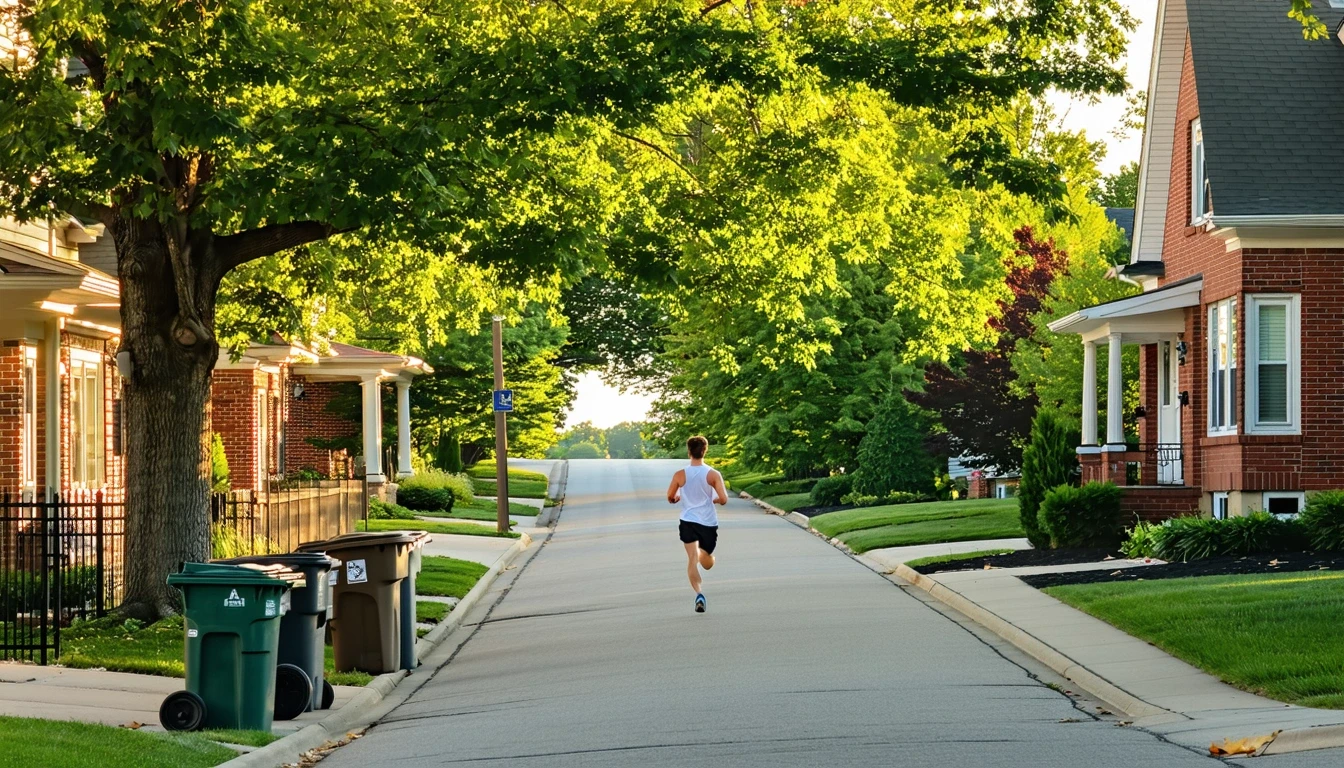
How do locals feel about living in Kirkwood in 2025? The dominant emotion is cautious optimism tinged with nostalgia. Long-time residents express deep affection for the community’s walkable downtown, excellent schools, and genuine neighborhood connections. Many describe Kirkwood as feeling like “a real town” rather than just another suburban sprawl—a place where you still run into neighbors at the farmers market and local shop owners know your name.
However, this pride comes with concerns. The Kirkwood sentiment score reflects growing anxiety about housing costs that have climbed significantly in recent years, pushing out younger families and first-time buyers. Traffic congestion along major corridors like Big Bend Boulevard and Kirkwood Road frustrates daily commuters. Some residents worry that new development threatens the historic character that makes the city special in the first place.
The African American community, which has deep roots in Kirkwood’s Meacham Park neighborhood, continues to advocate for equitable development and representation—a conversation that shapes the city’s ongoing dialogue about inclusion and growth. Meanwhile, newer residents attracted by the schools and location often express surprise at how quickly they’ve felt welcomed, even as they acknowledge the city’s complex history.
Social Media Buzz in Kirkwood
Scroll through the “Kirkwood MO Community” Facebook group or local Nextdoor feeds, and you’ll find a community actively engaged in shaping their city’s future. Recent social media sentiment has been particularly focused on development projects, school district decisions, and the perennial debate over downtown parking.
One recurring theme is fierce protectiveness of Kirkwood’s character. When a national chain proposes opening in the downtown district, comment threads light up with hundreds of responses—mostly urging support for local businesses instead. Residents share photos of blooming magnolias along tree-lined streets, celebrate local restaurant openings, and organize neighborhood cleanups with genuine enthusiasm.
The tone isn’t uniformly positive, though. Recent discussions have reflected frustration:
- “Love Kirkwood but honestly the property taxes are getting out of hand. We’re being priced out of the community we’ve lived in for 15 years.”
- “Downtown is charming but try finding parking on a Saturday afternoon. It’s become impossible and the city doesn’t seem to have a real solution.”
- “Just moved here from West County and I’m blown away by how friendly everyone is. Neighbors actually talk to each other here!”
The Reddit community r/StLouis frequently includes Kirkwood in discussions about where to live in the metro area, with commenters generally ranking it highly for schools and walkability while noting it skews more expensive than outer suburbs. Sentiment appears stable rather than rising or falling dramatically—Kirkwood maintains its reputation as a desirable but increasingly costly place to live.
Local News Tone: Cautiously Optimistic with Watchdog Edge
Local news coverage of Kirkwood in 2025 reflects a community grappling with growth management and fiscal responsibility. The Kirkwood-Webster Times and St. Louis Post-Dispatch suburban coverage tend toward a cautiously optimistic tone, celebrating community events and local business successes while maintaining scrutiny on city government decisions.
Recent headlines have highlighted the city’s strong financial position and AAA bond rating—a point of civic pride. Coverage of the downtown district’s continued vitality, including new restaurant openings and the popular farmers market, reinforces Kirkwood’s image as a thriving community hub.
However, investigative pieces have examined development controversies, particularly around projects that residents fear could alter neighborhood character. Coverage of city council meetings often reveals passionate debate about zoning changes, with reporters capturing both pro-growth and preservation perspectives. The tone suggests a community actively wrestling with its future rather than coasting on past success.
Crime coverage remains relatively minimal compared to other St. Louis County municipalities, though any incident receives thorough attention—reflecting both the city’s generally safe reputation and residents’ high expectations for public safety.
Review-Based Public Perception
Across Google reviews, Yelp, and Nextdoor recommendations, Kirkwood earns consistently positive marks for quality of life factors. The downtown district receives particularly enthusiastic reviews, with visitors and residents alike praising the walkable collection of locally-owned restaurants, boutiques, and the historic train station.
Neighborhood-level sentiment varies somewhat. The areas surrounding downtown and near Kirkwood Park tend to generate the most enthusiastic reviews—residents describe these sections as the “heart” of the community with the strongest sense of place. The Meacham Park neighborhood receives praise for its tight-knit community feel and ongoing revitalization efforts, though some residents note it still feels somewhat separated from the rest of Kirkwood despite annexation decades ago.
More suburban sections along the city’s edges receive solid but less passionate reviews. These areas offer the practical benefits of Kirkwood’s school district and address without the premium pricing of closer-in neighborhoods, though residents sometimes note they feel less connected to the downtown energy.
Common themes in reviews include:
- Excellent public schools that justify higher housing costs for families
- Genuine small-town atmosphere despite proximity to a major metro area
- Strong parks and recreation programming
- Frustration with typical costs that have risen faster than many residents’ incomes
- Limited diversity in restaurant options compared to trendier city neighborhoods
The overall impression from review platforms is of a community that delivers on its promises—good schools, safe streets, engaged neighbors—while struggling with the affordability challenges facing many desirable inner-ring suburbs nationwide.
Comparison to Nearby Cities
| Factor | Kirkwood | Webster Groves | Crestwood |
|---|---|---|---|
| Overall Mood | Proud but concerned about affordability | Confident and culturally engaged | Practical and value-focused |
| Community Vibe | Historic small-town feel with active civic life | Intellectual and arts-oriented | Quiet suburban with shopping focus |
| Housing Sentiment | Desirable but increasingly expensive | Premium pricing accepted for location | More accessible entry point |
| Development Outlook | Cautious about preserving character | Selective about growth | Embracing commercial expansion |
Compared to neighboring Webster Groves, Kirkwood residents express similar pride in their community but with slightly less emphasis on cultural amenities and more focus on practical family-friendliness. Webster Groves attracts residents who prioritize its Eden Seminary presence and reputation for progressive politics, while Kirkwood appeals to those seeking a more traditional suburban experience with small-town charm.
Crestwood, just to the south, offers a more affordable alternative with excellent shopping options at Crestwood Plaza, but residents there acknowledge missing the walkable downtown character that defines Kirkwood. Crestwood’s sentiment leans more practical—residents appreciate value and convenience over atmosphere.
All three communities share concerns about aging infrastructure and the challenge of maintaining quality services while keeping taxes manageable, reflecting broader pressures facing St. Louis County’s inner-ring suburbs.
What Locals Are Saying
To understand how locals truly feel about living in Kirkwood, here’s what residents from different backgrounds shared about their experience:
“We moved here five years ago specifically for the schools, and they’ve exceeded expectations. My kids walk to the elementary school, we can bike downtown for ice cream, and I actually know my neighbors’ names. That said, our home prices have jumped 40% since we bought, which is great for equity but terrible for our friends trying to move here.” — Parent of two, downtown area
“I’ve lived in Meacham Park my whole life, and I’ve seen a lot of change. Some good, some complicated. The community here is strong—people look out for each other. But sometimes it feels like we’re still fighting to be seen as fully part of Kirkwood, not just a neighborhood that got annexed.” — Long-time resident, Meacham Park
“Honestly, Kirkwood is pretty great if you can afford it. I’m a young professional working remotely, and I love that I can walk to coffee shops and restaurants. The train station gives me easy access to downtown St. Louis when I want city energy. My only complaint is that it skews older—not a ton of nightlife or younger crowd activities.” — Remote worker, late 20s
“We retired here from West County and couldn’t be happier. Everything we need is within a few miles, the parks are beautiful for walking, and there’s always something happening downtown. Yes, it’s more expensive than where we were, but the quality of life is worth it.” — Retiree couple, near Kirkwood Park
“The traffic on Big Bend during rush hour is my least favorite thing about living here. Otherwise, it’s a solid community. Good schools, safe neighborhoods, responsive city services. Not the most exciting place if you’re young and single, but perfect for raising a family.” — Commuter, south Kirkwood
“I appreciate that Kirkwood has maintained its character while other suburbs have become cookie-cutter developments. The historic homes, the actual downtown with local businesses—it feels authentic. I just wish the city would do more to support affordable housing so it doesn’t become exclusively upper-middle-class.” — Local business owner, downtown
Is Kirkwood a Happy City?
So how do locals feel about living in Kirkwood? The answer is genuinely positive, with important caveats. This is a community where residents feel invested in their city’s future, where civic engagement runs high, and where the small-town atmosphere remains intact despite suburban sprawl all around.
The 74% satisfaction rate reflects real strengths: excellent schools that justify their reputation, a walkable downtown that functions as a true community gathering place, safe neighborhoods where kids still play outside, and a level of civic pride that manifests in well-maintained homes and active participation in local events.
Yet the challenges are equally real. Rising housing costs threaten to price out the economic diversity that strengthens communities. Traffic congestion frustrates daily life. The ongoing work of building a truly inclusive community that honors all of Kirkwood’s neighborhoods and histories remains unfinished. And like many inner-ring suburbs, Kirkwood faces the delicate balance of welcoming appropriate growth while preserving the character that makes it special.
For families prioritizing schools and safety, for empty-nesters seeking walkability and community, for anyone valuing small-town atmosphere with big-city access, Kirkwood delivers consistently. The sentiment is stable rather than soaring—residents appreciate what they have while remaining realistic about challenges ahead.
If you’re considering Kirkwood, the local sentiment suggests you’ll find a genuine community with deep roots and active civic life. Just be prepared for the premium pricing that comes with those benefits, and understand that you’re joining a city in conversation with itself about what it wants to become. For many residents, that ongoing dialogue is part of what makes Kirkwood feel like a real place worth investing in—not just financially, but emotionally and civically as well.
Curious about the practical side of making Kirkwood work for your situation? Explore detailed breakdowns of what it actually costs to live here, from housing to everyday expenses, to see if this well-loved suburb fits your budget and lifestyle needs.