
“I thought I could ditch my car when I moved here. That lasted about two weeks.” That’s how one Kansas City commuter described the gap between expectation and reality when it comes to getting around this metro.
Kansas City sits at the intersection of Midwest sprawl and emerging urban density. It’s a city where rail transit exists, walkable neighborhoods are real, and yet most residents still depend on a car for daily life. Understanding transportation options in Kansas City means recognizing that mobility here is shaped by geography, infrastructure history, and the practical limits of public transit coverage — not by preference alone.
This article explains how people actually move through Kansas City in 2026: what transit can and can’t do, where driving becomes necessary, and which household types benefit from proximity versus those who absorb commute friction as part of the tradeoff for space or affordability.
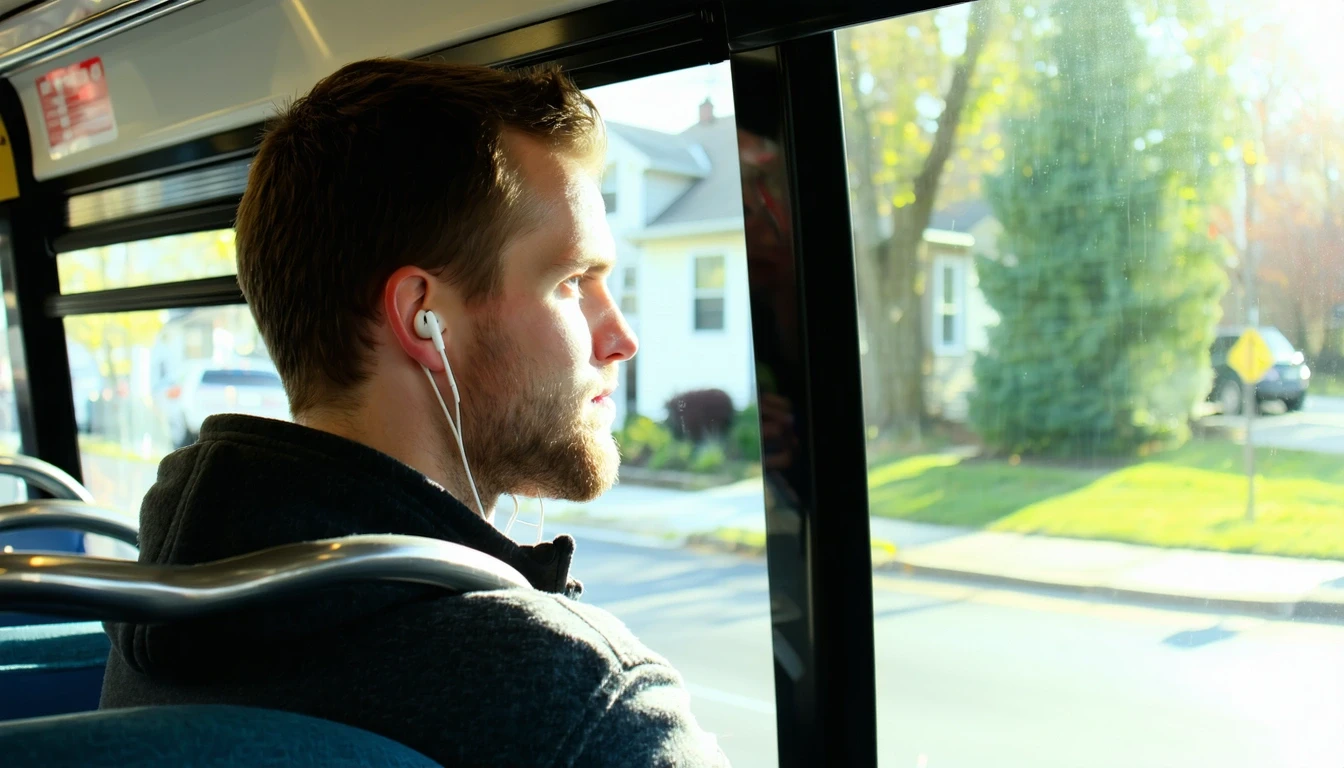
How People Get Around Kansas City
Kansas City’s transportation landscape reflects its dual identity. The metro sprawls across two states, with low-density suburbs radiating outward from a compact urban core. Within that core — and along specific corridors — pedestrian infrastructure is substantial. The pedestrian-to-road ratio exceeds thresholds that typically support walkable daily life, and mixed-use development brings residential and commercial land use into close contact.
But step outside those pockets, and car dependence reasserts itself quickly. The typical commute in Kansas City is 22 minutes, which suggests moderate distances but also reveals that most people are driving those distances. Only 3.1% of workers report working from home, and more than a quarter — 26.1% — face long commutes, a signal that jobs and housing remain spatially mismatched for a significant share of residents.
Newcomers often misunderstand Kansas City’s walkability. Yes, certain neighborhoods support car-free or car-light living. But those areas are the exception, not the rule. For most households, a car isn’t a luxury — it’s the baseline for accessing work, groceries, healthcare, and social life.
Public Transit Availability in Kansas City
Public transit in Kansas City often centers around systems such as RideKC, which operates both bus and rail service. The presence of rail transit — specifically the KC Streetcar — distinguishes Kansas City from many peer metros and provides a real alternative for residents living and working along its route.
But rail coverage is geographically limited. The streetcar serves a narrow corridor through downtown and into the River Market and Crown Center districts. If your daily destinations fall along that line, transit becomes viable. If they don’t, you’re reliant on bus service, which offers broader coverage but less frequency and longer travel times.
Bus service is present throughout much of the metro, but the structure favors radial routes into downtown rather than crosstown connections. This works well for traditional commuters heading to the urban core but creates friction for residents who need to move between suburban job centers, run multi-stop errands, or travel during off-peak hours.
Transit works best in Kansas City for people whose lives align with its fixed corridors and schedules. It works poorly — or not at all — for households in outer suburbs, parents managing school and activity logistics, or workers whose jobs require flexibility or frequent travel between dispersed sites.
Driving & Car Dependence Reality
For most Kansas City residents, driving isn’t a choice — it’s a structural necessity. The metro’s development pattern prioritized highways and low-density growth, and that legacy shapes daily life today. Parking is abundant and typically free outside the urban core, which removes one of the friction points that discourages driving in denser cities.
Sprawl creates commute flexibility in one sense: residents can live farther from work and still reach it in reasonable time, especially outside peak hours. But that flexibility comes with exposure. Gas prices — currently $3.31 per gallon — translate into a recurring cost that scales with distance. And because so many households depend on a car for every trip, there’s little ability to substitute transit or walking when fuel costs rise.
Car dependence also shapes where people choose to live. Families often prioritize space, school access, and affordability over proximity, accepting longer commutes as part of the tradeoff. Renters in walkable core neighborhoods pay a premium for reduced car reliance, but that premium reflects scarcity: there simply aren’t enough transit-served, pedestrian-friendly areas to meet demand.
Commuting Patterns & Daily Mobility
Commuting in Kansas City typically follows a hub-and-spoke pattern, with downtown and a few suburban job centers acting as anchors. The 22-minute average commute suggests that most workers live within a manageable radius of their jobs, but the 26.1% facing long commutes reveal that a substantial minority are absorbing significant time and distance burdens.
Single-job commuters with fixed schedules have the most flexibility to consider transit, especially if they live near rail or frequent bus routes. But many Kansas City households don’t fit that profile. Parents managing school drop-offs, workers with variable shifts, and residents who need to run errands on the way home all face friction that makes car dependence nearly unavoidable.
The low work-from-home percentage — just 3.1% — means that most residents are making the commute daily, and that repetition amplifies the importance of reliability and control. Transit can work when it aligns perfectly with your routine, but any deviation — a late meeting, a sick child, an errand across town — often requires a car as backup.
Who Transit Works For — and Who It Doesn’t
Transit in Kansas City works best for a specific subset of residents: renters in core neighborhoods, single commuters with predictable schedules, and households willing to structure their lives around fixed routes and limited service hours. If you live near the streetcar line and work downtown, transit can genuinely replace car ownership. If you live in Overland Park and work in North Kansas City, it can’t.
Families face the steepest barriers. School access, activity logistics, and grocery trips all favor car ownership, and the time cost of managing those tasks via transit quickly becomes prohibitive. Suburban homeowners, even those near bus lines, typically find that service frequency and coverage gaps make transit impractical for daily life.
Older adults and residents with mobility limitations face a different calculus. Transit can reduce isolation and maintain independence, but only if routes connect to essential services and schedules align with medical appointments and errands. For many, paratransit or ride-hailing becomes the fallback, not fixed-route service.
Transportation Tradeoffs in Kansas City
Choosing between transit and driving in Kansas City isn’t about comparing monthly costs — it’s about weighing predictability, control, and flexibility against exposure and recurring expenses.
Transit offers predictability in one sense: no maintenance surprises, no insurance renewals, no fuel price swings. But it sacrifices control. You’re bound to fixed schedules, limited coverage, and the time cost of transfers and waiting. For households whose routines align with transit, that tradeoff works. For everyone else, it doesn’t.
Driving offers control and flexibility but exposes households to volatility. Fuel prices fluctuate. Maintenance costs arrive unpredictably. Insurance premiums adjust annually. And because car dependence is so widespread in Kansas City, there’s little ability to reduce exposure when costs rise — you still need to get to work, and transit often isn’t a viable substitute.
The real tradeoff isn’t transit versus driving. It’s proximity versus space. Living near transit-served corridors reduces car dependence but typically means higher rent, smaller units, and less parking. Living farther out offers more space and lower housing pressure, but locks in car ownership and commute time as fixed costs.
FAQs About Transportation in Kansas City (2026)
Is public transit usable for daily commuting in Kansas City?
Public transit works for daily commuting in Kansas City if you live and work along specific corridors, particularly near the streetcar line or frequent bus routes into downtown. Outside those areas, transit becomes impractical for most residents due to limited coverage, infrequent service, and long travel times for crosstown trips.
Do most people in Kansas City rely on a car?
Yes. The vast majority of Kansas City residents depend on a car for daily life. The metro’s sprawling geography, limited transit coverage, and job dispersion make car ownership nearly essential for accessing work, errands, and services outside the urban core.
Which areas of Kansas City are easiest to live in without a car?
The easiest areas to live without a car are neighborhoods along the KC Streetcar corridor, including downtown, the Crossroads Arts District, River Market, and Crown Center. These areas combine transit access with walkable density and proximity to groceries, services, and employment. Outside these pockets, car-free living becomes significantly more difficult.
How does commuting in Kansas City compare to nearby cities?
Kansas City’s 22-minute average commute is moderate compared to larger metros, but the high percentage of long commutes — 26.1% — suggests that spatial mismatch between jobs and housing creates burden for a significant share of workers. Compared to peer cities, Kansas City offers less transit coverage but more highway access and lower congestion outside peak hours.
Can you bike for transportation in Kansas City?
Cycling infrastructure exists in parts of Kansas City, particularly in core neighborhoods and along designated trails. However, bike-to-road ratios suggest that cycling remains a niche option rather than a mainstream transportation mode. Biking works best for short trips within walkable districts, but the metro’s sprawl and car-oriented design limit its practicality for longer commutes or trips across disconnected areas.
How Transportation Fits Into the Cost of Living in Kansas City
Transportation isn’t just a line item in your monthly budget in Kansas City — it’s a structural factor that shapes where you can live, how much time you spend commuting, and how much control you have over recurring expenses.
Households that prioritize proximity and transit access pay more in rent but gain flexibility and reduce exposure to fuel and maintenance volatility. Households that prioritize space and affordability often accept car dependence and longer commutes as part of the tradeoff, locking in transportation as a fixed cost that scales with distance and usage.
Understanding how transportation works in Kansas City means recognizing that mobility here is shaped by infrastructure, geography, and the practical limits of public transit — not by personal preference. The metro offers real walkable pockets and functional rail service, but those options serve a minority of residents. For most, a car remains the baseline, and the question isn’t whether to own one, but how to manage the exposure that comes with it.
How this article was built: In addition to public economic data, this article incorporates location-based experiential signals derived from anonymized geographic patterns—such as access density, walkability, and land-use mix—to reflect how day-to-day living actually feels in Kansas City, MO.
—