
Kansas City, KS is considered relatively affordable in 2026, with a median home value of $133,800 and median gross rent of $1,044 per month. The main exposure is transportation dependence and housing entry cost rather than day-to-day price volatility.
Mara pulled into a gas station off State Avenue on her second week in Kansas City, Kansas, filling her tank at $2.84 per gallon and mentally tallying what she’d spent so far: first month’s rent, a security deposit, groceries at a mid-sized chain near her apartment, and now fuel for a commute she hadn’t fully mapped yet. She’d moved from a pricier metro expecting relief, and the sticker prices were lower—but she was starting to notice where the tradeoffs lived.
Understanding the cost structure in Kansas City means recognizing that affordability here isn’t just about lower prices—it’s about which expenses dominate your household and how the physical layout of the city shapes your day-to-day spending. Housing entry costs are low compared to many metros, but transportation becomes a recurring fixed cost for most residents. Utility bills swing with the seasons, and grocery prices sit below national averages. The question isn’t whether Kansas City is cheap—it’s whether the specific cost exposures here align with how you live.
Overall Cost of Living Snapshot
Kansas City, Kansas operates with a regional price parity index of 93, meaning the overall price level sits roughly 7% below the national baseline. That discount shows up most clearly in housing and modestly in groceries, but it doesn’t eliminate cost pressure—it redistributes it. The dominant financial reality for most households is the combination of low housing entry costs and high transportation dependency, with utility seasonality adding moderate swings throughout the year.
The unemployment rate stands at 4.3%, reflecting a stable but not booming labor market. Median household income is $56,120 per year (approximately $4,677 gross per month), which positions many households to access ownership but leaves less margin for absorbing transportation or utility spikes without planning.
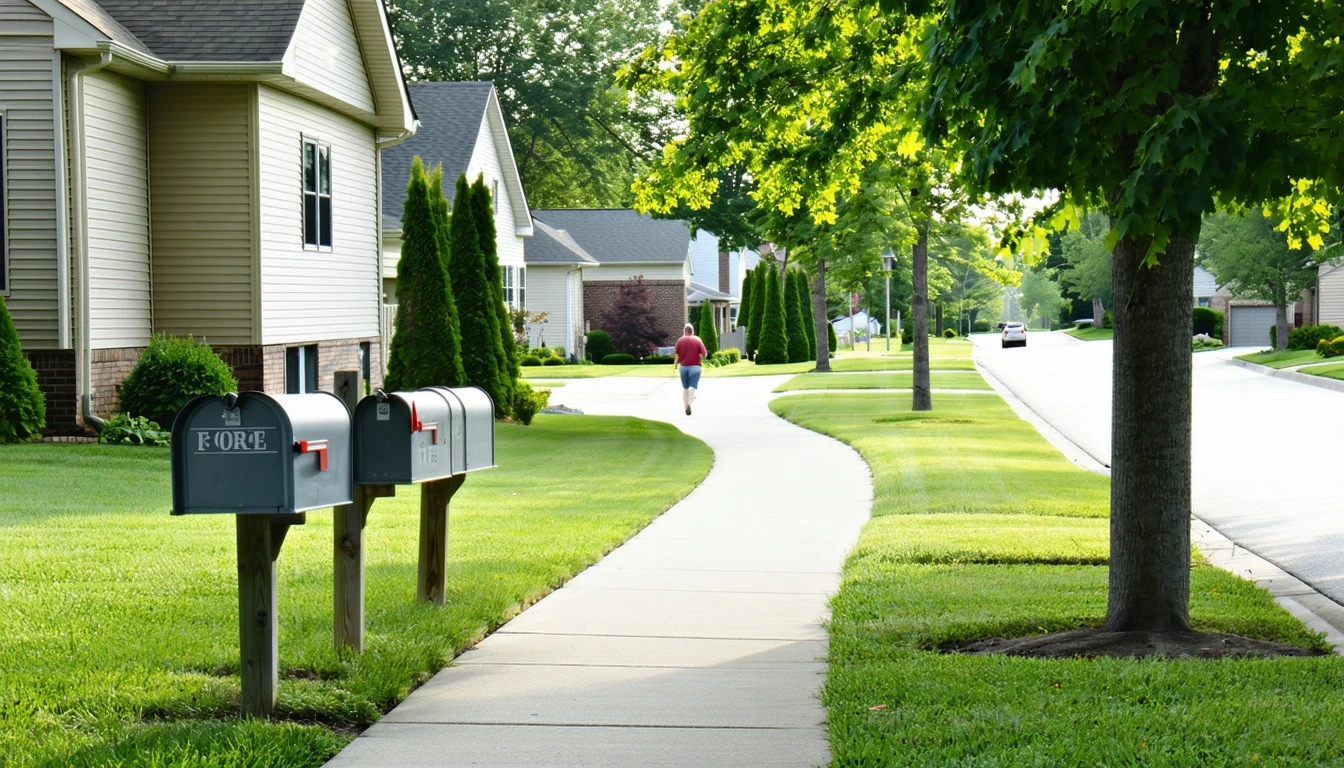
What surprises newcomers isn’t any single price point—it’s the realization that savings on rent or mortgage payments often get redirected into vehicle ownership, fuel, and maintenance. The city’s infrastructure includes rail transit and walkable pockets with substantial pedestrian infrastructure, but food and grocery access remains corridor-clustered, and much of daily life still assumes car access. The cost structure rewards those who can minimize driving or live near the denser, mixed-use areas where errands are more accessible on foot.
Driver verdict: Housing affordability dominates the value proposition, but transportation dependency is the hidden recurring cost. Surprises come from seasonal utility swings and the logistics burden of reaching daily errands outside walkable corridors.
Housing Costs (Primary Driver)
The median home value in Kansas City, Kansas is $133,800, placing ownership within reach for many households earning near or above the metro median. The median gross rent is $1,044 per month, which translates to roughly 22% of gross monthly income for a household at the city median. Both figures reflect a housing market that favors entry over exclusion, though the quality, location, and condition of housing vary significantly across neighborhoods.
Renting offers lower upfront cost and flexibility, particularly for those still determining which parts of the city align with their commute or lifestyle needs. Ownership, however, becomes attractive quickly for households with stable income and the ability to manage maintenance and property taxes. The low entry price means that monthly mortgage payments (before taxes, insurance, and fees) can compete with or undercut rent, especially for those willing to take on older housing stock or neighborhoods farther from the walkable, mixed-use pockets.
The tradeoff isn’t just rent versus mortgage—it’s proximity versus cost. Living near areas with higher pedestrian infrastructure density, better grocery access, or rail transit typically commands a premium, while more car-dependent areas offer lower housing costs but higher transportation exposure. The city’s building stock shows a mixed height character, with both low-rise residential areas and pockets of more vertical development, and land use mixing residential and commercial space in certain corridors.
| Housing Type | Cost Anchor | What That Buys You |
|---|---|---|
| Median Home Purchase | $133,800 | Entry-level ownership, older stock, variable neighborhood access |
| Median Rental | $1,044/month | Flexibility, lower upfront cost, corridor or suburban location |
Conclusion: Kansas City, Kansas is a buying market for households with stable income and the ability to navigate maintenance and property tax exposure. Renting makes sense for those prioritizing flexibility or testing neighborhood fit, but ownership becomes financially competitive quickly given the low entry threshold.
Utilities & Energy Risk
Electricity in Kansas City, Kansas costs 14.43¢ per kWh, a rate that sits near the national midpoint. For a household using typical amounts of power for cooling, lighting, and appliances, summer bills rise with extended heat exposure, while winter electric use depends on whether the home relies on electric heat or natural gas. The current temperature of 56°F (feels like 56°F) reflects the transitional seasons, but the region experiences both triple-digit summer heat and cold winter stretches that drive seasonal demand.
Natural gas is priced at $12.56 per MCF (roughly 100 therms), which translates to moderate heating costs during colder months. Homes heated with gas face predictable winter bill increases, while those relying on electric heat see sharper swings tied to both temperature and electricity rates. The volatility isn’t extreme, but it’s present—households without weatherization, programmable thermostats, or insulation upgrades face larger seasonal swings than those who’ve invested in efficiency.
Utility risk in Kansas City is best classified as moderate. Bills aren’t negligible, and seasonal swings matter, but they don’t dominate household budgets the way housing or transportation do. The exposure is highest for renters in older units without control over insulation or HVAC efficiency, and lowest for owners who’ve made targeted upgrades or live in newer construction.
Groceries & Daily Costs
Grocery costs in Kansas City, Kansas reflect the city’s below-national price level, with the regional price parity index of 93 suggesting modest savings on food and household goods compared to higher-cost metros. Derived estimates based on national baselines adjusted for regional price parity show bread around $1.71 per pound, chicken at $1.90 per pound, and milk near $3.81 per half-gallon. Ground beef sits higher at $6.28 per pound, while staples like rice ($0.98/lb) and eggs ($2.40/dozen) remain accessible.
The pressure point isn’t the prices themselves—it’s access. Food and grocery establishments are corridor-clustered, meaning that households living outside those corridors face either longer drives or fewer nearby options. For those near the medium-density food and grocery zones, daily errands are manageable. For those farther out, grocery runs become planned trips rather than quick stops, adding time and transportation cost to the effective price of food.
Household impact varies by proximity and vehicle access. A household near a grocery corridor with walkable access experiences groceries as a low-friction, low-cost category. A household requiring a 15-minute drive each way experiences groceries as a combined cost of food plus fuel plus time, even if the sticker prices remain low.
Transportation Reality
Kansas City, Kansas is a car-dependent city with important exceptions. The pedestrian-to-road ratio exceeds high thresholds in certain areas, and rail transit service is present, offering alternatives for those living or working near stations. Bike infrastructure exists in pockets, with a moderate bike-to-road ratio suggesting some but not comprehensive cycling viability. For most households, however, day-to-day costs assume vehicle ownership.
Gasoline costs $2.84 per gallon, a price that becomes meaningful when multiplied across weekly commutes, errands, and household logistics. Households running two vehicles face doubled exposure to fuel, insurance, maintenance, and depreciation. Those able to live near rail lines or within walkable pockets can reduce or eliminate one vehicle, shifting transportation from a major recurring cost to a minor one.
The transportation tradeoff in Kansas City isn’t whether you’ll spend money getting around—it’s whether that spending is distributed across one vehicle or two, and whether your housing location allows you to replace some car trips with transit, biking, or walking. The infrastructure exists in parts of the city to support lower-car lifestyles, but it’s not evenly distributed, and most housing stock assumes car access.
Because food and grocery access is corridor-clustered rather than broadly accessible, even households trying to minimize driving often find themselves making planned trips for routine errands. The result is that transportation functions as a recurring fixed cost for the majority of residents, with variability determined more by household location and vehicle count than by gas prices alone.
Cost Exposure Profiles
The cost structure in Kansas City, Kansas creates distinct exposure profiles depending on housing choice, location, and transportation needs. Understanding these profiles helps clarify where financial pressure concentrates and where households gain control.
Low-exposure situations: Households that purchase homes near walkable pockets or rail transit, minimize vehicle count, and invest in modest weatherization face the lowest ongoing cost pressure. Housing costs remain fixed and predictable, transportation becomes optional or single-vehicle, and utilities stay within a manageable seasonal band. Grocery access improves with proximity to corridor clusters, reducing both time and fuel costs.
High-exposure situations: Households renting in car-dependent areas far from grocery corridors, running two vehicles, and occupying older, less-efficient housing face compounding costs. Rent offers no equity build, transportation becomes a double fixed cost, utility bills swing more sharply with the seasons, and errands require planned trips. The sticker prices remain low, but the combined logistical and financial burden grows.
The difference isn’t income level—it’s structural positioning. A household earning $4,500 gross per month can thrive in Kansas City if they own a home near transit and run one vehicle. The same household can struggle if they rent far from services and operate two cars. The city rewards those who can align housing location with transportation infrastructure and minimize vehicle dependency, and it penalizes those who can’t.
How this article was built: In addition to public economic data, this article incorporates location-based experiential signals derived from anonymized geographic patterns—such as access density, walkability, and land-use mix—to reflect how day-to-day living actually feels in Kansas City, KS.
Frequently Asked Questions
Is Kansas City, KS more affordable than Kansas City, MO in 2026? Kansas City, Kansas generally offers lower housing entry costs than its Missouri counterpart, though specific neighborhood comparisons vary. The tradeoff often involves proximity to job centers and walkable amenities, which tend to concentrate more on the Missouri side.
What does a typical cost profile look like in Kansas City, KS? A typical household faces low to moderate housing costs, moderate seasonal utility swings, below-average grocery prices, and significant transportation expenses if car-dependent. The profile favors homeowners near transit or walkable areas and challenges renters in car-dependent zones.
Do utilities cost more in Kansas City, KS than in nearby areas? Utility rates in Kansas City, Kansas sit near regional averages, with electricity at 14.43¢/kWh and natural gas at $12.56/MCF. Costs are driven more by seasonal demand and housing efficiency than by rate differences across nearby cities.
What costs tend to surprise newcomers in Kansas City, KS? Newcomers often underestimate transportation costs, particularly if they assume walkability or transit access will match denser metros. Seasonal utility swings and the logistics of reaching groceries outside corridor clusters also catch some households off guard.
Are property taxes higher in Kansas City, KS than Kansas City, MO? Property tax structures differ between Kansas and Missouri, and rates vary by county and jurisdiction. Kansas City, Kansas properties may face different mill levies and assessment practices than comparable homes across the state line, making direct comparison dependent on specific location and home value.
Can you live in Kansas City, KS without a car? It’s possible in certain neighborhoods near rail transit and within walkable pockets, but the majority of the city assumes car access. Households without vehicles face significant constraints on grocery access, errands, and commute options unless they live in one of the denser, better-connected areas.
How much does commuting cost in Kansas City, KS? Commuting costs depend on distance, vehicle efficiency, and whether transit is viable. Gasoline at $2.84/gallon becomes a recurring expense for most workers, and households running two commutes face doubled fuel and maintenance costs. Living near work or transit reduces this exposure substantially.
Is Kansas City, KS a good place for renters or buyers? Kansas City, Kansas favors buyers due to low home values and competitive mortgage-to-rent ratios. Renters gain flexibility and lower upfront costs but miss equity building and face less control over utility efficiency and location-based transportation costs.
—