
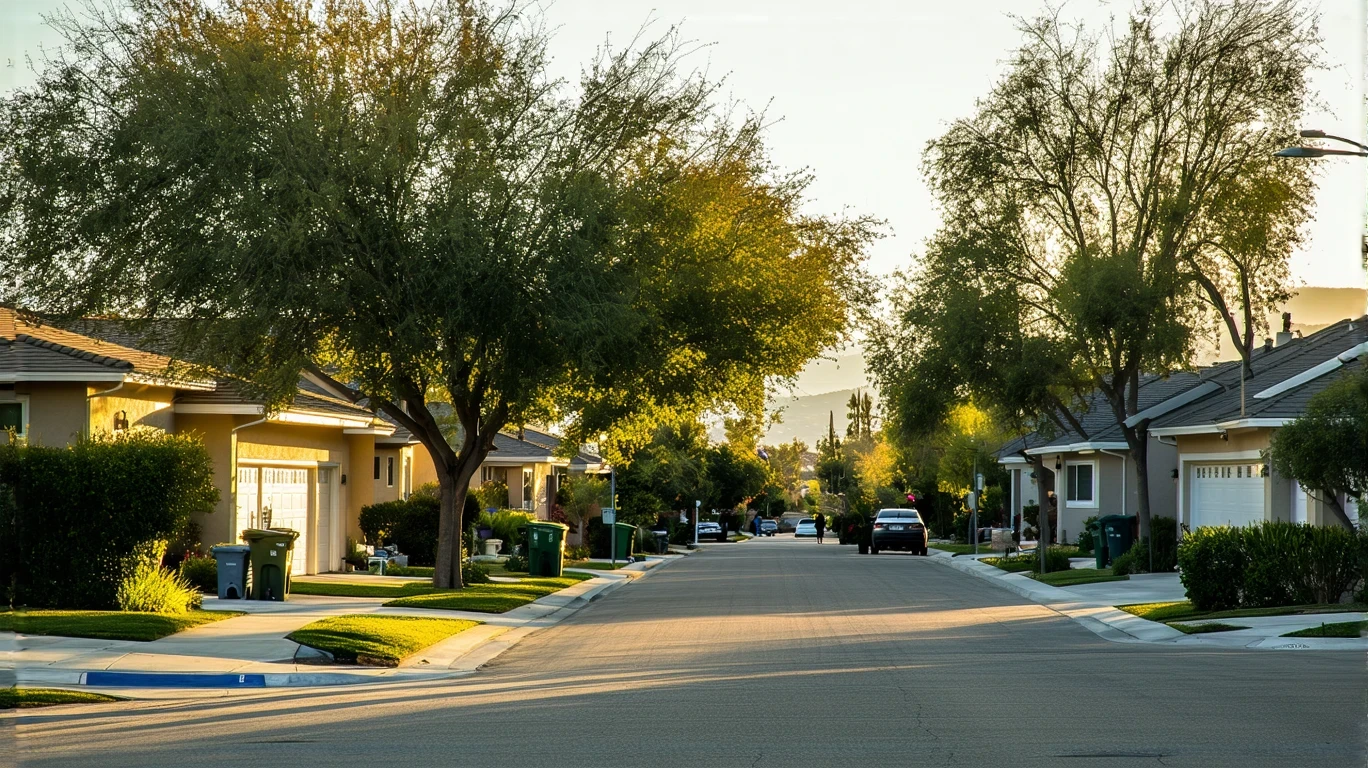
Most people assume Murrieta is the “nicer” city and therefore more expensive across the board—but that oversimplifies how cost pressure actually shows up. Both Jurupa Valley and Murrieta sit in California’s Inland Empire, share the same regional utility rates and gas prices, and cater to households looking for space outside the coastal metros. The real difference isn’t about one city being universally cheaper; it’s about where costs concentrate and which households feel those differences most acutely in 2026.
Jurupa Valley offers lower housing entry barriers and rail transit access, which matters for households sensitive to front-loaded costs and car dependency. Murrieta commands higher rents and home prices but delivers denser park networks, stronger family infrastructure, and a higher median income context that reflects its dual-income household base. The decision between them hinges on whether your household prioritizes minimizing upfront housing pressure or gaining access to amenities that reduce ongoing logistics friction—especially for families managing school-age children and outdoor routines.
This comparison explains how the same income feels different depending on which cost structures dominate your day-to-day life, and why the “better deal” depends entirely on what you’re optimizing for.
Housing Costs
Housing is where the two cities diverge most sharply. Jurupa Valley’s median home value sits at $481,500, while Murrieta’s reaches $567,700—a substantial gap that translates directly into down payment requirements, mortgage obligations, and property tax exposure for buyers. Renters face a similar spread: Jurupa Valley’s median gross rent is $1,618 per month, compared to Murrieta’s $2,150 per month. Both cities feature predominantly low-rise, single-family housing stock with mixed residential and commercial land use, so the difference isn’t about urban form—it’s about market positioning and demand intensity.
For first-time buyers, Jurupa Valley’s lower entry threshold reduces the cash needed upfront and opens access to ownership for households earning closer to the regional median. Murrieta’s higher home values reflect its reputation as a family-oriented destination with newer construction and more developed recreational infrastructure, but that premium shows up immediately in closing costs and monthly mortgage payments. Renters experience the same dynamic: Jurupa Valley offers more flexibility for single adults or couples prioritizing lower fixed obligations, while Murrieta’s rental market caters to households willing to pay more for proximity to parks, playgrounds, and family-focused amenities.
The housing cost difference also shapes long-term financial exposure. Property taxes scale with assessed value, so Murrieta homeowners face higher annual tax bills even if rates are identical. Maintenance, insurance, and HOA fees (common in both cities’ newer developments) also rise with home value, compounding the ongoing cost gap. Jurupa Valley’s lower baseline reduces these secondary expenses, making it easier to absorb unexpected repairs or utility spikes without destabilizing a monthly budget.
| Housing Type | Jurupa Valley | Murrieta |
|---|---|---|
| Median Home Value | $481,500 | $567,700 |
| Median Gross Rent | $1,618/month | $2,150/month |
Housing takeaway: Households prioritizing lower entry costs and flexibility favor Jurupa Valley; those willing to pay more upfront for family amenities and park access lean toward Murrieta. The difference is most acute for renters and first-time buyers, where the monthly or down payment gap directly affects what’s affordable. Families planning to stay long-term may find Murrieta’s higher costs justified by reduced need to travel for recreation, while cost-sensitive households benefit from Jurupa Valley’s lower baseline across all housing types.
Utilities and Energy Costs
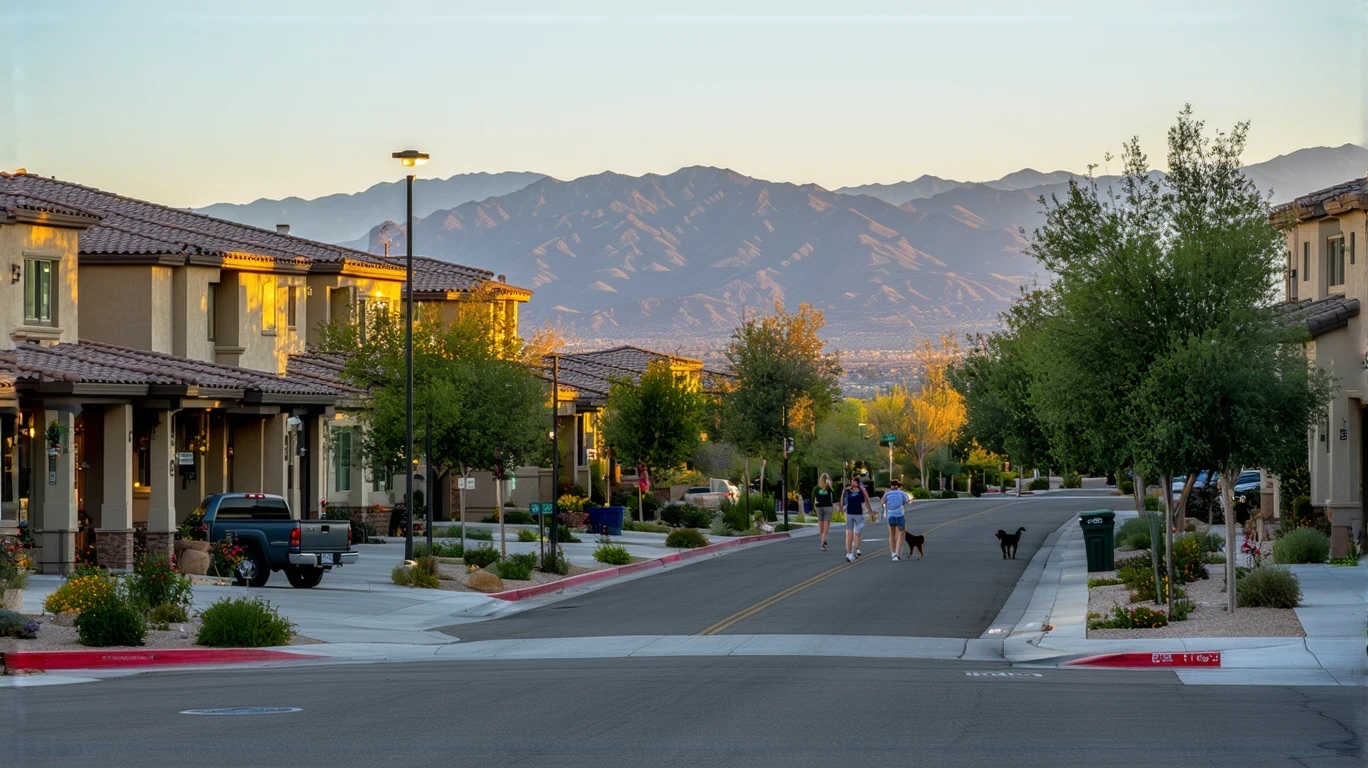
Both cities share the same regional utility infrastructure, with electricity priced at 30.29¢/kWh and natural gas at $23.78/MCF. That means the rate structure is identical—but how those rates translate into monthly bills depends on housing stock, home size, and cooling demands driven by Inland Empire heat. Summer temperatures regularly push into triple digits in both cities, making air conditioning a non-negotiable expense rather than a discretionary comfort. Older homes with less efficient insulation or single-pane windows amplify cooling costs, while newer construction with better sealing and energy-efficient HVAC systems keeps usage more predictable.
Murrieta’s housing stock skews slightly newer on average, which can reduce baseline cooling and heating exposure for households in recently built developments. Jurupa Valley’s mix includes more older single-family homes, where utility bills can swing more dramatically during peak summer months if the home lacks modern weatherization. Both cities experience mild winters with rare heating demands, so natural gas costs remain low and stable year-round—the real volatility comes from electricity during extended heat waves, when usage can double or triple compared to spring and fall.
Household size and home square footage also drive differences. Larger families in Murrieta’s spacious single-family homes face higher absolute cooling costs simply due to volume, even if per-square-foot efficiency is better. Single adults or couples in smaller Jurupa Valley rentals may see lower total bills but higher per-capita exposure if the unit is older or poorly insulated. Time-of-use rate structures, common with regional utilities, reward households that can shift laundry, dishwashing, and EV charging to off-peak hours—a strategy that works better for flexible schedules than for families managing rigid school and work routines.
Utility takeaway: Utility cost exposure is less about which city you’re in and more about the age and size of your specific home. Murrieta’s newer housing stock offers more predictability, while Jurupa Valley’s older homes introduce more volatility during extreme heat. Families with larger homes face higher absolute costs in either city, but single adults and couples can minimize exposure by prioritizing smaller, well-insulated units and shifting usage to off-peak hours where possible.
Groceries and Daily Expenses
Both Jurupa Valley and Murrieta show food and grocery options concentrated along commercial corridors rather than distributed evenly across neighborhoods, which means most households rely on driving for weekly shopping trips. Murrieta’s food establishment density exceeds high thresholds, reflecting a robust mix of chain grocers, discount stores, and prepared food options that support both budget-conscious and convenience-oriented shopping. Jurupa Valley’s grocery density falls in the medium band, with fewer total options but still enough variety to avoid long drives for staples.
The regional price parity index for both cities is 100, meaning grocery prices track closely with national baselines after adjusting for California’s generally higher cost structure. Derived estimates suggest staples like bread ($1.85/lb), chicken ($2.05/lb), and eggs ($2.50/dozen) cost roughly the same in both cities, so the real difference comes from shopping habits and access friction. Murrieta’s denser food landscape makes it easier to comparison-shop or grab last-minute items without a dedicated trip, reducing the temptation to overspend on convenience stores or takeout. Jurupa Valley households may need to plan grocery runs more deliberately, which can actually reduce impulse spending but adds time cost to weekly routines.
Families managing larger grocery volumes benefit from Murrieta’s proximity to big-box stores and warehouse clubs, where bulk purchasing lowers per-unit costs but requires upfront cash and storage space. Single adults and couples in Jurupa Valley can keep grocery spending lean by sticking to discount chains and avoiding the convenience creep that comes with abundant prepared food options. Dining out frequency also varies: Murrieta’s higher median household income supports a more active restaurant scene, which can quietly inflate monthly spending if eating out becomes a default rather than an occasional choice.
Grocery takeaway: Households sensitive to convenience and variety prefer Murrieta’s denser food landscape, while those prioritizing lower baseline spending and willing to plan ahead can keep costs tighter in Jurupa Valley. Families benefit from Murrieta’s bulk-shopping access, but single adults and couples may find Jurupa Valley’s sparser options actually reduce temptation to overspend on prepared foods and impulse purchases.
Taxes and Fees
Property taxes in both cities scale with assessed home value, so Murrieta’s higher median home prices translate directly into higher annual tax bills for homeowners. A home valued at $567,700 carries more tax exposure than one at $481,500, even if the effective rate is identical. This difference compounds over time, especially for long-term residents who benefit from Proposition 13’s assessment caps but still face higher baseline obligations. Renters don’t pay property taxes directly, but landlords pass those costs through in monthly rent, which partially explains Murrieta’s higher rental prices.
Both cities participate in California’s statewide sales tax structure, with local add-ons that fund municipal services. These rates are similar across the Inland Empire, so day-to-day purchases—gas, groceries, household goods—don’t vary meaningfully between Jurupa Valley and Murrieta. The real differentiation comes from HOA fees and special assessments, which are common in both cities’ newer master-planned communities. Murrieta’s developments often bundle landscaping, community pools, and recreational facilities into HOA dues, which can range from modest to substantial depending on the neighborhood. Jurupa Valley’s older housing stock includes fewer HOA-governed communities, reducing recurring fees but also shifting maintenance and amenity costs directly onto individual homeowners.
Trash collection, water, and sewer fees vary by provider and usage, but both cities follow similar billing structures. Households in Murrieta’s newer developments may see these costs bundled or subsidized through HOA dues, creating more predictability but less control. Jurupa Valley residents typically pay these fees separately, which offers more transparency but requires tracking multiple monthly bills. For renters, these distinctions often disappear—landlords either include utilities in rent or pass them through as fixed monthly charges.
Taxes and fees takeaway: Murrieta homeowners face higher property tax exposure due to elevated home values, and HOA fees add predictable but inflexible monthly costs. Jurupa Valley’s lower home values reduce baseline tax obligations, and fewer HOA-governed communities mean more control over discretionary spending but also more responsibility for upkeep. Renters in both cities see these costs reflected indirectly in rent, with Murrieta’s premium partly driven by landlords covering higher taxes and fees.
Transportation and Commute Reality
Transportation infrastructure separates the two cities more than housing or utilities. Jurupa Valley has rail transit access, which provides a car alternative for commuters heading to regional employment centers or connecting to broader transit networks. Murrieta relies on bus service only, which limits flexibility and increases car dependency for most households. Both cities show pedestrian infrastructure concentrated in pockets rather than distributed evenly, and cycling infrastructure exists but remains limited to certain corridors—so for day-to-day errands and commuting, most residents in either city default to driving.
Gas prices sit at $5.84/gallon in both cities, reflecting California’s higher fuel costs. Households commuting long distances or managing multiple daily trips face substantial monthly fuel expenses, especially if work-from-home isn’t an option. Jurupa Valley’s rail access reduces this pressure for commuters whose destinations align with transit routes, cutting both fuel costs and vehicle wear over time. Murrieta households without transit alternatives absorb the full cost of car ownership—insurance, maintenance, registration, and depreciation—on top of fuel, which compounds the financial burden for single-car or multi-driver families.
Commute time data isn’t available for either city, but the structural difference is clear: Jurupa Valley offers optionality, while Murrieta demands car reliance. For dual-income households where both partners commute, that distinction can mean the difference between needing one reliable vehicle or two. Families managing school drop-offs, activity shuttles, and grocery runs face similar logistics in both cities, but Murrieta’s denser park network reduces the need to drive long distances for weekend recreation, offsetting some of the weekday transportation load.
Transportation takeaway: Jurupa Valley’s rail access provides meaningful cost relief for commuters who can use it, reducing fuel and vehicle expenses over time. Murrieta’s bus-only transit increases car dependency, which raises baseline transportation costs for all household types. Families benefit from Murrieta’s local amenities reducing weekend driving, but weekday commuters face higher ongoing costs without transit alternatives.
Cost Structure Comparison
Housing dominates the cost experience in both cities, but the nature of that pressure differs. Murrieta front-loads costs through higher rents and home prices, creating a steeper entry barrier but delivering amenities—parks, playgrounds, family infrastructure—that reduce ongoing logistics friction. Jurupa Valley lowers the upfront threshold, making it easier to access homeownership or secure rental housing, but households may spend more time and fuel traveling for recreation or activities that Murrieta provides locally.
Utilities introduce similar exposure in both cities due to shared regional rates and comparable climate demands, but Murrieta’s newer housing stock offers more predictability while Jurupa Valley’s older homes can experience sharper seasonal swings. Transportation patterns matter more in Murrieta, where car dependency is near-universal and transit alternatives are limited. Jurupa Valley’s rail access provides optionality that can meaningfully reduce fuel and vehicle costs for commuters whose routes align with transit service.
Daily living costs—groceries, dining, convenience spending—track closely in both cities, with Murrieta’s denser food landscape offering more variety and convenience at the risk of higher spending creep. Jurupa Valley’s sparser options encourage more deliberate shopping, which can keep baseline costs lower but requires more planning. Taxes and fees scale with home values, so Murrieta homeowners face higher ongoing obligations even if rates are identical, while Jurupa Valley’s lower baseline reduces long-term exposure.
For households sensitive to housing entry costs and transportation flexibility, Jurupa Valley’s lower prices and transit access provide meaningful relief. For families prioritizing local amenities, park density, and reduced need to travel for daily activities, Murrieta’s higher upfront costs deliver ongoing convenience that offsets some of the premium. The better choice depends on which costs dominate your household’s financial and logistical reality—predictability and convenience versus flexibility and lower baseline obligations.
How the Same Income Feels in Jurupa Valley vs Murrieta
Single Adult
Housing becomes the first non-negotiable, and Jurupa Valley’s lower rent baseline leaves more room for discretionary spending or savings. Flexibility exists in grocery shopping and transportation if you can align with transit routes or consolidate errands. Murrieta’s higher rent consumes more of a single income upfront, but denser food options and park access reduce time spent driving, which can offset some of the premium if your schedule values convenience over cash savings. Car dependence in Murrieta means fuel and maintenance costs stay high regardless of housing choice.
Dual-Income Couple
Housing still dominates, but two incomes create more flexibility to absorb Murrieta’s higher rent or mortgage payments in exchange for amenities and convenience. Commute friction becomes the key variable—if both partners can work remotely or one can use Jurupa Valley’s rail transit, transportation costs stay manageable. In Murrieta, dual commutes without transit alternatives mean two cars, two fuel budgets, and compounding vehicle expenses. Grocery and daily spending flexibility increases with two incomes, but Murrieta’s abundant dining and convenience options can quietly inflate monthly totals if eating out becomes routine rather than occasional.
Family with Kids
Housing space needs push costs higher in both cities, but Murrieta’s park density and playground infrastructure reduce the need to drive for weekend activities or burn fuel shuttling kids to distant recreation. Jurupa Valley’s lower home prices ease the entry barrier, but limited family infrastructure means more time and gas spent traveling for school activities, sports, and outdoor play. Grocery costs scale with household size in both cities, but Murrieta’s bulk-shopping access and denser food landscape make weekly provisioning more efficient. Childcare, school fees, and activity costs exist in both cities, but Murrieta’s higher median income context reflects a market where dual-income families are the norm, not the exception.
Decision Matrix: Which City Fits Which Household?
| Decision Factor | If You’re Sensitive to This… | Jurupa Valley Tends to Fit When… | Murrieta Tends to Fit When… |
|---|---|---|---|
| Housing entry + space needs | Down payment size, monthly rent, baseline mortgage obligation | You prioritize lower upfront costs and flexibility over immediate amenity access | You can absorb higher entry costs in exchange for family infrastructure and park density |
| Transportation dependence + commute friction | Fuel costs, vehicle wear, commute optionality | Your commute aligns with rail transit routes or you value car alternatives | You accept full car dependency and can manage dual-vehicle costs if needed |
| Utility variability + home size exposure | Seasonal bill swings, cooling costs, predictability | You can prioritize smaller or well-insulated units to minimize volatility | You value newer construction that delivers more predictable energy performance |
| Grocery strategy + convenience spending creep | Impulse purchases, dining out frequency, planning burden | You prefer deliberate shopping and can plan weekly trips to minimize convenience costs | You value variety and proximity even if it risks higher spending on prepared foods |
| Fees + friction costs (HOA, services, upkeep) | Predictable vs variable monthly obligations, control over spending | You want more control over maintenance and fewer bundled fees | You prefer predictable HOA-bundled services even if they reduce spending flexibility |
| Time budget (schedule flexibility, errands, logistics) | Driving time, weekend travel for activities, daily convenience | You can consolidate errands and accept longer trips for lower baseline housing costs | You value local park access and reduced weekend driving for family activities |
Lifestyle Fit
Both cities deliver low-rise, suburban living with mixed residential and commercial land use, but the day-to-day experience differs in meaningful ways. Jurupa Valley’s rail transit access and walkable pockets provide more mobility options for households willing to structure routines around transit schedules and corridor-based errands. Murrieta’s bus-only transit and car-oriented layout demand vehicle ownership, but the payoff comes in denser parks, playgrounds, and family amenities that reduce the need to drive long distances for recreation. If your household values optionality and lower housing costs, Jurupa Valley’s structure supports that. If you prioritize local convenience and family infrastructure, Murrieta’s layout delivers it—at a premium.
Outdoor access also diverges. Murrieta’s park density exceeds high thresholds, with water features and integrated green space that support regular outdoor routines without planning or travel. Jurupa Valley’s park access sits in the moderate range, with water features present but fewer total options within walking distance. For families with young children or active retirees, that difference translates into how often you need to drive for weekend outings versus walking to a nearby park. Both cities experience hot, dry summers and mild winters, so outdoor activity is year-round—but Murrieta’s infrastructure makes it easier to access spontaneously.
Healthcare access is similar in both cities, with clinics and pharmacies present but no hospital facilities. Routine medical needs are covered locally, but emergency care or specialized treatment requires travel to regional centers. Jurupa Valley’s rail transit can simplify medical trips for households without reliable vehicles, while Murrieta residents depend entirely on car access for healthcare beyond basic clinic visits. Both cities show school density below or at low thresholds, so families often navigate enrollment boundaries or consider private options depending on neighborhood.
Quick facts: Jurupa Valley offers rail transit access and lower housing entry costs. Murrieta delivers denser parks, stronger family infrastructure, and higher food establishment variety.
Frequently Asked Questions
Is Jurupa Valley or Murrieta cheaper for renters in 2026?
Jurupa Valley’s median gross rent is $1,618 per month, compared to Murrieta’s $2,150 per month, making Jurupa Valley the lower-cost option for renters. The difference reflects Murrieta’s premium for family amenities and park density, while Jurupa Valley prioritizes affordability and transit access. Renters sensitive to baseline housing costs benefit from Jurupa Valley’s lower entry threshold, while those willing to pay more for local convenience and recreational infrastructure lean toward Murrieta.
Which city has lower transportation costs, Jurupa Valley or Murrieta, in 2026?
Jurupa Valley’s rail transit access provides a car alternative for commuters whose routes align with service, reducing fuel and vehicle expenses over time. Murrieta relies on bus-only transit, which increases car dependency and raises baseline transportation costs for all household types. Gas prices are identical at $5.84/gallon in both cities, so the difference comes from whether you can reduce driving frequency—Jurupa Valley offers that optionality, while Murrieta demands full car reliance for most trips.
Do Jurupa Valley and Murrieta have the same utility rates in 2026?
Yes, both cities share regional utility infrastructure with electricity priced at 30.29¢/kWh and natural gas at $23.78/MCF. The difference in monthly bills comes from housing stock age, home size, and cooling demands during Inland Empire heat. Murrieta’s newer construction tends to deliver more predictable energy performance, while Jurupa Valley’s older homes can experience sharper seasonal swings. Households prioritizing utility predictability benefit from Murrieta’s housing stock, while those willing to manage volatility can access lower baseline housing costs in Jurupa Valley.
Which city is better for families with kids, Jurupa Valley or Murrieta, in 2026?
Murrieta’s park density exceeds high thresholds and playground infrastructure meets density benchmarks, reducing the need to drive for weekend recreation and daily outdoor play. Jurupa Valley’s family infrastructure sits below those thresholds, meaning more time and fuel spent traveling for activities. Murrieta’s higher housing costs reflect this amenity premium, while Jurupa Valley’s lower entry barrier eases the path to homeownership for families prioritizing space over immediate local infrastructure. The better choice depends on whether your household values convenience and reduced logistics friction or lower baseline housing obligations.
How do grocery costs compare between Jurupa Valley and Murrieta in 2026?
Both cities track closely with national grocery baselines after adjusting for California’s cost structure, with derived estimates showing staples like bread ($1.85/lb), chicken ($2.05/lb), and eggs ($2.50/dozen) priced similarly. The real difference comes from access and shopping habits: Murrieta’s food establishment density exceeds high thresholds, offering more variety and convenience but risking higher spending on prepared foods and dining out. Jurupa Valley’s medium-density food landscape encourages more deliberate shopping, which can keep costs lower but requires more planning and travel for weekly provisioning.
Conclusion
Jurupa Valley and Murrieta both deliver suburban living in California’s Inland Empire, but the cost structures diverge in ways that matter deeply depending on your household’s priorities. Jurupa Valley lowers the entry barrier with cheaper rent and home prices, offers rail transit access that reduces car dependency for some commuters, and provides enough infrastructure to support daily life without forcing constant travel. Murrieta commands higher housing costs but delivers denser parks, stronger family amenities, and local convenience that reduces weekend driving and logistics friction—especially valuable for families managing school-age children and active outdoor routines.
The decision isn’t about which city is universally cheaper; it’s about which cost pressures your household can absorb and which tradeoffs align with your financial and logistical reality. Households prioritizing lower baseline obligations, transportation flexibility, and room for discretionary spending or savings will find Jurupa Valley’s structure more forgiving. Families willing to pay more upfront for local amenities, reduced travel time, and predictable access to recreation will find Murrieta’s premium justified by the convenience it delivers. Both cities offer viable paths—just different ones, shaped by where costs concentrate and what your household optimizes for in 2026.
How this article was built: In addition to public economic data, this article incorporates location-based experiential signals derived from anonymized geographic patterns—such as access density, walkability, and land-use mix—to reflect how day-to-day living actually feels in Jurupa Valley and Murrieta.