
How much is enough to feel at ease? In Indianapolis, that question doesn’t have a single answer—because comfort isn’t just about the number on your paycheck. It’s about whether your income gives you choices, absorbs surprises, and leaves room to breathe. The same salary can feel spacious for one household and stretched thin for another, depending on how you live, where you settle, and what you’re not willing to compromise on.
Indianapolis sits below the national price average, with a regional price parity index of 95, meaning goods and services generally cost less here than in many metro areas. The median household income is $59,110 per year, and unemployment stands at 4.2%. But those figures don’t tell you whether your income will work here—or what “comfortable” actually looks like day to day.
This article explains where income pressure shows up in Indianapolis, how the same earnings feel different depending on household type, and how to judge whether your financial reality aligns with what this city demands.
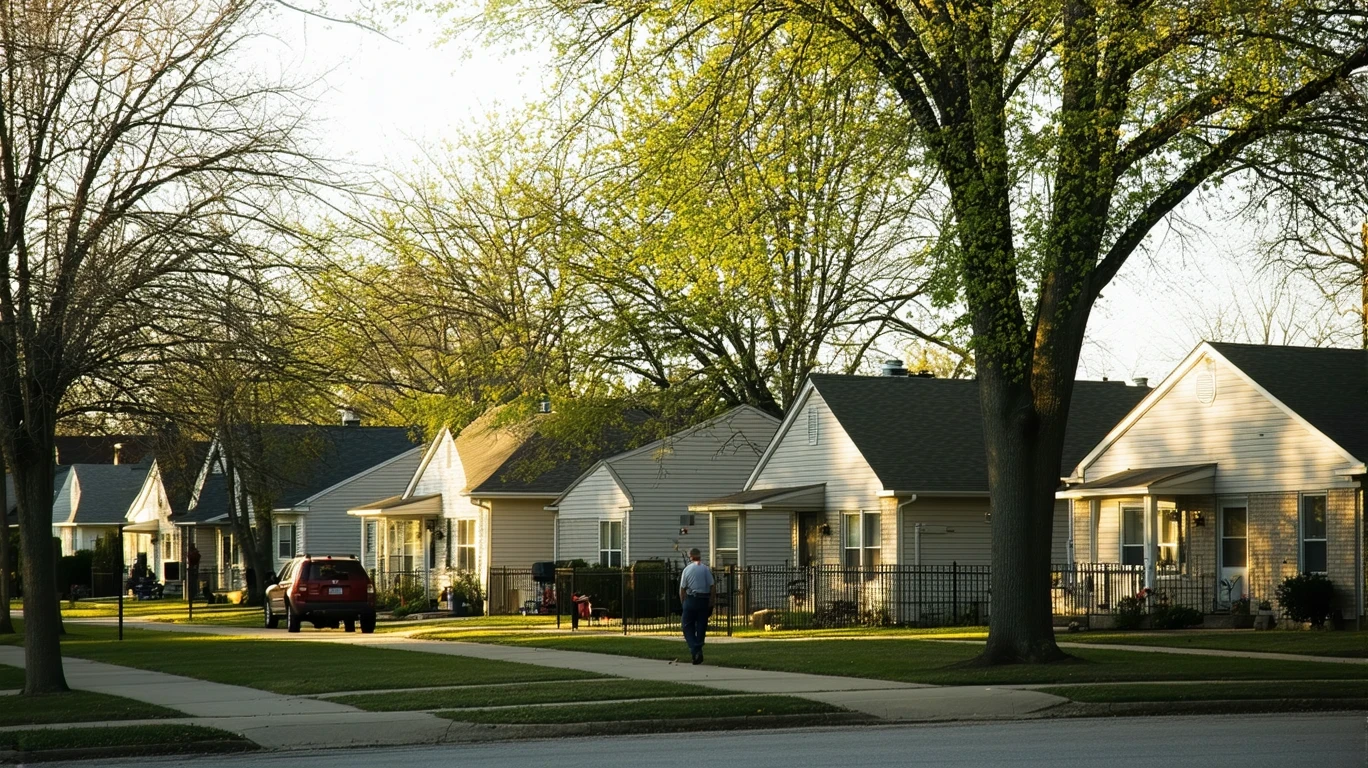
What “Living Comfortably” Means in Indianapolis
Comfort in Indianapolis isn’t about luxury—it’s about control. It means your housing choice isn’t dictated solely by what you can afford at the ceiling of your budget. It means seasonal utility swings don’t force you to adjust your thermostat to uncomfortable levels. It means you can run errands without elaborate planning, and transportation offers genuine options rather than a forced default.
For many residents, comfort also means access to parks and green space, the ability to get to a hospital or pharmacy without logistical stress, and enough margin to handle the unexpected without derailing the month. Indianapolis offers integrated park access and strong healthcare availability, with hospital facilities and pharmacies present throughout the metro. But accessing those amenities still depends on where you live and how you get around.
Expectations matter. If you’re used to walkable neighborhoods with rail transit and dense retail, Indianapolis can deliver that experience—but only in specific pockets. If you expect low housing costs across the board, you’ll find them, but often with tradeoffs in location, space, or condition. Comfort here is contextual, not universal.
Where Income Pressure Shows Up First
Income pressure in Indianapolis doesn’t announce itself with a single overwhelming cost. It accumulates across several areas, and which one dominates depends on your household structure and priorities.
Housing Tradeoffs
The median gross rent is $1,046 per month, and the median home value is $184,600. Those figures suggest affordability compared to many metro areas, but they mask the tradeoffs underneath. Rent at that level assumes you’re willing to accept certain limitations—location farther from walkable areas, older building stock, or neighborhoods with fewer services nearby.
If you want to live in one of the walkable pockets with high pedestrian-to-road ratios, mixed land use, and access to rail transit, rent rises. If you’re buying, home values in those areas exceed the median, sometimes significantly. Families seeking space near schools face similar pressure: school density in Indianapolis is moderate, not high, meaning proximity to quality options often comes at a premium.
Housing costs don’t just claim a share of income—they shape every other decision. Choose affordability, and you may add transportation time and cost. Choose location, and you may sacrifice square footage or condition.
Utility Volatility
Indianapolis experiences cold winters, and heating dominates utility exposure. Electricity costs 17.41¢ per kWh, and natural gas runs $11.31 per thousand cubic feet. Current winter temperatures sit at 28°F, with a feels-like temperature of 18°F, illustrating the kind of sustained cold that drives heating demand for months.
Utility bills aren’t steady here—they swing with the season. Households in older homes or larger spaces feel this more acutely. The difference between a mild month and a peak heating month can be substantial, and if your income doesn’t include a buffer, those swings create pressure. Comfort means absorbing that variability without cutting back elsewhere.
Transportation Structure
Indianapolis has rail transit and notable cycling infrastructure, with bike-to-road ratios exceeding high thresholds in certain areas. But transit viability isn’t uniform. If you live and work in areas served by rail or within walkable pockets, car ownership becomes optional. If you don’t, it’s effectively mandatory.
Gas prices sit at $2.71 per gallon, which is manageable—but only if you’re not driving long distances daily. Car ownership brings insurance, maintenance, registration, and depreciation. For households stretched thin, transportation isn’t just a line item—it’s a binding constraint that limits housing choice and job flexibility.
Family-Specific Pressure
Families face compounding demands. School access is present but not strong, meaning location decisions often hinge on school quality and proximity. Grocery accessibility is broadly available, with food and grocery establishment density both exceeding high thresholds, which reduces daily friction and time costs. But childcare, extracurriculars, and the need for more space all add pressure that single adults and couples without children don’t face.
Park density is high and water features are present, offering families low-cost outdoor options. But accessing those amenities still requires time and transportation, and if both parents work, logistics become a daily puzzle.
How the Same Income Feels Different by Household
Households at similar income levels often experience very different pressure depending on size, structure, and priorities. Indianapolis’s infrastructure creates divergent realities.
Single Adults
Single adults have the most flexibility. If you’re willing to live in a smaller space, you can access walkable neighborhoods with rail transit, reducing or eliminating car costs. Grocery accessibility is high, so daily errands don’t require long trips. Utility costs in a smaller unit are manageable, even with winter heating.
Income pressure for single adults usually comes from housing location tradeoffs. If you want walkability and transit access, rent rises. If you accept car dependency, rent falls but transportation costs rise. The math works for many single earners, but comfort depends on whether you can afford the neighborhood that matches your lifestyle.
Couples Without Children
Couples have more income to work with, which eases pressure but doesn’t eliminate tradeoffs. You can afford more space or a better location, but rarely both at the median income level. If both partners work, transportation becomes more complex—two cars, or one car and transit, or both using transit if you’re in a served area.
Utility costs rise with more space, and if you’re in a house rather than an apartment, winter heating bills become more volatile. Couples often feel comfortable faster than single adults, but that comfort is fragile if income is uneven or if one partner’s job is unstable.
Families
Families face the most pressure. Space needs rise, and with them, housing costs. School density is moderate, so location decisions often center on school access, which limits flexibility. Even with broadly accessible groceries, the time cost of managing a household with children is significant.
Car dependency is nearly universal for families, even in areas with rail transit, because school drop-offs, activities, and errands don’t align neatly with transit routes. Utility costs in a larger home are higher and more volatile. Families at the median household income often feel pressure across multiple categories simultaneously, and comfort requires income above that median—sometimes well above, depending on the number of children and the quality of schools prioritized.
The Comfort Threshold (Qualitative)
Comfort in Indianapolis begins when housing choice isn’t dictated solely by rent ceiling. It’s when seasonal utility swings don’t require you to change your thermostat settings or skip other expenses. It’s when transportation offers genuine choice—whether to own a car, which neighborhood to live in, which job to take—rather than forcing a single default.
Comfort is also when discretionary spending becomes possible without monthly anxiety. Not lavish spending—just the ability to go out to eat occasionally, replace something that breaks, or save a little without sacrificing necessities.
For single adults, that threshold is lower. For couples, it’s moderate. For families, it’s significantly higher, and the gap widens with each child. The threshold isn’t a number—it’s the point where tradeoffs ease and choices expand.
Why Online Cost Calculators Get Indianapolis Wrong
Most cost-of-living calculators treat Indianapolis as a uniform place with uniform costs. They’ll give you a total—rent plus utilities plus transportation plus food—and call it done. But that total is nearly useless for decision-making.
Here’s why: Indianapolis isn’t one experience. If you live in a walkable pocket with rail access, your transportation costs might be minimal. If you live in a car-dependent area, they might be substantial. If you prioritize school access, your housing costs will be higher than the median. If you don’t, they won’t.
Calculators also miss volatility. They’ll estimate a monthly utility cost, but they won’t tell you that winter heating can swing your bill significantly, or that older homes cost more to heat than newer ones. They won’t tell you that grocery accessibility is high, which saves time and reduces the need for bulk shopping trips. They won’t tell you that healthcare access is strong, which matters when someone gets sick.
People feel surprised after moving because they optimized for a total instead of understanding the structure. The total doesn’t tell you where pressure will come from, or whether your lifestyle assumptions match reality.
How to Judge Whether Your Income Fits Indianapolis
Instead of asking “Is my income enough?”, ask these questions:
- How sensitive are you to housing tradeoffs? Can you accept a longer commute, or an older building, or a neighborhood farther from services? If not, your housing costs will exceed the median, and you’ll need income to match.
- Can you absorb seasonal utility swings? If a winter heating bill that’s significantly higher than summer months would force you to cut back elsewhere, you’re not at the comfort threshold yet.
- Is time or money your limiting factor? If you can’t afford to live near work or transit, you’ll spend more time commuting. If you can’t afford a car, you’ll need to live in one of the walkable, transit-served pockets—which cost more. Know which constraint binds you.
- How much flexibility do you expect month to month? If you need predictable expenses and discretionary margin, you’ll need income above the median. If you can tolerate volatility and tight months, the median might work.
- Do you have children, or plan to? Family infrastructure is present but not strong. School density is moderate. If school quality and proximity matter to you, expect to pay more for housing. If you’ll need childcare, expect that to claim a significant share of income.
Your answers to these questions matter more than any income figure someone else can give you.
FAQs About Living Comfortably in Indianapolis
Is Indianapolis affordable compared to other cities?
Indianapolis costs less than many metro areas, with a regional price parity index of 95. But affordability is relative to your income and expectations. If you’re moving from a higher-cost city, you’ll likely find relief. If you’re moving from a lower-cost area, or if your income is below the median, you may still feel pressure.
Can you live in Indianapolis without a car?
In certain neighborhoods, yes. Indianapolis has rail transit and walkable pockets with high pedestrian infrastructure and broadly accessible groceries. But those areas represent a subset of the metro, and housing costs there are higher. For most residents, especially families, car ownership is effectively required.
How much do utilities really swing in winter?
Winter heating dominates utility costs in Indianapolis. Electricity runs 17.41¢ per kWh, and natural gas costs $11.31 per thousand cubic feet. Older homes, larger spaces, and sustained cold temperatures all increase exposure. The swing between a mild month and a peak heating month can be significant, and if your income doesn’t include a buffer, that variability creates pressure.
Does the median household income reflect a comfortable life here?
The median household income is $59,110 per year. For some households—particularly single adults or couples without children who are willing to make location or space tradeoffs—that income can support a comfortable life. For families, especially those prioritizing school access or needing more space, the median often feels tight, and comfort requires income above that level.
What’s the biggest mistake people make when evaluating Indianapolis?
Assuming the city offers one uniform experience. Indianapolis has walkable pockets and car-dependent sprawl. It has affordable housing and expensive housing. It has strong healthcare access and moderate school density. People who optimize for a total cost figure rather than understanding the structure often find themselves surprised by which tradeoffs they’re forced to make.
How this article was built: In addition to public economic data, this article incorporates location-based experiential signals derived from anonymized geographic patterns—such as access density, walkability, and land-use mix—to reflect how day-to-day living actually feels in Indianapolis, IN.
Indianapolis can work well for some households—but only if expectations match reality. Comfort here isn’t guaranteed by income alone. It’s earned by understanding where pressure comes from, which tradeoffs you’re willing to make, and whether the city’s structure aligns with how you actually live.
If you’re still weighing whether Indianapolis fits your financial reality, consider exploring your monthly budget in Indianapolis to see where money goes in practice, or review the tradeoffs behind the total to understand how different costs interact. And if you’re planning a move, understanding pods vs trucks can help you manage logistics and costs effectively.