
Understanding what you’ll pay each month for electricity, water, gas, and trash service is essential for planning your household budget in Houston. Utility expenses are typically the second-largest monthly cost after housing, and in a city with extended cooling seasons and high humidity, those bills can swing significantly from season to season.
Understanding Utilities in Houston
Utilities cost in Houston reflects both the city’s climate realities and its infrastructure patterns. For most households, the monthly utility bill includes electricity, water and sewer, natural gas, trash collection, and recycling service. These aren’t optional expenses—they’re the baseline services that keep a home functional, comfortable, and livable throughout the year.
What makes utilities particularly important for household budgets is their variability. Unlike rent or a mortgage payment, which stays fixed month to month, utility costs respond to weather, usage habits, and seasonal demand. In Houston, that means summer electricity bills can look very different from spring or fall charges, and a household that budgets only for the low months will face unpleasant surprises when triple-digit heat arrives.
For people moving to Houston, it’s worth understanding how utility billing works depending on housing type. In many apartments, water and trash are bundled into rent or covered by a flat monthly fee, which simplifies budgeting but removes direct control over usage-based savings. In single-family homes, utilities are almost always billed separately, meaning residents pay directly for what they use—and have more opportunity to reduce costs through efficiency and behavior changes. Renters should always confirm what’s included before signing a lease, and new homeowners should request past utility bills from sellers to understand seasonal patterns.
Utilities at a Glance in Houston
The table below shows how core utility costs typically behave for a mid-size household in a single-family home in Houston. Where city-level prices are available in the data feed, they are shown directly. When exact figures are not provided, categories are described qualitatively to reflect how costs are structured and what drives variability.
| Utility | Cost Structure |
|---|---|
| Electricity | ~$160/month (illustrative, 1,000 kWh at 16.04¢/kWh, before fees) |
| Water | Tiered pricing; usage-dependent |
| Natural Gas | ~$26/month (illustrative, 1 MCF at $25.56/MCF, heating months) |
| Trash & Recycling | Bundled with water or HOA; varies by provider |
| Total | Seasonal variability driven by electricity and heating |
This table reflects utility cost structure for a mid-size household in a single-family home in Houston during 2026. Where exact figures are not provided in the IndexYard data feed, categories are described directionally to reflect how costs behave rather than a receipt-accurate total.
Electricity is billed per kilowatt-hour in Houston, and usage swings dramatically with temperature. Homes with central air conditioning, poor insulation, or large square footage face the highest exposure during summer months. The rate itself—16.04¢/kWh—is less important than total consumption, which can double or triple when outdoor heat and indoor cooling demands collide.
Water costs in Houston are typically structured with tiered pricing, meaning the more you use, the higher the per-unit rate climbs. This makes lawn irrigation, pool filling, and large households particularly sensitive to rate increases. Water bills are often bundled with sewer and stormwater fees, so the line item labeled “water” on your bill may include multiple services.
Natural gas is primarily a heating-season expense in Houston, though some homes also use it for water heaters, stoves, and dryers. Because Houston experiences relatively mild winters with only occasional freezing nights, gas bills remain modest compared to northern climates. Households without gas service rely entirely on electric heating, which shifts seasonal exposure back to the electricity line.
Trash and recycling services are rarely billed separately in Houston. Most residents either pay a flat monthly fee bundled with water service or have trash collection included in HOA dues. For single-family homes outside HOA communities, the fee is typically modest and stable year-round, making it one of the least volatile components of the utility budget.
Electricity is typically the most exposure-sensitive utility in Houston, driven more by climate and home efficiency than by base rates.
How Weather Impacts Utilities in Houston
Houston’s climate is defined by long, hot, humid summers and short, mild winters. That seasonal pattern creates a utility cost structure heavily weighted toward cooling. From May through September, daytime highs regularly push into the 90s, and humidity makes it feel even hotter. Air conditioning isn’t optional—it’s a health and comfort necessity—and that drives electricity consumption to its annual peak.
Many Houston households experience noticeably higher electric bills during peak summer compared to spring. The difference isn’t subtle: a home that uses 800 kWh in April might consume 1,500 kWh or more in July, simply because the AC runs nearly continuously. Humidity compounds the problem, because it makes indoor spaces feel warmer and forces HVAC systems to work harder to maintain comfortable conditions. Homes with poor attic insulation, single-pane windows, or older AC units face the steepest seasonal swings.
Winter utility costs in Houston are far less dramatic. Freezing nights are rare, and extended cold snaps are the exception rather than the rule. Natural gas heating costs remain modest, and electric heating—common in newer apartments and townhomes—adds only moderate expense during December and January. The real cost story in Houston is summer, and households that don’t plan for that seasonal spike will find themselves caught off guard when the first high bill arrives.
How to Save on Utilities in Houston
Reducing utility costs in Houston starts with understanding what drives the bills. Because electricity dominates monthly expenses, the highest-impact strategies focus on cooling efficiency and usage control. Small changes in thermostat settings, insulation quality, and appliance efficiency can reduce exposure without requiring major lifestyle sacrifices.
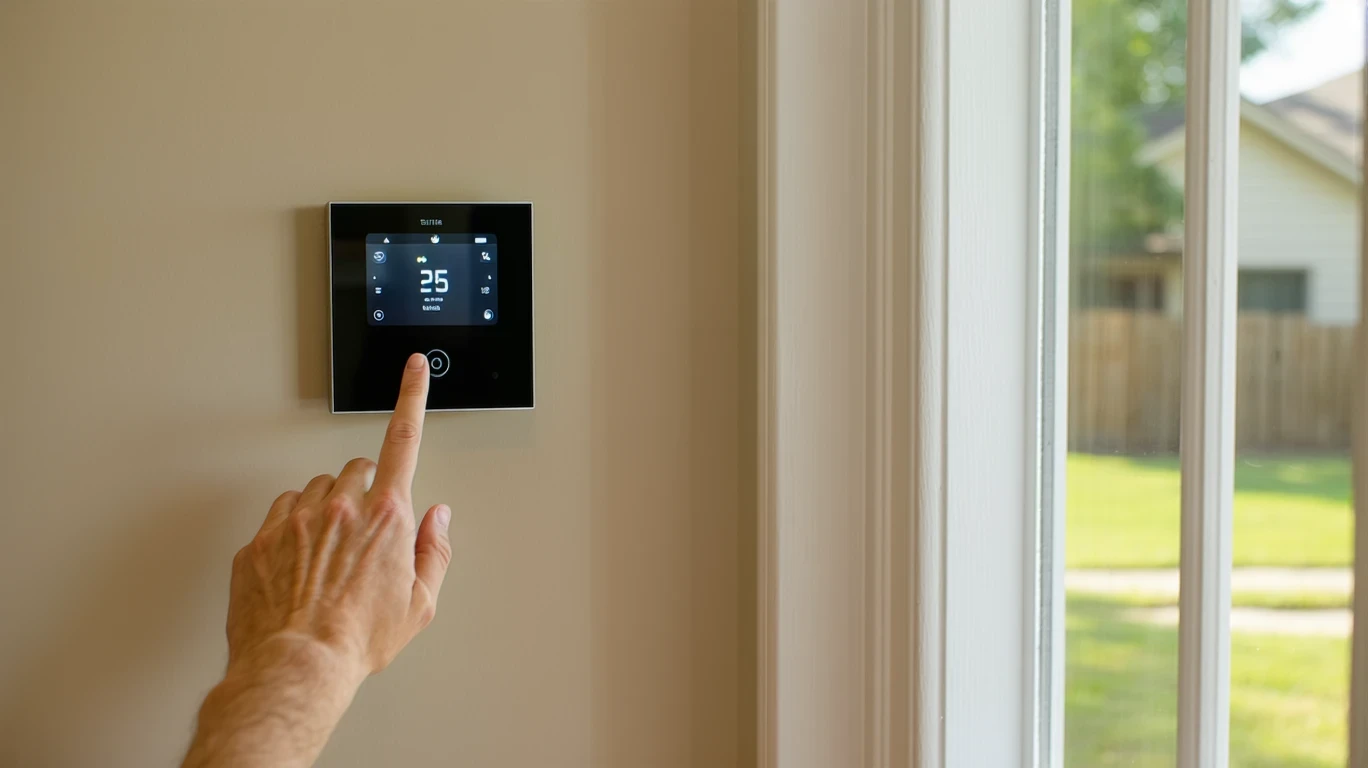
The most effective cost-control measures are also the most straightforward. Programmable or smart thermostats allow households to raise temperatures when no one is home and cool down before people return, reducing runtime without sacrificing comfort. Ceiling fans improve air circulation and allow higher thermostat settings without feeling warmer. Sealing air leaks around windows, doors, and ductwork prevents conditioned air from escaping, which reduces how hard the HVAC system has to work.
- Off-peak billing programs: Some electricity providers in Houston offer time-of-use rates that reward households for shifting usage to evenings and weekends, when grid demand is lower.
- Solar panel incentives: Federal tax credits and state-level programs can offset the upfront cost of rooftop solar, which directly reduces electricity bills during peak summer months.
- Smart thermostats: Devices that learn your schedule and adjust temperatures automatically can lower cooling costs without manual intervention.
- Shade trees and insulation: Planting trees on the south and west sides of a home reduces direct sun exposure, while attic insulation prevents heat from radiating into living spaces.
- Appliance upgrade rebates: Utilities and state programs sometimes offer rebates for replacing old water heaters, refrigerators, and washing machines with high-efficiency models.
🏆 Tip: Check if your provider in Houston offers rebates for energy-efficient AC units or heating systems. Replacing a 15-year-old air conditioner with a modern high-SEER model reduces electricity usage and improves indoor comfort, especially during the hottest months.
FAQs About Utility Costs in Houston
Why are utility bills so high in Houston during summer?
Houston’s extended cooling season and high humidity force air conditioning systems to run longer and work harder, which drives electricity consumption to its annual peak. Homes with poor insulation, older HVAC units, or large square footage face the steepest seasonal increases.
What is the average monthly electric bill for an apartment in Houston compared to a single-family home?
Apartments typically have lower electricity costs because they share walls with neighboring units, which reduces heat gain and cooling demand. Single-family homes, especially older or poorly insulated ones, often see summer bills that are significantly higher due to greater exposure and larger conditioned space.
Do HOAs in Houston usually include trash or water in their fees?
Many HOAs in Houston bundle trash collection and sometimes water service into monthly dues, which simplifies billing but removes direct control over usage-based savings. Residents should review HOA fee breakdowns carefully to understand what’s included and what’s billed separately.
How does seasonal weather affect monthly utility bills in Houston?
Summer heat and humidity drive electricity costs to their highest point, while mild winters keep heating expenses modest. The seasonal swing is pronounced, and households that don’t budget for peak summer months will face unexpected financial pressure when bills arrive.
Does Houston offer incentives for solar panels or energy-efficient appliances?
Federal tax credits for solar installations apply in Houston, and some local utilities offer rebates for high-efficiency HVAC systems, water heaters, and appliances. Availability and amounts vary by provider, so it’s worth checking with your utility company and reviewing state-level programs before making upgrades.
How Utilities Fit Into the Cost Structure in Houston
Utilities represent a significant and variable component of household expenses in Houston, but they don’t exist in isolation. Understanding how electricity, water, gas, and trash costs behave helps households allocate their budgets more accurately and avoid seasonal surprises. Because Houston’s urban form includes walkable pockets, rail transit, and mixed-use neighborhoods, some residents can reduce transportation costs by living closer to work or using public transit—freeing up budget to absorb utility volatility during peak summer months.
The interplay between housing type, location, and utility exposure matters more than many people realize. A newer apartment in a mixed-use area with shared walls and included water service will have a very different cost structure than an older single-family home in a car-dependent suburb with separate utility billing. Both can be affordable, but they require different planning strategies and different seasonal buffers.
For a complete picture of how utilities fit into your overall monthly spending, explore IndexYard’s detailed budget breakdowns and housing guides for Houston. Understanding where your money goes—and why—makes it easier to control costs, plan for seasonal swings, and make informed decisions about where to live and how to manage your household expenses throughout the year.
How this article was built: In addition to public economic data, this article incorporates location-based experiential signals derived from anonymized geographic patterns—such as access density, walkability, and land-use mix—to reflect how day-to-day living actually feels in Houston, TX.