
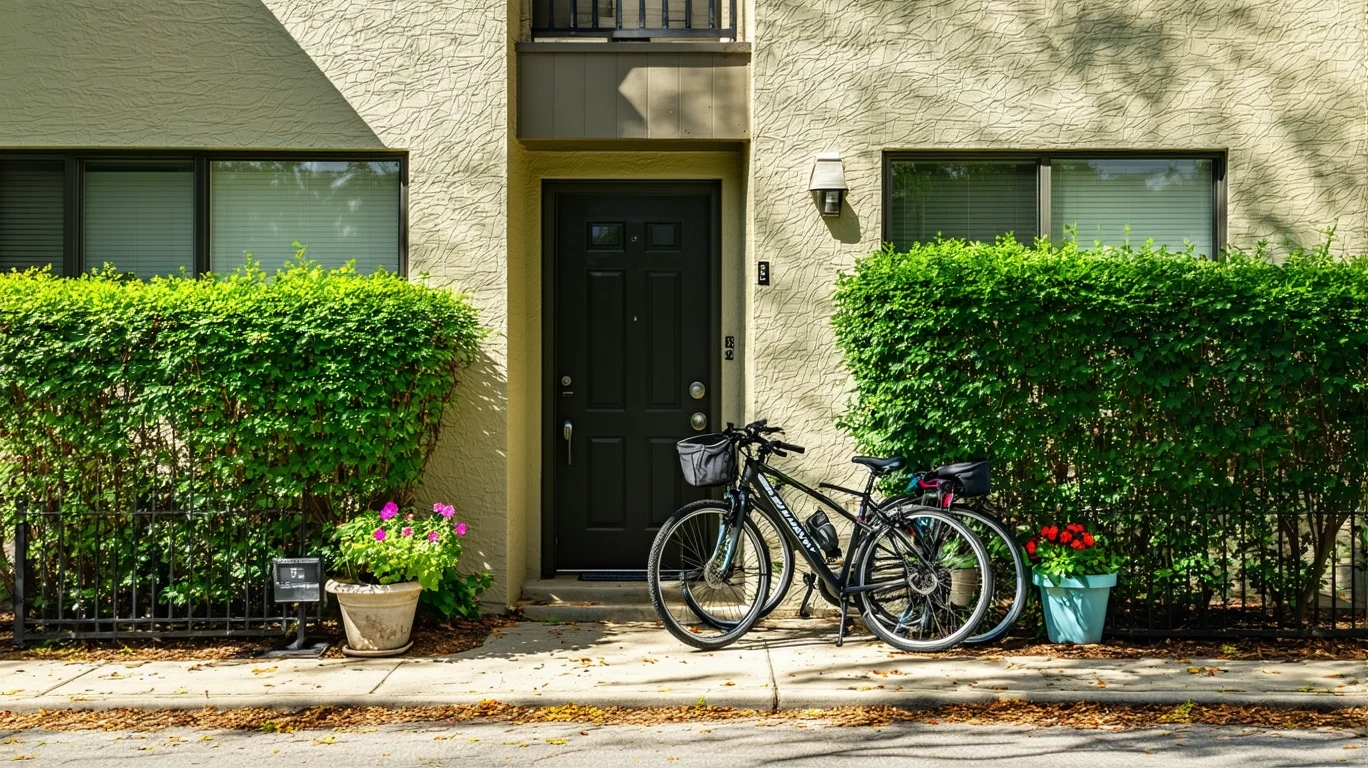
Houston and Sugar Land sit within the same Texas metro, share similar weather patterns, and draw from overlapping job markets—yet the financial experience of living in each city diverges sharply in 2026. Houston operates as a sprawling regional hub with dense urban pockets, extensive transit infrastructure, and housing stock that spans decades of development. Sugar Land functions as a master-planned suburb with newer construction, higher income baselines, and a residential character built around car access and corridor retail. The decision between them isn’t about which city costs less overall; it’s about which cost structure aligns with how a household earns, moves, and manages daily logistics. For some households, Houston’s lower entry barriers and transit options create flexibility that offsets urban friction. For others, Sugar Land’s predictability and newer housing justify the higher income threshold required to access it.
This comparison explains where cost pressure concentrates differently between Houston and Sugar Land in 2026, using observed housing, utility, and transportation data alongside infrastructure patterns that shape how people actually move through each city. The goal is not to declare a winner, but to clarify which households feel which costs most acutely—and why the same gross income can feel stable in one place and stretched in another.
Housing Costs: Entry Barriers vs. Ongoing Exposure
Housing represents the starkest structural difference between Houston and Sugar Land. Houston’s median home value sits at $235,000, while Sugar Land’s reaches $387,900—a gap that immediately narrows the pool of households who can access ownership in Sugar Land without substantial savings or dual high incomes. Renters face a similar divide: Houston’s median gross rent of $1,235 per month contrasts with Sugar Land’s $1,868 per month. These aren’t minor variations in market positioning; they reflect fundamentally different housing ecosystems. Houston’s lower entry costs come with trade-offs in housing age, neighborhood consistency, and the need to navigate a more fragmented market. Sugar Land’s higher costs buy access to newer construction, master-planned communities, and more uniform housing quality, but they also lock out households who can’t meet the income threshold required to qualify for rent or mortgage approval.
The difference in housing pressure extends beyond price points to the type of cost burden each city imposes. In Houston, the challenge is often finding the right fit within a vast and varied inventory—older homes may carry lower purchase prices but introduce maintenance volatility, while newer developments in outer suburbs stretch commute times. Sugar Land concentrates its housing stock in planned neighborhoods where HOA fees, landscaping requirements, and community standards add predictable but non-negotiable recurring costs. Renters in Sugar Land typically access newer apartment complexes with bundled amenities, which stabilize some costs but leave little room for downgrading if income tightens. Houston renters can more easily shift between neighborhoods, housing types, and price tiers, though that flexibility comes at the cost of navigating a less uniform rental market.
For first-time buyers, the entry barrier difference is decisive. A household aiming for ownership in Sugar Land needs not only higher income but also larger down payment reserves and the ability to absorb higher property tax bills on a more expensive asset. Houston’s lower home values reduce the cash required to close and lower the ongoing property tax obligation in absolute terms, even if effective tax rates are similar. Families prioritizing space and school access may find Sugar Land’s housing premium justified by the infrastructure and predictability it delivers, but single adults or couples without children often find Houston’s lower entry costs and broader neighborhood variety a better match for their financial flexibility and lifestyle priorities.
| Housing Type | Houston | Sugar Land |
|---|---|---|
| Median Home Value | $235,000 | $387,900 |
| Median Gross Rent | $1,235/month | $1,868/month |
The housing takeaway is clear: Sugar Land imposes a higher income threshold to access its market, but delivers predictability and newer construction in return. Houston offers lower entry barriers and more flexibility to adjust housing costs over time, but requires households to navigate a more complex and varied market. Renters sensitive to monthly cash flow pressure will feel Sugar Land’s rent premium immediately, while buyers sensitive to down payment requirements and closing costs will find Houston more accessible. Households prioritizing long-term predictability and uniformity may accept Sugar Land’s higher costs as the price of stability; those prioritizing flexibility and lower entry barriers will find Houston’s structure more forgiving.
Utilities and Energy Costs: Predictability in a Hot Climate
Both Houston and Sugar Land face extended cooling seasons driven by Gulf Coast heat and humidity, and both cities show nearly identical electricity rates—16.04¢/kWh in Houston and 16.11¢/kWh in Sugar Land. The similarity in electricity pricing means that cooling costs, which dominate summer utility bills across the region, behave similarly in both cities when controlling for housing size and construction quality. Natural gas pricing diverges slightly, with Houston at $25.56/MCF and Sugar Land at $30.71/MCF, but natural gas plays a smaller role in total energy costs given the limited heating season and the dominance of air conditioning in this climate. The real driver of utility cost differences between the two cities isn’t the rate structure—it’s the housing stock and how efficiently homes manage heat.
Sugar Land’s newer housing stock generally incorporates better insulation, modern HVAC systems, and energy-efficient windows, which reduce cooling load even when homes are larger. Older homes in Houston, particularly those built before modern energy codes, can experience higher cooling costs per square foot despite similar electricity rates. This creates a paradox: a smaller, older home in Houston may generate utility bills comparable to a larger, newer home in Sugar Land, simply because the older construction allows more heat infiltration and requires the air conditioning system to run longer cycles. Households moving from apartments to single-family homes in either city often underestimate how much utility costs rise with increased square footage, but the jump tends to be steeper in Houston’s older housing stock.
Utility cost exposure also varies by household size and daily occupancy patterns. Single adults or dual-income couples who spend most daylight hours outside the home can manage cooling costs by raising thermostat settings during the day, but families with children, remote workers, or retirees face sustained cooling demand that makes energy efficiency a non-negotiable factor. In Sugar Land, the prevalence of newer construction means that most households benefit from baseline efficiency without needing to invest in retrofits. In Houston, households in older homes may need to budget for ceiling fans, window treatments, or HVAC upgrades to avoid utility bills that spike unpredictably during peak summer months. Neither city offers a structural advantage in utility rates, but Sugar Land’s housing stock delivers more predictable energy costs, while Houston’s older inventory introduces more variability.
The utility takeaway: electricity rates are nearly identical, so cooling costs behave similarly when housing quality is comparable. Sugar Land’s newer housing stock reduces volatility and lowers the risk of unexpectedly high summer bills, even in larger homes. Houston’s older housing stock introduces more variability, particularly for households in pre-1990s construction. Families and remote workers, who face sustained cooling demand, benefit more from Sugar Land’s efficiency baseline. Single adults and couples with flexible schedules can manage cooling costs in either city, but those in older Houston homes should expect to invest in efficiency measures or accept higher seasonal volatility.
Groceries and Daily Expenses: Access Patterns and Price Flexibility
Grocery and daily spending pressure in Houston and Sugar Land differs not primarily in price levels—both cities sit within the same regional market with similar access to major chains—but in how accessibility and convenience shape spending behavior. Houston’s infrastructure supports broadly accessible food and grocery options, with high-density clusters of supermarkets, discount grocers, ethnic markets, and prepared food outlets distributed across neighborhoods. This density gives households more flexibility to shop strategically, compare prices across multiple stores within a short drive, and substitute between discount and premium options depending on budget constraints. Sugar Land’s grocery infrastructure concentrates along commercial corridors, with fewer neighborhood-level options and more reliance on planned retail centers anchored by mid-tier and premium chains. The result is that grocery shopping in Sugar Land often requires slightly longer trips and offers less immediate price competition within a household’s typical errand radius.
The difference in access patterns affects not just where people shop, but how they shop. In Houston, households can more easily build routines around discount grocers for staples, ethnic markets for produce and bulk items, and premium stores for specialty purchases—all within a reasonable drive. Sugar Land’s corridor-clustered retail means that most households default to one or two primary grocery stores, which reduces the friction of multi-stop shopping but also reduces the ability to arbitrage prices across competing stores. For households managing tight grocery budgets, Houston’s density and variety create more opportunities to control costs through strategic shopping. For households prioritizing convenience and time efficiency, Sugar Land’s consolidated retail corridors reduce errand complexity, even if they offer less price flexibility.
Dining out and convenience spending follow similar patterns. Houston’s density and mixed-use pockets support a wider range of quick-service, ethnic, and independent dining options at varied price points, which gives households more control over how often they cook versus eat out. Sugar Land’s dining options cluster in planned retail centers and tend toward chain restaurants and fast-casual concepts, which offer consistency but less price variation. Families managing larger grocery volumes and frequent meal prep benefit more from Houston’s access density and price competition. Single adults and couples who prioritize convenience and predictability may find Sugar Land’s streamlined retail structure easier to navigate, even if it offers fewer opportunities to reduce costs through strategic shopping.
The grocery and daily expenses takeaway: Houston’s broadly accessible food and grocery infrastructure gives households more tools to control costs through strategic shopping and price comparison. Sugar Land’s corridor-clustered retail reduces errand friction but offers less immediate price competition. Households sensitive to grocery costs and willing to invest time in multi-stop shopping will find Houston’s structure more forgiving. Households prioritizing convenience and predictable routines may accept Sugar Land’s reduced flexibility as the cost of streamlined errands.
Taxes and Fees: Predictability vs. Magnitude
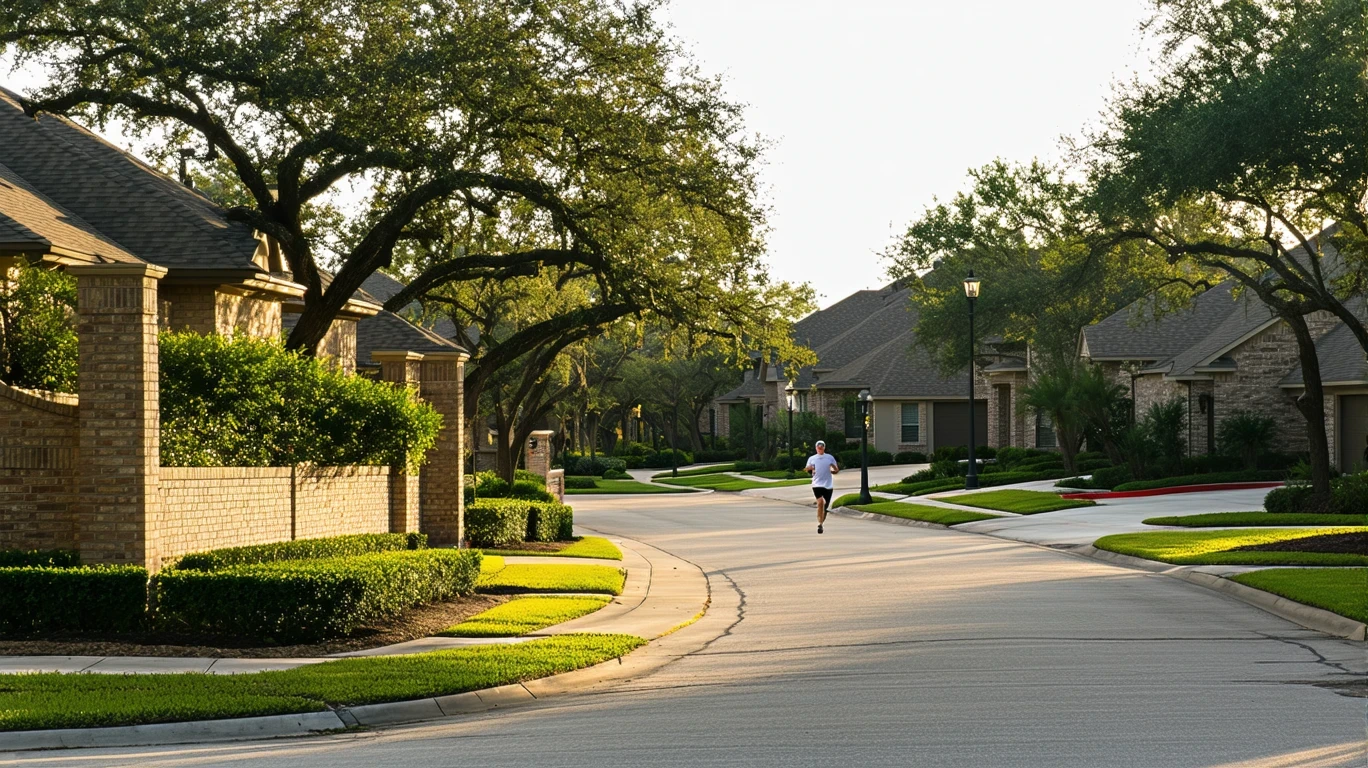
Texas operates without a state income tax, so both Houston and Sugar Land rely heavily on property taxes and sales taxes to fund local services. Property tax exposure scales directly with home value, which means that Sugar Land homeowners face higher absolute property tax bills simply because the median home value is substantially higher. A household owning a median-priced home in Sugar Land pays property taxes on a $387,900 asset, while a Houston homeowner with a median-priced home pays taxes on a $235,000 asset. Even if effective tax rates are similar, the difference in assessed value translates into a meaningful gap in annual tax obligations. For renters, property taxes are embedded in rent, but the same logic applies: higher home values in Sugar Land push baseline rents higher, and a portion of that premium reflects the landlord’s property tax burden.
Beyond property taxes, both cities impose local fees for services like water, trash collection, and drainage, but the structure and predictability of these fees differ. Sugar Land’s master-planned communities often bundle services through HOA fees, which can range widely depending on neighborhood amenities but typically include landscaping, common area maintenance, and sometimes trash or water. These fees are predictable and non-negotiable, which stabilizes budgeting but removes flexibility. Houston’s more fragmented development patterns mean that HOA fees are less universal—many older neighborhoods lack HOAs entirely, while newer suburban developments impose fees similar to Sugar Land’s. Households in Houston without HOA obligations gain flexibility but must manage services like landscaping and exterior maintenance independently, which introduces variability in both cost and time.
Sales taxes apply uniformly across the region, so neither city offers a structural advantage in consumption tax burden. The real difference in tax and fee exposure comes down to housing tenure and income stability. Homeowners in Sugar Land face higher property tax bills and more frequent HOA obligations, which require sustained high income to manage comfortably. Homeowners in Houston face lower absolute property tax bills and more varied HOA exposure, which reduces baseline obligations but may introduce unpredictability if the home requires exterior work or the neighborhood lacks bundled services. Renters in both cities are insulated from direct property tax volatility, but Sugar Land renters pay a premium that reflects the landlord’s higher tax and HOA costs, while Houston renters have more flexibility to find lower-cost housing without HOA premiums embedded in rent.
The tax and fee takeaway: Sugar Land imposes higher property tax obligations due to higher home values, and HOA fees are nearly universal in its master-planned communities. Houston’s lower home values reduce absolute property tax bills, and HOA exposure varies widely by neighborhood. Homeowners planning to stay long-term in Sugar Land must budget for sustained high property tax and HOA costs, which require stable high income. Houston homeowners gain flexibility through lower baseline obligations but may face more variability in maintenance and service costs. Renters in Sugar Land pay a premium that reflects embedded property tax and HOA costs, while Houston renters can more easily find housing without HOA premiums.
Transportation & Commute Reality
Transportation costs and commute patterns reveal one of the sharpest structural differences between Houston and Sugar Land. Houston supports rail transit, substantial pedestrian infrastructure in parts of the city, and notable cycling infrastructure, which gives some households the option to reduce car dependence or eliminate a second vehicle. The city’s average commute time of 27 minutes reflects a sprawling metro where many residents drive, but the presence of transit infrastructure means that households living near rail lines or in walkable pockets can structure their transportation costs differently than those in purely car-dependent suburbs. Sugar Land emits no transit signal, shows walkable pockets with medium confidence, and has some cycling infrastructure in limited areas—but the overall structure is car-oriented, with most daily errands, commutes, and household logistics requiring personal vehicle access.
The difference in transportation structure affects not just monthly costs, but time budgets and household logistics complexity. In Houston, a single adult or couple living near a rail line can potentially manage with one vehicle or rely on transit for commuting, which eliminates car payments, insurance, and parking costs for a second vehicle. Families in Houston’s walkable pockets can run some errands on foot or by bike, reducing the frequency of car trips and lowering fuel costs incrementally. Sugar Land’s corridor-clustered retail and limited transit options mean that most households need at least one vehicle per working adult, and errands typically require driving even for nearby destinations. Gas prices favor Sugar Land slightly—$2.41/gal versus Houston’s $2.55/gal—but the savings from a modest per-gallon difference are overwhelmed by the structural need for more frequent car use.
Commute friction also differs in ways that don’t show up in fuel costs alone. Houston’s 44.1% of workers facing long commutes reflects the metro’s sprawl, but the presence of rail transit and higher work-from-home rates (7.3%) gives some households tools to avoid peak congestion or reduce commute frequency. Sugar Land lacks comparable transit options, so households commuting into Houston or other metro job centers face car-dependent commutes with limited alternatives if congestion worsens or fuel prices spike. The time cost of commuting—measured in schedule inflexibility, childcare logistics, and reduced discretionary time—becomes a hidden cost that affects household quality of life even when fuel expenses remain manageable.
The transportation takeaway: Houston’s rail transit, walkable pockets, and cycling infrastructure give some households the option to reduce car dependence, which can lower transportation costs and increase schedule flexibility. Sugar Land’s car-oriented structure requires most households to own and operate at least one vehicle per working adult, with limited alternatives if costs rise or schedules tighten. Single adults and couples in Houston can potentially eliminate a second vehicle or rely on transit for commuting, which creates meaningful cost savings. Families in Sugar Land should budget for sustained multi-vehicle ownership and fuel costs, with limited flexibility to reduce transportation expenses if income tightens.
Cost Structure Comparison
Housing dominates the cost experience in both cities, but the nature of housing pressure differs sharply. Sugar Land front-loads costs through higher rent and home values, which require higher income to access but deliver predictability through newer construction and master-planned infrastructure. Houston distributes housing pressure across entry barriers, maintenance variability, and neighborhood navigation, offering lower-cost access but requiring more active management to avoid unexpected costs. Households sensitive to entry barriers—first-time buyers, single adults, or couples early in their careers—will feel Sugar Land’s housing premium as a hard constraint that limits access. Households sensitive to ongoing volatility—those in older homes, managing tight monthly budgets, or planning to stay long-term—may find Houston’s lower entry costs offset by maintenance and utility unpredictability.
Utilities introduce more volatility in Houston’s older housing stock, where cooling costs can spike unpredictably during peak summer months. Sugar Land’s newer construction stabilizes energy costs even in larger homes, which reduces seasonal variability and makes budgeting more predictable. Families, remote workers, and retirees—who face sustained cooling demand—benefit more from Sugar Land’s efficiency baseline. Single adults and couples with flexible schedules can manage cooling costs in either city, but those in older Houston homes should expect to invest in efficiency measures or accept higher seasonal swings.
Transportation patterns matter more in Sugar Land, where car dependence is nearly universal and transit alternatives are absent. Houston’s rail transit and walkable pockets give some households the option to reduce car ownership or commute frequency, which creates meaningful cost savings for those who can access it. The difference isn’t just about fuel costs—it’s about whether a household can function with one vehicle instead of two, and whether commute friction introduces time costs that reduce quality of life even when fuel expenses remain manageable.
Grocery and daily expenses show less dramatic cost differences, but access patterns shape how much control households have over spending. Houston’s broadly accessible food and grocery infrastructure gives households more tools to reduce costs through strategic shopping. Sugar Land’s corridor-clustered retail reduces errand friction but offers less immediate price competition. The difference matters most for households managing tight grocery budgets or those willing to invest time in multi-stop shopping to control costs.
The decision between Houston and Sugar Land isn’t about which city costs less overall—it’s about which cost structure aligns with how a household earns, moves, and manages daily logistics. Households sensitive to entry barriers and car dependence may find Houston’s lower housing costs and transit options more forgiving. Households prioritizing predictability, newer construction, and streamlined infrastructure may accept Sugar Land’s higher income threshold as the price of stability. For households with children, the difference extends beyond costs to infrastructure: Houston signals strong family amenities with integrated green space, while Sugar Land shows limited family infrastructure density despite higher income baselines. The better choice depends on which costs dominate the household budget, and which trade-offs—entry barrier vs. predictability, flexibility vs. convenience, transit access vs. car dependence—align with the household’s financial capacity and lifestyle priorities.
How the Same Income Feels in Houston vs Sugar Land
Single Adult
For a single adult, housing becomes the first non-negotiable cost, and Sugar Land’s higher rent immediately consumes a larger share of gross income before any other expenses are considered. Houston’s lower rent and the option to live near transit or in walkable pockets creates flexibility to manage transportation costs by eliminating a car payment or reducing fuel consumption. Sugar Land requires sustained car ownership and higher baseline housing costs, which leaves less room to absorb unexpected expenses or save for future goals. The same gross income feels more flexible in Houston because housing and transportation costs are more negotiable, while in Sugar Land those costs are front-loaded and less compressible.
Dual-Income Couple
A dual-income couple faces trade-offs between housing predictability and transportation flexibility. In Sugar Land, higher housing costs buy newer construction and lower utility volatility, but the car-dependent structure requires two vehicles if both partners commute, which locks in insurance, maintenance, and fuel costs. Houston’s lower housing entry costs and rail transit options create opportunities to reduce transportation expenses by living near a rail line or in a walkable pocket, though older housing stock introduces more utility and maintenance variability. The same combined income feels tighter in Sugar Land if both partners need cars and housing consumes a large share of gross pay, while in Houston the income feels more flexible if the couple can structure housing and transportation to reduce fixed obligations.
Family with Kids
For families, non-negotiable costs expand to include space, school access, and the logistics of managing multiple schedules. Sugar Land’s higher housing costs and limited family infrastructure density—despite its higher income baseline—mean that families pay a premium for housing without gaining the school and playground density that Houston delivers. Houston’s strong family infrastructure and integrated green space provide more support for daily logistics, and lower housing entry costs leave more room in the budget for childcare, activities, and unexpected expenses. The same gross income feels more stretched in Sugar Land because housing consumes a larger share and family infrastructure is less accessible, while in Houston the income supports a broader range of household needs even though housing and utility costs may be less predictable.
Decision Matrix: Which City Fits Which Household?
| Decision factor | If you’re sensitive to this… | Houston tends to fit when… | Sugar Land tends to fit when… |
|---|---|---|---|
| Housing entry + space needs | Down payment size, monthly rent, or mortgage qualification threshold | You need lower entry barriers and flexibility to adjust housing costs over time | You can meet higher income thresholds and prioritize newer construction and predictability |
| Transportation dependence + commute friction | Car ownership costs, fuel volatility, or commute time flexibility | You can access rail transit or walkable pockets and reduce car dependence | You accept sustained multi-vehicle ownership and car-dependent errands as baseline |
| Utility variability + home size exposure | Seasonal bill spikes, cooling costs, or energy efficiency unpredictability | You can manage older housing stock or invest in efficiency upgrades to stabilize costs | You prioritize newer construction that delivers predictable energy costs even in larger homes |
| Grocery strategy + convenience spending creep | Price competition, multi-stop shopping, or ability to control food costs through strategy | You value access density and price flexibility enough to navigate a more complex retail landscape | You prioritize streamlined errands and accept reduced price competition for convenience |
| Fees + friction costs (HOA, services, upkeep) | Predictable vs variable service costs, bundled fees, or maintenance obligations | You prefer lower baseline obligations and flexibility to manage services independently | You accept higher HOA fees and bundled services as the price of predictability |
| Time budget (schedule flexibility, errands, logistics) | Commute friction, errand complexity, or household logistics coordination | You can structure housing and transportation to reduce time costs and increase schedule flexibility | You prioritize consolidated retail and master-planned infrastructure even if it requires more driving |
Lifestyle Fit: Infrastructure and Daily Rhythms
Houston and Sugar Land offer distinct lifestyle experiences shaped by infrastructure, urban form, and the density of daily amenities. Houston operates as a sprawling regional hub with pockets of walkability, rail transit access, and a more vertical building character that supports mixed-use neighborhoods. The city’s broadly accessible food and grocery options, integrated green space, and strong family infrastructure—schools and playgrounds meeting density thresholds—create an environment where households can structure daily life around transit, walkability, or car use depending on neighborhood choice. Sugar Land’s master-planned character delivers newer construction, corridor-clustered retail, and integrated green space, but limited family infrastructure density and the absence of transit options mean that daily life revolves around car access and planned errands. For households prioritizing transit flexibility, walkability, or dense family amenities, Houston’s infrastructure supports those priorities. For households prioritizing newer housing, predictable neighborhood standards, and consolidated retail, Sugar Land’s structure delivers those outcomes.
Recreation and outdoor access differ less dramatically between the two cities—both show integrated green space with water features present—but the texture of daily life varies. Houston’s more vertical urban form and mixed land use create neighborhoods where residential and commercial activity coexist, which supports spontaneous errands and reduces the need for dedicated trips. Sugar Land’s mixed building height and land use mix still support some walkability in pockets, but the overall structure requires more intentional planning for errands and activities. Families with young children benefit more from Houston’s strong family infrastructure, which includes higher school and playground density, while Sugar Land’s limited family infrastructure density may require families to drive farther for school access or recreational facilities despite the city’s higher income baseline.
Commute culture also shapes lifestyle fit. Houston’s 27-minute average commute and 7.3% work-from-home rate reflect a metro where many residents drive but some can structure their lives around transit or remote work. Sugar Land’s lack of transit options and car-dependent structure mean that commuting into Houston or other metro job centers requires sustained vehicle use, which affects not just transportation costs but daily schedule flexibility and the ability to manage household logistics without a second vehicle. For households where one or both partners work remotely or can access jobs within Sugar Land, the car-dependent structure may feel less constraining. For households commuting into Houston daily, the lack of transit alternatives introduces time and cost friction that compounds over months and years.
Houston supports rail transit and walkable pockets, giving some households the option to reduce car dependence. Sugar Land’s master-planned communities deliver newer housing and predictable neighborhood standards, but require sustained car ownership for most daily activities.
Frequently Asked Questions
Is it cheaper to rent in Houston or Sugar Land in 2026?
Houston’s median gross rent of $1,235 per month is substantially lower than Sugar Land’s $1,868 per month, which makes Houston more accessible for renters managing tight monthly budgets or saving for other goals. The difference isn’t just about the monthly payment—it’s about which households can qualify for housing and how much flexibility remains after rent is paid. Sugar Land’s higher rent reflects newer construction and master-planned communities, which deliver predictability and lower maintenance risk, but require higher income to access. Houston’s lower rent comes with more variability in housing age and neighborhood quality, but offers more