
It’s Sunday evening in Houston, and you’re mapping out the week’s meals. Chicken for Monday and Wednesday, ground beef for tacos Friday, eggs and toast most mornings. You know what you need. The question isn’t what to buy—it’s where to buy it, and whether this week’s grocery run will feel manageable or tight. In Houston, that answer depends less on the city’s baseline prices and more on which store you choose, how many mouths you’re feeding, and how much margin your household income leaves after housing and utilities.
Grocery costs in Houston sit near the national average when measured by regional price parity, but that statistical anchor doesn’t capture how food spending actually feels. For a household earning near the city’s median income of $60,440 per year, grocery pressure is real—not because Houston is expensive, but because food is a recurring, non-negotiable cost that scales with household size and responds sharply to store choice. A single person shopping strategically can keep food costs predictable. A family of four shopping without a plan can watch weekly totals climb fast, even in a city where competition keeps baseline prices in check.
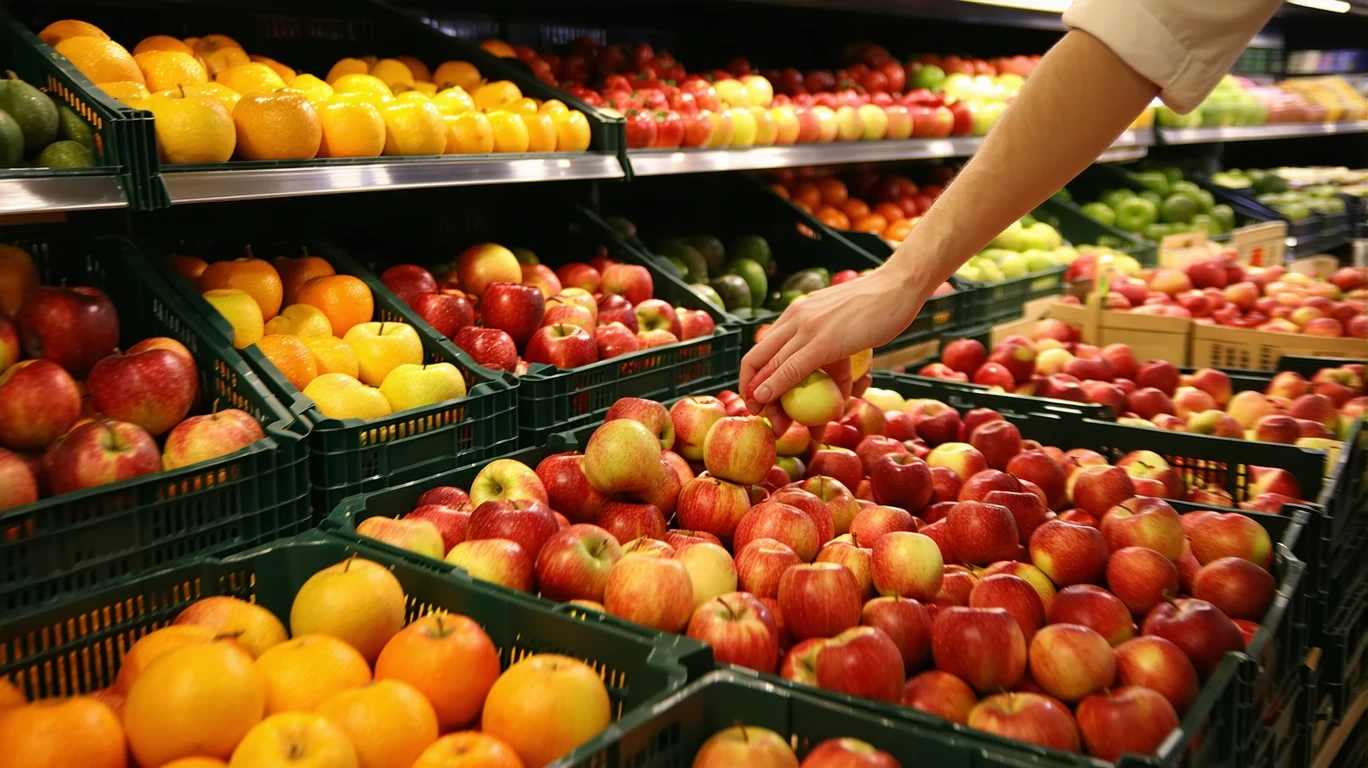
How Grocery Costs Feel in Houston
Houston’s grocery landscape is defined by density and accessibility. The city’s high concentration of food and grocery establishments means most residents have multiple store options within a short drive or, in some neighborhoods, within walking distance. That accessibility creates real choice: discount grocers, mid-tier chains, premium markets, and ethnic grocers all compete for the same households. The result is a pricing environment where the same staple items can vary significantly depending on where you shop, but where no single store type dominates the entire city.
For households earning near or below the median, grocery costs are a consistent pressure point. Unlike rent, which is fixed month to month, or utilities, which spike seasonally, groceries are a weekly decision that compounds quickly. A household spending conservatively might keep weekly totals under control, but any deviation—buying convenience items, shopping at a pricier store, or feeding extra people—pushes costs up immediately. That sensitivity is highest for families with children, where volume matters as much as per-item price.
Single adults and couples without children experience grocery costs differently. One or two people can absorb price variation more easily, shop sales strategically, and adjust consumption without logistical friction. For these households, Houston’s grocery costs feel manageable as long as income is stable and store choice is intentional. But for larger households, especially those with one earner or fixed incomes, the weekly grocery run becomes a exercise in restraint, not abundance.
Grocery Price Signals (Illustrative)
The table below shows illustrative prices for common staple items in Houston. These figures are derived estimates based on national baselines adjusted by regional price parity—they reflect how staple items tend to compare locally, not observed checkout prices or a complete shopping list. Actual prices vary by store, brand, package size, and week.
| Item | Illustrative Price |
|---|---|
| Bread (per pound) | $1.84/lb |
| Cheese (per pound) | $4.84/lb |
| Chicken (per pound) | $2.04/lb |
| Eggs (per dozen) | $2.58/dozen |
| Ground beef (per pound) | $6.75/lb |
| Milk (per half-gallon) | $4.10/half-gallon |
| Rice (per pound) | $1.06/lb |
These prices illustrate relative positioning, not precision. Ground beef at $6.75 per pound signals that protein is a meaningful line item for families cooking multiple meat-based meals per week. Eggs at $2.58 per dozen and rice at $1.06 per pound show where volume staples remain affordable. Cheese and milk, both above $4 per unit, add up quickly in households with children or heavy breakfast routines. The point is not to simulate a receipt—it’s to show where cost pressure concentrates and where households have room to adjust.
Store Choice & Price Sensitivity
In Houston, grocery price pressure varies more by store tier than by neighborhood. Discount grocers—no-frills chains focused on private-label goods and limited selection—offer the lowest per-item prices, often 20–30% below mid-tier competitors on staples like bread, eggs, and canned goods. These stores require trade-offs: fewer brand options, less prepared food, and sometimes longer checkout lines. But for households where every dollar counts, discount grocers are the primary tool for keeping weekly totals predictable.
Mid-tier chains occupy the middle ground. They stock national brands, offer loyalty programs, and maintain cleaner, more convenient layouts. Prices are higher than discount stores but lower than premium markets. For dual-income households near the median, mid-tier stores feel like the default—familiar, reliable, and close enough to home that the convenience justifies the modest premium. These stores also run frequent sales, which reward planning but penalize impulse shopping.
Premium grocers—organic-focused markets, specialty chains, and upscale independents—charge significantly more across the board. A basket of staples that costs $50 at a discount grocer might run $75 or more at a premium store, even before adding prepared foods or specialty items. For high-income households, the premium pays for quality, variety, and experience. For everyone else, premium stores are occasional stops, not weekly destinations.
Houston’s broad grocery accessibility means most households can reach all three tiers without difficulty. The decision isn’t about access—it’s about intentionality. Families shopping at mid-tier stores out of habit, rather than choice, often don’t realize how much they could save by splitting their shopping: staples at discount grocers, specialty items at mid-tier or premium stores. That strategy requires planning and multiple stops, which not every household can manage, but for those who can, it’s the most effective lever for controlling grocery costs without sacrificing variety.
What Drives Grocery Pressure Here
Grocery pressure in Houston is shaped by income, household size, and the interaction between the two. At the city’s median household income of $60,440 per year, a family of four faces tighter constraints than a couple earning the same amount. The difference isn’t just volume—it’s the loss of flexibility. Larger households can’t easily skip a week, shop sales selectively, or absorb price swings on staples. Every trip matters, and every item counts.
Houston’s regional distribution infrastructure keeps baseline prices competitive, but it doesn’t eliminate volatility. Protein prices—chicken, beef, pork—fluctuate with national supply conditions, and those swings hit family budgets harder than single-person households. Dairy and eggs, while cheaper than in many coastal cities, still represent recurring costs that compound weekly. For households already stretched by monthly expenses, even small increases in grocery costs create pressure.
Seasonal factors also play a role, though less visibly than in other spending categories. Houston’s extended cooling season means households spend heavily on air conditioning from May through September, which tightens discretionary budgets during the same months when kids are out of school and eating at home more often. That overlap—higher utility bills and higher food consumption—creates a summer squeeze that many families feel but don’t always name.
Access patterns matter too. Houston’s mixed land use and walkable pockets mean some residents can shop on foot or by bike, reducing the friction of multiple store trips. But the majority of households still drive to grocery stores, which adds time and fuel costs to every shopping decision. For families in car-dependent areas, consolidating trips becomes a necessity, which often means shopping at a single mid-tier store rather than splitting purchases across discount and premium options.
Practical Ways People Manage Grocery Costs
Households in Houston manage grocery costs through behavior, not budgeting apps. The most effective strategy is store splitting: buying shelf-stable staples and proteins at discount grocers, then filling in fresh produce, dairy, and specialty items at mid-tier or premium stores. This approach requires two stops instead of one, but it captures most of the savings available from store choice without forcing households into a purely discount shopping experience.
Meal planning reduces waste and impulse purchases. Families who plan five or six dinners before shopping—and buy only what those meals require—spend less than households who shop reactively or keep a fully stocked pantry at all times. Planning also enables bulk buying on sale items, which works well for freezer-friendly proteins and non-perishables. The key is matching volume to actual consumption, not aspirational cooking habits.
Brand flexibility is another high-impact lever. Private-label goods at discount and mid-tier stores are often 15–25% cheaper than national brands for comparable quality, especially for staples like pasta, rice, canned tomatoes, and frozen vegetables. Households willing to experiment with store brands can lower weekly totals without changing what they eat. The savings are incremental per item but meaningful over time.
Shopping frequency also matters. Households that shop once a week, with a list, spend less than those who make multiple unplanned trips. Every additional store visit introduces opportunities for impulse purchases—snacks, drinks, convenience items—that add up quickly. For families with tight budgets, discipline around shopping frequency is as important as store choice.
Groceries vs Eating Out (Directional)
The tradeoff between cooking at home and eating out is less about math and more about time, energy, and household composition. Cooking at home is almost always cheaper per meal, but it requires planning, prep time, and cleanup—costs that aren’t financial but are still real. For dual-income households working long hours, the convenience of takeout or casual dining often wins, even when the price difference is significant.
Houston’s restaurant scene is diverse and competitively priced compared to larger coastal cities, which makes eating out feel more accessible than in places where casual dining routinely exceeds $15–20 per person. But even at Houston’s price points, a family of four eating out twice a week will spend considerably more than the same family cooking those meals at home. The decision isn’t binary—it’s about frequency and intentionality.
For singles and couples, the cooking-versus-dining calculus is different. One or two people can cook efficiently, but they can also dine out without the cost multiplier that hits families. A $30 restaurant meal for two feels different than a $70 meal for four, even though both represent the same per-person cost. That difference in absolute dollars makes dining out a more viable regular option for smaller households, especially those with discretionary income above the median.
FAQs About Grocery Costs in Houston (2026)
Is it cheaper to shop in bulk in Houston? Bulk buying works well for non-perishables and freezer-friendly proteins, especially at discount grocers or warehouse clubs. The savings are real, but only if you have storage space and can use what you buy before it spoils.
Which stores in Houston are best for low prices? Discount grocers consistently offer the lowest per-item prices on staples, often 20–30% below mid-tier chains. Mid-tier stores run competitive sales and loyalty programs, which can close the gap if you plan around promotions.
How much more do organic items cost in Houston? Organic and specialty items typically carry a significant premium—often 30–50% more than conventional equivalents at the same store. Premium grocers stock more organic options but charge higher baseline prices across the board.
How do grocery costs for two adults in Houston tend to compare to nearby cities? Houston’s grocery prices sit near the national average, meaning they’re generally lower than in high-cost coastal metros but comparable to other large Texas cities. Store choice and shopping habits matter more than city-level differences for most households.
How do households in Houston think about grocery spending when cooking at home? Most households treat groceries as a recurring, non-negotiable cost that scales with household size. Families focus on controlling weekly totals through store choice, meal planning, and brand flexibility rather than trying to optimize every item.
Does Houston’s climate affect grocery costs? Indirectly, yes. The extended cooling season tightens discretionary budgets during summer months, which overlaps with higher food consumption when kids are home from school. That seasonal squeeze makes grocery costs feel heavier in mid-year.
Can you save money shopping at ethnic grocers in Houston? Ethnic grocers often offer excellent prices on produce, rice, spices, and specialty proteins, especially for households cooking cuisines that align with the store’s focus. They’re worth exploring for staples, even if you shop elsewhere for other items.
How Groceries Fit Into the Cost of Living in Houston
Grocery costs in Houston are not the largest line item in most household budgets—that distinction belongs to housing—but they are the most frequent and the most visible. Every week, you make decisions about where to shop, what to buy, and how much to spend. Those decisions feel small in isolation but compound quickly, especially for families where volume and frequency amplify every choice.
For households earning near the median, groceries represent a meaningful share of take-home income, and that share grows with household size. A single person can absorb price variation and adjust consumption without friction. A family of four cannot. The difference between shopping strategically and shopping reactively can mean hundreds of dollars over the course of a year—not because Houston is expensive, but because grocery costs are one of the few spending categories where behavior and intentionality have immediate, measurable impact.
Understanding grocery costs in Houston means understanding how they interact with everything else: housing payments that limit discretionary income, utility bills that spike in summer, transportation costs that add friction to multi-store shopping. Groceries don’t exist in isolation. They’re part of a larger structure, and how you manage them depends on how much room your income leaves after fixed costs. For a fuller picture of where money goes each month and how groceries fit into the broader cost structure, see the monthly spending breakdown for Houston.
The goal isn’t to spend as little as possible—it’s to spend intentionally, in a way that aligns with your household’s needs, income, and priorities. Houston’s grocery landscape gives you options. The question is whether you’re using them.
How this article was built: In addition to public economic data, this article incorporates location-based experiential signals derived from anonymized geographic patterns—such as access density, walkability, and land-use mix—to reflect how day-to-day living actually feels in Houston, TX.