
Transit Coverage & Ride Time Overview: Hillview operates primarily as a car-oriented community. Public transit infrastructure is minimal to absent within city boundaries, and most daily mobility relies on personal vehicles. Residents seeking transit connections typically access regional systems via nearby Louisville corridors.
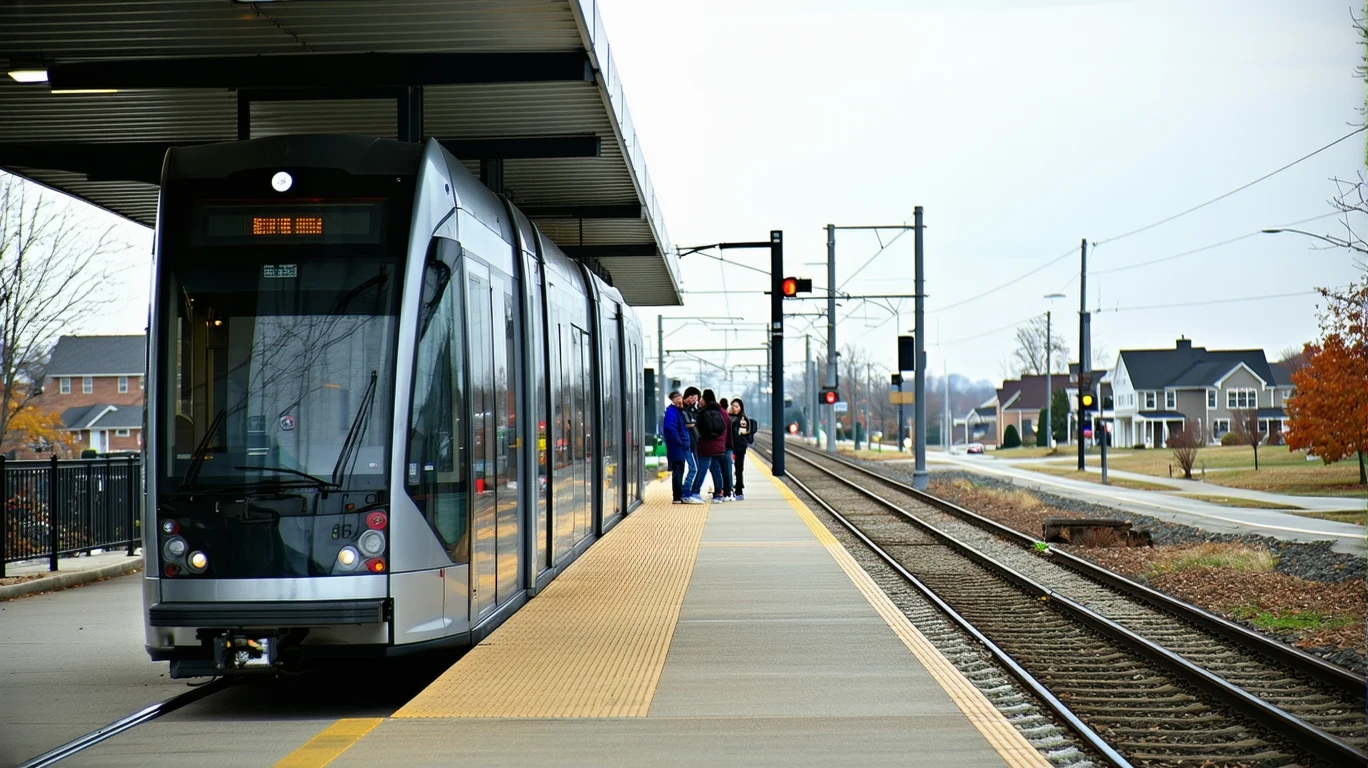
How People Get Around Hillview
Transportation options in Hillview center almost entirely on personal vehicles. The city’s layout, development pattern, and infrastructure reflect a suburban form built around driving. Pedestrian pathways are sparse relative to the road network, and cycling infrastructure remains below functional thresholds for daily use. For most residents, owning a car isn’t just convenient—it’s structurally necessary.
Newcomers often underestimate how car-dependent Hillview is. Unlike denser urban cores where transit, walking, or biking can substitute for driving, Hillview’s geography and land use make those alternatives impractical for routine errands, commuting, or household logistics. Food and grocery options cluster along commercial corridors rather than spreading evenly across neighborhoods, which means even short trips typically require a vehicle.
This isn’t a reflection of preference or lifestyle choice—it’s a function of how the city is built. Roads dominate the infrastructure, and the pedestrian-to-road ratio sits well below levels that support walkable daily life. For households with reliable car access, Hillview offers straightforward mobility. For those without, friction compounds quickly.
Public Transit Availability in Hillview
Public transit plays virtually no role in daily life within Hillview itself. The city lacks bus stops, rail stations, or dedicated transit infrastructure that would support routine commuting or errands. Residents who rely on public transportation typically need to access regional systems operating in nearby Louisville, which requires either a personal vehicle to reach those entry points or coordination with rideshare and informal networks.
This absence isn’t unusual for smaller suburban cities in the Louisville metro area, but it does create a sharp dividing line: households with cars have full mobility; households without cars face significant logistical barriers. There’s no middle ground where partial transit access can fill gaps or reduce car dependency.
For residents working in Louisville or other metro employment centers, the lack of local transit means commuting strategies hinge entirely on driving. Carpooling, park-and-ride arrangements, or employer shuttles may offer some flexibility, but these are informal solutions rather than public infrastructure.
Driving & Car Dependence Reality
Driving isn’t optional in Hillview—it’s the baseline assumption for participating in daily life. Errands, school runs, medical appointments, and social activities all require a car. Parking is generally abundant and free, which removes one friction point common in denser cities, but the tradeoff is that every trip requires vehicle access, fuel, and time behind the wheel.
The city’s commercial corridors—where grocery stores, pharmacies, and services concentrate—are designed for car access. Sidewalks exist in some areas, but they don’t form a continuous network that would allow someone to walk from a residential neighborhood to a grocery store safely and practically. Bike lanes are similarly sparse, and the infrastructure doesn’t support cycling as a viable alternative for errands or commuting.
For families, this means coordinating multiple vehicles or managing complex schedules around a single car. For retirees or individuals who can no longer drive, it means relying on family, neighbors, or paid services for basic mobility. The city’s layout doesn’t accommodate reduced car access gracefully.
Commuting Patterns & Daily Mobility
Most Hillview residents structure their days around driving. Commutes to Louisville or other nearby employment centers happen entirely by car, and the flexibility of personal vehicle ownership allows for multi-stop trips, irregular schedules, and household errands woven into the workday. This flexibility is one of the primary advantages of car-based mobility, but it also locks households into the costs and responsibilities of vehicle ownership.
Because transit isn’t available, commuting patterns don’t vary much by household type. Whether you’re a single professional, a family with school-age children, or a retiree, the transportation structure is the same: you drive, or you depend on someone who does. Proximity to work or services can reduce drive time, but it doesn’t eliminate the need for a car.
For households with two working adults, this often means two vehicles. For single-income households or those with one car, it means careful coordination and limited spontaneity. The city’s infrastructure doesn’t offer fallback options when a car is unavailable due to maintenance, weather, or other disruptions.
Who Transit Works For — and Who It Doesn’t
Transit doesn’t work for anyone in Hillview, because it doesn’t exist in any functional form within city limits. This creates a clear household divide: those with cars have full access to the city and the broader metro area, while those without cars face isolation and dependence on informal networks.
Renters and homeowners face the same transportation reality. Location within Hillview can affect drive times to specific destinations, but it doesn’t change the fundamental reliance on personal vehicles. Families benefit from the city’s school infrastructure, which sits in the medium density band, but getting to those schools still requires driving or school bus access—there’s no walking or biking alternative for most neighborhoods.
Older adults who can no longer drive, individuals with disabilities, or households experiencing temporary vehicle loss face significant challenges. The city’s layout offers no pedestrian or transit safety net, which means mobility becomes a private problem rather than a public service.
Transportation Tradeoffs in Hillview
The tradeoff in Hillview is straightforward: car ownership buys full mobility and flexibility, but it also means absorbing all the costs, responsibilities, and risks that come with vehicle dependence. There’s no transit option to compare against, no walkable alternative to weigh. You either have a car, or you’re structurally disadvantaged.
For households that can afford and maintain a vehicle, Hillview offers predictable, low-friction transportation. Parking is easy, traffic is manageable, and the road network connects efficiently to Louisville and surrounding areas. For households that can’t, every trip becomes a negotiation—finding a ride, coordinating schedules, or paying for services that would otherwise be routine.
This isn’t a question of lifestyle preference or environmental values. It’s a question of whether the city’s infrastructure matches your household’s resources and needs. In Hillview, the infrastructure assumes car ownership, and households without that resource face compounding friction in nearly every aspect of daily life.
FAQs About Transportation in Hillview (2026)
Is public transit usable for daily commuting in Hillview?
No. Hillview lacks public transit infrastructure within city limits. Residents who need transit access typically travel to nearby Louisville to connect with regional systems, which requires a car or rideshare to reach those entry points. Daily commuting in Hillview depends entirely on personal vehicles.
Do most people in Hillview rely on a car?
Yes. The city’s layout, infrastructure, and development pattern are built around car ownership. Pedestrian and cycling infrastructure sit below functional thresholds, and daily errands cluster along commercial corridors that aren’t accessible without a vehicle. Car dependence is the norm, not the exception.
Which areas of Hillview are easiest to live in without a car?
None. No part of Hillview offers the pedestrian density, transit access, or mixed-use walkability that would support car-free living. Proximity to commercial corridors can reduce drive distances, but it doesn’t eliminate the need for a vehicle. Households without cars face significant logistical challenges regardless of location within the city.
How does commuting in Hillview compare to nearby cities?
Hillview’s commuting reality mirrors other small suburban cities in the Louisville metro area: car dependence is universal, and transit isn’t a factor. Compared to Louisville itself, Hillview offers less congestion and easier parking, but also fewer transportation alternatives. The tradeoff is simplicity and predictability in exchange for total reliance on personal vehicles.
What happens if you don’t own a car in Hillview?
You face significant mobility barriers. Errands, work commutes, medical appointments, and social activities all require either borrowing a vehicle, arranging rides, or paying for rideshare services. The city’s infrastructure doesn’t provide pedestrian, cycling, or transit alternatives, which means car-free households depend entirely on informal networks or paid services to meet basic needs.
How Transportation Fits Into the Cost of Living in Hillview
Transportation in Hillview isn’t just a line item—it’s a structural requirement that shapes housing decisions, time allocation, and household flexibility. Because the city offers no transit alternatives, every household must factor in the cost, maintenance, and reliability of at least one vehicle. For many families, that means two vehicles, which doubles the exposure to insurance, fuel, repairs, and depreciation.
This dependence affects where people choose to live, how they structure their workdays, and what kinds of backup plans they need when a vehicle is unavailable. It also means that transportation costs aren’t optional or adjustable in the way they might be in a city with robust transit. You can’t substitute a bus pass for a car payment in Hillview—the infrastructure doesn’t allow it.
For a fuller picture of how transportation costs interact with housing, utilities, and other expenses, see What a Budget Has to Handle in Hillview. That article breaks down the broader cost structure and helps clarify where transportation fits into the overall financial picture.
Understanding transportation in Hillview means recognizing that mobility isn’t a choice—it’s a prerequisite. The city’s infrastructure assumes car ownership, and households that meet that assumption gain full access to the community and the broader metro area. Those that don’t face compounding challenges that ripple through every aspect of daily life.
How this article was built: In addition to public economic data, this article incorporates location-based experiential signals derived from anonymized geographic patterns—such as access density, walkability, and land-use mix—to reflect how day-to-day living actually feels in Hillview, KY.