
Hillview’s median rent sits at $1,321 per month, while the median household income reaches $63,578 per year—more than double Louisville’s reported figure of $30,379 per year. These numbers hint at fundamentally different economic contexts within the same metro area, but the decision between these two cities isn’t about which costs less overall. It’s about understanding where cost pressure concentrates, how daily logistics shape your budget, and which household types feel the differences most acutely in 2026.
Both cities sit in the Louisville metro, sharing utility providers and regional infrastructure, yet they offer distinct tradeoffs in housing access, transportation dependence, and the friction costs of daily errands. Hillview operates as a car-oriented suburb with corridor-clustered shopping and moderate school density, while Louisville’s data suggests a more complex economic landscape with different income and housing dynamics. For families weighing space against convenience, or singles evaluating commute burden against housing flexibility, the choice hinges on which cost structure aligns with how you actually live—not which city wins on paper.
Housing Costs
Hillview’s median home value stands at $164,000, representing a suburban single-family market where entry costs reflect space, lot size, and distance from Louisville’s urban core. The median gross rent of $1,321 per month suggests a rental market oriented toward larger units—townhomes, duplexes, or single-family rentals—rather than dense apartment inventory. This creates a housing structure where both ownership and renting require front-loaded commitment: down payments for buyers, first-month-plus-deposit outlays for renters, and ongoing costs tied to maintaining standalone or semi-detached housing stock.
Louisville’s reported median home value of $13,000 and median rent of $789 per month present a starkly different picture, though these figures likely reflect specific distressed inventory, data collection boundaries, or neighborhoods rather than a city-wide housing market. What’s clear is that Louisville’s housing landscape includes options with lower entry barriers and more variability in condition, age, and location. Renters in Louisville may find more apartment-style inventory with utilities included or simplified, while Hillview renters more often manage separate utility accounts, yard responsibilities, and longer-term lease expectations.
For first-time buyers, Hillview’s housing market requires larger savings reserves and stable income documentation, but delivers predictable suburban housing stock with moderate ongoing costs. For renters prioritizing flexibility, Louisville’s lower reported rent figures suggest more month-to-month accessibility, though housing quality and neighborhood stability vary widely. For families needing space, Hillview’s structure favors those who can meet the entry threshold and value car-dependent access to schools and parks, while Louisville offers more variability in housing form and cost exposure.
Housing takeaway: Hillview concentrates cost pressure at the entry point—higher rents and home values create barriers but deliver predictable suburban housing. Louisville’s housing data suggests lower entry costs but greater variability in quality and ongoing obligations, making it harder to generalize exposure. Households with stable income and need for space face clearer tradeoffs in Hillview; those prioritizing lower entry barriers and flexibility may find more options in Louisville, though with less predictability in housing condition and neighborhood infrastructure.
Utilities and Energy Costs

Both cities share identical utility rate structures: 13.62¢/kWh for electricity and $19.61/MCF for natural gas, reflecting the same service territory and regional energy market. This eliminates rate-based differences and shifts the focus to how housing stock, insulation quality, and heating-cooling exposure drive actual monthly bills. Hillview’s suburban housing—often single-family homes with larger square footage, standalone HVAC systems, and varied insulation depending on build era—creates higher baseline usage and more pronounced seasonal swings. Louisville’s more varied housing stock, including older apartments and multi-family buildings with shared walls, can reduce per-unit heating and cooling loads but introduces unpredictability based on building age and maintenance.
Winter heating exposure matters in both cities, with cold snaps driving natural gas usage for furnaces and heat pumps working harder in sub-freezing conditions. Hillview’s car-oriented layout and detached housing mean most households manage their own thermostats and absorb full seasonal volatility, while Louisville’s mix of housing types creates a spectrum—some renters benefit from landlord-paid heat or shared-wall insulation, others face the same exposure as suburban homeowners but in older, less efficient structures. Summer cooling costs follow similar logic: larger homes in Hillview run central air longer, while Louisville’s apartments may cool more efficiently but lack control over building-wide systems or face higher costs in older window-unit setups.
Household size and home age drive the biggest utility differences within each city. A family in a 2,000-square-foot Hillview home built in the 1990s faces moderate insulation and predictable but elevated cooling and heating bills, with full control over efficiency upgrades like programmable thermostats or attic insulation. A couple in a Louisville apartment built in the 1970s may pay less in absolute terms due to smaller space but experience less control over efficiency improvements and more variability depending on whether utilities are included in rent. Single adults in either city benefit most from smaller footprints—townhomes or newer apartments—where baseline usage stays low and seasonal swings remain manageable.
Utility takeaway: Identical rates mean housing form and age determine exposure, not location. Hillview households face more predictable but higher baseline costs due to larger detached housing, with full control over efficiency decisions. Louisville’s varied housing stock creates a wider range of outcomes—some households benefit from shared-wall efficiency or included utilities, others absorb high costs in older, poorly insulated units. Families and homeowners experience more volatility in Hillview; renters in Louisville face less predictability but potentially lower absolute exposure depending on building type and lease terms.
Groceries and Daily Expenses
Grocery and everyday spending pressure in Hillview and Louisville reflects access patterns more than price differences. Both cities share the same regional price parity index (94, slightly below the national baseline), meaning grocery staples, household goods, and prepared foods cost roughly the same at comparable store types. The difference lies in how you reach those stores, how often you consolidate trips, and whether convenience spending creeps in when errands require extra time or separate stops.
Hillview’s corridor-clustered errands accessibility—evidenced by medium-band food and grocery density along main routes—means most households plan grocery runs as deliberate car trips to big-box stores or regional chains. This favors bulk buying and price comparison but adds time cost and reduces spontaneous access to smaller grocery stops or specialty items. Families managing larger weekly volumes benefit from this structure if they can batch errands efficiently, but single adults or couples working irregular hours may find the lack of walkable corner stores or late-night options frustrating. Dining out and convenience spending in Hillview tend to cluster along the same corridors, meaning takeout or quick meals require the same car-dependent planning as grocery trips.
Louisville’s more varied urban fabric—though not captured in OSM signals for this comparison—typically offers a wider spectrum of grocery access, from discount chains to neighborhood markets to convenience stores within walking or short driving distance of denser residential areas. This creates more flexibility for smaller, frequent trips and reduces the planning burden for households without consistent car access or flexible schedules. However, the same variability that enables convenience also introduces more temptation for higher-cost prepared foods, coffee shops, and impulse purchases when errands feel less structured. Families in Louisville may spend less time per grocery trip but face more frequent smaller outlays that add up over the month.
Grocery takeaway: Price sensitivity in both cities depends more on shopping habits than on shelf prices. Hillview households benefit from lower per-item costs at big-box stores but absorb higher time costs and car dependence, making grocery planning a weekly commitment. Louisville households gain more flexibility and convenience but face greater exposure to incremental spending on prepared foods and smaller trips. Families with predictable schedules and bulk-buying habits fit Hillview’s structure better; single adults and couples prioritizing convenience over planning may find Louisville’s access patterns less frustrating, even if monthly grocery totals feel less controlled.
Taxes and Fees
Property taxes, sales taxes, and local fees in both Hillview and Louisville reflect Kentucky’s state-level tax structure, with county and municipal variations shaping how homeowners and renters experience ongoing obligations. Property taxes in the Louisville metro tend to be moderate relative to national norms, but the assessed value gap between Hillview’s $164,000 median home value and Louisville’s reported figures means Hillview homeowners face higher absolute property tax bills even at similar millage rates. This creates a predictable annual obligation for Hillview owners—typically paid in installments or escrowed into mortgage payments—that renters avoid directly but may absorb indirectly through rent pricing.
Sales taxes in Kentucky apply uniformly at the state level, with local option taxes adding modest increments in some jurisdictions. Both cities experience similar sales tax exposure on everyday purchases, meaning the primary difference comes from spending volume and category mix rather than rate structure. Households making larger purchases—furniture, appliances, vehicles—face the same percentage burden regardless of location, but Hillview’s car-dependent errands structure may push more spending toward big-ticket items bought less frequently, while Louisville’s varied retail access might spread sales tax exposure across more frequent smaller purchases.
Recurring city-specific fees—trash collection, water and sewer, stormwater management—vary by municipality and housing type. Hillview’s suburban single-family housing typically requires separate billing for these services, with monthly fees adding $50 to $100+ depending on service levels and household size. Louisville’s mix of housing types means some renters have these fees included in rent, while others manage separate accounts. Homeowners in both cities face similar fee structures, but Hillview’s newer suburban development patterns may include HOA fees or special assessments for neighborhood amenities, adding another layer of predictable but non-negotiable monthly costs.
Taxes and fees takeaway: Hillview homeowners face higher property tax exposure due to higher home values, plus more frequent separate billing for city services and potential HOA fees. Louisville’s lower reported home values reduce property tax obligations for owners, but varied housing stock creates less predictability in how fees are bundled or billed. Long-term homeowners in Hillview benefit from stable, predictable tax and fee structures; renters and recent movers in Louisville may find more variability in what’s included versus billed separately, making upfront budgeting harder but ongoing obligations potentially lower.
Transportation and Commute Reality
Hillview’s car-oriented infrastructure—confirmed by low pedestrian density and minimal bike infrastructure relative to road networks—means nearly all households depend on personal vehicles for commuting, errands, and daily logistics. Gas prices sit at $2.58/gal, creating predictable per-mile costs but requiring every adult in the household to either own a car or coordinate rides for work, school, and shopping. This structure works well for families with multiple drivers and predictable schedules, but it creates friction for single adults, couples sharing one vehicle, or households with irregular work hours who can’t easily consolidate trips.
Louisville’s transportation landscape—though not captured in OSM signals for this feed—typically includes more transit options, denser street grids in older neighborhoods, and greater walkability in specific districts. Gas prices in Louisville average $2.55/gal, nearly identical to Hillview, meaning the cost difference comes from how often you drive, how far, and whether alternatives exist for some trips. Households in Louisville with access to bus routes or walkable errands corridors can reduce car dependence for daily needs, lowering both fuel costs and the necessity of owning multiple vehicles. However, this advantage concentrates in specific neighborhoods, and many Louisville residents still rely on cars for commuting to jobs outside the urban core.
Commute patterns between the two cities depend heavily on where you work. Hillview residents commuting into Louisville for work face longer drives and more time spent in traffic during peak hours, with fuel costs and vehicle wear accumulating daily. Louisville residents working in suburban office parks or industrial zones may face reverse commutes that feel less congested but still require car ownership. The time cost of commuting—measured in schedule flexibility, childcare logistics, and daily fatigue—often matters more than fuel expense, especially for families managing school drop-offs or shift work.
Transportation takeaway: Hillview requires car ownership for nearly all households, with predictable fuel costs but high dependence on personal vehicles for every trip. Louisville offers more variability—some households reduce car dependence through transit or walkability, others face the same car reliance as Hillview but with different commute patterns. Families with multiple drivers and suburban job locations fit Hillview’s structure; single adults or couples seeking flexibility to occasionally skip car ownership face fewer barriers in Louisville, though only in specific neighborhoods.
Cost Structure Comparison
Housing dominates the cost experience in Hillview, with higher entry barriers for both renters and buyers creating front-loaded pressure that persists as ongoing rent or mortgage obligations. Louisville’s lower reported housing costs suggest more accessible entry points, but the wide variability in housing quality and neighborhood infrastructure makes it harder to predict ongoing exposure to maintenance, utilities, or unexpected fees. Households prioritizing predictable suburban housing with moderate ongoing costs fit Hillview’s structure; those willing to trade predictability for lower entry barriers may find more flexibility in Louisville.
Utilities introduce similar seasonal volatility in both cities due to identical rate structures, but housing form determines actual exposure. Hillview’s larger detached homes create higher baseline usage and more pronounced heating and cooling swings, with full control over efficiency upgrades. Louisville’s varied housing stock—apartments, rowhouses, older single-family homes—creates a spectrum of outcomes, with some households benefiting from shared-wall efficiency and others absorbing high costs in poorly insulated older units. Families in larger homes experience more utility volatility in Hillview; renters in Louisville face less predictability but potentially lower absolute costs depending on building type.
Daily living costs—groceries, dining, convenience spending—reflect access patterns more than price differences. Hillview’s corridor-clustered errands structure rewards households who can batch trips and plan weekly grocery runs, reducing per-item costs but increasing time investment. Louisville’s more varied retail access allows more frequent smaller trips, reducing planning burden but increasing exposure to convenience spending and impulse purchases. Families with predictable schedules benefit from Hillview’s big-box access; single adults and couples prioritizing flexibility over planning may find Louisville’s errands landscape less frustrating.
Transportation costs in Hillview concentrate in car ownership, fuel, and maintenance, with no realistic alternatives for daily logistics. Louisville offers more variability—some neighborhoods support reduced car dependence through transit or walkability, others require the same vehicle reliance as Hillview. The difference isn’t fuel price but how often you drive and whether alternatives exist for some trips. Households with multiple drivers and suburban job locations fit Hillview’s car-dependent structure; those seeking occasional flexibility to reduce vehicle ownership face fewer barriers in Louisville, though only in specific areas.
The better choice depends on which costs dominate your household. For families sensitive to housing entry barriers but comfortable with car dependence and corridor-based shopping, Hillview offers predictable suburban structure with moderate ongoing costs. For households sensitive to flexibility, convenience access, and lower entry thresholds—and willing to accept more variability in housing quality and neighborhood infrastructure—Louisville provides more options, though with less predictability in how costs accumulate month to month.
How the Same Income Feels in Hillview vs Louisville
Single Adult
In Hillview, housing costs claim a larger share of gross monthly income upfront, leaving less flexibility for discretionary spending or emergency savings. Car ownership becomes non-negotiable, adding fuel, insurance, and maintenance as fixed monthly obligations. Flexibility exists in grocery spending if you can batch trips to big-box stores, but the time cost of car-dependent errands reduces schedule freedom. In Louisville, lower reported housing costs create more breathing room for other expenses, though housing quality and neighborhood stability vary widely. Transit or walkability in specific neighborhoods can reduce car dependence, freeing up budget space, but this advantage disappears outside denser areas.
Dual-Income Couple
In Hillview, two incomes make housing entry more manageable, and the suburban structure rewards households who can coordinate schedules and share vehicle logistics. Utilities and groceries become more predictable with shared planning, and the lack of convenience spending temptation keeps discretionary costs controlled. Flexibility emerges in how you allocate the second income—toward savings, housing upgrades, or quality-of-life spending. In Louisville, two incomes create even more flexibility if housing costs stay low, but the varied access landscape introduces more friction in coordinating errands and commutes. One partner may benefit from walkable access to work or transit, while the other still requires a car, creating a hybrid cost structure that’s harder to optimize.
Family with Kids
In Hillview, housing costs and car dependence become non-negotiable, but the suburban structure delivers predictable access to schools, parks, and family-oriented errands corridors. Childcare logistics require multiple vehicles and careful schedule coordination, with no realistic alternatives for school drop-offs or after-school activities. Grocery and household spending benefit from bulk buying, but the time cost of managing a car-dependent household adds daily friction. In Louisville, lower housing entry costs free up budget space for childcare or extracurriculars, but the variability in school quality, park access, and neighborhood safety requires more research and potentially longer commutes to preferred options. Families with flexible work schedules and tolerance for variability may find Louisville’s lower entry costs appealing; those prioritizing predictable suburban infrastructure and willing to meet higher housing thresholds fit Hillview’s structure better.
Decision Matrix: Which City Fits Which Household?
| Decision factor | If you’re sensitive to this… | Hillview tends to fit when… | Louisville tends to fit when… |
|---|---|---|---|
| Housing entry + space needs | You need predictable suburban housing and can meet higher entry thresholds | You value single-family space and stable ongoing costs over lower entry barriers | You prioritize lower entry costs and accept more variability in housing quality and neighborhood infrastructure |
| Transportation dependence + commute friction | You want to reduce car dependence or avoid owning multiple vehicles | You accept full car dependence and have multiple drivers with predictable schedules | You live in specific neighborhoods with transit or walkability and can reduce vehicle reliance for some trips |
| Utility variability + home size exposure | You want to control efficiency upgrades and accept higher baseline usage | You own or rent a detached home and can manage seasonal swings with insulation or thermostat control | You rent in a multi-family building with shared-wall efficiency or landlord-paid utilities |
| Grocery strategy + convenience spending creep | You prefer bulk buying and planned weekly trips over frequent smaller stops | You can batch errands efficiently and value lower per-item costs at big-box stores | You prioritize convenience access and accept more frequent smaller outlays for prepared foods and quick trips |
| Fees + friction costs (HOA, services, upkeep) | You want predictable monthly obligations with no surprise assessments | You accept higher property taxes and potential HOA fees in exchange for stable suburban services | You prefer lower property tax exposure and varied fee structures depending on housing type and lease terms |
| Time budget (schedule flexibility, errands, logistics) | You have irregular work hours or need spontaneous access to errands and services | You have predictable schedules and can coordinate car-dependent logistics without daily friction | You value flexibility to walk or transit for some trips and accept more variability in errands planning |
Lifestyle Fit
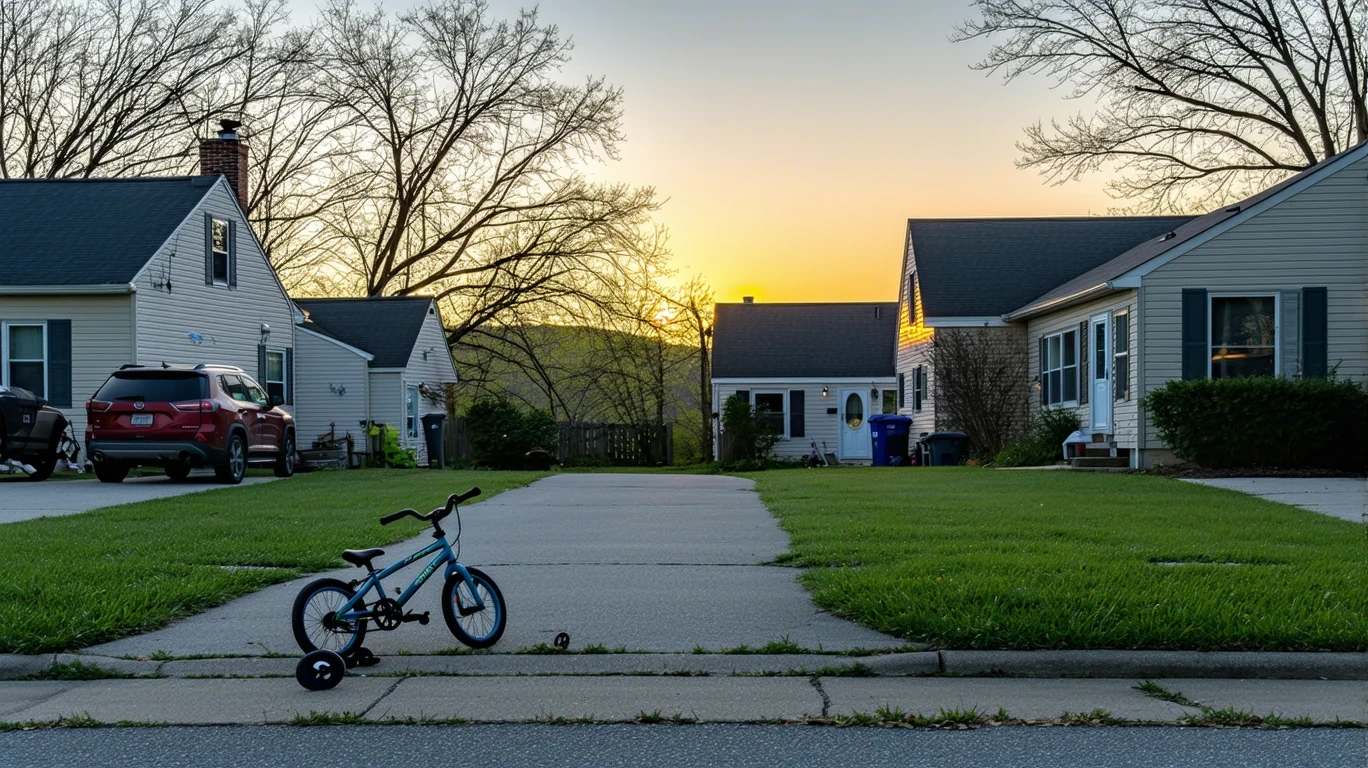
Hillview operates as a car-oriented suburb where daily life revolves around planned trips to corridor-clustered shopping, schools, and services. The infrastructure supports families with predictable schedules who value space, quiet neighborhoods, and access to regional amenities via short drives. Parks and green space access remain limited, with water features present but park density below typical suburban thresholds, meaning outdoor recreation often requires driving to larger regional parks or trails. The mixed building height character and presence of both residential and commercial land use create pockets of activity along main routes, but most neighborhoods feel residential-first with limited walkable destinations.
Louisville’s lifestyle landscape offers more variability, with older neighborhoods providing denser street grids, more walkable errands access, and greater cultural and recreational amenities concentrated in specific districts. Families and singles seeking arts, dining, and entertainment options find more variety in Louisville, though access depends heavily on which neighborhood you choose. The tradeoff comes in housing age, neighborhood stability, and the need to research school quality and park access more carefully. Households willing to invest time in finding the right Louisville neighborhood gain more lifestyle flexibility; those prioritizing predictable suburban infrastructure with less upfront research fit Hillview’s structure better.
Commute times between the two cities depend on job location, but Hillview residents working in Louisville face longer drives and more traffic exposure during peak hours, while Louisville residents working in suburban office parks may experience reverse commutes that feel less congested. The time cost of commuting—measured in daily schedule flexibility, childcare logistics, and fatigue—often outweighs fuel expense differences, especially for families managing school drop-offs or shift work. Hillview’s median household income of $63,578 per year reflects a suburban workforce with stable employment, while Louisville’s reported $30,379 per year suggests a different economic context that may include more part-time work, service-sector jobs, or income variability.
Quick fact: Hillview’s car-oriented infrastructure means nearly all errands require driving, with corridor-clustered grocery and retail access rewarding households who batch trips efficiently.
Quick fact: Louisville’s varied housing stock and neighborhood-dependent walkability create more lifestyle flexibility in specific areas, but require more research to match housing cost with desired access and amenities.
Frequently Asked Questions
Is Hillview or Louisville more affordable for renters in 2026?
Louisville’s median rent of $789 per month appears lower than Hillview’s $1,321 per month, but the difference reflects housing type and quality more than simple affordability. Hillview’s rental market leans toward larger single-family or townhome rentals with separate utility billing and yard responsibilities, while Louisville offers more apartment-style inventory with varied conditions and sometimes-included utilities. Renters prioritizing lower entry costs and flexibility may find more options in Louisville, though housing quality varies widely. Renters needing predictable suburban space and willing to meet higher monthly obligations fit Hillview’s structure better.
How do utility costs compare between Hillview and Louisville in 2026?
Both cities share identical utility rates—13.62¢/kWh for electricity and $19.61/MCF for natural gas—meaning housing form and size determine actual bills, not location. Hillview’s larger detached homes create higher baseline usage and more pronounced seasonal swings, with full control over efficiency upgrades. Louisville’s varied housing stock creates a wider range of outcomes, with some renters benefiting from shared-wall efficiency or included utilities, others facing high costs in older poorly insulated units. Families in larger homes experience more utility volatility in Hillview; renters in Louisville face less predictability but potentially lower absolute costs depending on building type.
Which city requires more car dependence, Hillview or Louisville, in 2026?
Hillview’s infrastructure requires car ownership for nearly all households, with low pedestrian density and corridor-clustered errands making walking or biking impractical for daily needs. Louisville offers more variability—specific neighborhoods with denser street grids and transit access allow some households to reduce car dependence, but many Louisville residents still rely on personal vehicles for commuting and errands. Gas prices are nearly identical ($2.58/gal in Hillview, $2.55/gal in Louisville), so the difference comes from how often you drive and whether alternatives exist. Households needing multiple vehicles fit Hillview’s structure; those seeking occasional flexibility to reduce car ownership face fewer barriers in Louisville, though only in specific areas.
Do grocery costs differ between Hillview and Louisville in 2026?
Both cities share the same regional price parity index (94), meaning grocery staples cost roughly the same at comparable store types. The difference lies in access patterns: Hillview’s corridor-clustered grocery access rewards bulk buying at big-box stores but requires planned car trips, while Louisville’s more varied retail landscape allows more frequent smaller trips with less planning burden but greater exposure to convenience spending. Families who batch weekly grocery runs benefit from Hillview’s structure; singles and couples prioritizing spontaneous access may find Louisville’s errands landscape less frustrating, even if monthly totals feel less controlled.
How does median household income affect cost pressure in Hillview vs Louisville in 2026?
Hillview’s median household income of $63,578 per year reflects a suburban workforce with stable employment, making the higher housing costs and car-dependent structure more manageable for typical households. Louisville’s reported median income of $30,379 per year suggests a different economic context with more income variability, making lower housing entry costs essential but creating tighter margins for absorbing unexpected expenses. The same gross monthly income feels different in each city: in Hillview, housing and transportation claim larger shares upfront but deliver predictable ongoing costs; in Louisville, lower housing entry costs create more flexibility, but variability in housing quality and neighborhood infrastructure makes budgeting harder.
Conclusion
Choosing between Hillview and Louisville in 2026 comes down to which cost structure aligns with how your household actually functions. Hillview concentrates pressure at the housing entry point and requires full car dependence, but delivers predictable suburban infrastructure with moderate ongoing costs once you clear the initial threshold. Louisville offers lower reported housing entry costs and more variability in access patterns, with some neighborhoods supporting reduced car dependence and more convenience, but housing quality and neighborhood stability vary widely, making it harder to predict ongoing exposure.
Families with stable income, multiple drivers, and predictable schedules fit Hillview’s car-oriented, corridor-based structure, where bulk shopping and planned errands reduce per-item costs and housing delivers space without surprise. Single adults and couples prioritizing lower entry barriers, flexibility in transportation, and spontaneous errands access may find Louisville’s varied landscape more accommodating, though only after careful neighborhood research and acceptance of less predictable housing conditions. Neither city wins overall—the better choice depends on whether your household values predictable suburban structure over lower entry costs, and whether car dependence feels like a manageable tradeoff or a daily friction point.
How this article was built: In addition to public economic data, this article incorporates location-based experiential signals derived from anonymized geographic patterns—such as access density, walkability, and land-use mix—to reflect how day-to-day living actually feels in Hillview, KY.