
Is Hilliard expensive to live in? Hilliard is considered moderately priced in 2026, with a median home value of $336,300 and median rent of $1,518 per month. The value proposition depends on housing entry cost versus transportation flexibility—Hilliard offers more mobility options than typical car-dependent suburbs, but errands still require planning around commercial corridors.
You’re weighing a move to Hilliard, and the first question isn’t whether you can technically afford it—it’s whether the cost structure fits how you actually live. Do you need walkability for daily errands, or are you comfortable driving to clustered shopping areas? Will you own or rent, and does the upfront housing cost leave room for transportation, utilities, and the logistics of suburban life? Hilliard’s cost pressure doesn’t come from a single expensive category—it comes from how housing entry, transportation dependence, and errands accessibility interact to shape your monthly exposure.
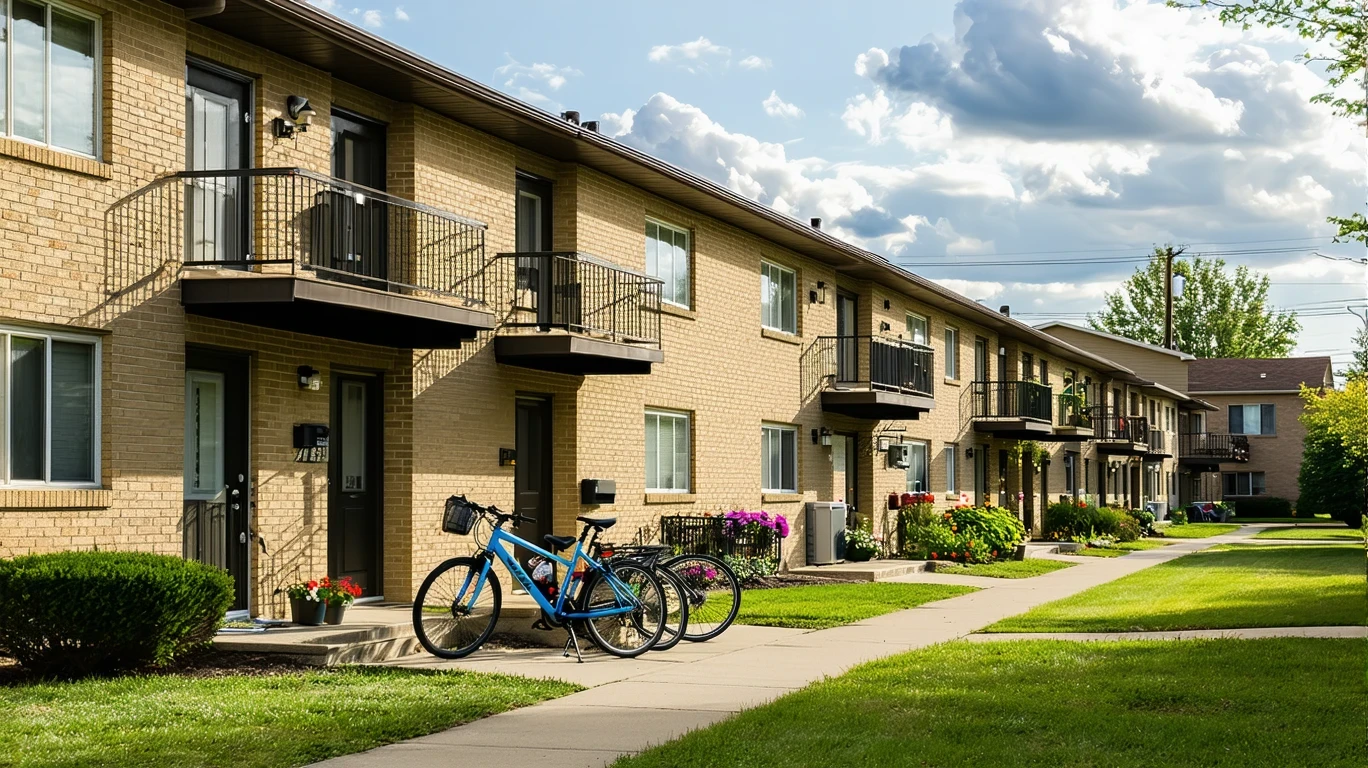
Overall Cost of Living Snapshot
Hilliard sits below the national baseline for overall cost pressure, with a regional price parity index of 95, meaning goods and services here generally cost about 5% less than the U.S. average. That directional discount shows up most clearly in housing and day-to-day purchases, but it doesn’t mean Hilliard is inexpensive—it means the cost structure is shaped more by what you choose (home size, commute length, vehicle count) than by inflated local prices.
The primary cost driver is housing entry, whether you’re buying or renting. The median home value of $336,300 reflects a stable, ownership-oriented suburb where most residents are investing in property rather than cycling through short-term rentals. Median rent of $1,518 per month positions Hilliard as accessible for renters compared to nearby urban cores, but rental inventory tends to be limited, and most housing stock is built for ownership.
Transportation is the secondary pressure point, but Hilliard’s structure offers more flexibility than typical car-dependent suburbs. The city has notable cycling infrastructure, bus service, and walkable pockets with substantial pedestrian infrastructure in certain areas. However, errands accessibility is corridor-clustered—food and grocery options are concentrated along commercial strips rather than distributed throughout neighborhoods. This means most households still rely on a vehicle for convenience, but the infrastructure exists for those who want to reduce car dependence.
Utilities present moderate seasonal risk. Electricity rates of 17.31¢/kWh and natural gas prices of $11.25 per MCF (roughly $0.11 per therm) are close to state averages, but Ohio’s cold winters and warm summers create exposure on both heating and cooling. The swing factor isn’t the rate—it’s the duration and intensity of seasonal demand.
Driver verdict: Hilliard’s cost pressure is dominated by housing entry and vehicle ownership, with transportation flexibility available for those who prioritize it. The main surprise for newcomers is that errands require planning around corridors rather than hyperlocal convenience, even in walkable pockets.
Housing Costs (Primary Driver)
Housing is where Hilliard’s cost structure takes shape. The median home value of $336,300 reflects a market built for long-term ownership—single-family homes on larger lots, stable neighborhoods, and a buyer base that skews toward families and established professionals. This isn’t a city where people rent indefinitely or cycle through apartments every year; it’s a place where housing is treated as an anchor decision.
For renters, the median gross rent of $1,518 per month is moderate compared to Columbus and its inner suburbs, but rental inventory is limited. Most rental stock consists of single-family homes, townhomes, or small apartment complexes rather than large multifamily buildings. Renters here are often in transition—relocating for work, testing the area before buying, or temporarily downsizing. The rental market isn’t designed for long-term renter households the way urban cores are.
The renting vs. owning decision hinges on how long you plan to stay and whether you value flexibility or equity. Renting offers lower upfront cost and no maintenance exposure, but it leaves you vulnerable to lease renewals and limited inventory. Owning locks in your housing cost (excluding taxes and insurance), builds equity, and gives you control over your space, but it requires a down payment, closing costs, and ongoing maintenance risk.
Conclusion: Hilliard is an ownership-oriented suburb. Renting works for short-term stays or trial periods, but the city’s housing stock, cost structure, and infrastructure are built for buyers.
| Housing Type | Cost Anchor | What That Buys You |
|---|---|---|
| Median Home (Purchase) | $336,300 | Single-family home, stable neighborhood, equity-building, maintenance responsibility |
| Median Rental | $1,518/month | Flexibility, lower upfront cost, limited inventory, renewal risk |
Utilities & Energy Risk
Utilities in Hilliard carry moderate seasonal risk, driven more by Ohio’s climate swings than by unusually high rates. Electricity at 17.31¢/kWh sits near the state average, and natural gas at $11.25 per MCF (approximately $0.11 per therm) is similarly unremarkable. The exposure comes from duration—cold winters demand extended heating, and warm, humid summers push cooling systems hard.
Heating dominates winter bills. Natural gas furnaces are common in Hilliard’s housing stock, and a cold stretch in January or February can drive usage well above baseline. Homes with older insulation, larger square footage, or poor weatherstripping see the biggest swings. Cooling is less intense but still meaningful—central air conditioning runs frequently from June through August, and electricity demand spikes accordingly.
The risk isn’t catastrophic, but it’s not trivial either. A household in a moderately insulated home should expect noticeable seasonal variation, with winter and summer months running higher than spring and fall. Efficiency upgrades—programmable thermostats, insulation improvements, air sealing—reduce exposure by cutting usage duration rather than changing the rate.
Risk classification: Moderate. Seasonal swings are predictable and manageable, but they require planning and can’t be ignored in a household budget.
Groceries & Daily Costs
Grocery costs in Hilliard reflect the city’s below-baseline regional price parity, with everyday staples running slightly below national averages. Derived estimates based on regional adjustments show bread around $1.75 per pound, eggs near $2.45 per dozen, and ground beef at $6.41 per pound. These figures are illustrative—actual prices vary by store, season, and brand—but they signal that day-to-day grocery pressure here is moderate rather than elevated.
The bigger factor isn’t price—it’s access structure. Hilliard’s errands accessibility is corridor-clustered, meaning grocery stores and food establishments are concentrated along commercial strips rather than distributed evenly across neighborhoods. This doesn’t mean groceries are hard to find, but it does mean most households drive to shop rather than walking to a corner store. For car-dependent households, this is a non-issue. For those trying to reduce vehicle use, it adds friction.
Household impact depends on shopping habits and flexibility. Larger households buying in bulk face lower per-unit costs but higher trip frequency. Smaller households or individuals shopping more often pay a convenience premium unless they plan trips carefully. The presence of multiple grocery chains and big-box retailers keeps competition healthy, but proximity varies widely depending on where you live in the city.
Derived estimate based on national baseline adjusted by regional price parity; not an observed local price.
Transportation Reality
Transportation in Hilliard is shaped by a mix of car dependence and emerging alternatives. Most households own at least one vehicle, and many own two, because errands, work commutes, and family logistics still favor driving. But unlike many suburbs, Hilliard has invested in cycling infrastructure and maintains bus service, creating flexibility for those who want to reduce car reliance.
The city’s pedestrian-to-road ratio is high in certain areas, and bike-to-road ratio exceeds typical suburban thresholds, meaning the infrastructure exists for non-car trips—but only if your daily destinations align with those corridors. Walkable pockets offer genuine pedestrian access, but they’re not citywide. If you live near a commercial corridor or a park trail, you can walk or bike for some errands. If you’re in a residential cul-de-sac farther from those nodes, you’re driving.
Gas prices of $3.00 per gallon are close to state and national averages, so fuel cost isn’t the main transportation exposure—it’s frequency and distance. A household commuting 25 miles round trip five days a week in a 25-MPG vehicle burns about 5 gallons weekly, or roughly $15 in fuel. That’s manageable, but it scales quickly with longer commutes, multiple vehicles, or additional trips for errands and activities.
Bus service provides a baseline transit option, but it’s limited compared to urban cores. Routes and frequency are designed for commuters and essential trips rather than comprehensive coverage. For households willing to plan around schedules, it’s a viable supplement. For those expecting spontaneous, frequent service, it won’t replace a car.
Transportation as recurring exposure: Hilliard offers more flexibility than typical car-dependent suburbs, but most households still treat a vehicle as essential. The cost pressure comes from ownership (insurance, maintenance, depreciation) and usage (fuel, parking, time), not from inflated local prices.
Cost Exposure Profiles
Hilliard’s cost structure creates different exposure depending on how you enter the housing market, how much you drive, and how you manage seasonal utility swings. The city doesn’t penalize any one household type, but it rewards those whose logistics align with its infrastructure.
Low-exposure situations: Homeowners with stable equity, short commutes, and energy-efficient homes face the least cost volatility. If you’ve locked in your housing cost, live near a commercial corridor or work-from-home, and have upgraded insulation and HVAC, your month-to-month expenses are predictable. Seasonal utility swings are noticeable but manageable, and transportation is a controlled expense rather than a recurring surprise.
High-exposure situations: Renters facing lease renewals, households with long commutes or multiple vehicles, and those in older, less-efficient homes carry the most cost risk. Rental inventory is limited, so lease renewals can bring unexpected increases. Long commutes multiply fuel and maintenance costs, and older homes amplify seasonal utility swings. Families with school-age children also face logistical complexity—Hilliard’s family infrastructure is limited, with school and playground density below typical thresholds, meaning extracurricular activities and childcare often require additional driving.
The structural difference isn’t income—it’s alignment. A household that prioritizes homeownership, works locally or remotely, and invests in efficiency upgrades will find Hilliard’s cost structure stable and manageable. A household renting short-term, commuting daily to Columbus, and living in an older rental will face compounding pressure from housing, transportation, and utilities simultaneously.
Frequently Asked Questions
Is Hilliard more affordable than Columbus in 2026? Hilliard’s median home value of $336,300 is higher than many Columbus neighborhoods, but it offers more space, newer housing stock, and lower crime. Renters may find Columbus more affordable due to greater inventory, but Hilliard’s suburban stability appeals to buyers prioritizing long-term equity over short-term flexibility.
What does a typical cost profile look like in Hilliard? Most households face moderate housing costs (either mortgage or rent around $1,500–$2,000 monthly), seasonal utility swings (higher in winter and summer), and transportation costs driven by vehicle ownership and commute length. Grocery and day-to-day expenses run slightly below national averages due to the regional price parity index of 95.
Do utilities cost more in Hilliard than nearby areas? Electricity and natural gas rates in Hilliard are close to Ohio state averages, so the cost difference comes from usage rather than price. Homes with better insulation and efficient HVAC systems see lower bills regardless of location, while older or larger homes face higher seasonal exposure.
What costs tend to surprise newcomers in Hilliard? Transportation logistics often catch people off guard—Hilliard has more walkable and bike-friendly infrastructure than typical suburbs, but errands are still corridor-clustered, meaning most trips require a car. Seasonal utility swings also surprise those moving from milder climates, as Ohio winters and summers both drive meaningful usage increases.
Are property taxes higher in Hilliard than Dublin or Upper Arlington? Property tax rates vary by school district and local levies, and all three cities are in Franklin County. Hilliard’s effective tax rate is competitive with nearby suburbs, but the total tax bill depends on assessed home value. A $336,300 home in Hilliard may carry a similar or slightly lower tax bill than a comparable home in Dublin or Upper Arlington, depending on the specific district.
Is Hilliard a good value for families? Hilliard offers strong schools, green space access, and stable neighborhoods, but family infrastructure (playgrounds and schools per capita) is limited compared to some nearby suburbs. Families who prioritize space, safety, and ownership over hyperlocal amenities tend to find good value here, but those expecting dense parks, playgrounds, and walkable schools may need to drive more than anticipated.
Can you live in Hilliard without a car? It’s possible but requires significant planning. Bus service exists, and some areas have walkable access to groceries and errands, but coverage is limited and frequency is low. Households combining biking, bus routes, and occasional rideshare can reduce car dependence, but most residents find vehicle ownership essential for convenience and flexibility.
How does Hilliard’s cost of living compare to smaller Ohio cities like Delaware or Marysville? Hilliard’s housing costs are higher due to proximity to Columbus and stronger school districts, but utilities, groceries, and transportation costs are similar across central Ohio. Smaller cities may offer lower home prices and rent, but Hilliard provides better access to employment, amenities, and infrastructure, which many households value over raw affordability.
How this article was built: In addition to public economic data, this article incorporates location-based experiential signals derived from anonymized geographic patterns—such as access density, walkability, and land-use mix—to reflect how day-to-day living actually feels in Hilliard, OH.
—