
Many newcomers to Hialeah assume that because Florida has no state income tax, household expenses must be lower across the board—but that myth dissolves quickly when the first summer electric bill arrives, often two to three times higher than what residents paid in milder climates.
Understanding Utilities in Hialeah
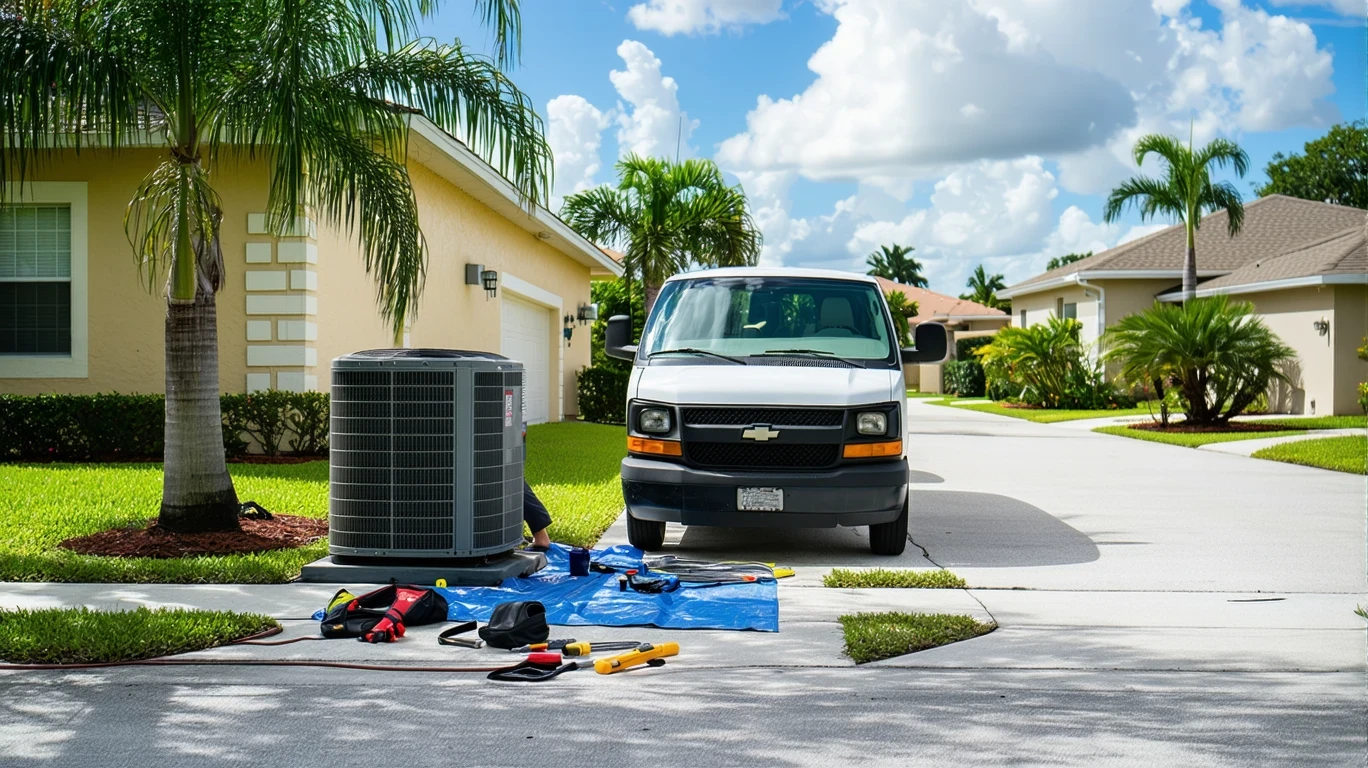
The reality of utilities cost in Hialeah is shaped less by rate structures and more by exposure: how long the air conditioner runs, how much water a lawn demands, and whether a home was built with efficiency in mind. For most households, utilities rank as the second-largest monthly expense after housing, and in a subtropical climate like Hialeah’s, that burden is heavily seasonal. Unlike cities where heating and cooling share the calendar, Hialeah’s utility profile is cooling-dominant, with extended stretches of heat and humidity driving electricity consumption from late spring through early fall.
What’s typically included? Electricity powers nearly everything—cooling, lighting, appliances, and often water heating. Water and sewer services are usually billed together, with tiered pricing that penalizes heavy use. Trash and recycling may be bundled with water or handled separately by the city or an HOA. Natural gas, while available in parts of Hialeah, plays a minor role compared to electricity, since heating demand is minimal and many homes rely on electric ranges and water heaters instead.
For renters moving into an apartment, some utilities may be included in the lease—particularly water, trash, or even basic cable—but electricity is almost always the tenant’s responsibility. Single-family home renters and owners, by contrast, carry the full load, and the difference in exposure can be significant. A townhome with shared walls will cost less to cool than a detached house with full sun exposure on all sides. Understanding how Hialeah’s built environment and climate interact is the first step toward managing what can otherwise feel like an unpredictable monthly expense.
Utilities at a Glance in Hialeah
The table below shows how core utility costs typically behave for a mid-size household in a single-family home in Hialeah. Where city-level prices are available in the data feed, they are shown directly. When exact figures are not provided, categories are described qualitatively to reflect how costs are structured and what drives variability.
| Utility | Cost Structure |
|---|---|
| Electricity | 15.78¢/kWh; usage-sensitive and climate-driven |
| Water | Tiered pricing; usage-dependent |
| Natural Gas | $25.39/MCF; minimal heating demand |
| Trash & Recycling | Often bundled with water or HOA fees |
| Total | Seasonal variability driven by electricity and cooling exposure |
This table reflects utility cost structure for a mid-size household in a single-family home in Hialeah during 2026. Where exact figures are not provided in the IndexYard data feed, categories are described directionally to reflect how costs behave rather than a receipt-accurate total.
Electricity is the dominant utility in Hialeah, and its cost is driven almost entirely by cooling demand. At 15.78¢ per kilowatt-hour, the rate itself is moderate, but a typical household using around 1,000 kWh per month during peak summer—an illustrative benchmark for a mid-size home with central air conditioning—would face a bill in the neighborhood of $158 before fees and taxes. That figure can climb significantly in July and August, when outdoor temperatures routinely reach the upper 80s and low 90s, and humidity makes it feel even hotter. Homes with older AC units, poor insulation, or large west-facing windows will see the highest bills.
Water costs in Hialeah are structured around tiered usage, meaning the more you use, the higher the per-gallon rate climbs. This pricing model is designed to discourage waste, but it also penalizes households with lawns, pools, or large families. Because water and sewer are typically billed together, a single monthly statement covers both supply and treatment. In practice, water bills are more stable than electricity—they don’t swing wildly with the seasons—but they do respond to behavior, particularly outdoor irrigation during dry stretches.
Natural gas plays a minor role in Hialeah’s utility landscape. Priced at $25.39 per thousand cubic feet, it’s available in some neighborhoods, primarily for water heaters, ranges, or dryers. However, because heating demand is negligible—most winters require only a handful of nights with the heat on, if at all—gas bills remain low and stable year-round. Many homes in Hialeah are all-electric by design, which simplifies billing but concentrates cost exposure in a single utility.
Trash and recycling are often bundled with water service or included in HOA fees, particularly in planned communities and condo developments. Standalone single-family homes may receive separate billing from the city or a private hauler. Either way, this is one of the most predictable line items in the monthly budget, with costs that rarely fluctuate and are typically modest compared to electricity and water.
How Weather Impacts Utilities in Hialeah
Hialeah’s subtropical climate creates a utility profile that is lopsided toward cooling. Summer heat arrives early—often by late April—and lingers through October, with daytime highs in the upper 80s and low 90s and nighttime temperatures that rarely dip below the mid-70s. Humidity amplifies the discomfort, making air conditioning not just a convenience but a necessity for sleep, productivity, and health. As a result, electricity bills in Hialeah peak during the summer months, often doubling or tripling compared to the mild winter season when windows can stay open and AC use drops to near zero.
Winter in Hialeah is brief and mild. Heating costs are negligible for most households—a few mornings in January or February might call for a space heater or a quick run of the furnace, but nothing that moves the needle on a gas or electric bill. This is a sharp contrast to northern climates, where winter heating can rival or exceed summer cooling costs. In Hialeah, the calculus is simpler: if you want to control your utility spending, you need to control your cooling load.
One quirk of Hialeah’s climate is the role of afternoon thunderstorms in summer. These brief, intense downpours can temporarily cool the air and reduce the strain on air conditioners, but they also drive up humidity, which forces AC units to work harder to remove moisture from indoor air. The result is that even on days when the thermometer reads a manageable 85°F, the “feels like” temperature—and the cooling cost—can be much higher. Many Hialeah households experience noticeably higher electric bills during peak summer compared to spring, even when outdoor temperatures differ by only a few degrees, because the humidity load is doing most of the work.
How to Save on Utilities in Hialeah
Reducing utility costs in Hialeah starts with understanding what you can control. The biggest lever is cooling efficiency: upgrading to a high-SEER air conditioner, sealing ducts, adding insulation, and using a programmable thermostat can all reduce electricity consumption without sacrificing comfort. Even small behavioral changes—raising the thermostat a few degrees when you’re out, using ceiling fans to circulate air, and closing blinds during the hottest part of the day—add up over the course of a long cooling season.
Water savings are more straightforward. Low-flow showerheads, efficient toilets, and smart irrigation controllers can cut usage significantly, particularly for households with lawns. Because water is billed on a tiered structure, reducing consumption not only lowers the volume you pay for but also keeps you in a lower rate bracket. Fixing leaks promptly is especially important in Hialeah, where a running toilet or dripping faucet can push you into a higher tier without you noticing.
Beyond household upgrades, many utility providers in Florida offer programs that can help. These include:
- Time-of-use billing plans that reward off-peak electricity use
- Rebates for energy-efficient appliances, AC units, and water heaters
- Budget billing programs that smooth out seasonal swings into a predictable monthly payment
- Free or subsidized home energy audits that identify insulation gaps and duct leaks
- Solar incentives at the state and federal level, which can offset electricity costs over time
🏆 Tip: Check if your provider in Hialeah offers rebates for energy-efficient AC units or heating systems. In a cooling-dominated climate, upgrading your air conditioner delivers the highest return on investment of any efficiency measure.
FAQs About Utility Costs in Hialeah
Why are utility bills so high in Hialeah during the summer?
Summer bills spike because air conditioning runs nearly nonstop from May through September, and humidity forces AC units to work harder even when outdoor temperatures are moderate. Older homes with poor insulation or inefficient cooling systems see the steepest increases.
Do HOAs in Hialeah usually include trash or water in their fees?
Many HOAs in planned communities and condo developments bundle trash, water, and sometimes sewer into the monthly fee, which simplifies billing and can lower per-household costs. Single-family homes outside HOA communities typically receive separate bills for these services.
How much should a family of four budget for utilities in Hialeah each month?
Electricity will be the largest line item, with summer bills often reaching twice what they are in winter. Water and trash are more stable. The total will depend heavily on home size, cooling efficiency, and whether the household irrigates a lawn, but planning for seasonal swings is essential.
Does Hialeah offer incentives for solar panels or energy-efficient appliances?
Florida provides state-level incentives for solar installations, including property tax exemptions and net metering programs that credit households for excess power sent back to the grid. Federal tax credits for solar and energy-efficient upgrades are also available, and some local utilities offer rebates for high-efficiency appliances and AC systems.
Are utilities in Hialeah generally cheaper or more expensive than the state average?
Hialeah’s electricity rate of 15.78¢ per kWh is close to the Florida average, but total costs depend more on usage than on rates. Because cooling demand is high and the season is long, households in Hialeah often spend more on electricity annually than residents in cooler parts of the state, even if the per-kilowatt-hour price is similar.
How Utilities Fit Into the Cost Structure in Hialeah
Electricity is typically the most exposure-sensitive utility in Hialeah, driven more by climate and home efficiency than by base rates. Unlike fixed costs such as rent or car payments, utility bills respond directly to behavior, weather, and infrastructure. A household that invests in insulation, upgrades to a modern AC unit, and adjusts thermostat settings can cut cooling costs significantly, while a household in an older, poorly sealed home will face higher bills no matter how careful they are. This makes utilities one of the few major expense categories where proactive management delivers measurable, repeatable savings.
Understanding how utilities behave in Hialeah also helps clarify where your money goes each month. While housing costs—rent or mortgage—typically claim the largest share of household income, utilities represent the second-largest recurring expense, and their volatility can complicate budgeting. A household that pays $1,200 in rent and $150 in winter utilities might face $250 or more in summer utilities, a swing that can strain cash flow if not anticipated. Planning for that seasonal rhythm is part of living in a subtropical climate.
For newcomers weighing the tradeoffs of life in Hialeah, utilities are a reminder that cost of living isn’t just about sticker prices—it’s about exposure, predictability, and control. A lower rent in an older, less efficient home may cost more in the long run than a slightly higher rent in a newer building with modern insulation and appliances. Similarly, a single-family home with a large lawn and pool will carry higher water and electricity costs than a condo with shared walls and minimal outdoor space. These are structural decisions, not just monthly bills, and they shape the financial texture of daily life in ways that aren’t always obvious until the first summer passes.
To see how utilities interact with other major expenses—groceries, transportation, healthcare—and how they fit into a realistic monthly spending plan, explore IndexYard’s detailed budget breakdown for Hialeah. And if you’re comparing Hialeah to other cities in South Florida or beyond, our cost-of-living hub offers side-by-side data to help you make informed decisions about where to live and how to plan.
How this article was built: In addition to public economic data, this article incorporates location-based experiential signals derived from anonymized geographic patterns—such as access density, walkability, and land-use mix—to reflect how day-to-day living actually feels in Hialeah, FL.
—