
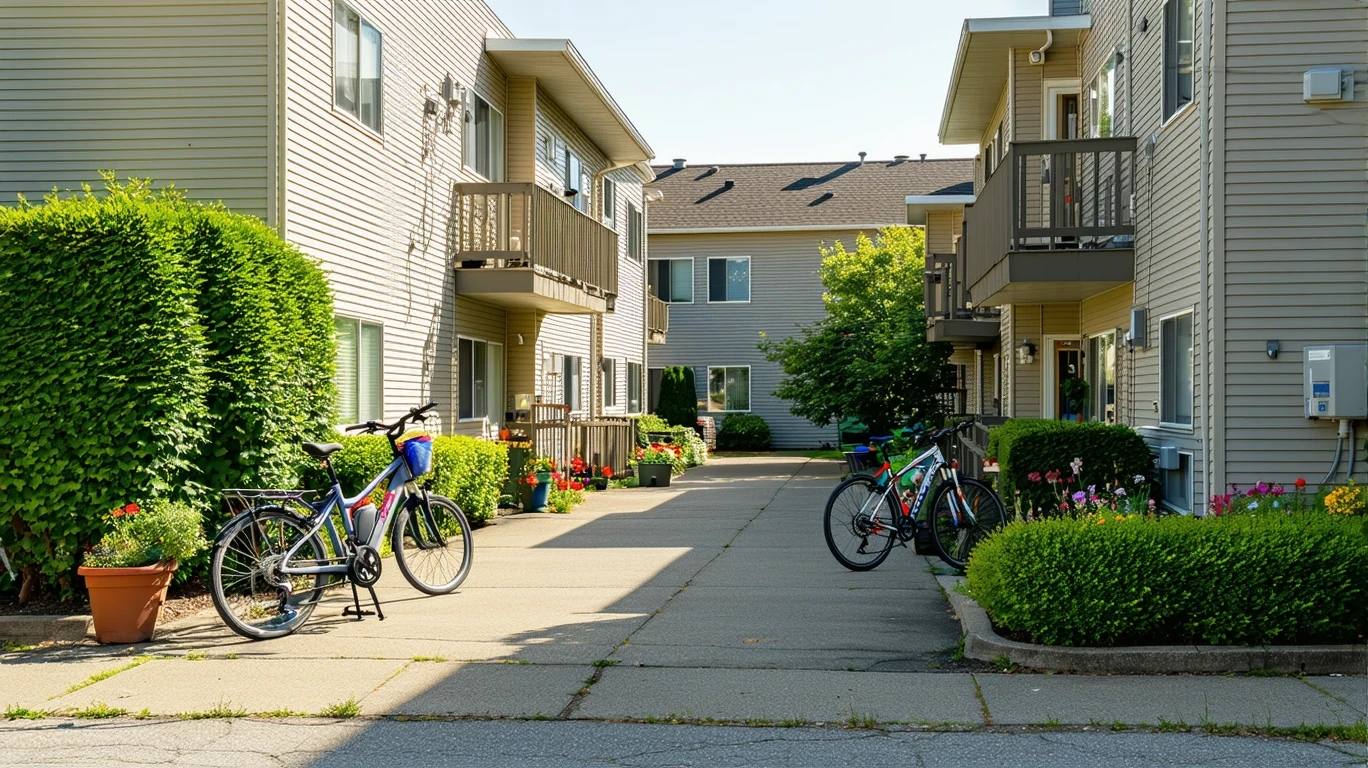
Grove City and Westerville sit within the same Columbus metro area, share similar regional price conditions, and both attract families and commuters looking for suburban stability. Yet the financial experience of living in each city diverges in meaningful ways—not because one is universally cheaper, but because cost pressure concentrates differently depending on housing form, commute patterns, and how households navigate day-to-day logistics. In 2026, the decision between these two cities hinges less on total affordability and more on which cost structures align with a household’s income stability, transportation needs, and tolerance for front-loaded versus ongoing expenses.
Both cities offer access to the Columbus job market, but Grove City and Westerville differ in housing entry barriers, natural gas exposure, commute length distribution, and the physical layout that shapes errands and mobility. Grove City presents lower median home values and rents, but higher natural gas costs and a larger share of residents facing long commutes. Westerville commands higher housing prices but offers shorter median commute times, lower heating fuel costs, and a higher median household income baseline. These aren’t minor details—they determine where financial friction shows up first and which households feel cost pressure most acutely.
Understanding these structural differences matters because the same gross monthly income can feel stable in one city and stretched in the other, depending on whether a household prioritizes lower upfront housing costs, predictable utility exposure, or minimized time and fuel spent commuting. This article breaks down how housing, utilities, groceries, transportation, taxes, and lifestyle costs behave differently in Grove City and Westerville, and explains which households are better positioned to manage each city’s distinct cost profile.
Housing Costs
Housing represents the most visible cost difference between Grove City and Westerville. Grove City’s median home value sits at $262,800, while Westerville’s reaches $320,500—a gap that translates directly into down payment requirements, mortgage principal, and property tax baselines. For renters, Grove City’s median gross rent is $1,205 per month compared to Westerville’s $1,361 per month. These differences aren’t marginal; they shape who can enter each market and how much flexibility remains after housing costs are covered.
The housing entry barrier in Westerville is higher across both ownership and rental markets. First-time buyers face larger down payment thresholds and higher monthly mortgage obligations, which narrows the pool of households who can qualify without stretching debt-to-income ratios. Renters in Westerville encounter similar pressure: the higher baseline rent reduces the buffer available for other expenses, particularly for single-income households or those early in their careers. Grove City’s lower entry costs create more room for households prioritizing cash flow flexibility, whether that means absorbing unexpected expenses, saving for future goals, or managing variable income.
However, lower entry costs in Grove City don’t eliminate housing pressure—they shift where it appears. Grove City’s housing stock and layout include walkable pockets with notable cycling infrastructure and mixed land use, which can reduce transportation costs for households able to access those areas. Westerville’s higher housing costs may be offset for some households by shorter commute times and lower long-commute exposure, which reduces fuel, vehicle wear, and time costs. The decision isn’t about which city is cheaper; it’s about whether a household values lower upfront housing obligations or reduced ongoing transportation friction.
| Housing Type | Grove City | Westerville |
|---|---|---|
| Median Home Value | $262,800 | $320,500 |
| Median Gross Rent | $1,205/month | $1,361/month |
Housing takeaway: Grove City fits households prioritizing lower entry barriers and cash flow flexibility, particularly renters and first-time buyers managing tight budgets. Westerville fits households with higher stable income who value shorter commutes and are less sensitive to upfront housing costs. Families seeking walkable infrastructure and cycling access may find Grove City’s layout advantageous, while those prioritizing predictable commute patterns may prefer Westerville’s lower long-commute exposure.
Utilities and Energy Costs
Utility costs in Grove City and Westerville share similar electricity rates—17.66¢/kWh in Grove City and 17.85¢/kWh in Westerville—but diverge sharply on natural gas pricing. Grove City’s natural gas rate is $13.33/MCF, while Westerville’s is $23.03/MCF. This difference matters most during heating months, when natural gas consumption drives the largest share of utility bills. Households in Westerville face higher heating fuel costs, which increases exposure for those living in older homes, larger single-family houses, or properties with less efficient insulation.
The impact of natural gas pricing isn’t uniform. Single adults in smaller apartments experience lower absolute exposure because baseline heating needs are modest. Families in larger homes, particularly those with older HVAC systems or poor weatherization, feel the difference more acutely. In Westerville, higher natural gas costs mean that heating season introduces more volatility into monthly budgets, and households with limited control over thermostat settings or unable to invest in efficiency upgrades face ongoing pressure. Grove City’s lower natural gas costs reduce that seasonal spike, making utility bills more predictable for households in single-family homes.
Electricity costs remain relatively stable across both cities, but cooling and baseline usage still vary by housing type. Apartments with shared walls and smaller square footage require less energy for temperature control, while detached homes with larger footprints and more windows face higher cooling exposure during summer months. Grove City’s mixed building height character and Westerville’s housing stock both include a range of property types, so utility exposure depends more on the specific home than the city itself. Households prioritizing predictable utility costs should focus on housing form, insulation quality, and heating fuel type rather than assuming one city offers a blanket advantage.
Utility takeaway: Grove City offers lower natural gas costs, which benefits families in larger homes and reduces heating season volatility. Westerville’s higher natural gas pricing increases exposure for households in older or less efficient properties. Electricity costs are comparable, so cooling and baseline usage differences depend more on housing type than location. Households sensitive to seasonal utility swings may prefer Grove City’s lower heating fuel costs, while those in smaller apartments or newer construction may find the difference less material.
Groceries and Daily Expenses
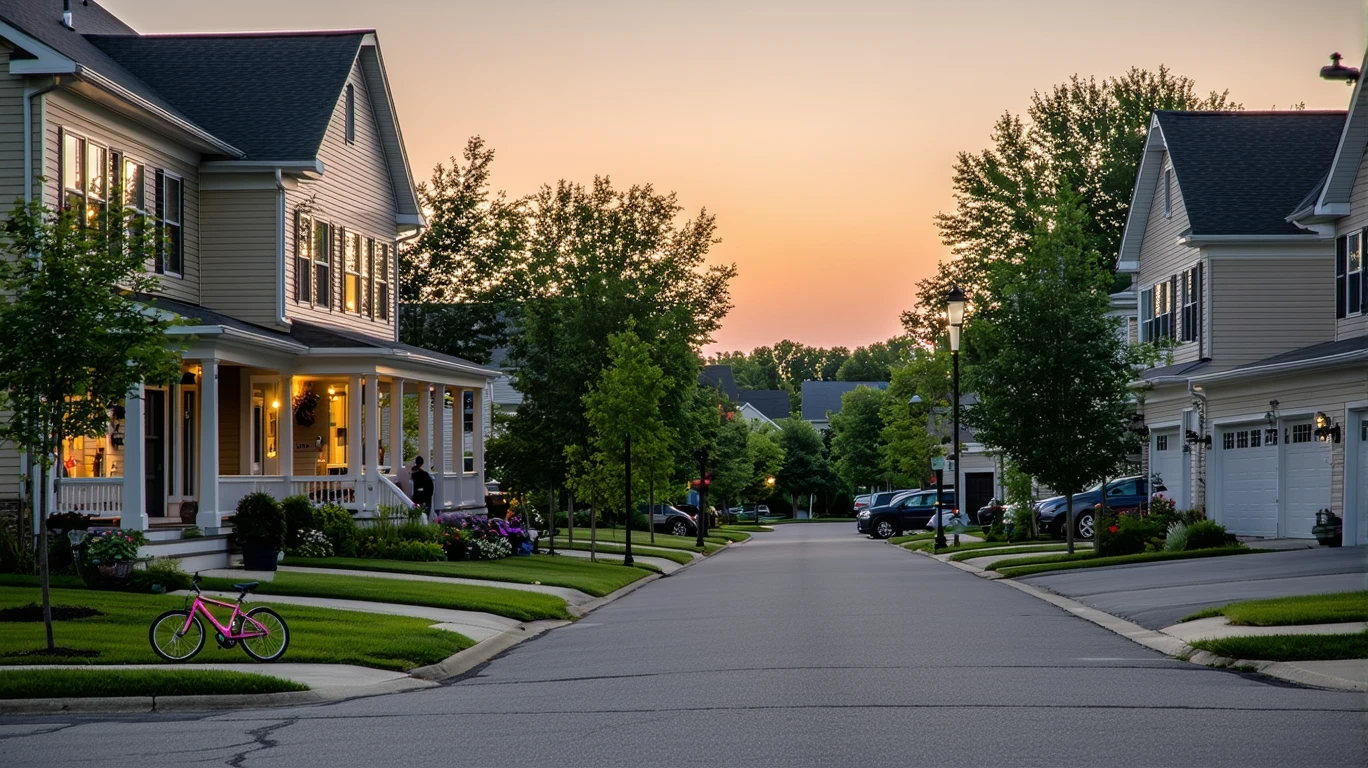
Grocery and daily expense pressure in Grove City and Westerville reflects access patterns and household shopping strategies more than raw price differences. Both cities fall within the same regional price parity index (95), meaning baseline grocery costs are structurally similar. However, Grove City’s experiential signals indicate corridor-clustered food and grocery access, with density in moderate bands. This layout means that some households can access grocery options easily, while others face longer trips or fewer nearby alternatives. Westerville’s food access patterns aren’t captured in the same detail, but proximity to grocery stores and the mix of discount versus specialty options still shape how much households spend and how often they rely on convenience purchases.
For single adults and couples, grocery spending is more flexible—smaller volumes mean that price sensitivity matters less, and the ability to shop at discount stores or buy in bulk can offset higher per-item costs. Families managing larger grocery volumes feel access friction more acutely. If the nearest affordable grocery store requires a longer drive, that adds time and fuel costs to every shopping trip. If nearby options skew toward convenience stores or specialty markets, households either pay more per item or absorb the time cost of traveling farther. Grove City’s corridor-clustered access means that households located near those corridors benefit from shorter trips and more options, while those farther out face higher logistical costs.
Daily expenses beyond groceries—coffee, takeout, household goods—also vary by access and habit. Grove City’s mixed land use and walkable pockets mean that some households can run errands on foot or by bike, reducing the cumulative cost of small trips. Westerville’s layout and commute patterns suggest more car dependence for daily errands, which increases fuel and time costs even if per-item prices are similar. Households that prioritize convenience and frequent small purchases will feel the difference in access structure more than those who plan larger, less frequent shopping trips.
Grocery takeaway: Grove City’s corridor-clustered food access benefits households located near those corridors, while those farther out face longer trips and fewer nearby options. Westerville’s grocery access isn’t as clearly defined, but car dependence for errands likely increases cumulative transportation costs. Families managing large grocery volumes are more exposed to access friction in both cities, while single adults and couples have more flexibility to optimize around price and convenience. Households prioritizing walkable errands and reduced car dependence may find Grove City’s layout advantageous in specific neighborhoods.
Taxes and Fees
Property taxes, local fees, and recurring costs like trash collection, water, and sewer services shape ongoing financial obligations in both Grove City and Westerville. While specific tax rates aren’t provided in the data, the structural difference in median home values means that property tax exposure is higher in Westerville for homeowners. A $320,500 home generates a larger annual property tax bill than a $262,800 home, even if the millage rate is identical. For renters, property taxes are embedded in rent, but the pass-through effect is less direct and harder to isolate.
Local fees and assessments also vary by housing type and neighborhood. Single-family homeowners in both cities may face HOA fees, special assessments for infrastructure improvements, or mandatory trash and recycling fees. These costs are more predictable than utilities but less visible during the home-buying process, and they accumulate over time. Renters typically avoid direct exposure to these fees, but landlords may adjust rent to cover them. Households planning to stay in one place for several years should account for the cumulative impact of property taxes and fees, which grow alongside home values and local budget needs.
Sales taxes and consumption-based fees affect all households, but the impact depends on spending patterns. Households that rely heavily on dining out, retail purchases, or services feel sales tax pressure more acutely than those who minimize discretionary spending. Both Grove City and Westerville are subject to Ohio state and local sales tax structures, so the primary difference comes from how much households spend rather than the tax rate itself. Long-term residents in either city face the risk of rising property taxes as home values appreciate, which increases ongoing obligations even if income remains flat.
Tax takeaway: Westerville’s higher median home values translate into higher property tax exposure for homeowners, which increases ongoing obligations and reduces flexibility for households on fixed incomes. Grove City’s lower home values reduce property tax baselines, but fees and assessments still accumulate over time. Renters in both cities are less directly exposed to property taxes but may see rent increases tied to landlord cost changes. Households planning to stay long-term should prioritize predictability in property tax growth and fee structures over initial housing cost differences.
Transportation & Commute Reality
Commute patterns and transportation costs differ meaningfully between Grove City and Westerville, even though both cities serve the Columbus metro job market. Grove City’s average commute time is 23 minutes, but 31.9% of workers face long commutes—a significant share that suggests many residents travel well beyond nearby employment centers. Westerville’s average commute is 25 minutes, only slightly longer, but just 14.4% of workers experience long commutes. This distribution matters more than the median: Grove City has a larger tail of households spending substantial time and fuel on daily commutes, while Westerville’s commute exposure is more concentrated around the average.
Gas prices also differ slightly—$2.78/gallon in Grove City versus $2.58/gallon in Westerville—but the larger cost driver is commute distance and frequency. Households in Grove City facing long commutes burn more fuel, experience more vehicle wear, and lose more time to transportation. For dual-income households where both adults commute, that time and fuel cost compounds. Westerville’s lower long-commute percentage reduces exposure for most households, even if the median commute time is comparable. The difference isn’t about whether people drive—it’s about how far and how often.
Grove City’s experiential signals indicate notable cycling infrastructure and walkable pockets, which means some households can reduce car dependence for errands and short trips. Bus service is present in Grove City, though rail transit is not. Westerville’s transit and walkability characteristics aren’t captured in the same detail, but the lower long-commute percentage suggests better proximity to employment centers for most residents. Households that prioritize minimizing commute time and fuel costs may find Westerville’s layout more favorable, while those who can access Grove City’s walkable areas and cycling infrastructure may offset some transportation costs through reduced car dependence for daily errands.
Transportation takeaway: Grove City’s higher long-commute percentage increases time and fuel costs for a significant share of households, particularly those working in distant parts of the Columbus metro. Westerville’s lower long-commute exposure reduces transportation pressure for most residents, even though the median commute time is similar. Grove City’s walkable pockets and cycling infrastructure offer cost reduction opportunities for households located in those areas, but car dependence remains high overall. Households sensitive to commute length and fuel costs may prefer Westerville’s distribution, while those prioritizing lower housing costs and willing to manage longer commutes may find Grove City more accessible.
Cost Structure Comparison
Housing dominates the cost structure difference between Grove City and Westerville. Grove City’s lower median home values and rents reduce entry barriers and create more cash flow flexibility, particularly for renters and first-time buyers. Westerville’s higher housing costs front-load financial pressure, requiring larger down payments, higher monthly obligations, and more income stability to qualify. Households with higher stable income and less sensitivity to upfront costs will find Westerville’s housing market more accessible, while those prioritizing lower initial obligations and more budget flexibility will prefer Grove City.
Utilities introduce more volatility in Westerville due to higher natural gas costs, which increases heating season exposure for families in larger homes or older properties. Grove City’s lower natural gas pricing makes utility bills more predictable during winter months, reducing seasonal budget swings. Electricity costs are comparable, so cooling and baseline usage depend more on housing type than location. Households in single-family homes with higher heating needs feel the natural gas difference more acutely, while those in smaller apartments or newer construction experience less impact.
Transportation patterns matter more in Grove City, where a larger share of households faces long commutes and higher cumulative fuel and time costs. Westerville’s lower long-commute percentage reduces transportation pressure for most residents, even though the median commute time is only slightly shorter. Grove City’s walkable pockets and cycling infrastructure offer cost reduction opportunities for households located in those areas, but car dependence remains high overall. Households that prioritize minimizing commute friction and fuel costs may find Westerville’s layout more favorable, while those willing to manage longer commutes in exchange for lower housing costs may prefer Grove City.
Daily living and grocery costs reflect access patterns more than price differences. Grove City’s corridor-clustered food access benefits households near those corridors but increases trip length and time costs for those farther out. Westerville’s grocery access structure isn’t as clearly defined, but higher car dependence for errands likely increases cumulative transportation costs. Families managing large grocery volumes are more exposed to access friction in both cities, while single adults and couples have more flexibility to optimize around price and convenience.
The better choice depends on which costs dominate the household. For households sensitive to housing entry barriers, Grove City’s lower home values and rents create more flexibility. For those prioritizing shorter commutes and lower long-commute exposure, Westerville’s distribution reduces time and fuel costs. For families in larger homes managing heating costs, Grove City’s lower natural gas pricing reduces seasonal volatility. The decision is less about total cost and more about which cost structure aligns with a household’s income stability, transportation needs, and tolerance for front-loaded versus ongoing expenses.
How the Same Income Feels in Grove City vs Westerville
Single Adult
For a single adult, housing becomes the first non-negotiable cost, and Grove City’s lower rent baseline preserves more income for other priorities. Flexibility exists in grocery spending, dining out, and discretionary purchases, but commute length can erode that flexibility if the job is far from home. In Westerville, higher rent reduces the initial buffer, but shorter commute exposure means less fuel and time spent traveling. The role of housing form matters: a smaller apartment in either city keeps utility costs low, but Grove City’s walkable pockets allow some single adults to reduce car dependence for errands, while Westerville’s layout likely requires more driving.
Dual-Income Couple
For a dual-income couple, housing costs still dominate, but the ability to split rent or mortgage payments creates more flexibility than a single income. In Grove City, lower housing entry costs leave more room for savings or discretionary spending, but if both adults face long commutes, the cumulative time and fuel cost compounds. In Westerville, higher housing costs front-load pressure, but lower long-commute exposure reduces transportation friction for most households. Flexibility exists in grocery strategy and convenience spending, but the couple’s combined commute pattern determines whether time cost or cash cost becomes the binding constraint.
Family with Kids
For a family with kids, housing, utilities, and groceries become non-negotiable first, and flexibility disappears quickly. Grove City’s lower housing costs and natural gas pricing reduce front-loaded and seasonal pressure, but long commutes for working parents increase time cost and reduce schedule flexibility. Westerville’s higher housing costs require more stable income, but lower long-commute exposure and shorter median commute times reduce the logistical burden of managing school drop-offs, errands, and work schedules. The role of commute friction and car dependence becomes critical: families in Grove City’s walkable pockets with strong family infrastructure may reduce transportation costs, while those farther out face higher cumulative time and fuel expenses. In Westerville, higher housing and natural gas costs are offset for some families by reduced commute friction and more predictable daily logistics.
Decision Matrix: Which City Fits Which Household?
| Decision factor | If you’re sensitive to this… | Grove City tends to fit when… | Westerville tends to fit when… |
|---|---|---|---|
| Housing entry + space needs | Down payment size, monthly rent or mortgage, cash flow flexibility after housing | You prioritize lower upfront costs and need more budget flexibility for other expenses | You have higher stable income and value proximity to employment centers over lower entry costs |
| Transportation dependence + commute friction | Commute length, fuel costs, time spent traveling, vehicle wear | You can access walkable pockets or cycling infrastructure and are willing to manage longer commutes in some cases | You prioritize shorter commutes and lower long-commute exposure to reduce time and fuel costs |
| Utility variability + home size exposure | Heating season volatility, natural gas costs, predictability of monthly bills | You live in a larger home or older property and want lower natural gas costs to reduce seasonal swings | You live in a smaller apartment or newer construction where heating exposure is lower and natural gas costs matter less |
| Grocery strategy + convenience spending creep | Access to affordable grocery stores, trip frequency, reliance on convenience purchases | You can access corridor-clustered grocery options and prefer walkable errands to reduce cumulative car trips | You have flexibility to plan larger shopping trips and are less sensitive to access friction for daily errands |
| Fees + friction costs (HOA, services, upkeep) | Property taxes, HOA fees, recurring local fees, long-term cost growth | You prioritize lower property tax baselines and are willing to manage variable fees over time | You have stable income to absorb higher property tax exposure and value predictability in ongoing obligations |
| Time budget (schedule flexibility, errands, logistics) | Commute time, errands accessibility, managing household logistics with kids | You have schedule flexibility and can optimize around longer commutes or less convenient errands access | You prioritize shorter commutes and more predictable daily logistics to reduce time pressure on household schedules |
Lifestyle Fit
Grove City and Westerville offer distinct lifestyle experiences shaped by physical layout, commute patterns, and access to amenities. Grove City’s experiential signals reveal walkable pockets with notable cycling infrastructure, bus service, and mixed land use that supports both residential and commercial activity. Strong family infrastructure—schools and playgrounds meeting density thresholds—makes Grove City well-suited for families with children. Park density falls in the moderate range, and water features are present, providing outdoor access without requiring long drives. However, healthcare access is limited, with no hospital or clinics detected, meaning residents likely travel to nearby Columbus for medical care.
Westerville’s lifestyle characteristics aren’t captured in the same experiential detail, but shorter median commute times and lower long-commute exposure suggest better proximity to employment centers and daily destinations. The higher median household income baseline reflects a demographic mix that may support more dining, retail, and recreational options. Both cities benefit from their location within the Columbus metro, offering access to regional cultural, entertainment, and employment opportunities. However, the day-to-day experience differs: Grove City’s layout allows some households to reduce car dependence for errands and short trips, while Westerville’s structure likely requires more driving but compensates with shorter commute distances.
Lifestyle factors indirectly affect costs in both cities. Grove City’s walkable pockets and cycling infrastructure reduce transportation expenses for households able to access those areas, while families benefit from strong school and playground density without needing to drive far for outdoor activities. Westerville’s shorter commute exposure reduces fuel and vehicle wear, and the higher median income context may correlate with newer housing stock that lowers utility bills through better insulation and more efficient systems. Households prioritizing outdoor access, family amenities, and walkable neighborhoods may find Grove City’s layout more aligned with those goals, while those valuing shorter commutes and higher income stability may prefer Westerville’s demographic and geographic positioning.
Grove City’s average commute time is 23 minutes, with 31.9% of workers facing long commutes. Westerville’s average commute time is 25 minutes, with just 14.4% experiencing long commutes.
Frequently Asked Questions
Is Grove City or Westerville cheaper for renters in 2026?
Grove City’s median gross rent is $1,205 per month, compared to Westerville’s $1,361 per month, making Grove City’s rental market more accessible for households prioritizing lower monthly housing obligations. However, the cost difference extends beyond rent: Grove City’s higher long-commute percentage means some renters face greater fuel and time costs, while Westerville’s shorter commute exposure reduces transportation pressure. Renters sensitive to upfront housing costs will find Grove City more affordable, while those prioritizing shorter commutes and lower transportation friction may prefer Westerville despite higher rent.
How do utility costs compare between Grove City and Westerville in 2026?
Electricity rates are nearly identical—17.66¢/kWh in Grove City and 17.85¢/kWh in Westerville—but natural gas costs differ sharply. Grove City’s natural gas rate is $13.33/MCF, while Westerville’s is $23.03/MCF, which increases heating season exposure for Westerville households in larger homes or older properties. Families in single-family homes feel this difference more acutely, while single adults in smaller apartments experience lower absolute impact. Grove City’s lower natural gas costs reduce seasonal utility volatility, making bills more predictable during winter months.
Which city is better for families with kids in 2026, Grove City or Westerville?
Grove City offers lower housing entry costs, strong family infrastructure with schools and playgrounds meeting density thresholds, and walkable pockets that reduce car dependence for some households. However, 31.9% of workers face long commutes, which increases time and fuel costs for working parents. Westerville’s higher housing costs require more stable income, but lower long-commute exposure and shorter median commute times reduce logistical friction for managing school drop-offs and errands. Families prioritizing lower upfront costs and strong local amenities may prefer Grove City, while those valuing shorter commutes and predictable daily schedules may find Westerville more manageable.
Do Grove City and Westerville have different commute patterns in 2026?
Yes. Grove City’s average commute time is 23 minutes, but 31.9% of workers experience long commutes, indicating a significant share of residents travel well beyond nearby employment centers. Westerville’s average commute is 25 minutes, only slightly longer, but just 14.4% face long commutes. This distribution matters more than the median: Grove City has a larger tail of households spending substantial time and fuel on daily commutes, while Westerville’s commute exposure is more concentrated around the average. Households sensitive to commute length and fuel costs may prefer Westerville’s lower long-commute percentage.
How do grocery and daily expenses differ between Grove City and Westerville in 2026?
Both cities share the same regional price parity index (95), meaning baseline grocery costs are structurally similar. However, Grove City’s corridor-clustered food and grocery access means some households benefit from nearby options, while others face longer trips and fewer alternatives. Westerville’s grocery access structure isn’t as clearly defined, but higher car dependence for errands likely increases cumulative transportation costs. Families managing large grocery volumes are more exposed to access friction in both cities, while single adults and couples have more flexibility to optimize around price and convenience. Households prioritizing walkable errands may find Grove City’s layout advantageous in specific neighborhoods.
Conclusion
Grove City and Westerville present distinct cost structures shaped by housing entry barriers, natural gas exposure, commute patterns, and physical layout. Grove City fits households prioritizing lower upfront housing costs, reduced natural gas expenses, and access to walkable pockets with cycling infrastructure. Families benefit from strong local amenities and moderate outdoor access, though long commutes affect a significant share of residents. Westerville fits households with higher stable income who value shorter commutes, lower long-commute exposure, and are less sensitive to higher housing and natural gas costs. The decision isn’t about which city is cheaper overall—it’s about which cost structure aligns with a household’s income stability, transportation needs, and tolerance for front-loaded versus ongoing expenses.
Both cities offer access to the Columbus metro job market and share similar regional price conditions, but the financial experience diverges based on where cost pressure concentrates. Grove City’s lower entry costs create more cash flow flexibility, but transportation and commute friction can erode that advantage for households working far from home. Westerville’s higher housing costs require more income stability, but reduced commute exposure and lower long-commute percentage offset some of that pressure. Households should evaluate their own priorities—housing flexibility versus commute predictability, seasonal utility volatility versus upfront cost, and access to walkable infrastructure versus proximity to employment centers—to determine which city better fits their financial and lifestyle needs in 2026.
How this article was built: In addition to public economic data, this article incorporates location-based experiential signals derived from anonymized geographic patterns—such as access density, walkability, and land-use mix—to reflect how day-to-day living actually feels in Grove City, OH.