
Granite City is considered relatively affordable in 2025, with average rent for a 2-bedroom apartment around $950 and overall costs running below the national average across housing, groceries, and utilities.
Understanding the cost of living in Granite City requires looking beyond simple rent figures to the full picture of monthly expenses families face in this Illinois community just across the Mississippi River from St. Louis. As a working-class city with deep manufacturing roots and a revitalizing downtown, Granite City offers a budget-friendly alternative to pricier metro areas while maintaining access to big-city amenities. Whether you’re considering a move from elsewhere in the bi-state region or relocating from another part of the country, knowing what it truly costs to maintain a comfortable lifestyle here is essential for sound financial planning.
This comprehensive breakdown examines every major expense category—from housing and utilities to groceries, transportation, and taxes—to help you build a realistic monthly budget for 2025. We’ll explore how costs vary by household size, neighborhood choice, and lifestyle preferences, giving you the detailed information needed to determine whether Granite City fits your financial situation.
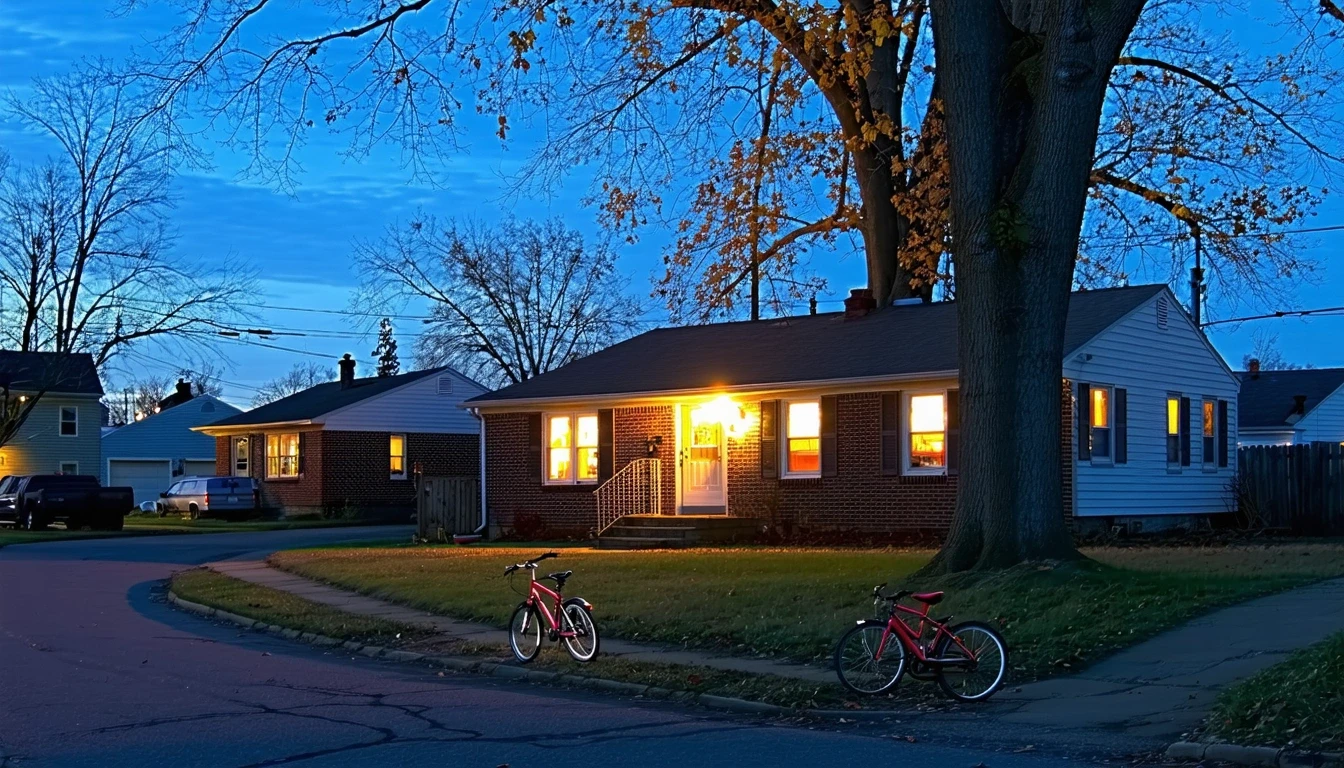
Housing Costs in Granite City
Housing represents the largest single expense for most Granite City residents, but the city’s affordability shines brightest in this category. The rental market offers substantial value compared to neighboring communities, with two-bedroom apartments typically ranging from $850 to $1,100 per month depending on location and amenities. Older units near downtown and the historic Wilson Park neighborhood tend toward the lower end of this spectrum, while newer construction and renovated properties in areas like Nameoki or near Gateway Commerce Center command slightly higher rents. Most rental properties include basic appliances, and many landlords cover trash collection, though utilities are typically separate.
For those considering homeownership, Granite City presents an accessible entry point into the real estate market. Median home prices hover around $135,000 to $165,000 for a three-bedroom single-family home, significantly below both state and national averages. The city’s housing stock consists largely of early-to-mid-20th century bungalows and ranch homes, with pockets of newer construction in subdivisions developed over the past two decades. Property taxes, while discussed in detail later, add a meaningful monthly cost that prospective buyers must factor into their budgets. Homeowners association fees are relatively uncommon except in newer planned developments, where they typically run $50 to $150 monthly for lawn maintenance and common area upkeep.
Neighborhood selection significantly impacts both cost and lifestyle in Granite City. The Lincoln Place area offers well-maintained homes at moderate prices with good school access, while properties near Nameoki Village provide newer construction options at slightly higher price points. Downtown areas present the most affordable entry points but may require renovation investments. Understanding these tradeoffs helps buyers and renters align their housing costs with their lifestyle priorities and long-term financial goals.
| Housing Type | Typical Monthly Cost |
|---|---|
| 2BR Apartment (Older Stock) | $850–$950 |
| 2BR Apartment (Renovated/Newer) | $1,000–$1,100 |
| 3BR Home Purchase (Median Price ~$150,000) | $950–$1,200 (mortgage + taxes + insurance) |
Utilities and Energy Bills
Utility costs in Granite City follow seasonal patterns typical of the Midwest, with heating expenses dominating winter months and air conditioning driving summer bills. Ameren Illinois provides electricity to the area, with typical monthly electric bills for a 1,000-square-foot apartment averaging $85 to $120 depending on efficiency and usage habits. Larger single-family homes can expect electric costs ranging from $110 to $180 monthly, with peaks during July and August when temperatures regularly exceed 90 degrees and air conditioning runs continuously.
Natural gas service, also provided primarily by Ameren, adds another layer to the utility budget. Winter heating costs can push gas bills to $90 to $150 monthly during December through February, while summer months see minimal gas usage for water heating and cooking, typically $25 to $40. Water and sewer services provided by the city run approximately $50 to $75 monthly for typical household usage, with trash collection adding another $15 to $25 depending on service level and provider. Many apartment complexes include water and trash in rent, reducing the number of separate utility accounts renters must manage.
Internet and cable services represent discretionary utilities that most households consider essential. High-speed internet from providers like Spectrum or AT&T typically costs $50 to $80 monthly for standalone service, while bundled packages with cable television can reach $120 to $180. Cell phone service varies widely by carrier and plan but generally adds $60 to $100 per line monthly. Altogether, a typical Granite City household should budget $200 to $350 monthly for all utilities combined, with seasonal fluctuations pushing winter months toward the higher end of this range.
| Utility Type | Average Monthly Cost |
|---|---|
| Electricity (Apartment) | $85–$120 |
| Electricity (House) | $110–$180 |
| Natural Gas (Winter) | $90–$150 |
| Natural Gas (Summer) | $25–$40 |
| Water & Sewer | $50–$75 |
| Trash Collection | $15–$25 |
| Internet | $50–$80 |
Groceries and Daily Expenses
Grocery costs in Granite City remain comfortably below national averages, thanks to competitive pricing among several major chains and regional stores. Residents have access to Walmart Supercenter, Schnucks, Save-A-Lot, and ALDI, creating a competitive environment that keeps prices reasonable. A single adult practicing moderate spending habits can maintain a nutritious diet for approximately $280 to $380 monthly, while couples typically spend $500 to $700 combined. Families with children should budget an additional $150 to $200 per child monthly, accounting for growing appetites and school lunch alternatives.
Typical grocery prices reflect the city’s Midwestern location and proximity to agricultural regions. A gallon of milk costs around $3.20 to $3.80, while a dozen eggs runs $2.50 to $3.50 depending on type and brand. Bread prices range from $2.00 for basic white loaves to $4.50 for artisan varieties. Chicken breast averages $3.50 to $4.80 per pound, while ground beef costs $4.20 to $5.80 depending on lean percentage. Fresh produce prices fluctuate seasonally, with local farmers markets during summer months offering excellent value on regionally grown items. A pound of bananas typically costs $0.60 to $0.80, while tomatoes run $2.00 to $3.50 per pound depending on season.
Dining out provides an affordable occasional alternative to home cooking. Local restaurants and chains offer lunch specials ranging from $8 to $14, while dinner entrees at casual establishments typically cost $12 to $22. Fast-food meals run $7 to $10 per person, and family-style restaurants can accommodate four people for $45 to $70 including drinks and tip. Coffee culture remains modest compared to larger cities, with local shops charging $3 to $5 for specialty drinks. Most households find that limiting restaurant meals to once or twice weekly keeps dining expenses manageable at $150 to $300 monthly for a couple.
| Grocery Item | Typical Price |
|---|---|
| Gallon of Milk | $3.20–$3.80 |
| Dozen Eggs | $2.50–$3.50 |
| Loaf of Bread | $2.00–$4.50 |
| Chicken Breast (per lb) | $3.50–$4.80 |
| Ground Beef (per lb) | $4.20–$5.80 |
| Bananas (per lb) | $0.60–$0.80 |
| Tomatoes (per lb) | $2.00–$3.50 |
Transportation and Commuting Costs
Transportation expenses in Granite City depend heavily on whether residents work locally or commute to St. Louis or other regional employment centers. The city’s layout strongly favors personal vehicle ownership, as public transit options remain limited. Most households budget $150 to $250 monthly for gasoline, with prices typically ranging from $2.80 to $3.40 per gallon depending on market conditions. Commuters crossing into Missouri for work should expect higher fuel costs, particularly those traveling to Clayton, downtown St. Louis, or other distant employment hubs where round-trip distances can exceed 30 miles daily.
Vehicle insurance rates in Illinois tend toward the higher end nationally, and Granite City follows this pattern. Full coverage auto insurance for a single vehicle typically costs $120 to $180 monthly depending on driving record, vehicle type, and coverage levels. Adding a second vehicle to a policy usually provides some discount but still increases total monthly premiums to $200 to $300 for most households. Required annual vehicle registration and license plate renewal adds approximately $150 yearly, or about $12.50 monthly when averaged. Routine maintenance—oil changes, tire rotations, and periodic repairs—should be budgeted at $75 to $125 monthly to avoid surprises.
Public transportation options exist but serve limited routes. Madison County Transit provides bus service connecting Granite City to other parts of the metro area, with monthly passes costing around $50 to $65 for unlimited rides. However, route coverage and frequency make transit impractical for many work schedules, explaining why more than 90 percent of residents rely on personal vehicles. For households able to function with one vehicle instead of two, the savings in insurance, maintenance, and depreciation can meaningfully improve monthly cash flow, potentially freeing up $250 to $400 for other priorities or savings.
Taxes and Hidden Fees
Illinois tax structure significantly impacts Granite City residents’ budgets through multiple channels. The state imposes a flat income tax of 4.95 percent on all earnings, which affects take-home pay but doesn’t vary by location within the state. More variable are property taxes, which in Madison County typically run 2.0 to 2.5 percent of assessed home value annually. For a home assessed at $150,000, this translates to $3,000 to $3,750 yearly, or approximately $250 to $315 monthly. These rates rank among the highest in the nation, representing a substantial ongoing cost for homeowners that renters avoid directly, though landlords factor property taxes into rental pricing.
Sales tax in Granite City combines state, county, and local rates to reach approximately 8.5 to 8.75 percent on most purchases. This affects everything from clothing and household goods to restaurant meals, though groceries receive preferential treatment with a lower rate of roughly 1 percent on food items for home consumption. The practical impact means that a $100 shopping trip for non-food items actually costs $108.50 to $108.75 at checkout, a difference that accumulates over time and should factor into budget planning.
Hidden fees and periodic expenses often catch newcomers by surprise. Vehicle owners face annual registration renewal costs around $150, plus emissions testing fees every two years for most vehicles. Homeowners encounter periodic expenses like annual inspections for certain permits, lawn care citations if property maintenance lapses, and potential HOA fees in newer subdivisions. Renters may face application fees ($30 to $50), security deposits equal to one month’s rent, and occasional pet deposits or monthly pet rent ($25 to $50) if keeping animals. Trash collection, while modest at $15 to $25 monthly, sometimes appears as a separate city utility bill rather than being included in other services. Planning for these irregular but predictable costs prevents budget disruptions.
- Property taxes: Among the highest in the nation at 2.0–2.5% of assessed value annually
- Vehicle registration: Approximately $150 annually, plus biennial emissions testing fees
- HOA fees: $50–$150 monthly in applicable subdivisions for landscaping and common areas
- Rental application fees: $30–$50 per applicant, plus security deposits equal to one month’s rent
- Pet deposits/rent: $200–$400 one-time deposit or $25–$50 monthly pet rent
Complete Monthly Budget Breakdown
Synthesizing all expense categories reveals what different household types need to earn for comfortable living in Granite City. The following table presents realistic monthly budgets for three common household configurations, expressed as gross income requirements before taxes and deductions. These figures assume moderate spending habits—not luxury lifestyles, but also not extreme frugality—and include small buffers for unexpected expenses and occasional discretionary spending.
| Expense Category | Single Adult | Couple (No Children) | Family of Four |
|---|---|---|---|
| Housing | $900 | $1,050 | $1,350 |
| Utilities | $180 | $240 | $310 |
| Groceries | $330 | $600 | $950 |
| Transportation | $320 | $480 | $580 |
| Taxes/Fees | $120 | $280 | $380 |
| Healthcare/Insurance | $200 | $380 | $520 |
| Miscellaneous | $250 | $370 | $510 |
| Total Monthly | $2,300 | $3,400 | $4,600 |
| Recommended Gross Income | $3,100 | $4,600 | $6,200 |
Methodology: These 2025 estimates for Granite City draw on publicly available national and regional sources including the U.S. Census Bureau, Bureau of Economic Analysis (BEA), Bureau of Labor Statistics (BLS), and Federal Reserve Economic Data (FRED). Where city-specific figures are unavailable, safe regional ranges are applied (e.g., typical 2BR rents, grocery costs per adult). All amounts are expressed as gross monthly income (pre-tax) and rounded to whole dollars. Actual expenses vary by household size, lifestyle, and neighborhood choice.
Lifestyle Considerations and Quality of Life
Beyond raw numbers, quality of life factors significantly influence whether Granite City’s cost structure delivers good value. The city’s location offers a compelling blend of affordability and access—residents pay substantially less for housing than counterparts in St. Louis County suburbs like Webster Groves or Clayton, yet remain within 15 to 25 minutes of downtown St. Louis employment, entertainment, and cultural amenities. This proximity allows Granite City residents to enjoy big-city benefits without big-city housing costs, though the tradeoff involves accepting a more working-class community character and fewer local upscale dining or shopping options.
Commute considerations matter greatly for budget planning. Residents working locally in Granite City’s manufacturing sector, healthcare facilities, or retail establishments minimize transportation costs and time, potentially functioning comfortably on lower household incomes. Those commuting to Missouri employment centers face not only higher fuel costs but also the time value of 30 to 60 minutes daily in traffic. Some households find that accepting slightly higher rent to live closer to work in St. Louis actually improves their financial position once fuel, vehicle wear, and time costs are properly valued. Running these calculations based on specific employment locations helps determine whether Granite City’s housing savings outweigh commuting costs for your situation.
The city offers solid public services and amenities relative to its tax base. Wilson Park provides extensive recreational facilities, the Granite City Public Library serves as a community hub, and local schools deliver education without the premium price tags attached to some suburban districts. For families prioritizing space over prestige—larger yards, bigger homes, and room to breathe—Granite City delivers exceptional value. Those seeking walkable urban environments, extensive restaurant scenes, or premium school districts may find the savings insufficient to offset lifestyle preferences, making neighboring communities worth the additional cost.
Three Costs That Surprise Most Newcomers
Even well-prepared newcomers to Granite City often encounter unexpected expenses that strain initial budgets. Understanding these common surprises helps prevent financial stress during the critical first months of residence.
Property tax shock: Illinois property tax rates rank among the nation’s highest, and Madison County follows this pattern. Newcomers from states with lower property taxes—particularly those relocating from Southern or Western states—frequently underestimate this expense. A modest $150,000 home generates $3,000 to $3,750 in annual property taxes, adding $250 to $315 to effective monthly housing costs. Renters escape direct property tax bills, but landlords price these costs into rent, making the tax burden universal even if less visible. First-time Illinois homebuyers should carefully calculate total monthly housing costs including taxes and insurance, not just mortgage principal and interest, to avoid payment shock.
Winter heating bills: Midwestern winters demand serious heating capacity, and natural gas bills reflect this reality. Newcomers from milder climates often budget based on summer utility costs, then face sticker shock when December through February gas bills reach $120 to $150 monthly for even modest homes. Combined with electric costs that remain substantial year-round, winter utility expenses can exceed $250 monthly for single-family homes. Setting aside extra funds during lower-cost summer months helps smooth these seasonal spikes, as does investing in weatherization improvements like additional insulation, window treatments, and programmable thermostats.
Vehicle dependency costs: Granite City’s limited public transit means nearly every household needs at least one reliable vehicle, and most two-adult households require two. Beyond purchase prices, the ongoing costs of insurance, fuel, maintenance, and registration accumulate quickly. Illinois insurance rates run higher than many states, and commuting to Missouri employment centers consumes substantial fuel. A household operating two vehicles easily spends $600 to $800 monthly on all transportation costs combined—insurance, fuel, maintenance, and registration. Newcomers from cities with robust public transit often underestimate how dramatically car dependency affects monthly budgets, making this a critical planning factor.
Frequently Asked Questions
Is Granite City more affordable than St. Louis in 2025? Yes, Granite City offers substantially lower housing costs than most St. Louis neighborhoods, with typical rent and home prices running 25 to 40 percent below comparable properties across the river. However, Illinois property taxes exceed Missouri rates, partially offsetting the housing savings for homeowners. Overall, most households find Granite City 15 to 25 percent less expensive than living in St. Louis proper.
What is a realistic monthly budget for a single person in Granite City? A single adult can live comfortably in Granite City on approximately $2,300 monthly in expenses, which translates to needing roughly $3,100 in gross monthly income before taxes. This budget includes modest housing, utilities, groceries, transportation, and basic discretionary spending. Frugal individuals can reduce this by $200 to $300 through careful shopping and housing choices, while those preferring more comfort or entertainment may need an additional $300 to $500 monthly.
Do utilities cost more in Granite City than in surrounding areas? Utility costs in Granite City remain comparable to other Madison County communities and slightly below rates in some St. Louis County areas. Electric and gas rates are set regionally by Ameren Illinois, so location within the service territory doesn’t significantly affect per-unit pricing. Total bills vary more based on home size, efficiency, and usage patterns than geographic location within the metro area.
How much does a family of four spend in Granite City per month? A family of four typically needs $4,600 monthly for comfortable living in Granite City, requiring approximately $6,200 in gross household income to cover expenses and taxes. This budget assumes moderate housing (three-bedroom home or apartment), typical utility usage, reasonable grocery spending, two-vehicle transportation, and modest discretionary expenses. Families can reduce costs by choosing smaller housing or limiting dining out, or may spend more for larger homes or private school tuition.
Are property taxes higher in Granite City than in Missouri suburbs? Yes, Illinois property taxes significantly exceed Missouri rates. Granite City homeowners typically pay 2.0 to 2.5 percent of assessed home value annually, while comparable Missouri suburbs often charge 1.0 to 1.5 percent. For a $150,000 home, this difference amounts to $1,500 to $2,250 annually, or $125 to $190 monthly. This tax differential represents the primary financial drawback of Illinois residence for homeowners, though lower housing prices partially compensate.
Can you live comfortably in Granite City on $50,000 annual income? A single adult or couple without children can live comfortably on $50,000 annually in Granite City, which provides approximately $4,170 gross monthly income. This income level supports moderate housing, reliable transportation, adequate groceries, and some discretionary spending. Families with children would find this income tight, likely requiring careful budgeting and limited discretionary expenses, though still workable with discipline. Households earning $60,000 to $70,000 annually achieve comfortable middle-class lifestyles with reasonable savings capacity.
What neighborhoods in Granite City offer the best value? Lincoln Place and areas near Wilson Park provide excellent value, offering well-maintained homes at moderate prices with good access to schools and parks. Downtown areas present the lowest entry costs but may require renovation investments and offer fewer amenities. Nameoki Village and newer subdivisions near Gateway Commerce Center command premium prices but deliver modern construction and lower maintenance needs. The best value depends on individual priorities—renovation skills, commute patterns, and school requirements all influence which neighborhood delivers optimal cost-benefit balance.
How does grocery shopping in Granite City compare to national averages? Grocery costs in Granite City run approximately 5 to 10 percent below national averages, thanks to competitive pricing among multiple chains and proximity to Midwestern agricultural regions. Shoppers who comparison-shop between Walmart, ALDI, and Schnucks can achieve even greater savings. Seasonal farmers markets during summer months provide additional value on fresh produce. Overall, food costs represent one area where Granite City delivers clear savings compared to both national averages and pricier regional alternatives.