
How much is enough to feel at ease? In Grandview, the answer depends less on hitting a specific income threshold and more on whether your household structure, schedule flexibility, and expectations align with how the city actually works. Comfort here isn’t about luxury—it’s about whether daily logistics feel manageable or relentless, whether bills dictate behavior or fade into the background, and whether your income absorbs the friction of car dependency and sparse accessibility without constant tradeoffs.
Grandview sits in the Kansas City metro with a median household income of $51,048 per year and a regional price level about 7% below the national average. But those numbers don’t explain why some households feel steady at that income level while others feel stretched. The difference comes down to how Grandview’s structure—car-oriented, low-density, with limited daily errands accessibility—interacts with your household’s rhythms, needs, and tolerance for planning.
How this article was built: In addition to public economic data, this article incorporates location-based experiential signals derived from anonymized geographic patterns—such as access density, walkability, and land-use mix—to reflect how day-to-day living actually feels in Grandview, MO.
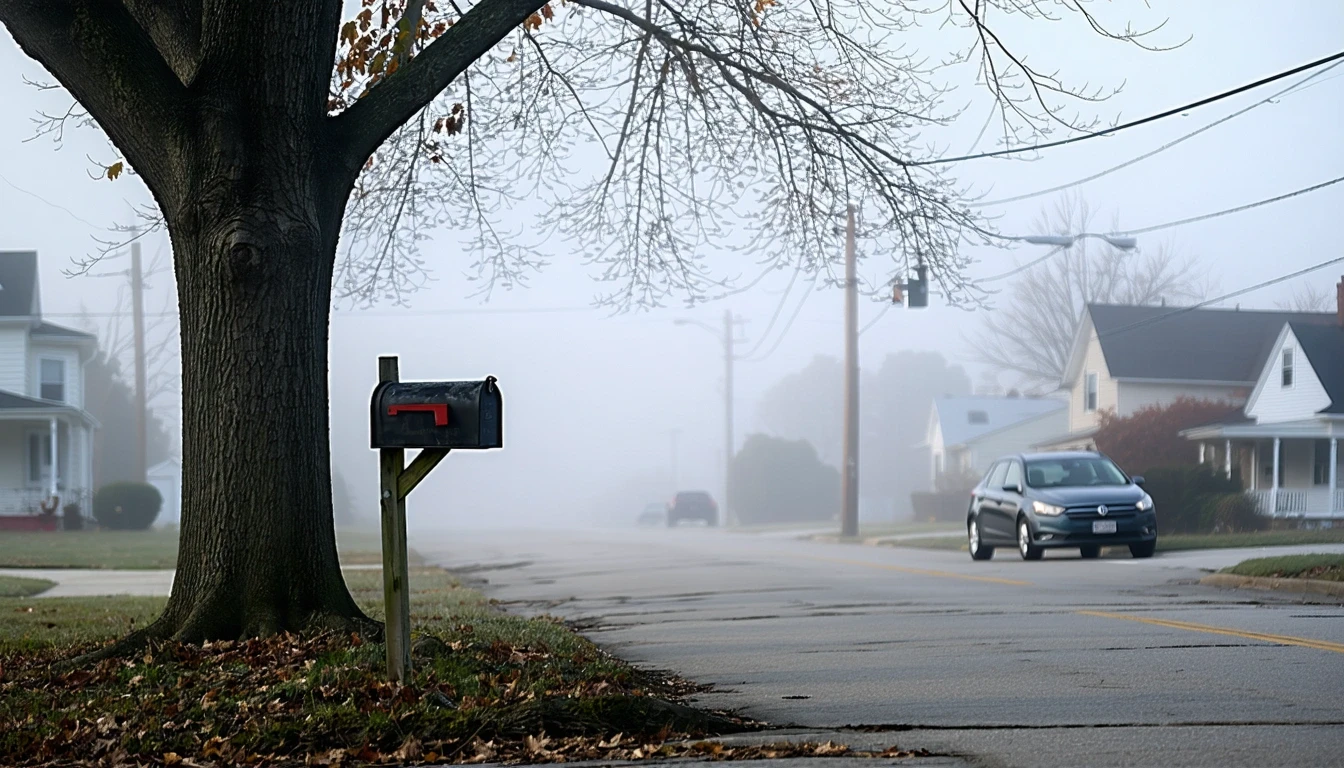
What “Living Comfortably” Means in Grandview
Comfort in Grandview means your car works reliably, your commute doesn’t dominate your day, and you can handle a $100 utility swing in January or July without rearranging other expenses. It means driving 15 minutes for groceries or routine healthcare feels normal, not burdensome. It means you’re not constantly calculating whether a second trip across town is worth the gas and time.
This is a low-rise, car-dependent suburb where pedestrian infrastructure sits below typical thresholds and both food and grocery establishment density fall short of walkable-errands benchmarks. Mixed land use exists, but it doesn’t translate into convenience on foot. You’ll drive to work, drive to the store, and drive to handle most household tasks. That’s not a critique—it’s the structure. Comfort depends on whether that structure fits your household’s capacity and expectations.
Space is more accessible here than in denser metros. The median home value is $154,400, and median gross rent is $945 per month. But affordability on paper doesn’t guarantee ease in practice. Comfort also depends on whether your schedule allows for the time cost of driving everywhere, whether your household can absorb the fixed expense of car ownership, and whether you’re prepared for the logistics load that comes with sparse daily accessibility.
Where Income Pressure Shows Up First
Housing pressure in Grandview isn’t about sticker shock—it’s about tradeoffs. Renting at $945 per month is manageable for many households, but ownership at $154,400 requires stable income, decent credit, and enough margin to handle property taxes, insurance, and maintenance. The gap between renting and owning isn’t just financial; it’s about whether your income supports the transition and whether homeownership aligns with your timeline and risk tolerance.
Transportation costs hit harder than many expect. Grandview’s car-oriented mobility texture means every adult needs reliable transportation. Gas prices around $2.51 per gallon and an average commute of 22 minutes keep fuel costs moderate, but car ownership itself—insurance, maintenance, repairs—creates fixed monthly pressure that doesn’t flex with income. For single adults or single-income families, that fixed cost can dominate the budget. For two-income households, it’s more absorbable but still non-negotiable.
Utility volatility adds seasonal stress. Electricity rates of 13.12¢ per kWh and natural gas prices around $16.48 per MCF combine with the region’s hot summers and cold winters to create swings in monthly bills. Comfort means you can run the AC in July or heat the house in January without anxiety. Income pressure shows up when those swings force you to defer other spending or when you start making daily decisions based on the thermostat.
For families, the logistics burden intensifies. School density sits in the medium band, so educational infrastructure exists, but healthcare access is limited—no hospital or clinics were detected within the city. Routine medical care requires travel, adding time and coordination complexity. Sparse errands accessibility means grocery runs, pharmacy trips, and household errands all require driving and planning. That’s manageable with flexible schedules and reliable transportation, but it becomes a pressure point when time, money, or vehicle reliability tightens.
How the Same Income Feels Different by Household
Households at similar income levels often experience very different pressure depending on structure, schedules, and expectations. A single adult earning near the median household income can live comfortably in Grandview if they tolerate car dependency, don’t mind driving for errands, and can absorb the fixed costs of vehicle ownership and seasonal utility swings. But if their schedule is rigid, their car is unreliable, or they value walkable access to daily needs, that same income feels tight and friction-heavy.
Couples with two incomes gain flexibility. They can split commute costs, share vehicle expenses, and absorb utility volatility without monthly stress. The car-oriented structure matters less when both partners drive and errands can be divided. But single-income couples face the same fixed costs as single adults with more household complexity, and the sparse accessibility of groceries and healthcare still requires time and coordination.
Families feel the structure most acutely. School infrastructure is present, but limited healthcare access means medical appointments require travel. Sparse daily errands accessibility turns routine tasks into multi-stop driving trips. Car dependency multiplies with each additional schedule—school drop-offs, activities, appointments. Income pressure for families isn’t just about monthly expenses—it’s about whether the household can manage the time cost, logistics load, and transportation reliability that Grandview’s structure demands.
The Comfort Threshold (Qualitative)
Comfort in Grandview begins when your household can absorb the fixed costs of car ownership without monthly anxiety, when seasonal utility swings don’t force tradeoffs, and when driving 15–20 minutes for groceries or healthcare feels like a routine inconvenience rather than a burden. It’s the point where bills stop dictating daily behavior, where you can handle an unexpected car repair or a high winter heating bill without cutting other spending, and where saving becomes plausible rather than aspirational.
That threshold isn’t a number—it’s a condition. It depends on how many adults work, how stable your income is, how much schedule flexibility you have, and how much the car-dependent, low-density structure aligns with your expectations. Some households reach it below the median income because their needs are simple and their tolerance for driving is high. Others never reach it above the median because their household complexity, healthcare needs, or preference for walkable access creates constant friction.
The transition happens when choices expand. You’re not choosing between gas and groceries. You’re not skipping healthcare because the drive feels too long. You’re not stressed about the electric bill in July. You’re not calculating whether a second trip across town is worth it. Comfort is the absence of that constant calculus.
Why Online Cost Calculators Get Grandview Wrong
Generic cost-of-living calculators treat Grandview as a data point—a set of prices averaged into a total. They assume you can walk to the grocery store, take transit to work, or access healthcare nearby. None of that matches how Grandview actually works. The city’s car-oriented mobility texture, sparse errands accessibility, and limited healthcare infrastructure create a cost structure that’s less about prices and more about logistics, time, and fixed transportation expenses.
Calculators also miss the seasonal volatility. They’ll estimate an average utility bill, but they won’t explain that your costs swing significantly between summer cooling and winter heating, or that comfort depends on whether your income can absorb those swings without stress. They’ll include transportation as a line item, but they won’t capture that every adult in your household needs a reliable car, or that car dependency isn’t optional—it’s structural.
People feel surprised after moving because the totals looked manageable, but the daily friction didn’t show up in the math. The drive to the grocery store. The lack of nearby urgent care. The realization that walking isn’t viable for errands. The time cost of managing a household when everything requires a car. Where money goes matters, but how your day works matters more.
How to Judge Whether Your Income Fits Grandview
Instead of asking “Is my income high enough?” ask whether your household structure and expectations align with how Grandview actually works. These questions help clarify fit:
- Can you absorb the fixed costs of reliable car ownership without monthly anxiety? Every adult will need a working vehicle. Insurance, maintenance, and repairs don’t flex with income.
- How sensitive are you to driving 15–20 minutes for groceries or routine healthcare? Sparse daily accessibility means most errands require a car and planning. If that feels burdensome, Grandview will create constant friction.
- Can your household handle seasonal utility swings without cutting other expenses? Summer cooling and winter heating create noticeable bill increases. Comfort depends on whether your income absorbs that volatility.
- Do you have schedule flexibility to manage car-dependent errands and commutes? Rigid schedules and car dependency don’t mix well. Families especially need flexibility to coordinate multiple trips and activities.
- How much does proximity to daily services matter to your sense of ease? If walkable access to groceries, healthcare, and errands is central to your lifestyle, Grandview’s structure will feel limiting no matter your income.
Your answers reveal whether Grandview’s cost structure and daily logistics align with your household’s capacity and expectations. Fit matters more than income level.
FAQs About Living Comfortably in Grandview
Is the median household income enough to live comfortably in Grandview?
It depends on your household structure and expectations. The median household income of $51,048 per year works for many households, especially couples with two incomes or single adults with low housing costs and reliable transportation. But comfort isn’t guaranteed at any income level—it depends on whether your household can absorb car ownership costs, handle utility volatility, and manage the time and logistics load of car-dependent errands and limited healthcare access.
Can a single adult live comfortably in Grandview on one income?
Yes, if their income is stable, their car is reliable, and they’re comfortable with driving for most errands and healthcare. Renting at $945 per month is manageable, but adding car expenses, utilities, and the time cost of sparse accessibility can tighten the budget. Comfort depends on tolerance for car dependency and whether the income leaves margin for seasonal utility swings and unexpected vehicle costs.
How does car dependency affect what income feels comfortable?
Car dependency in Grandview creates fixed monthly costs that don’t scale with income—insurance, maintenance, fuel, repairs. Every adult needs reliable transportation, and those costs hit before discretionary spending. For single-income households, that fixed burden can dominate the budget. For two-income households, it’s more absorbable. Comfort depends on whether your income can handle those costs without monthly stress.
Why do families feel more income pressure in Grandview than couples?
Families face higher logistics complexity. School infrastructure is present, but healthcare access is limited, requiring travel for routine care. Sparse daily errands accessibility means more driving for groceries, activities, and appointments. Car dependency multiplies with each additional schedule. Income pressure for families isn’t just about costs—it’s about whether the household can manage the time, coordination, and transportation reliability that Grandview’s structure demands.
What income level makes homeownership comfortable in Grandview?
There’s no single threshold. Homeownership at a median value of $154,400 requires stable income, manageable debt, and enough margin to handle property taxes, insurance, and maintenance. Comfort depends on whether your household can absorb those costs plus car ownership, utilities, and the logistics load of car-dependent living without constant tradeoffs. Some households feel comfortable below the median income; others feel stretched above it. Fit depends on structure, not just earnings.
Grandview can work well for some households—but only if expectations match reality. Comfort here depends less on hitting a specific income target and more on whether your household’s structure, schedule, and tolerance for car dependency align with the city’s low-density, car-oriented character. The numbers matter, but the daily logistics matter more.