
Grandview, MO vs. Belton, MO: Cost of Living Comparison (2025)
Which Kansas City suburb gives you more for your money in 2025 – Grandview or Belton? As the cost of living continues to rise across the metro, many relocating families, first-time homebuyers, and renters are comparing these two cities to find the best value. While both offer convenient access to downtown KC, each has distinct advantages when it comes to housing costs, taxes, and lifestyle amenities.
In this article, we’ll break down the key cost of living factors in Grandview and Belton, including housing, utilities, groceries, and taxes. By understanding the nuances of each city’s expenses, you can make a more informed decision about which community fits your budget and preferences in 2025. Let’s dive in and see where you could potentially save hundreds per month.
Housing Costs: Comparing Rent and Mortgage Prices
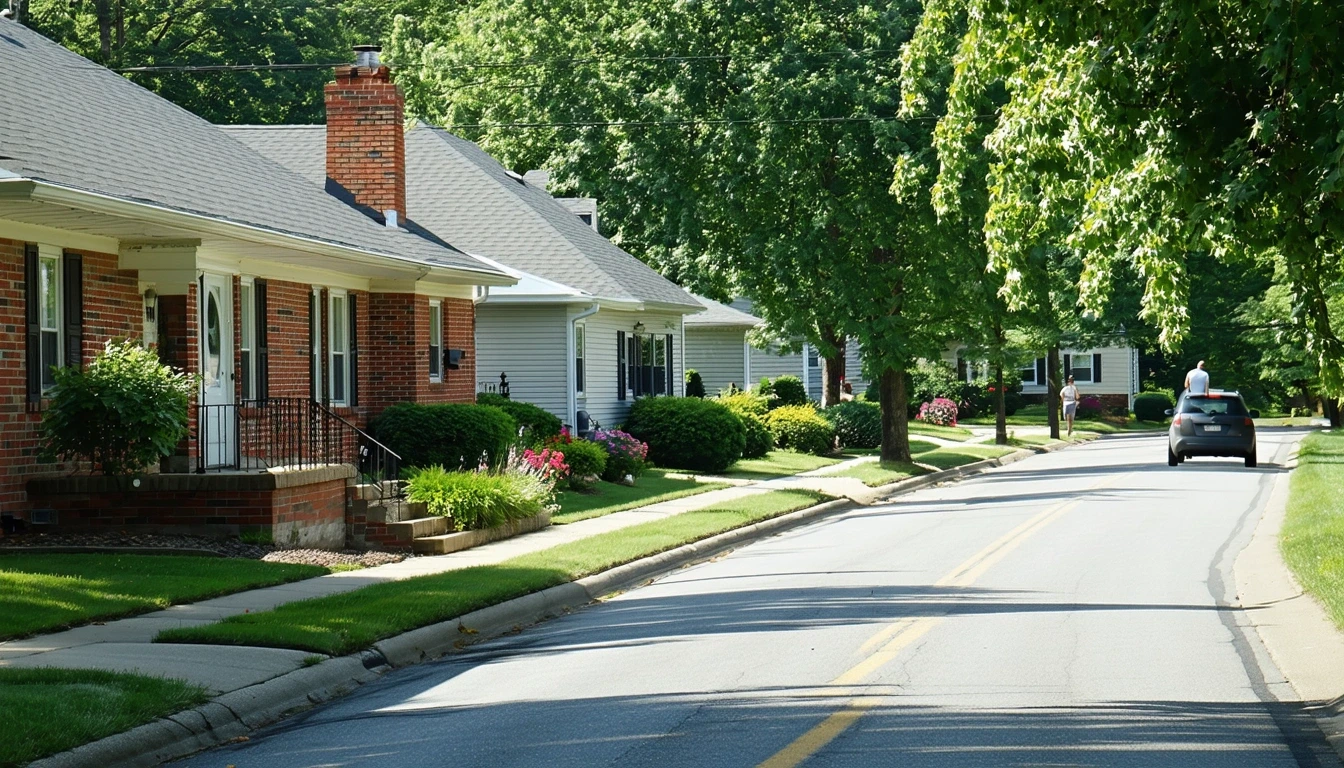
Housing is typically the biggest expense in any household budget, so it’s crucial to understand the differences between Grandview and Belton. In 2025, the median home price in Grandview is around $225,000, while Belton’s median is slightly higher at $240,000. For a typical 3-bedroom single-family home, Grandview buyers can expect to pay in the low-to-mid $200s, compared to the upper $200s in Belton.
Renters will also find more affordable options in Grandview. A standard 2-bedroom apartment rents for an average of $950 per month, whereas similar units in Belton go for $1,100 or more. Grandview has a higher proportion of rental properties, giving apartment-hunters more options across various neighborhoods.
Here’s a quick comparison of common housing costs in Grandview vs Belton:
| Housing Type | Grandview | Belton |
|---|---|---|
| Median Home Price | $225,000 | $240,000 |
| Typical 3BR Home | $200-250K | $250-300K |
| 2BR Apartment Rent | $950 | $1,100 |
For growing families seeking affordable space, Grandview’s lower housing costs can translate to significant monthly savings on a mortgage payment. Young professionals and singles will appreciate the greater availability of rental units at prices well below Belton’s. Overall, Grandview comes out ahead on housing affordability in 2025.
Keeping the Lights On: Utility and Energy Expenses
After housing, utilities are the next major cost to consider. Both Grandview and Belton residents can expect to pay around $150-200 per month for a combination of electricity, natural gas, water, and sewer. Costs tend to be 10-20% higher in the peak of summer and winter due to air conditioning and heating needs.
One advantage Belton has is slightly newer housing stock on average. Homes built in the last 20-30 years often have better insulation and energy-efficient features that can help keep utility bills down, especially for larger households. However, Grandview offers an optional “budget billing” program that averages costs throughout the year, making monthly expenses more predictable.
For an average 3-bedroom home, utility costs shake out as follows:
- Grandview: $180-220/month
- Belton: $160-200/month
Belton ekes out a small win on utilities, but the difference only amounts to $20-30/month for most households. Grandview residents can close that gap by taking advantage of energy-efficiency rebates and weatherization programs.
Putting Food on the Table: Grocery and Restaurant Costs
Grandview and Belton both offer a solid variety of grocery stores and restaurants at comparable price points. Major chains like Price Chopper, Aldi, and Walmart serve both cities, along with local markets and specialty food shops. Restaurant options range from fast-casual favorites to local BBQ joints and international cuisines.
On average, a family of four can expect to spend around $800-1000 per month on groceries in either city. Dining out costs $10-15 per person for a basic meal, with higher-end options running $30+ per plate.
One notable difference is that Grandview has a higher concentration of ethnic markets and restaurants, particularly Hispanic and Asian options. This gives budget-conscious shoppers more opportunities to find affordable staples and unique ingredients. Belton’s restaurant scene skews a bit more toward national chains.
With similar grocery costs and a slight edge on affordable dining-out options, Grandview has a narrow advantage in the food category. However, the monthly difference is minimal for most households.
The Government’s Cut: Comparing Taxes and Fees
Grandview and Belton are both in Cass County, so residents pay the same 6.5% sales tax rate. However, property taxes are a key differentiator. Grandview’s property tax rate is around 1.3% of assessed value, while Belton’s is higher at 1.6%.
For a $250,000 home, that equates to annual property taxes of $3,250 in Grandview vs. $4,000 in Belton. Over the course of a 30-year mortgage, Grandview owners could save over $22,000 compared to a similar home in Belton.
Both cities charge additional fees for trash service and other municipal needs, but Belton’s tend to be slightly higher across the board. Grandview also has more neighborhoods without HOA fees. For the typical household, Grandview’s lower tax burden and fees translate to savings of $50-100+ per month compared to Belton.
The Bottom Line: Estimated Monthly Costs
| Expense Category | Grandview | Belton |
|---|---|---|
| Housing (3BR home) | $1,200 | $1,400 |
| Utilities | $200 | $180 |
| Groceries | $800 | $800 |
| Transportation | $300 | $300 |
| Taxes and Fees | $450 | $550 |
| Misc Expenses | $400 | $400 |
| Estimated Monthly Total | $3,350 | $3,630 |
Estimates reflect 2025 costs for a mid-size household (3-bedroom home) using published regional data and typical expense benchmarks. Actual costs will vary based on household size, lifestyle, and specific neighborhood. All figures represent gross monthly expenses and do not account for income taxes.
As the table shows, a typical family could save around $280 per month by choosing to live in Grandview over Belton in 2025. The biggest drivers are lower housing and tax expenses. Over the course of a year, that adds up to over $3,300 in estimated savings – a substantial difference for most budgets.
Lifestyle Considerations: Commutes, Culture, and Recreation
While costs are a major factor, it’s also important to consider quality of life aspects when comparing Grandview and Belton. Both cities offer relatively easy commutes to major employment centers, with drive times around 20-30 minutes to downtown Kansas City. However, Grandview has slightly better access to I-49 and Highway 71, which can mean less time sitting in traffic.
In terms of walkability, both suburbs are fairly car-dependent, but Grandview has a few more densely developed areas with sidewalks and nearby amenities. Belton’s “Old Town” district is a charming exception, with a quaint Main Street area that’s perfect for a weekend stroll.
Grandview has an edge on cultural diversity, with a wider variety of ethnic restaurants and markets, as well as community events celebrating the area’s heritage. The city also boasts several well-maintained parks, including the scenic Freedom Park with its sports fields, playgrounds, and walking trails.
Belton’s recreational highlights include Memorial Park, with a popular aquatic center, and the family-friendly Carnegie Village community. The city also hosts a variety of seasonal festivals and events, including the fall Belton Boo Fest.
Lifestyle preferences can have an indirect impact on living costs as well. For example, Grandview’s more walkable areas and abundant parks can make it easier to get exercise without an expensive gym membership. And the city’s diverse dining scene offers more budget-friendly options for eating out.
Frequently Asked Questions
Is Grandview more affordable than Belton in 2025?
Yes, Grandview has a lower overall cost of living compared to Belton, with the biggest savings found in housing costs and property taxes. The typical household could save $250 or more per month by choosing Grandview.
Are rental prices lower in Grandview or Belton?
Grandview has significantly lower rental costs, with a typical 2-bedroom apartment going for around $950/month compared to $1,100/month in Belton. Grandview also has a larger selection of affordable rental units.
How do grocery costs compare between Grandview and Belton?
Grocery expenses are very similar in both cities, with major chains and local markets offering comparable prices. Grandview does have an edge on budget-friendly ethnic markets and restaurants.
Are property taxes higher in Belton than in Grandview?
Yes, Belton’s property tax rate of 1.6% is notably higher than Grandview’s 1.3% rate. For a $250,000 home, that equates to roughly $750 more in annual property taxes in Belton.
What is the average monthly cost of living for a family of four in Grandview vs. Belton?
In Grandview, a typical family of four can expect to spend around $3,350 per month on housing, food, utilities, and other essentials. The same family would pay closer to $3,630 per month in Belton.
Making Your Move: Grandview or Belton?
For most households, Grandview offers a lower cost of living and better overall value than Belton. The combination of more affordable housing, lower property taxes, and diverse amenities gives residents an ideal balance of budget-friendly living and quality of life.
However, Belton can still be a great choice for those who prioritize a more suburban feel and don’t mind paying a bit of a premium for newer homes and a quaint downtown district. Ultimately, the right choice depends on your specific budget, lifestyle, and what amenities matter most to you.
If you’re considering a move to the Kansas City area in 2025, take a closer look at Grandview’s monthly budget breakdown to see how much you could save. And when you’re ready to start planning your relocation, check out our top moving company picks to find reliable, affordable movers who can help make your transition a success.