
What does it actually feel like to live in Glastonbury, CT? According to a recent sentiment snapshot, 74 out of 100 residents say they’re happy here — but that number only tells part of the story. Happiness in Glastonbury tends to hinge on what you’re optimizing for: if you want polished suburban comfort, strong property values, and a family-friendly reputation, this town delivers. If you’re craving spontaneous walkable energy, dense urban amenities, or car-free convenience, the fit gets complicated quickly.
Glastonbury sits just across the Connecticut River from Hartford, offering a blend of residential calm and proximity to the capital’s job market. With a median household income of $104,557 per year and a median home value of $360,900, it’s an affluent community where financial stability and property investment are part of the baseline expectation. But beneath the tidy lawns and well-maintained streetscapes, there’s an ongoing conversation about what this town is — and what it isn’t.
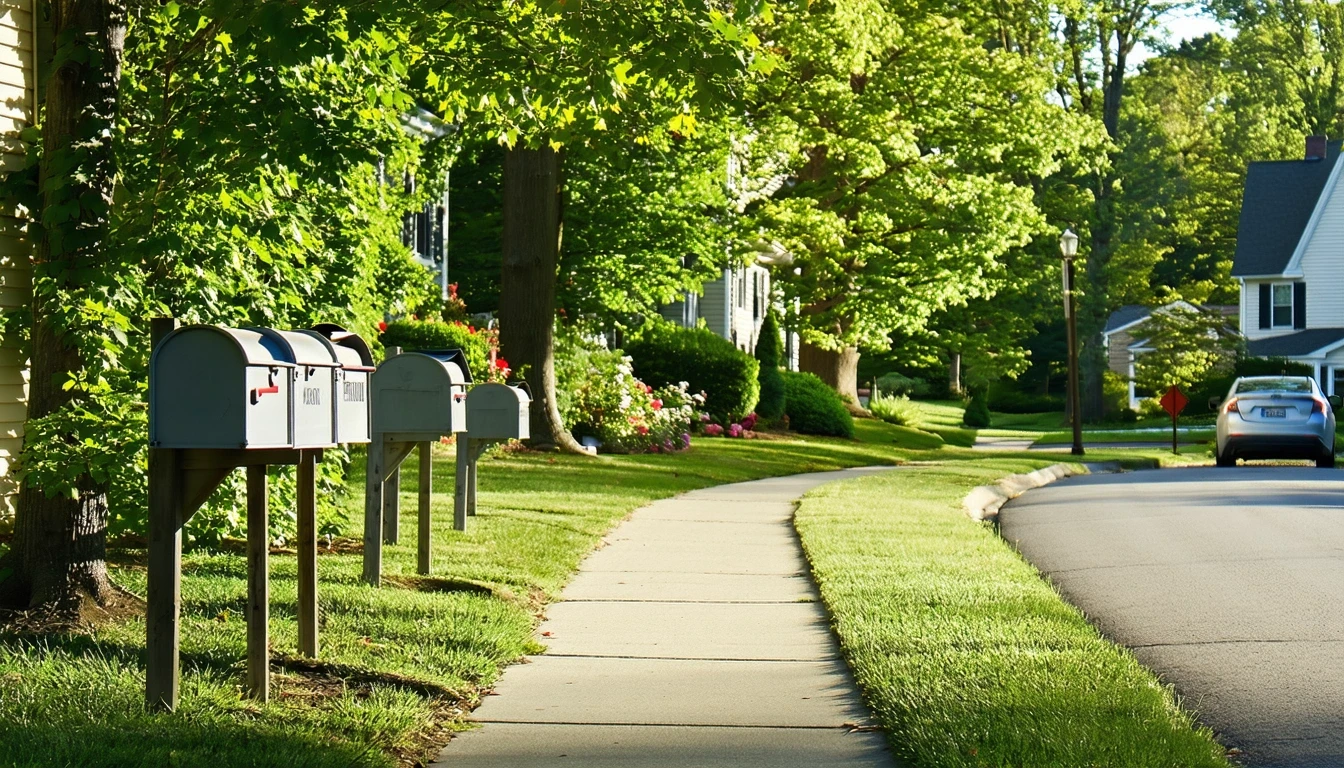
The Emotional Landscape of Glastonbury
Glastonbury’s vibe is rooted in predictability and polish. People who thrive here tend to value routine, safety, and a strong sense of “this is where we’re raising our kids.” The town has walkable pockets — areas where pedestrian infrastructure exceeds what you’d expect in a typical suburb — but those pockets don’t connect into a cohesive network. You can stroll your neighborhood, but running errands on foot still requires intention and planning.
Food and grocery options are corridor-clustered, meaning you’ll find what you need, but it’s concentrated along specific commercial strips rather than woven into every neighborhood. For households with cars and structured routines, this works fine. For those hoping to skip the car for daily errands or spontaneous outings, it feels like friction.
Green space is present — parks are moderately distributed, and water features add scenic value — but the town’s family infrastructure reads as surprisingly limited for a place with this income profile. School and playground density fall below typical thresholds, which can feel jarring for families who assumed an affluent suburb would have those amenities baked in everywhere. It’s not that they don’t exist; it’s that they’re not as dense or as evenly spread as some newcomers expect.
Healthcare access is routine-local: clinics and pharmacies are available, but there’s no hospital within town limits. For non-emergency care, that’s fine. For peace of mind around acute needs, some residents feel the gap.
What People Are Talking About Online
In local Facebook groups and on platforms like Reddit, Glastonbury residents tend to express a protective pride mixed with low-grade frustration. The tone is rarely angry, but it’s often wistful — people love what the town is, but they’re aware of what it’s not.
“It’s a great place to raise kids if you’re okay with driving them everywhere. There’s no real town center where they can just walk to hang out.”
“I love the quiet and the safety, but I do miss being able to grab dinner or coffee without getting in the car every single time.”
“Honestly, it’s exactly what we wanted — good schools, low crime, nice neighbors. But if you’re single or don’t have kids, I could see it feeling pretty sleepy.”
Discussion threads often circle around the same themes: the tradeoff between space and spontaneity, the reliance on cars even for short trips, and the sense that Glastonbury is optimized for a specific life stage. There’s affection here, but it’s conditional affection — people feel at home when their needs align with what the town offers.
How Local Coverage Frames the Town
Local news and community outlets tend to frame Glastonbury through the lens of stability and gradual evolution. The tone is rarely urgent or contentious; instead, it reflects a town that’s comfortable with itself but aware that change is always on the horizon. Common themes include:
- “Community Debates What Growth Should Look Like”
- “New Retail Options Arrive as Residents Weigh Convenience”
- “Town Balances Residential Character with Commercial Demand”
- “Families Drawn to Schools, But Infrastructure Questions Linger”
- “Glastonbury’s Identity: Suburban Refuge or Evolving Hub?”
The framing is rarely alarmist, but it does reveal an underlying tension: Glastonbury is proud of its residential calm, but it’s also navigating what happens when that calm starts to feel limiting. Coverage doesn’t declare winners or losers; it reflects a town in conversation with itself.
Review-Based Public Perception
On platforms like Google Reviews, Yelp, and Nextdoor, Glastonbury earns praise for what it does well — and mild disappointment for what it doesn’t prioritize. The reviews that glow tend to come from families who wanted exactly this: a safe, quiet, financially stable place to own property and raise children. The reviews that feel lukewarm tend to come from people who expected more texture, more walkability, or more spontaneous social options.
“Beautiful town, great for families. Everything is clean and well-maintained. Just be ready to drive everywhere.”
“We moved here for the schools and the safety, and we got both. But the ‘town center’ is more of a concept than a reality.”
“If you like suburban life and you have kids, this is perfect. If you’re looking for nightlife or walkable restaurants, you’ll be driving to West Hartford.”
Neighborhood variation exists but tends to be subtle. Newer planned areas feel more uniform and car-oriented; older pockets near the town’s historic core offer slightly more pedestrian character. But even in those older areas, daily errands still require planning — you’re not stumbling into a coffee shop on your way home from a walk.
The recurring theme is expectation matching. People who wanted suburban predictability feel rewarded. People who wanted urban convenience feel restless.
How Glastonbury Compares to Nearby Towns
| Dimension | Glastonbury | West Hartford | Simsbury |
|---|---|---|---|
| Overall Vibe | Polished suburban calm, family-focused | Walkable energy, dining and retail density | Rural-suburban blend, more spacious and quiet |
| Walkability | Pockets exist, but car-dependent overall | Strong pedestrian infrastructure, especially in Center | Minimal; designed for car use |
| Errands & Dining | Corridor-clustered, requires driving | Dense and walkable in core areas | Sparse; plan ahead |
| Family Infrastructure | Limited density despite affluence | More evenly distributed | Limited but expected given rural character |
| Social Scene | Quiet, routine-oriented | Active nightlife and spontaneous options | Very quiet, nature-focused |
Glastonbury sits between West Hartford’s urban texture and Simsbury’s rural spaciousness. If you want walkable dining and a sense of “things happening,” West Hartford offers that at the cost of less yard space and higher density. If you want even more land and privacy, Simsbury delivers that at the cost of even less convenience. Glastonbury is the middle path: you get space, safety, and financial stability, but you trade away spontaneity and walkable texture.
None of these towns is objectively better. The question is which tradeoff you’re willing to make.
Voices from the Community
“We moved here from Hartford five years ago, and it’s been exactly what we needed — quiet streets, good neighbors, and a place where our kids can play outside. But yeah, we drive everywhere. That’s just part of the deal.”
“I work remotely, and Glastonbury is perfect for that. I don’t need to commute, and I love the space and the calm. But on weekends, I do find myself driving to West Hartford if I want to feel like I’m ‘out’ somewhere.”
“Honestly, I thought there’d be more parks and playgrounds given the income level here. We have them, but they’re not as close or as plentiful as I expected. We end up driving to the same few spots.”
“It’s a great town if you’re in your 30s or 40s with kids. If you’re single or retired and looking for walkable social options, it might feel a little isolating.”
“I love the safety and the property values, but I do miss being able to walk to a coffee shop or a bookstore. Everything here requires a car, even short trips.”
“We’ve been here for 20 years, and it’s been a wonderful place to raise a family. But I’ll admit, as the kids have gotten older, we’ve started to feel the limits of what the town offers. There’s not much for teenagers to do without driving.”
“The schools are solid, the crime is low, and the homes hold their value. If those are your priorities, you’ll be happy. Just don’t expect urban energy or spontaneous nightlife.”
Does Glastonbury Feel Like a Good Fit?
Glastonbury works best for households who value financial stability, residential predictability, and a strong sense of safety. If you’re raising kids and you’re comfortable with a car-dependent lifestyle, this town delivers on its promises. The median household income of $104,557 per year reflects a community where financial pressure is lower than in many other Connecticut suburbs, and the median home value of $360,900 suggests a market that rewards long-term investment.
But Glastonbury doesn’t work for everyone. If you’re hoping for walkable errands, dense social infrastructure, or spontaneous urban energy, you’ll feel the gaps quickly. The town has walkable pockets, but they don’t connect into a cohesive network. Food and grocery options are available, but they’re clustered along corridors rather than woven into every neighborhood. Family infrastructure — schools, playgrounds, and kid-focused amenities — exists, but it’s less dense than you might expect for a place with this income profile.
The emotional profile here is one of conditional satisfaction. People who wanted exactly this — quiet, safe, financially stable suburban life — tend to feel at home. People who wanted more texture, more spontaneity, or more walkable convenience tend to feel restless.
If you’re considering Glastonbury, the question isn’t “Is it happy?” The question is: “Does the tradeoff match what I need right now?” If the answer is yes, you’ll likely join the 74% who say they’re happy here. If the answer is no, you’ll feel the friction every time you get in the car for a gallon of milk.
For more insight into where your money goes each month in Glastonbury, or to explore what drives quality of life and daily logistics, those resources can help you predict alignment before you commit.
How this article was built: In addition to public economic data, this article incorporates location-based experiential signals derived from anonymized geographic patterns—such as access density, walkability, and land-use mix—to reflect how day-to-day living actually feels in Glastonbury, CT.
The perspectives shown reflect commonly expressed local sentiment and recurring themes in public discussion, rather than individual accounts.