
When Jenna moved into her first apartment in Gladstone last fall, she budgeted carefully for rent and groceries—but her first full utility bill caught her off guard. The combination of heating costs during a cold snap and her own usage patterns created a bill that felt disconnected from the tidy rate sheets she’d reviewed online. Understanding utilities cost in Gladstone means recognizing that the structure of these expenses—how they respond to weather, housing type, and daily routines—matters as much as the rates themselves.
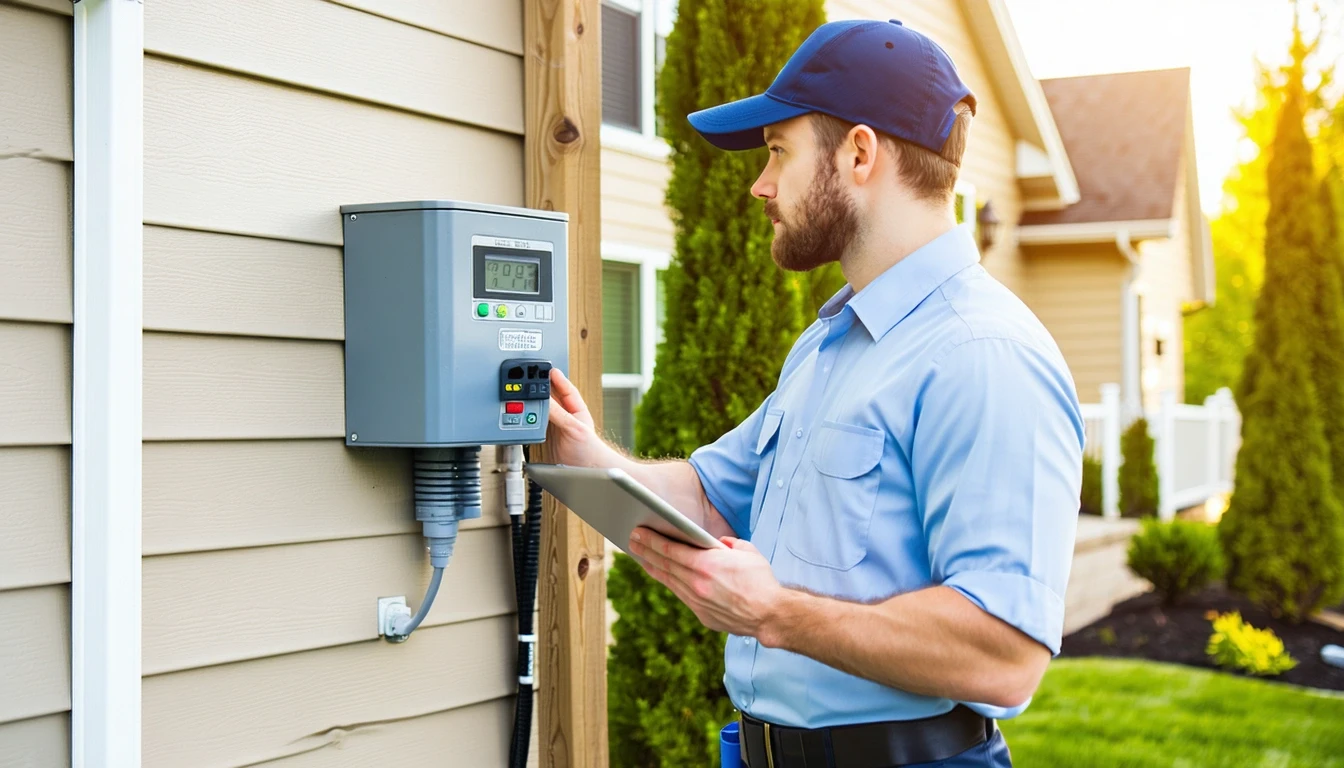
Understanding Utilities in Gladstone
Utility costs in Gladstone represent the second-largest fixed expense for most households after housing, but unlike rent or a mortgage, they fluctuate with the seasons, the efficiency of your home, and how you use energy and water day to day. For residents and newcomers alike, utilities aren’t just a line item—they’re a monthly variable that can swing significantly depending on whether you’re running the air conditioner in July or the furnace in January.
In Gladstone, the core utilities typically include electricity, natural gas, water, and trash collection. Depending on whether you’re renting an apartment or living in a single-family home, some of these may be bundled into your lease or HOA fees, while others are billed directly by municipal or private providers. Apartments often include water and trash in the rent, which simplifies budgeting but can obscure the true cost structure. Single-family homeowners, on the other hand, typically manage all utilities independently, which means more control but also more exposure to seasonal swings and usage-driven variability.
For people moving to Gladstone from other parts of Missouri or the Kansas City metro, it’s worth noting that utility costs here reflect both regional pricing and the demands of a climate that requires serious heating in winter and consistent cooling in summer. The city’s infrastructure supports a mix of housing types—from low-rise apartments to detached homes with yards—and that diversity means utility experiences can vary widely depending on where and how you live.
Utilities at a Glance in Gladstone
The table below shows how core utility costs typically behave for a mid-size household in a single-family home in Gladstone. Where city-level prices are available in the data feed, they are shown directly. When exact figures are not provided, categories are described qualitatively to reflect how costs are structured and what drives variability.
| Utility | Cost Structure |
|---|---|
| Electricity | 13.12¢/kWh; usage-sensitive and seasonal |
| Water | Tiered pricing; usage-dependent |
| Natural Gas | $28.51/MCF; winter-driven, heating-dependent |
| Trash & Recycling | Often bundled with water or HOA; varies by provider |
| Total | Seasonal variability driven by electricity and heating |
This table reflects utility cost structure for a mid-size household in a single-family home in Gladstone during 2026. Where exact figures are not provided in the IndexYard data feed, categories are described directionally to reflect how costs behave rather than a receipt-accurate total.
Electricity is billed per kilowatt-hour in Gladstone, and at 13.12¢/kWh, the rate itself is moderate—but the real cost driver is how much you use. Homes with electric heating, older HVAC systems, or poor insulation can see usage climb quickly during temperature extremes. For illustrative context, a household using around 1,000 kWh in a month would face a base charge near $131 before fees or taxes, but actual bills vary widely depending on square footage, appliance efficiency, and thermostat settings.
Water costs in Gladstone typically follow a tiered structure, meaning the more you use, the higher the per-unit rate climbs. This pricing model rewards conservation and penalizes heavy irrigation or large households with high daily consumption. Because water is often bundled with sewer and stormwater fees, the line item on your bill may reflect more than just the water itself.
Natural gas is priced at $28.51 per thousand cubic feet (MCF) in Gladstone, and it’s the dominant heating fuel for many homes in the area. During winter months, when temperatures drop into the teens or lower—like the current 19°F reading—natural gas usage can spike as furnaces run more frequently. For context, a household using about 1 MCF during a cold month might see a charge around $29 for the gas itself, before distribution fees and taxes, though actual consumption depends heavily on home size, insulation, and thermostat behavior.
Trash and recycling services in Gladstone vary by neighborhood and provider. In some areas, these costs are bundled with water bills or included in HOA fees, while in others they’re billed separately by private haulers. The structure is less about usage and more about service tier—whether you have curbside pickup, how often it’s collected, and whether recycling is included.
Electricity is typically the most exposure-sensitive utility in Gladstone, driven more by climate and home efficiency than by base rates.
How Weather Impacts Utilities in Gladstone
Gladstone sits in a climate zone that demands both heating and cooling, and that dual exposure shapes monthly expenses in ways that aren’t always intuitive. Summers bring heat and humidity that push air conditioners to run for extended periods, especially in homes with south- or west-facing windows and limited shade. The result is a noticeable climb in electricity usage during June, July, and August, when daily highs regularly reach the upper 80s and low 90s. Many households see their electric bills nearly double compared to the mild spring months, when windows can stay open and HVAC systems get a break.
Winter, on the other hand, shifts the cost burden to heating. With current temperatures sitting at 19°F and a feels-like temperature of 10°F, it’s clear that Gladstone experiences cold snaps that require consistent furnace use. Natural gas is the primary heating fuel for most single-family homes, and during the coldest months—December through February—usage can climb significantly as thermostats fight to maintain comfort against freezing outdoor air. Homes with older furnaces, drafty windows, or minimal insulation face the steepest increases, while newer construction with better weatherproofing tends to moderate the impact.
One regional quirk worth noting: Gladstone’s location in the Kansas City metro means it experiences the full swing of Midwest weather, including occasional ice storms that can knock out power and create temporary spikes in heating costs when systems have to work harder to recover indoor temperatures. Spring and fall offer the most predictable and lowest utility costs, as moderate temperatures reduce the need for both heating and cooling, giving households a brief window of lower bills before the next seasonal extreme arrives.
How to Save on Utilities in Gladstone
Reducing utility costs in Gladstone starts with understanding which expenses you can control and which are driven by external factors like weather and housing structure. The most effective strategies focus on improving efficiency, shifting usage to off-peak times when possible, and taking advantage of programs offered by local providers. Small changes—like adjusting your thermostat by a few degrees or sealing air leaks around windows—can reduce exposure to the seasonal swings that drive the biggest bills.
Because Gladstone households face both heating and cooling demands, insulation and weatherproofing deliver year-round value. Attic insulation, in particular, helps keep warm air in during winter and hot air out during summer, reducing the workload on your HVAC system. Similarly, programmable or smart thermostats allow you to set temperatures based on when you’re home, avoiding the waste of heating or cooling an empty house. Many utility providers in the region offer rebates or incentives for upgrading to energy-efficient appliances, including high-efficiency furnaces, air conditioners, and water heaters, which can lower both usage and monthly bills over time.
- Enroll in budget billing or equalized payment plans to smooth out seasonal spikes and make monthly costs more predictable.
- Check for off-peak electricity rates if your provider offers time-of-use pricing, and shift heavy usage (like running the dishwasher or doing laundry) to lower-cost hours.
- Plant shade trees on the south and west sides of your home to reduce cooling costs in summer, or install reflective window film to block heat gain.
- Seal gaps around doors, windows, and outlets with weatherstripping or caulk to prevent drafts that force your heating and cooling systems to work harder.
- Upgrade to LED lighting throughout your home to reduce electricity usage, especially in fixtures that run for long hours.
- Consider a water heater blanket or lowering your water heater temperature to 120°F to cut energy use without sacrificing comfort.
- Look into solar panel incentives at the state or federal level if you own your home and want to offset electricity costs over the long term.
🏆 Tip: Check if your provider in Gladstone offers rebates for energy-efficient AC units or heating systems—many utilities provide financial incentives that can offset a significant portion of the upfront cost.
FAQs About Utility Costs in Gladstone
Why are utility bills so high in Gladstone during winter and summer? Gladstone’s climate requires both heating and cooling, and the coldest and hottest months push HVAC systems to run more frequently. Winter heating—especially with natural gas furnaces—and summer air conditioning both drive usage well above the mild-weather baseline, which is why bills spike seasonally even when rates stay constant.
What is the average monthly electric bill for an apartment in Gladstone compared to a single-family home? Apartments in Gladstone typically have lower electricity costs because they’re smaller, share walls with neighboring units (which reduces heating and cooling loss), and sometimes include utilities in the rent. Single-family homes, by contrast, have more square footage to heat and cool, and they’re fully exposed to outdoor temperatures on all sides, which increases usage and drives higher bills.
Do HOAs in Gladstone usually include trash or water in their fees? It depends on the neighborhood and the type of housing. Many townhome and condo HOAs in Gladstone bundle trash, water, and sometimes sewer into monthly fees, which simplifies billing but can make it harder to track actual usage. Single-family home HOAs are less likely to include utilities, leaving those costs to individual homeowners.
How does seasonal weather affect monthly utility bills in Gladstone? Seasonal weather is the single biggest driver of utility volatility in Gladstone. Cold winter months increase natural gas usage for heating, while hot, humid summers push electricity consumption higher as air conditioners run longer. Spring and fall offer the most stable and lowest bills, as moderate temperatures reduce the need for climate control.
Does Gladstone offer incentives for solar panels or energy-efficient appliances? While Gladstone itself may not administer direct incentive programs, residents can access state and federal tax credits for solar installations, as well as rebates from utility providers for upgrading to high-efficiency HVAC systems, water heaters, and appliances. It’s worth checking with your specific provider to see what programs are currently available in 2026.
How Utilities Fit Into the Cost Structure in Gladstone
Utilities in Gladstone function as a secondary but significant cost driver, sitting just below housing in terms of monthly financial pressure. Unlike rent or mortgage payments, which remain fixed, utility costs respond to how you live—how often you adjust the thermostat, how much water your household uses, and how efficiently your home retains heat or cool air. That variability makes utilities harder to predict than other expenses, but it also means they’re one of the few areas where behavior and upgrades can directly reduce what costs people most over time.
For households in Gladstone, the combination of cold winters and warm summers creates a dual exposure that requires year-round attention. Electricity and natural gas together dominate the utility budget, and their seasonal swings can create months where total utility costs are significantly higher than the annual average. That volatility matters most for families on tight budgets or for renters who don’t control the efficiency of their housing stock, as they face the full impact of weather-driven usage without the ability to invest in insulation or HVAC upgrades.
Understanding how utilities behave in Gladstone also helps clarify the broader cost-of-living picture. Because the city offers broadly accessible grocery options, integrated green space, and strong family infrastructure—all supported by a mixed urban form with both residential and commercial land use—many households find that day-to-day errands and logistics are manageable without excessive driving or time loss. That accessibility doesn’t lower utility bills directly, but it does mean that transportation and convenience costs don’t compound on top of seasonal utility exposure, which helps keep overall household budgets more predictable. For a fuller view of how these pieces fit together, explore the monthly spending breakdown and related cost guides in the Gladstone hub.
How this article was built: In addition to public economic data, this article incorporates location-based experiential signals derived from anonymized geographic patterns—such as access density, walkability, and land-use mix—to reflect how day-to-day living actually feels in Gladstone, MO.
—