
Can you live in Gladstone without a car? For most people, the answer is no—but the reality is more textured than that. Gladstone sits in a suburban framework where driving dominates, yet bus service is present, walkable pockets exist, and daily errands are more accessible than the layout might suggest. Understanding how people actually get around here means recognizing both the infrastructure that supports alternatives and the limits that keep most households car-dependent.
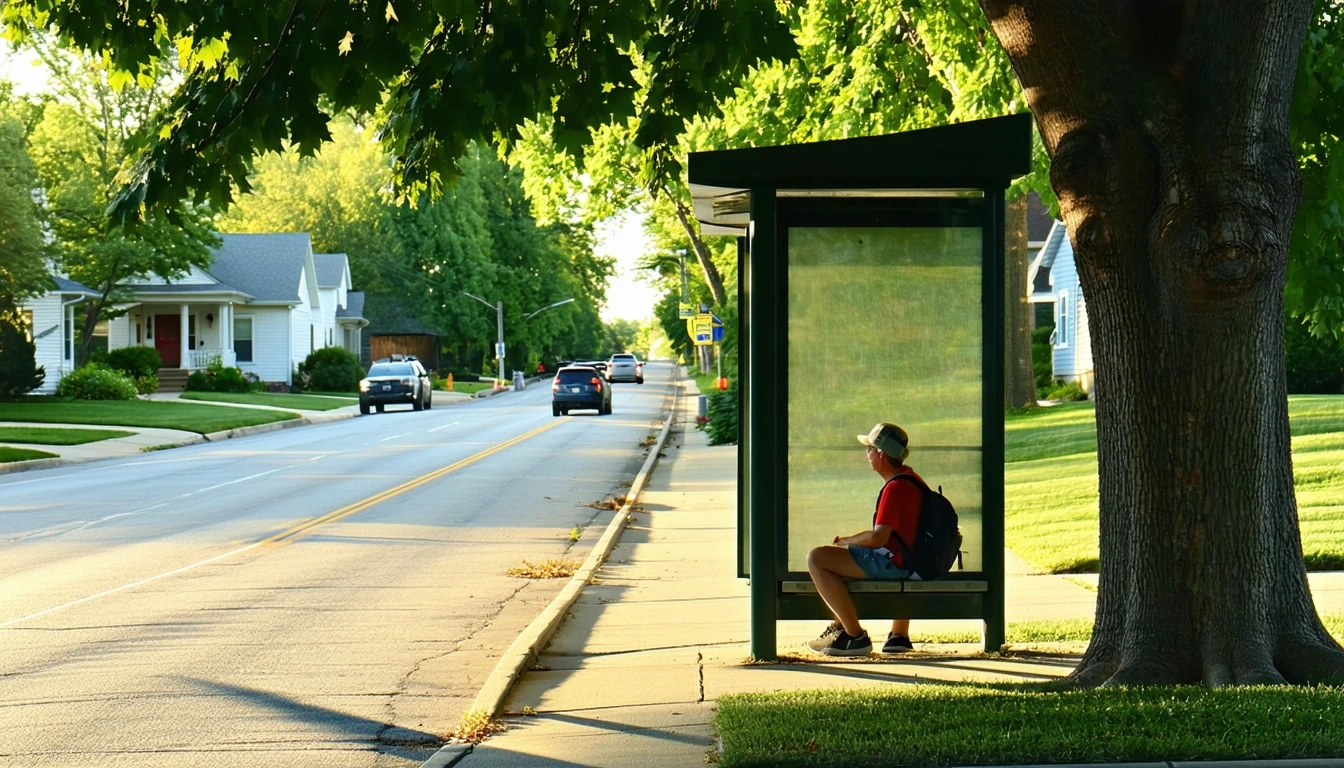
How People Get Around Gladstone
Gladstone operates primarily as a car-oriented suburb, but it’s not a mobility desert. The pedestrian-to-road ratio is higher than typical suburban sprawl, meaning sidewalks and pathways are woven into parts of the city in ways that support local foot traffic. Bus service runs through key corridors, and the density of food and grocery establishments is high enough that some neighborhoods can handle routine errands without long drives.
What newcomers often misunderstand is that these features don’t eliminate the need for a car—they reduce friction for specific trip types. If you live near a bus line and work along a fixed route, transit becomes viable. If you’re in one of the walkable pockets with nearby groceries, you can handle some daily tasks on foot. But for regional commuting, multi-stop errands, evening activities, or anything off the main corridors, driving remains the default.
The city’s layout reflects mixed land use, with residential and commercial zones overlapping in places. This supports shorter, more spontaneous trips and reduces the “everything requires a drive” feeling common in purely residential suburbs. But it doesn’t change the fact that Gladstone is embedded in a metro region where jobs, services, and social networks are dispersed across a wide geography.
Public Transit Availability in Gladstone
Public transit in Gladstone centers around bus service, which provides a baseline level of regional connectivity. The presence of bus stops throughout the city means that transit is not absent—it’s a real option for people whose routines align with fixed routes and schedules.
Transit works best for commuters traveling to and from employment centers along established corridors, particularly those with predictable start and end times. It also serves residents who prioritize reducing car ownership costs or who are comfortable planning trips around service windows. For these households, bus access can be a meaningful lever in reducing transportation exposure.
Where transit falls short is in coverage outside the main corridors, frequency during off-peak hours, and flexibility for multi-destination trips. If your commute involves transfers, if you work non-standard hours, or if your daily routine includes errands that don’t align with bus routes, the practical utility drops quickly. Late-night and weekend service limitations also constrain who can rely on transit as a primary mode.
The key is recognizing that transit presence doesn’t equal transit sufficiency. Bus service exists, but it functions as a supplement to driving for most households rather than a replacement.
Driving & Car Dependence Reality
For the majority of Gladstone residents, driving is not optional—it’s structural. The city’s suburban form, regional job distribution, and household logistics all point toward car ownership as the baseline expectation. Parking is generally accessible, roads are designed for vehicle flow, and the metro area’s sprawl makes car-free living impractical for most.
Car dependence here is not about preference—it’s about infrastructure. Gladstone’s layout supports driving efficiently, and most households adapt by owning one or two vehicles. This creates predictability and control over schedules, but it also locks in fixed costs: insurance, maintenance, registration, and fuel exposure.
The tradeoff is flexibility. Driving allows for spontaneous trips, multi-stop errands, and access to the full metro region without waiting for a bus or planning around service gaps. For families, workers with variable schedules, or anyone managing complex logistics, that flexibility is often non-negotiable.
What matters is understanding that car dependence in Gladstone is not absolute. The walkable pockets and transit corridors mean that some households—particularly those who choose housing strategically—can reduce their reliance on driving for certain trip types. But eliminating car ownership entirely remains a niche outcome, viable only for a small subset of residents whose work, errands, and social lives align with transit and foot access.
Commuting Patterns & Daily Mobility
Commuting in Gladstone typically involves either driving to a job elsewhere in the metro or using bus service to reach employment centers along fixed routes. The city functions as part of a broader regional labor market, meaning many residents commute outward to Kansas City or other nearby areas, while some work locally.
For single-job commuters with predictable schedules, the structure is straightforward: drive or take the bus, depending on route alignment. For households managing multiple jobs, school drop-offs, or mid-day errands, the calculus shifts heavily toward driving. The ability to chain trips—picking up groceries after work, stopping for a prescription, running an errand during lunch—becomes a significant factor in daily logistics.
Proximity matters more than distance. Living near a bus line or within one of the walkable pockets can reduce the number of trips that require a car, even if it doesn’t eliminate driving entirely. Residents who work from home or have flexible schedules gain the most from these features, as they can time errands and local trips around walking or transit without the pressure of a fixed commute.
The reality is that most households structure their days around car access, but the presence of alternatives means that some trips—particularly routine, local ones—can be handled differently. That distinction matters for households trying to reduce transportation costs or limit their exposure to fuel price volatility.
Who Transit Works For — and Who It Doesn’t
Transit in Gladstone is a fit for a specific set of circumstances, not a universal solution. It works best for individuals or households who live near bus corridors, work along routes with direct or minimal-transfer service, and have schedules that align with transit availability. For these residents, bus service can meaningfully reduce or eliminate the need for a personal vehicle, particularly if they’re also situated in one of the walkable pockets where daily errands don’t require driving.
Renters, especially those prioritizing affordability and willing to trade convenience for lower transportation costs, are more likely to benefit from transit. Choosing housing near a bus line becomes a strategic decision that opens up car-free or single-car living as a realistic option.
Transit doesn’t work well for households with complex logistics: families managing school schedules, workers with variable hours, or anyone whose daily routine involves multiple stops across dispersed locations. It also falls short for residents in peripheral neighborhoods where bus coverage is thin or nonexistent. For these households, car ownership is not a choice—it’s a requirement.
Homeowners, particularly those in areas outside the walkable or transit-served zones, are almost universally car-dependent. The suburban layout and regional job distribution make driving the only practical option for maintaining flexibility and access.
The distinction is not about whether transit exists—it does—but about whether it aligns with the specific demands of a household’s daily life. For a minority of residents, it does. For most, it doesn’t.
Transportation Tradeoffs in Gladstone
Choosing between transit and driving in Gladstone is not a question of cost alone—it’s a question of control, predictability, and exposure. Driving offers flexibility and eliminates waiting, but it locks in fixed costs and ties household budgets to fuel prices and vehicle maintenance. Transit reduces those fixed costs but introduces schedule dependence and limits spontaneity.
For households that can align their routines with bus service, the tradeoff tilts toward transit: lower ownership costs, reduced parking hassle, and insulation from fuel volatility. For households that need multi-stop flexibility, evening access, or regional reach, driving remains the only practical option, and the tradeoff becomes about managing exposure rather than avoiding it.
The walkable pockets add a third option for some residents: reducing trip frequency by clustering errands locally. High grocery and food establishment density means that some neighborhoods support a “walk for dailies, drive for weeklies” pattern, which can lower overall transportation demand without eliminating car ownership.
What matters is recognizing that these tradeoffs are structural, not personal. The infrastructure determines which options are viable, and households adapt based on their specific circumstances. There is no universal “best” choice—only the choice that fits the household’s work, schedule, and tolerance for logistical friction.
FAQs About Transportation in Gladstone (2026)
Is public transit usable for daily commuting in Gladstone?
Yes, but only if your commute aligns with bus routes and schedules. Transit works best for residents near corridors with direct service to employment centers and predictable work hours. For most households, driving remains more practical.
Do most people in Gladstone rely on a car?
Yes. The majority of residents are car-dependent due to the suburban layout and regional job distribution. Transit and walkability exist in pockets, but they don’t eliminate the need for vehicle access for most households.
Which areas of Gladstone are easiest to live in without a car?
Areas near bus corridors with high pedestrian infrastructure and nearby grocery and food access offer the best chance for car-free or car-light living. These are the walkable pockets where daily errands can be managed on foot and transit can cover commuting needs.
How does commuting in Gladstone compare to nearby cities?
Gladstone functions as part of the broader Kansas City metro commuting pattern, with similar reliance on driving and regional job distribution. The presence of bus service and walkable pockets gives it slightly more flexibility than purely car-dependent suburbs, but it’s not a transit-rich environment.
Can you reduce transportation costs in Gladstone without giving up a car?
Yes. Living in a walkable pocket or near transit can reduce trip frequency and fuel exposure, even if you still own a vehicle. Clustering errands locally and using the bus for routine commutes when possible can lower overall transportation demand without eliminating car access.
How Transportation Fits Into the Cost of Living in Gladstone
Transportation in Gladstone is not just a line item—it’s a structural factor that shapes housing choice, time allocation, and daily flexibility. Whether you drive, take the bus, or walk depends on where you live, where you work, and how much logistical friction you’re willing to absorb.
For most households, car ownership is the baseline, and the question becomes how to manage that exposure: choosing housing that reduces commute distance, clustering errands to limit trips, or timing major purchases around fuel price cycles. For a smaller group—those near transit and within walkable zones—the question shifts to whether eliminating or reducing car ownership is worth the tradeoff in convenience.
Understanding how transportation works in Gladstone means recognizing both the infrastructure that exists and the limits that constrain it. Bus service is real, walkability is present in pockets, and errands are more accessible than the suburban form suggests—but none of these eliminate the region’s car-oriented structure. The households that benefit most are those who align their housing and work decisions with the infrastructure that’s actually available, rather than assuming either universal transit access or total car dependence.
For a fuller picture of how transportation costs interact with other expenses, see Monthly Spending in Gladstone: The Real Pressure Points.
How this article was built: In addition to public economic data, this article incorporates location-based experiential signals derived from anonymized geographic patterns—such as access density, walkability, and land-use mix—to reflect how day-to-day living actually feels in Gladstone, MO.