
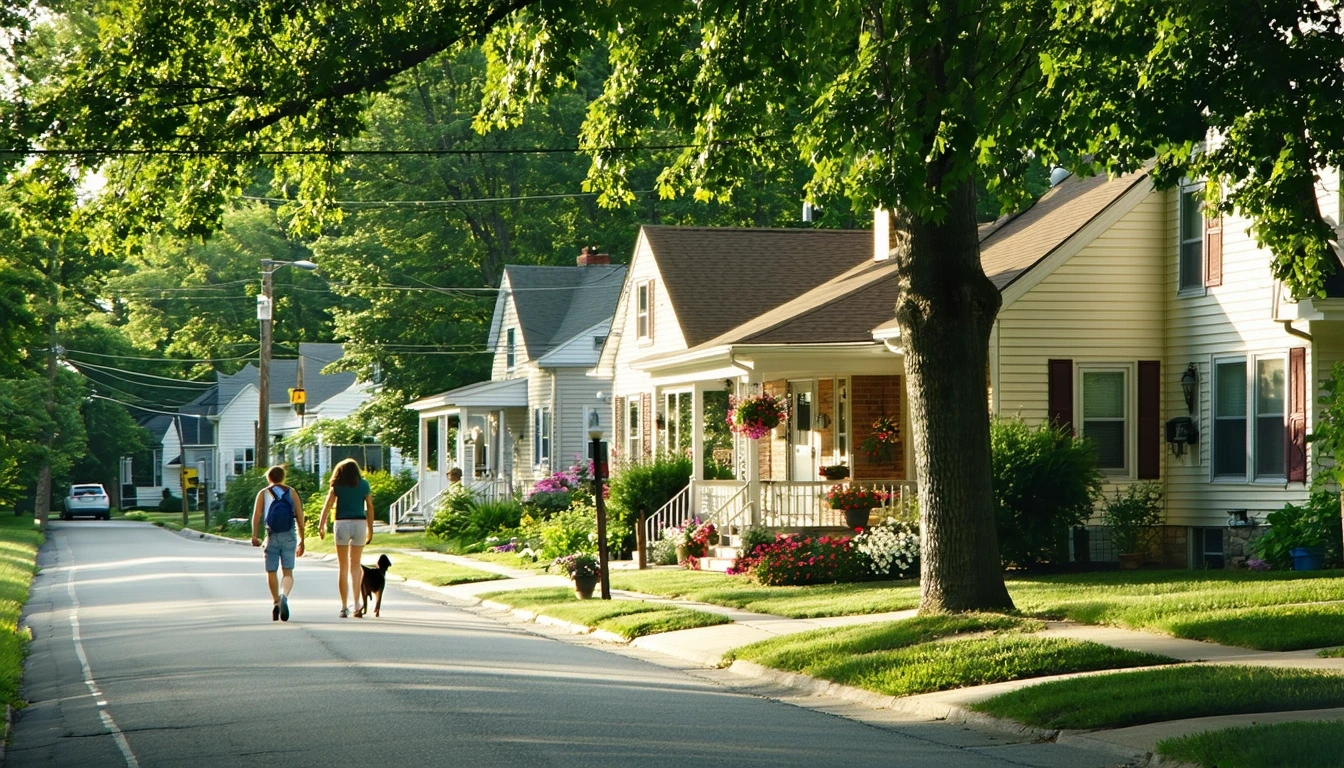
Here’s the myth: Liberty is more expensive than Gladstone because home values are higher, so Gladstone must be the budget-friendly choice. The reality? Cost structure in these two Kansas City metro suburbs works nothing like that. Both cities sit in Clay County, share the same utility providers and regional pricing, and attract similar household types—young families, commuters, and people looking for suburban space without urban density. But the way costs show up, when they hit hardest, and which households feel the most pressure differs in ways that have nothing to do with sticker prices alone. In 2026, choosing between Gladstone and Liberty isn’t about finding the cheaper option—it’s about understanding where your household’s specific cost sensitivities will be exposed or protected.
The decision comes down to tradeoffs in housing entry barriers, daily logistics friction, and how predictable your month-to-month expenses feel. Gladstone offers lower home values and exceptionally broad access to groceries and errands, with strong infrastructure for families managing school-age kids. Liberty brings higher incomes, more defined commute patterns, and a commercial landscape organized along corridors rather than distributed throughout neighborhoods. Neither city is objectively more affordable—they simply distribute cost pressure differently depending on what you’re optimizing for.
This comparison explains how housing, utilities, transportation, groceries, and taxes behave differently in Gladstone and Liberty, and which households are more exposed to volatility, friction, or front-loaded costs in each place. If you’re deciding where to move in 2026, the question isn’t which city costs less—it’s which cost structure fits the way your household actually lives.
Housing Costs: Entry Barrier vs. Ongoing Obligation
Housing is where the most visible difference appears, but not in the way most people expect. Gladstone’s median home value sits at $194,900, while Liberty’s reaches $250,200—a substantial gap that shapes who can enter the ownership market and what kind of monthly obligation follows. But rental markets tell a different story: Gladstone’s median gross rent is $1,048 per month, while Liberty’s is $1,004 per month, nearly identical. This creates a split decision landscape where renters face similar baseline costs, but prospective buyers encounter very different entry thresholds and long-term exposure.
For renters, the cost experience in both cities revolves around availability and housing type rather than price alone. Gladstone’s rental stock tends to include more multi-family buildings and smaller single-family homes, while Liberty skews toward single-family rentals and townhomes. That means renters in Gladstone may find more apartment-style options with lower maintenance responsibility, while Liberty renters often navigate a market where landlords expect longer leases and tenants manage more of the property upkeep indirectly through higher standards or included services. The monthly rent may look similar, but the friction costs—application fees, deposits, lease flexibility, and turnover expenses—can differ depending on what’s available when you’re searching.
For buyers, the $55,000 gap in median home values translates directly into down payment requirements, mortgage approval thresholds, and ongoing property tax exposure. Gladstone’s lower entry point makes ownership accessible to households earning closer to the metro median, while Liberty’s higher values typically require dual incomes or significant savings. But Liberty’s higher home values also correlate with its higher median household income of $91,512 per year compared to Gladstone’s $68,633 per year, suggesting that Liberty’s housing market serves a different income tier rather than simply being “more expensive.” Buyers in Liberty are more likely to be trading up or moving laterally from other higher-value suburbs, while Gladstone attracts more first-time buyers and families prioritizing space over finishes.
| Housing Type | Gladstone | Liberty |
|---|---|---|
| Median Home Value | $194,900 | $250,200 |
| Median Gross Rent | $1,048/month | $1,004/month |
| Typical Buyer Profile | First-time buyers, families prioritizing entry cost | Move-up buyers, dual-income households |
| Rental Stock Character | More multi-family, smaller single-family | More single-family rentals, townhomes |
The housing takeaway depends entirely on whether you’re renting or buying, and what kind of cost pressure you’re trying to avoid. Renters face nearly identical baseline costs but different availability and lease structures—Gladstone offers more flexibility in unit types, while Liberty’s rental market leans toward longer-term, single-family arrangements. Buyers face a clear tradeoff: Gladstone’s lower entry barrier makes ownership accessible sooner, but Liberty’s higher home values reflect a market where households are already earning significantly more. If your household is stretching to enter ownership, Gladstone’s lower home values reduce the front-loaded cost burden. If you’re moving laterally or trading up, Liberty’s higher values align with a market that expects—and supports—higher incomes.
Utilities and Energy Costs: Identical Rates, Different Exposure
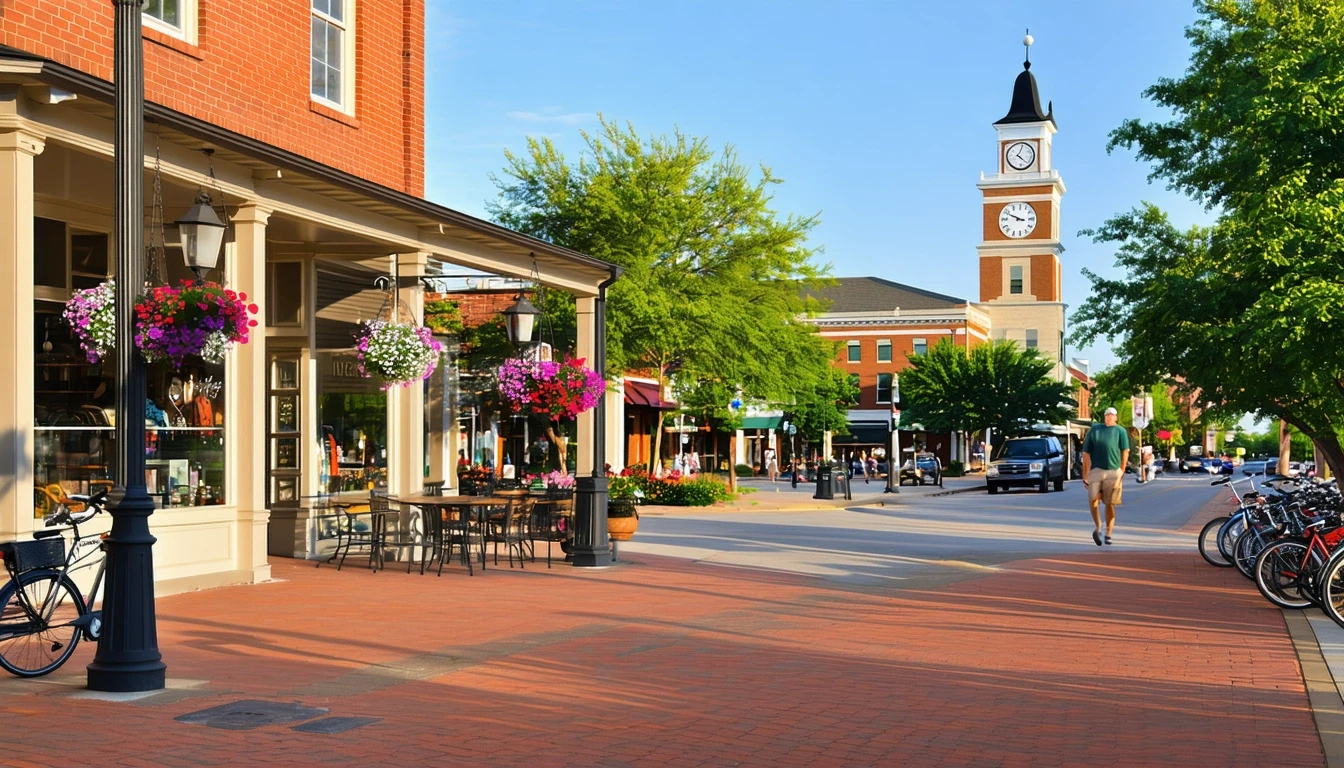
Utility costs in Gladstone and Liberty are governed by the same regional providers and identical rate structures: electricity runs 13.12¢/kWh, and natural gas costs $28.51/MCF in both cities. There’s no price advantage to living in one city over the other when it comes to the rates themselves. But the way those rates translate into monthly bills—and how much volatility households experience—depends on housing stock, home size, and how much cooling and heating a household needs to stay comfortable through Missouri’s humid summers and cold winters.
Gladstone’s housing stock includes a higher share of smaller homes, older multi-family buildings, and mid-century single-family construction. That means households in Gladstone are more likely to occupy units with less square footage to heat and cool, but also more likely to encounter older HVAC systems, less efficient windows, and minimal insulation upgrades. The result is moderate baseline usage with seasonal spikes driven by equipment inefficiency rather than sheer size. Liberty’s housing stock skews newer and larger, with more recent construction that includes better insulation and more efficient systems—but also significantly more square footage. Families in Liberty may run more efficient equipment, but they’re running it across bigger floor plans, which pushes total usage higher even when per-square-foot efficiency improves.
Seasonality hits both cities similarly: summers in the Kansas City metro bring extended heat and humidity that demand consistent air conditioning, while winters require steady heating through cold snaps and occasional ice. But the household experience differs depending on home age and size. In Gladstone, older homes may see sharper seasonal swings as aging systems work harder, while smaller units keep absolute costs lower. In Liberty, newer homes with better envelopes experience less volatility, but larger square footage means baseline costs stay elevated year-round. Apartments in Gladstone benefit from shared walls and smaller footprints, making utility costs more predictable for renters. Single-family homes in Liberty—whether rented or owned—carry higher baseline exposure simply due to size.
The utility takeaway is that both cities face identical rate structures, but household exposure depends on what you’re heating, cooling, and how old the building is. Gladstone households in older, smaller homes experience more volatility driven by inefficiency but lower absolute costs. Liberty households in newer, larger homes experience less volatility but higher baseline usage. Renters in Gladstone apartments enjoy the most predictable utility costs due to smaller footprints and shared infrastructure. Families in Liberty single-family homes face the highest ongoing obligation, but with more control over efficiency upgrades and long-term cost reduction strategies.
Groceries and Daily Expenses: Broad Access vs. Corridor Dependence
Grocery and daily spending pressure in Gladstone and Liberty differs not because of price variation—both cities share the same regional price parity index of 93, meaning costs are slightly below the national baseline—but because of how accessible food and errands are, and how much friction households encounter when restocking or running routine errands. Gladstone shows food and grocery establishment density that exceeds high thresholds, with options distributed broadly throughout the city. Liberty’s food and grocery density sits in the medium band, with establishments concentrated along commercial corridors rather than embedded in neighborhoods. That structural difference changes how often households need to drive, how much time errands consume, and whether convenience spending creeps up due to limited nearby options.
In Gladstone, families can access grocery stores, pharmacies, and everyday retail without crossing the entire city or planning around a single commercial strip. The broad accessibility means households can comparison-shop more easily, make quick trips for forgotten items, and reduce the likelihood of paying convenience premiums at gas stations or corner stores. Single adults and couples benefit from the ability to walk or make short drives for essentials, which reduces both transportation costs and the temptation to order delivery or eat out due to access friction. Families managing larger grocery volumes appreciate the ability to split trips across multiple stores without adding significant drive time.
Liberty’s corridor-clustered model means most grocery and retail options sit along a few main roads, requiring households to plan trips more deliberately. That doesn’t necessarily mean higher prices—major chains and discount grocers operate in both cities—but it does mean more driving per errand, less flexibility for quick stops, and higher likelihood that households consolidate trips or rely on one primary store rather than shopping around. For single adults and couples, this can translate into more frequent convenience purchases or takeout when the effort to drive to a full grocery store feels disproportionate to the need. For families, corridor dependence means longer errand loops and more time spent in the car, which indirectly increases transportation costs and reduces schedule flexibility.
Dining out and convenience spending follow similar patterns. Gladstone’s distributed commercial landscape includes more neighborhood-scale restaurants and coffee shops, reducing the friction of grabbing a meal or meeting someone locally. Liberty’s corridor model concentrates dining options along the same commercial strips as groceries, which can make dining out feel like a deliberate outing rather than a casual option. That doesn’t make Liberty more expensive for food—it just changes the behavior patterns that drive spending. Households in Gladstone may spend more on small, frequent purchases because access is easy. Households in Liberty may spend more on larger, planned trips because consolidation makes sense.
The grocery and daily expense takeaway is that price levels are nearly identical, but access structure shapes spending behavior. Gladstone’s broad accessibility reduces friction, supports comparison shopping, and makes it easier to avoid convenience premiums—but also makes small, frequent purchases more tempting. Liberty’s corridor-clustered model requires more planning and driving, which can push households toward larger stock-up trips or convenience spending when access friction is high. Single adults and couples feel the difference most acutely in terms of time cost and convenience temptation. Families feel it in transportation time and the ability to split errands efficiently across the week.
Taxes and Fees: Predictable Structures, Different Magnitudes
Property taxes, sales taxes, and local fees in Gladstone and Liberty follow the same county and state frameworks, but the way those taxes translate into household costs depends on home values, consumption patterns, and whether you’re renting or owning. Missouri’s state sales tax applies uniformly, and both cities sit in Clay County, which means the foundational tax structure is identical. But because Liberty’s median home value is significantly higher than Gladstone’s, homeowners in Liberty face higher annual property tax bills even if the millage rate is the same. Renters, meanwhile, experience property taxes indirectly through rent levels, but because rental costs are nearly identical in both cities, the tax burden for renters is effectively neutral.
For homeowners, the difference in property tax exposure is straightforward: higher home values mean higher assessed values, which means higher annual tax bills. Liberty homeowners pay more in absolute terms, but they’re also living in homes that reflect higher market values and, typically, higher household incomes. Gladstone homeowners pay less in property taxes because their homes are valued lower, which reduces the ongoing obligation and makes ownership more sustainable for households earning closer to the metro median. Property taxes in both cities are predictable—they don’t fluctuate month-to-month—but the magnitude of the obligation differs based on what you bought and when.
Sales taxes affect both cities identically at the point of purchase, but spending patterns differ based on household income and consumption habits. Higher-income households in Liberty may spend more in absolute terms on taxable goods, which means they pay more in sales tax over the course of a year—but that’s a function of income and spending capacity, not a structural tax disadvantage. Gladstone households, earning less on average, pay less in sales tax simply because they’re spending less. The tax rate is the same; the exposure differs based on household behavior.
Local fees—trash collection, water, sewer, and stormwater management—are typically structured similarly in both cities, though specific fee schedules can vary by provider and service area. Homeowners in both cities pay these fees directly, while renters see them bundled into rent or charged separately depending on the lease. The predictability of these fees is high, but the absolute cost can differ slightly based on lot size, water usage, and whether the home is in an HOA that bundles services. Liberty’s higher share of newer developments may include more HOA fees that cover landscaping, snow removal, or shared amenities, which adds a predictable but non-negotiable monthly cost. Gladstone’s older housing stock is less likely to include HOA fees, which reduces the baseline obligation but also means homeowners manage more services individually.
The tax and fee takeaway is that both cities operate under the same foundational tax structure, but exposure differs based on home value, income, and housing type. Liberty homeowners face higher property tax bills due to higher home values, but those bills are predictable and align with a market that expects higher incomes. Gladstone homeowners pay less in property taxes, which reduces the ongoing cost burden and makes ownership more accessible. Renters in both cities experience similar tax exposure indirectly through rent levels. HOA fees are more common in Liberty’s newer developments, adding predictability but also a non-negotiable monthly cost that Gladstone households are less likely to encounter.
Transportation & Commute Reality
Transportation costs in Gladstone and Liberty are shaped less by gas prices—which sit at $2.49/gal in both cities—and more by commute patterns, car dependence, and how much time households spend moving between home, work, and errands. Liberty shows an average commute time of 22 minutes, with 30.5% of workers facing long commutes and only 4.3% working from home. Gladstone does not report commute data in the available feed, but its pedestrian infrastructure and transit availability suggest a different mobility landscape. Both cities show walkable pockets with pedestrian-to-road ratios that exceed high thresholds, and both have some cycling infrastructure, but Gladstone offers bus service while Liberty does not emit a transit signal.
Liberty’s commute data reveals a car-dependent pattern where most workers drive to jobs outside the city, spending nearly half an hour each way. That time cost translates into fuel consumption, vehicle wear, and reduced schedule flexibility—even if the per-gallon cost of gas is identical to Gladstone. The high share of long commutes suggests that many Liberty households are trading housing space and value for distance from employment centers, which makes transportation a non-negotiable cost rather than a discretionary one. The low work-from-home percentage means most households can’t reduce commute frequency by working remotely, which locks in the time and fuel cost regardless of gas price fluctuations.
Gladstone’s bus service provides an alternative for households willing to use transit, though the extent and frequency of service isn’t specified in the data. The presence of bus stops suggests that some errands, appointments, or commutes can be managed without a car, particularly for single adults or couples living near transit corridors. But the lack of rail service in both cities means that transit remains a supplementary option rather than a primary mobility strategy for most households. Cycling infrastructure exists in pockets in both cities, but the medium bike-to-road ratio suggests that cycling is practical for recreation or short trips rather than daily commuting for most residents.
The transportation takeaway is that both cities require car ownership for most households, but the intensity of car dependence differs. Liberty’s longer average commute and high share of long commutes mean transportation costs are driven by time and distance, not just fuel price. Gladstone’s bus service offers some flexibility for households near transit, but the overall mobility landscape still favors driving. Single adults and couples in Gladstone may find it easier to reduce car dependence for errands due to broader grocery accessibility and transit presence. Families in Liberty face higher transportation time costs due to longer commutes and corridor-based errands, which compounds the cost of car ownership even when gas prices are identical.
Cost Structure Comparison
Housing dominates the cost experience in both cities, but the pressure shows up differently depending on whether you’re renting or buying. Gladstone’s lower home values create a more accessible entry point for ownership, reducing the front-loaded cost burden and making monthly mortgage obligations more sustainable for households earning closer to the metro median. Liberty’s higher home values reflect a market positioned for higher-income households, where the entry barrier is steeper but the housing stock is newer and larger. Renters face nearly identical baseline costs in both cities, but Gladstone offers more multi-family options with lower maintenance friction, while Liberty’s rental market skews toward single-family homes with longer lease expectations and more tenant responsibility.
Utilities introduce identical rate structures but different exposure depending on home size and age. Gladstone households in older, smaller homes experience more seasonal volatility due to inefficient systems, but lower absolute costs due to smaller square footage. Liberty households in newer, larger homes benefit from better insulation and more efficient equipment, but higher baseline usage driven by size keeps monthly bills elevated year-round. Renters in Gladstone apartments enjoy the most predictable utility costs, while families in Liberty single-family homes face the highest ongoing obligation.
Daily errands and groceries reveal the most significant structural difference. Gladstone’s broadly accessible food and grocery landscape reduces friction, supports comparison shopping, and makes it easier to avoid convenience premiums—though it also makes small, frequent purchases more tempting. Liberty’s corridor-clustered model requires more planning and driving, which pushes households toward larger stock-up trips or convenience spending when access friction is high. For single adults and couples, Gladstone’s distributed access reduces time cost and convenience temptation. For families, Liberty’s corridor model adds transportation time and reduces errand flexibility.
Transportation patterns matter more in Liberty, where longer average commutes and a high share of long commutes lock in time and fuel costs regardless of gas price. Gladstone’s bus service and broader errands accessibility offer some flexibility for households willing to reduce car dependence, though most residents in both cities still rely on personal vehicles. Taxes and fees follow the same foundational structure, but Liberty homeowners pay more in property taxes due to higher home values, while Gladstone homeowners benefit from lower assessed values and reduced ongoing obligations.
The decision between Gladstone and Liberty isn’t about which city costs less—it’s about which cost structure aligns with your household’s income, priorities, and tolerance for friction. Households sensitive to housing entry barriers and daily logistics friction may prefer Gladstone’s lower home values and broadly accessible errands. Households prioritizing newer housing stock, larger homes, and higher income alignment may prefer Liberty’s market positioning despite higher entry costs and corridor-based access. For renters, the choice is less about price and more about housing type and lease flexibility. For buyers, it’s about whether you’re entering ownership or trading up, and whether you value accessibility or space.
How the Same Income Feels in Gladstone vs Liberty
Single Adult
Housing becomes the first non-negotiable, and in Gladstone, renting an apartment near grocery stores and bus lines keeps both rent and transportation costs manageable without requiring a car for every errand. Liberty’s corridor-based layout means even small trips require driving, which adds fuel and time costs that eat into flexibility. Gladstone’s distributed errands access reduces the temptation to pay convenience premiums or order delivery, while Liberty’s longer drives make takeout or quick stops more appealing when time is tight. Utility costs stay predictable in Gladstone apartments due to smaller footprints, while Liberty’s single-family rentals push baseline usage higher even in efficient homes.
Dual-Income Couple
Housing entry becomes achievable in Gladstone without stretching to the edge of approval, leaving room for savings or discretionary spending, while Liberty’s higher home values require both incomes to sustain the mortgage and property taxes. Commute friction matters more in Liberty, where both partners likely drive longer distances and spend more time in transit, reducing schedule flexibility and increasing fuel costs. Gladstone’s bus service and walkable pockets offer some relief for one partner to reduce car dependence, though most couples still rely on two vehicles. Grocery and errands logistics feel smoother in Gladstone due to distributed access, while Liberty’s corridor model requires more planning and longer loops that compress evening and weekend time.
Family with Kids
School and playground density in Gladstone creates a stronger infrastructure for managing kids’ schedules without constant driving, while Liberty’s lower family infrastructure density means more time coordinating pickups, activities, and errands across spread-out locations. Housing costs in Liberty demand higher dual incomes to sustain larger homes and property taxes, while Gladstone’s lower entry barrier makes ownership accessible sooner but with older housing stock that may require more maintenance. Utility costs in Liberty’s larger homes stay elevated year-round, while Gladstone’s smaller homes keep absolute costs lower despite seasonal volatility. Errands in Gladstone can be split across the week with short trips, while Liberty’s corridor-based access pushes families toward weekend stock-up runs that consume more time and fuel.
Decision Matrix: Which City Fits Which Household?
| Decision factor | If you’re sensitive to this… | Gladstone tends to fit when… | Liberty tends to fit when… |
|---|---|---|---|
| Housing entry + space needs | Down payment size, mortgage approval threshold, ongoing property tax exposure | You’re entering ownership for the first time or prioritizing lower entry cost over home size and finishes | You’re trading up or moving laterally with dual incomes and prefer newer, larger homes despite higher entry cost |
| Transportation dependence + commute friction | Commute time, fuel costs, schedule flexibility, car dependence for errands | You value shorter errands loops, bus access as a backup, and distributed commercial options that reduce driving frequency | You’re already commuting longer distances and prioritize home size over proximity, accepting higher time and fuel costs |
| Utility variability + home size exposure | Seasonal bill swings, baseline usage driven by square footage, efficiency of heating and cooling systems | You prefer smaller homes or apartments with lower absolute costs and can tolerate seasonal volatility from older systems | You prioritize newer construction with better efficiency and larger floor plans, accepting higher baseline usage year-round |
| Grocery strategy + convenience spending creep | Access friction, time cost of errands, temptation to pay convenience premiums or order delivery | You value distributed grocery access that supports comparison shopping and reduces the friction of quick trips | You’re comfortable planning larger stock-up trips along corridors and have the time and vehicle capacity to consolidate errands |
| Fees + friction costs (HOA, services, upkeep) | Predictability of monthly obligations, control over maintenance spending, bundled vs itemized services | You prefer older housing stock with fewer HOA fees and more control over which services you pay for individually | You value newer developments with HOA-managed landscaping and amenities, accepting predictable but non-negotiable monthly fees |
| Time budget (schedule flexibility, errands, logistics) | How much time you spend driving, coordinating household logistics, managing kids’ schedules | You need strong family infrastructure density and distributed errands access to reduce time spent in the car managing daily life | You have the schedule flexibility to absorb longer commutes and corridor-based errands without compressing evening or weekend time |
Lifestyle Fit: What Daily Life Actually Feels Like
Gladstone and Liberty both offer suburban space, low unemployment, and access to the broader Kansas City metro, but the texture of daily life differs in ways that indirectly affect how much time and money households spend managing logistics. Gladstone’s park density exceeds high thresholds, with water features and green space integrated throughout the city, making outdoor recreation accessible without driving to regional parks. Liberty’s park density sits in the moderate range, with green space present but less embedded in neighborhoods. For families with young kids, Gladstone’s higher school and playground density means shorter drives to activities and more options for walking to parks. Liberty’s lower family infrastructure density requires more deliberate planning and longer drives to access schools, playgrounds, and organized activities.
Both cities show mixed building height profiles and both residential and commercial land use, which creates pockets of walkability rather than uniform car dependence. But Gladstone’s broader food and grocery accessibility means households can run errands on foot or with short drives more easily, while Liberty’s corridor-clustered model requires most errands to happen along a few main roads. That difference compounds over time: Gladstone households may find themselves walking to coffee shops, pharmacies, or quick grocery runs, while Liberty households default to driving for nearly every errand. The time saved in Gladstone translates into more schedule flexibility, while the time spent driving in Liberty reduces evening and weekend availability for other activities.
Commute culture differs visibly. Liberty’s 22-minute average commute and 30.5% long-commute share suggest a population that’s accepted distance from employment centers in exchange for housing space and value. Gladstone’s lack of reported commute data makes direct comparison impossible, but the presence of bus service and walkable pockets suggests a different mobility landscape where some households can reduce car dependence for daily needs. Neither city offers rail transit, so both remain car-oriented for most residents, but the degree of car dependence—and the time cost it imposes—differs based on where you live and what you’re trying to access.
Gladstone’s park density exceeds high thresholds, with water features integrated throughout the city. Families managing kids benefit from shorter drives to playgrounds and schools, while single adults and couples enjoy more walkable access to errands and green space. Liberty’s higher median household income of $91,512 per year reflects a market positioned for dual-income households and move-up buyers. The trade-off is longer commutes, more corridor-based errands, and higher baseline housing and utility costs that align with larger homes and newer construction.
Frequently Asked Questions
Is Gladstone or Liberty cheaper for renters in 2026?
Rental costs are nearly identical—Gladstone’s median gross rent is $1,048 per month, while Liberty’s is $1,004 per month. The difference isn’t price; it’s housing type and availability. Gladstone offers more multi-family apartments and smaller single-family rentals, which means more flexibility in unit size and lease terms. Liberty’s rental market skews toward single-family homes and townhomes, which often come with longer lease expectations and more tenant responsibility for upkeep. Renters sensitive to lease flexibility and maintenance friction may prefer Gladstone’s apartment-heavy stock, while those prioritizing single-family space may find Liberty’s market more aligned with their needs.
How do grocery costs compare between Gladstone and Liberty in 2026?
Grocery prices are governed by the same regional price parity index of 93