
Gladstone is considered moderately priced in 2026, with a median home value of $194,900 and median rent of $1,048 per month. The value proposition depends on housing entry cost versus transportation dependence—most residents need a car, but grocery and daily errands are broadly accessible once you’re settled.
You’re staring at a spreadsheet, trying to figure out whether Gladstone fits your budget. The rent looks reasonable. The home prices aren’t scary. But then you start adding up gas, utilities, groceries—and suddenly you’re not sure if the numbers work or if you’re missing something big.
Here’s the truth: Gladstone’s cost structure isn’t defined by a single expensive category. It’s shaped by how housing, transportation, and seasonal utility swings interact with your household’s specific situation. This guide breaks down what actually drives costs here, where the pressure points hide, and how different household types experience financial exposure differently.
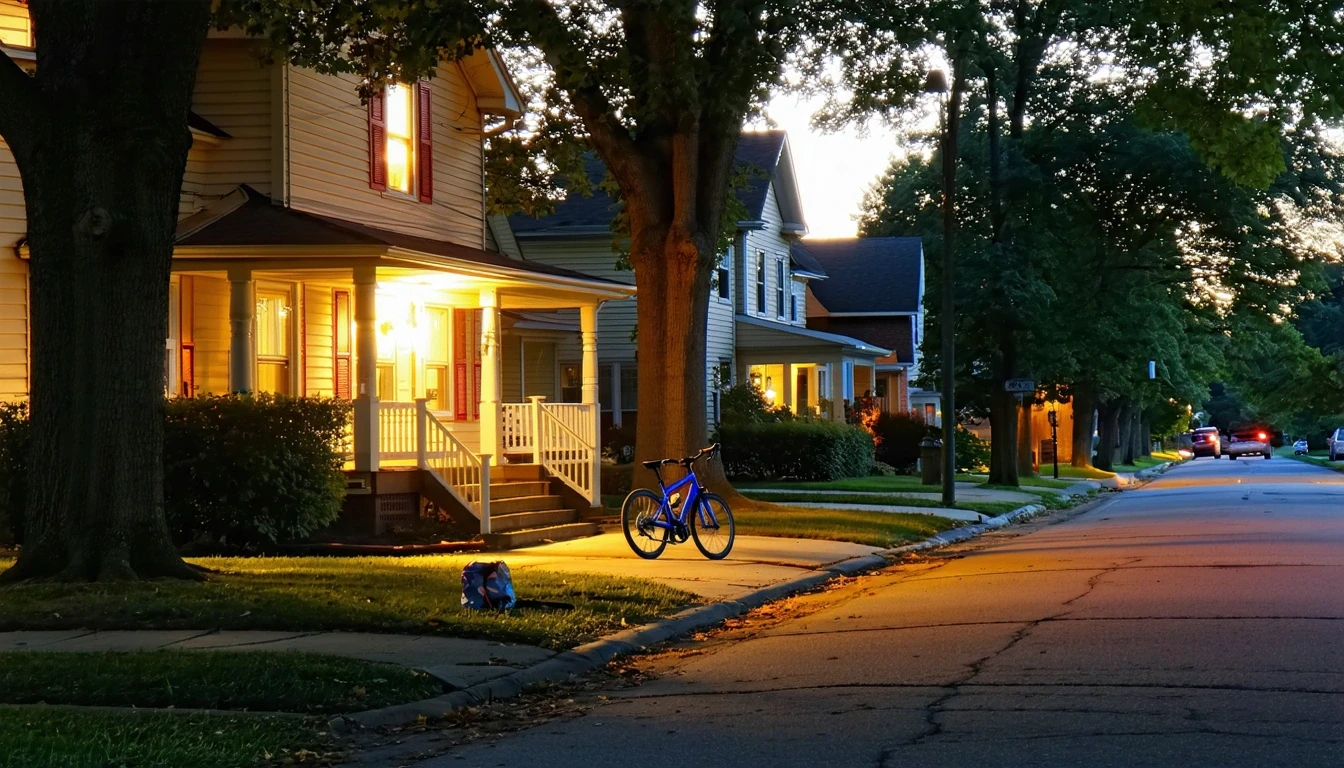
Overall Cost of Living Snapshot
Gladstone sits below the national average for overall cost of living, with a regional price parity index of 93—meaning goods and services here generally cost about 7% less than the U.S. baseline. That discount shows up most clearly in housing and groceries, less so in utilities and transportation.
The dominant cost driver is housing entry—whether you’re covering a down payment or first month’s rent and deposit. Once you’re in, the ongoing pressure shifts to transportation. Gladstone’s layout includes walkable pockets with substantial pedestrian infrastructure, and grocery density exceeds high thresholds, meaning daily errands are broadly accessible. But the city relies on bus-only transit, and most employment centers require a car to reach efficiently.
Compared to the Kansas City metro, Gladstone offers a suburban cost profile: lower housing costs than downtown or more established suburbs, but higher transportation exposure than denser, transit-rich areas. The main surprise for newcomers isn’t sticker shock—it’s realizing that car dependence quietly becomes one of the largest recurring expenses, even when gas prices stay modest.
Driver verdict: Housing dominates upfront cost, but transportation and seasonal utility swings (heating and cooling) create the ongoing financial texture. Surprises come from underestimating vehicle ownership costs and winter heating bills, not from grocery or service pricing.
Housing Costs (Primary Driver)
Housing is the single largest cost anchor in Gladstone. The median home value of $194,900 positions ownership within reach for many households, especially compared to pricier metro submarkets. Median rent of $1,048 per month offers a competitive alternative, particularly for those not ready to commit to ownership or who prioritize flexibility.
The renting-versus-owning decision here hinges on how long you plan to stay and whether you want exposure to property tax and maintenance volatility. Renters avoid those risks but face lease renewal uncertainty. Owners lock in principal and interest (if financed at a fixed rate) but take on insurance, taxes, and repair costs that rise over time.
Gladstone functions as both a landing zone for first-time buyers and a stable rental market for families and professionals. It’s not a transitional city where everyone rents short-term; ownership rates are substantial, and the housing stock supports long-term residency.
| Housing Type | Cost Anchor | What That Buys You |
|---|---|---|
| Median Home | $194,900 | Ownership equity, fixed principal/interest, exposure to tax and maintenance increases |
| Median Rent | $1,048/month | Flexibility, landlord-covered major repairs, lease renewal risk |
Conclusion: Gladstone supports both buying and renting, with ownership accessible for households with stable income and down payment capacity, and rental options competitive for those prioritizing mobility or avoiding maintenance risk.
Utilities & Energy Risk
Electricity in Gladstone runs 13.12¢ per kWh, which sits near the middle of the national range. For a household using around 1,000 kWh per month, that translates to moderate baseline exposure—not negligible, but not the primary budget stressor unless cooling or heating demand spikes.
Natural gas is priced at $28.51 per MCF (roughly 100 therms). In winter months, heating a typical home can easily require multiple MCF, making natural gas the larger seasonal wildcard. Gladstone experiences cold winters with extended heating seasons, so gas bills can swing significantly between November and March.
Summer cooling also drives electricity usage higher, but the heating season tends to produce the sharper cost swings. Homes with older insulation, larger square footage, or less efficient HVAC systems face meaningfully higher exposure during temperature extremes.
Risk classification: Moderate. Utilities aren’t the dominant cost driver, but seasonal volatility—especially winter heating—creates noticeable budget pressure for households with older homes or limited efficiency upgrades.
Groceries & Daily Costs
Grocery pricing in Gladstone reflects the regional price parity discount: costs run slightly below the national average. Both food establishment density and grocery store density exceed high thresholds, meaning residents have broad access to supermarkets, discount grocers, and specialty stores without long drives or planning friction.
For most households, grocery costs don’t create unusual pressure. A family cooking at home regularly will spend less here than in higher-cost metros, and the accessibility of stores—including familiar chains—reduces the need to stockpile or make inconvenient trips.
The bigger differentiator isn’t price—it’s convenience. Because Gladstone’s layout supports walkable pockets and mixed land use, running a quick errand or picking up a few items doesn’t always require a car. That reduces the hidden time and fuel costs that suburban grocery shopping often imposes elsewhere.
Transportation Reality
Transportation is where Gladstone’s cost structure diverges from denser, transit-rich cities. The city offers bus service, but no rail, and most employment centers in the Kansas City metro require a car to reach efficiently. Gladstone’s pedestrian-to-road ratio exceeds high thresholds in certain areas, and bike infrastructure exists in pockets, but these features support local errands more than regional commuting.
Gas prices of $2.49 per gallon are modest, but the real cost isn’t fuel alone—it’s vehicle ownership. Insurance, maintenance, registration, and depreciation compound into a recurring expense that rivals or exceeds rent for some households, especially those running two vehicles.
Commute length and frequency determine transportation exposure more than gas prices. A household with one short commute and consolidated errands faces far less pressure than a two-income household with separate long commutes and school drop-offs.
Transportation as recurring exposure: Car dependency is the norm, not the exception. The cost isn’t catastrophic, but it’s persistent, and it scales with household complexity—number of drivers, vehicles, and daily trips.
Cost Exposure Profiles
Cost pressure in Gladstone is shaped by three primary exposures: housing entry, transportation dependence, and utility volatility. How much each one matters depends on your household structure and how you move through daily life.
Low-exposure situations: A single-income household or couple owning a modest home with a short commute, one vehicle, and energy-efficient systems faces manageable ongoing costs. Grocery accessibility and below-average pricing reduce day-to-day friction, and predictable transportation patterns keep fuel and maintenance costs contained.
High-exposure situations: A two-income household renting a larger unit, running two vehicles with separate long commutes, and heating or cooling an older, less-efficient home during seasonal extremes will see costs compound quickly. Lease renewals, fuel consumption, and winter heating bills create recurring pressure that’s harder to control.
The structural difference isn’t income—it’s exposure surface. Owners avoid rent increases but absorb tax and maintenance risk. Renters avoid repair costs but face lease renewal uncertainty. Single-car households reduce transportation costs but sacrifice schedule flexibility. Two-car households gain independence but double insurance, registration, and depreciation.
Gladstone doesn’t exclude households by income alone; it rewards those who can minimize exposure overlap—owning efficiently, commuting strategically, and managing vehicle count deliberately.
Frequently Asked Questions
Is Gladstone more affordable than Kansas City in 2026? Gladstone generally offers lower housing costs than downtown Kansas City or more established suburbs, but transportation costs can be higher due to car dependency. The tradeoff depends on whether you prioritize lower rent or shorter commutes.
What does a typical cost profile look like in Gladstone? Most households face moderate housing costs, low-to-moderate grocery expenses, and moderate-to-high transportation costs depending on commute length and vehicle count. Utilities create seasonal swings, especially in winter.
Do utilities cost more in Gladstone than nearby areas? Electricity and natural gas rates in Gladstone sit near regional averages. The bigger variable is home efficiency and seasonal demand—older homes or extreme weather months drive higher bills regardless of rate differences.
What costs tend to surprise newcomers in Gladstone? Vehicle ownership costs and winter heating bills surprise people most. Gas prices look modest, but insurance, maintenance, and depreciation add up. Heating an older home through a cold winter can double or triple utility bills compared to mild months.
Are property taxes higher in Gladstone than Independence or Liberty? Property tax rates vary by jurisdiction and assessment practices. Gladstone’s taxes are competitive within the metro, but the effective burden depends on home value and local levy changes, which shift over time.
Can you live in Gladstone without a car? It’s difficult. Bus service exists, but most jobs, medical appointments, and regional destinations require a car to reach efficiently. Walkable pockets support local errands, but regional mobility depends on personal vehicles.
How does grocery access compare to other Kansas City suburbs? Gladstone’s grocery density exceeds high thresholds, meaning residents have broad access to supermarkets and discount stores without long drives. This is better than many outer suburbs where options are sparse or clustered along highways.
What’s the biggest cost lever residents can control? Transportation and housing efficiency. Reducing commute length, consolidating to one vehicle where possible, and improving home insulation or HVAC efficiency can lower recurring costs more than shopping for cheaper groceries or cutting discretionary spending.
How this article was built: In addition to public economic data, this article incorporates location-based experiential signals derived from anonymized geographic patterns—such as access density, walkability, and land-use mix—to reflect how day-to-day living actually feels in Gladstone, MO.
—