
Can you live in Gilroy without a car? The short answer for most residents is no—but the longer answer depends on where you live, where you work, and how much friction you’re willing to absorb. Gilroy sits at the southern edge of Silicon Valley, far enough from the Bay Area’s urban core that daily mobility here follows a different logic than what you’d find in San Francisco or even San Jose. Understanding how people actually get around Gilroy means recognizing both what transit infrastructure exists and where it falls short.
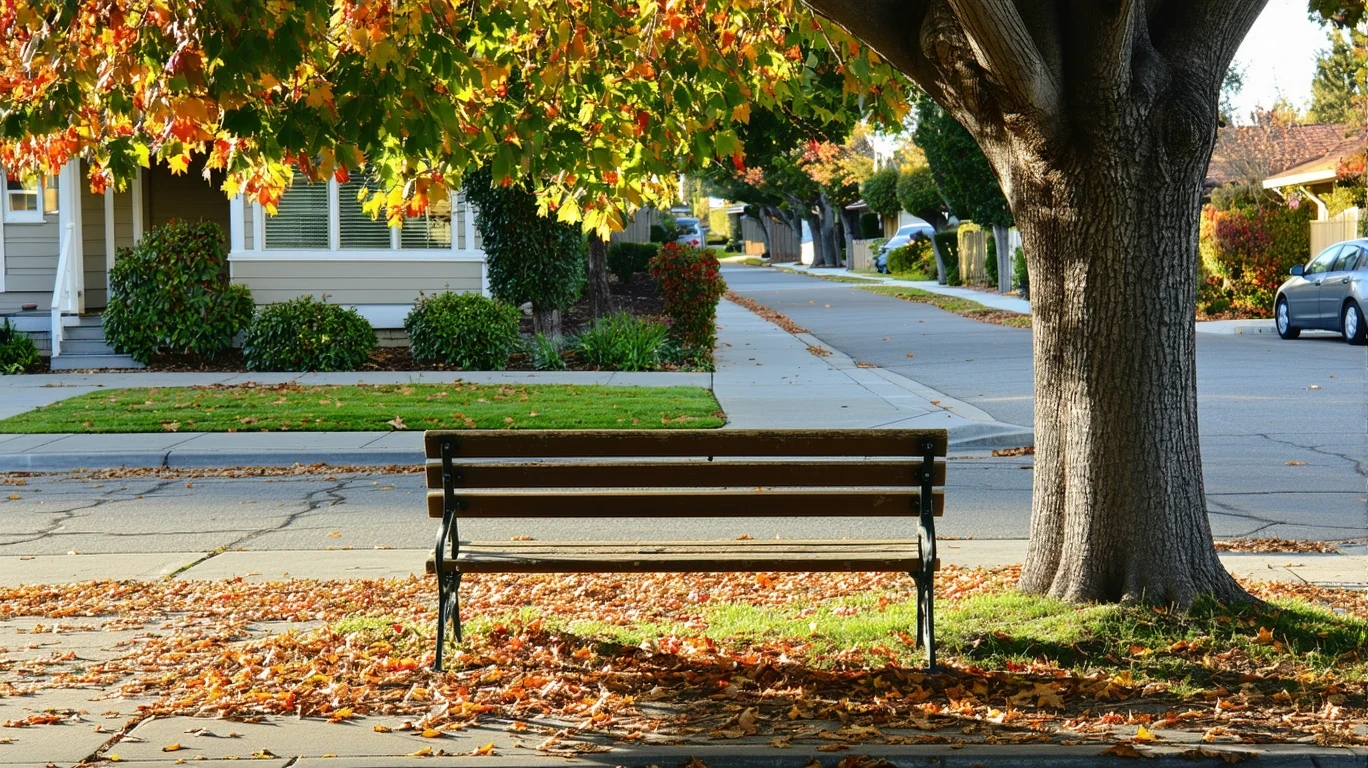
How People Get Around Gilroy
Gilroy is fundamentally a car-first city. Most residents drive for groceries, errands, school drop-offs, and social plans. The city’s layout reflects decades of suburban development: single-family neighborhoods spread across a broad footprint, commercial corridors designed for parking lots, and residential streets that don’t always connect directly to daily destinations. Even in areas where sidewalks and bike lanes are present, the distances involved and the separation between housing and services mean that driving remains the default for most households.
That said, Gilroy isn’t entirely car-dependent. Rail service connects the city to the broader Bay Area, and certain neighborhoods—particularly those near downtown—offer more walkable access to food, services, and transit. Cycling infrastructure is notably present, and for residents who live and work within specific corridors, a car-light lifestyle is possible. But these are pockets, not the norm. Newcomers often underestimate how much driving they’ll do, especially if they’re comparing Gilroy to denser Bay Area cities where transit and walkability are woven into daily life.
Public Transit Availability in Gilroy
Public transit in Gilroy centers around Caltrain, the commuter rail line that runs north through the Peninsula to San Francisco. The Gilroy Caltrain station serves as the southern terminus of the line, making it a viable option for residents who commute to San Jose, Palo Alto, or other Peninsula cities for work. For households anchored to a predictable weekday commute along the Caltrain corridor, rail service can reduce or eliminate daily driving.
Beyond rail, local bus service exists but plays a more limited role. Coverage tends to focus on key corridors and downtown areas, and service frequency and span—particularly evenings and weekends—can make transit impractical for households with variable schedules or multi-stop errands. Transit works best for residents who live near downtown, work along a transit-served route, and have flexibility to plan around service windows. It works poorly for families managing school runs, late shifts, or trips to dispersed suburban destinations.
Gilroy’s transit infrastructure reflects its role as a smaller city on the edge of a major metro area: enough connectivity to link into the regional network, but not enough internal coverage to replace driving for most daily needs.
Driving & Car Dependence Reality
For the majority of Gilroy residents, driving isn’t optional—it’s structural. Grocery stores, schools, medical appointments, and social plans are often spread across the city in ways that make transit impractical and walking infeasible. Parking is abundant and free in most areas, which removes one of the friction points that discourages driving in denser cities. Suburban neighborhoods are designed around the assumption that every household has at least one vehicle, and most have two.
Car dependence in Gilroy isn’t about preference; it’s about geography. The city’s layout prioritizes accessibility by car, and households without reliable vehicles face real constraints on where they can live, work, and access services. For families, retirees, and anyone managing complex schedules, driving provides the flexibility and predictability that transit can’t match here.
That dependence comes with exposure. Gas prices in Gilroy run $4.40 per gallon, and while that’s not unusual for California, it means that households driving significant distances—whether for commuting, errands, or both—face ongoing fuel costs that fluctuate with regional and national energy markets. Maintenance, insurance, and vehicle depreciation add to the baseline cost of car ownership, and for households stretching to afford housing, transportation becomes a secondary but unavoidable pressure.
Commuting Patterns & Daily Mobility
Commuting in Gilroy varies widely depending on where residents work. For those employed locally—in agriculture, retail, or service industries—commutes tend to be short and car-based. For those working in San Jose, the Peninsula, or deeper into Silicon Valley, commutes lengthen considerably, and the choice between driving and taking Caltrain becomes a daily tradeoff between time, cost, and convenience.
Rail commuters gain predictability and can avoid traffic congestion on Highway 101, but they’re also locked into fixed schedules and must solve the first-mile and last-mile problem on both ends. Driving offers more flexibility—especially for households managing multiple stops or variable hours—but exposes commuters to traffic, fuel costs, and the mental load of navigating congested corridors during peak hours.
For households with two working adults, commuting logistics can become complex. If one partner works locally and the other commutes north, the household may need two vehicles. If both commute in different directions or at different times, transit becomes impractical. These patterns shape where people choose to live, how much they’re willing to pay for proximity, and what a budget has to handle in terms of transportation exposure.
Who Transit Works For — and Who It Doesn’t
Transit in Gilroy works best for a specific subset of residents: those who live near downtown or within walking or biking distance of the Caltrain station, work along the Peninsula corridor, and maintain predictable weekday schedules. For these households—often younger professionals, couples without children, or individuals willing to structure their lives around transit—Caltrain offers a real alternative to daily driving.
Transit works poorly for families with school-age children, households managing multiple jobs or shifts, residents living in suburban neighborhoods far from rail or bus lines, and anyone whose daily routine involves dispersed errands or off-peak travel. For these groups, the time cost and logistical friction of transit outweigh any savings, and car ownership becomes non-negotiable.
Renters living in downtown areas or near the station have the best shot at reducing car dependence, but even then, most still own vehicles for weekend trips, grocery runs, and errands that fall outside transit coverage. Homeowners in suburban neighborhoods—where most of Gilroy’s housing stock sits—are almost universally car-dependent, regardless of income or preference.
Transportation Tradeoffs in Gilroy
Choosing between transit and driving in Gilroy isn’t about which is cheaper—it’s about which aligns with your daily reality. Transit offers predictability, eliminates parking stress, and reduces exposure to fuel price swings, but it requires proximity to service, tolerance for fixed schedules, and acceptance of limited coverage. Driving offers flexibility, control, and access to the entire city, but it locks households into ongoing fuel, maintenance, and insurance costs, plus the time burden of navigating traffic.
For most Gilroy households, the tradeoff isn’t binary. Many residents drive most of the time but use Caltrain for specific commutes. Others bike for errands close to home but drive for everything else. The key is recognizing that transportation in Gilroy is less about optimizing a single mode and more about managing the friction and exposure that come with living in a car-oriented city on the edge of a transit-rich region.
FAQs About Transportation in Gilroy (2026)
Is public transit usable for daily commuting in Gilroy?
It depends on where you’re commuting. Caltrain provides reliable service north to San Jose and the Peninsula, making it a strong option for weekday commuters working along that corridor. For local jobs or destinations not served by rail, transit becomes much less practical, and most residents default to driving.
Do most people in Gilroy rely on a car?
Yes. The vast majority of Gilroy residents drive for daily errands, work, and family logistics. Even households with access to transit typically own at least one vehicle for trips that fall outside rail or bus coverage.
Which areas of Gilroy are easiest to live in without a car?
Neighborhoods near downtown and within walking or biking distance of the Caltrain station offer the best chance of reducing car dependence. These areas tend to have better access to groceries, services, and transit, though even here, most residents still own vehicles.
How does commuting in Gilroy compare to nearby cities?
Gilroy sits farther south than most Bay Area suburbs, which means longer commutes for residents working in Silicon Valley or San Francisco. Compared to cities like Morgan Hill or San Jose, Gilroy offers lower housing costs but higher time and distance burdens for northbound commuters.
Can you bike for errands in Gilroy?
In certain areas, yes. Cycling infrastructure is notably present, and residents living near downtown or along key corridors can bike for some errands. But the city’s overall layout and distances make biking impractical as a primary mode for most households.
How Transportation Fits Into the Cost of Living in Gilroy
Transportation in Gilroy isn’t just a line item—it’s a structural factor that shapes where you can afford to live, how much time you spend commuting, and how much flexibility you have in daily life. Households that can reduce driving through proximity to transit or work save not only on fuel and maintenance but also on the mental load of managing traffic and parking. Those who can’t face ongoing exposure to gas prices, vehicle costs, and the time burden of car dependence.
For most residents, transportation costs sit quietly in the background, absorbed month after month without much scrutiny. But for households stretching to afford Gilroy’s housing market, transportation can tip the balance between manageable and strained. Understanding how mobility works here—and who it works for—helps clarify whether Gilroy’s tradeoffs align with your daily reality.
How this article was built: In addition to public economic data, this article incorporates location-based experiential signals derived from anonymized geographic patterns—such as access density, walkability, and land-use mix—to reflect how day-to-day living actually feels in Gilroy, CA.
—