
Deciding whether to rent or buy in Gastonia means understanding how housing costs behave in a car-oriented suburb with direct rail access to Charlotte. The median home value of $219,700 makes ownership accessible for many households, while median rent of $1,075 per month offers predictability without long-term exposure. But the choice isn’t just about the monthly number—it’s about which costs you control, which ones grow over time, and how Gastonia’s infrastructure shapes the logistics of daily life.
This article explains housing cost structure and tradeoffs in Gastonia, including rent, ownership, taxes, and long-term exposure. It’s designed to help you decide whether renting or buying fits this market, which housing costs are predictable versus volatile, and how local conditions change the cost experience over time.
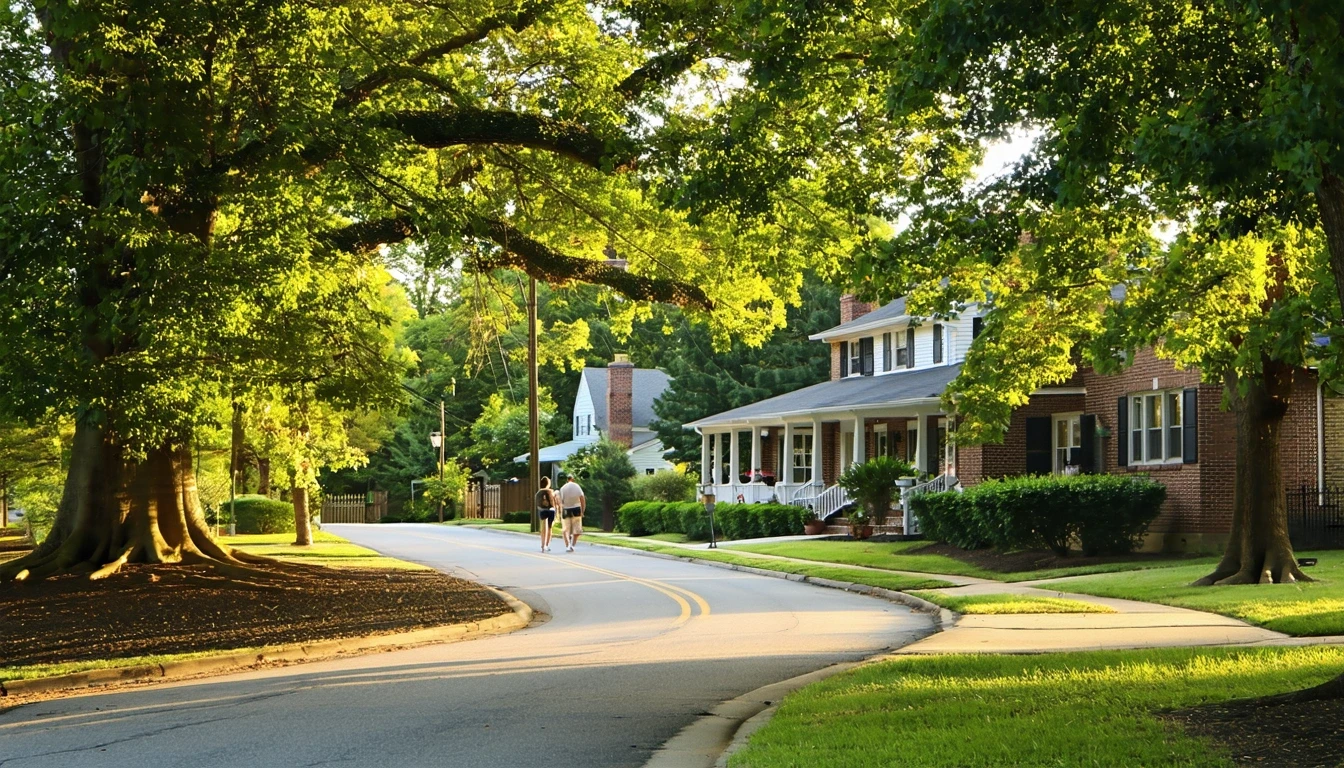
The Housing Market in Gastonia Today
Gastonia’s housing market reflects its role as a commuter suburb within the Charlotte metro area. The presence of rail transit creates access to regional employment without requiring a Charlotte address, which shapes demand for both rental and ownership housing. At $219,700, the median home value sits well below Charlotte’s core, making Gastonia attractive to first-time buyers and families seeking more space per dollar.
But accessibility doesn’t mean simplicity. Gastonia’s car-oriented texture—pedestrian infrastructure below low thresholds and errands clustered along corridors rather than distributed—means that housing location determines not just commute time but also daily logistics friction. Neighborhoods near rail stations offer regional mobility, but most daily errands still require a car. This creates a split: buyers prioritizing Charlotte access may accept car dependency locally, while renters seeking walkable convenience will find limited options.
Newcomers often underestimate how much car dependency affects housing decisions here. Even with rail transit present, the infrastructure for walking to groceries, schools, or parks is sparse. That means ownership in Gastonia includes not just the home itself but also the vehicle costs and time required to make the home functional.
Renting in Gastonia
At $1,075 per month, median gross rent in Gastonia provides a predictable monthly obligation without exposure to property taxes, maintenance, or long-term capital risk. For households prioritizing flexibility or uncertain about staying in the region, renting removes the friction of selling a home if circumstances change.
Rental availability in Gastonia is shaped by the city’s development patterns. Food and grocery access is corridor-clustered, meaning renters in certain areas will find errands manageable by car, while others face longer trips. Park density is moderate, and family infrastructure—schools and playgrounds—exists but isn’t uniformly distributed. Renters with children should evaluate proximity to schools carefully, as car dependency makes school runs a daily logistical task.
Rental pressure in Gastonia is moderate but tied to Charlotte’s broader market. When regional demand rises, Gastonia absorbs overflow from higher-cost areas, which can tighten availability and push rents upward. Renters should expect lease renewals to reflect regional trends, not just local conditions. The tradeoff is that Gastonia’s rent remains lower than Charlotte’s core, but the cost savings come with reduced walkability and increased reliance on personal vehicles.
Owning a Home in Gastonia
Ownership in Gastonia at $219,700 median home value is attainable for households near the city’s median income of $58,047 per year, but the purchase price is only the beginning. Property taxes, insurance, maintenance, and utilities create ongoing exposure that renters avoid. Unlike rent, these costs don’t stay fixed—they respond to local government budgets, weather events, housing age, and market conditions.
Property taxes in North Carolina are set at the county level, and Gaston County’s rates determine a significant portion of annual ownership cost. Taxes can rise with reassessments or budget changes, and unlike rent, there’s no lease term to lock in predictability. Homeowners should expect tax exposure to grow over time, though the pace depends on county policy and regional growth.
Maintenance exposure in Gastonia is shaped by the region’s climate—hot, humid summers and mild winters. Air conditioning dominates summer utility bills, and HVAC systems face heavy seasonal use. Older housing stock, common in parts of Gastonia, increases the likelihood of repair needs. Roofs, siding, and foundations endure heat and humidity stress, and deferred maintenance compounds quickly. Buyers should evaluate a home’s age and condition carefully, as maintenance costs are less predictable than mortgage payments.
Homeowners associations exist in some Gastonia neighborhoods, particularly newer developments. HOA fees bundle services like landscaping or amenity access, but they also introduce governance and fee volatility. Buyers should confirm whether an HOA is present and review its financial health and rule structure before committing.
Apartment vs House in Gastonia — Cost Behavior Comparison
The choice between an apartment and a house in Gastonia isn’t just about space—it’s about which costs you take on and how much control you want over your living environment. The table below highlights cost categories where the difference is meaningful in Gastonia, shaped by the city’s car-oriented infrastructure, climate, and housing stock.
| Expense Category | Apartment | House |
|---|---|---|
| Cooling Costs | Lower—smaller square footage and shared walls reduce cooling load | Higher—larger square footage and exposure on all sides increase summer AC demand |
| Maintenance Responsibility | Landlord handles HVAC, roof, exterior repairs | Owner absorbs all repair costs and timing risk |
| Parking & Vehicle Dependency | Parking typically included, but car still required for most errands | Driveway/garage included, car dependency identical |
| Yard & Exterior Upkeep | None—handled by property management | Ongoing—mowing, landscaping, seasonal cleanup required |
| Proximity to Transit | Some apartments near rail stations, reducing Charlotte commute friction | Houses more dispersed, often farther from rail access |
Why these categories? Gastonia’s hot, humid summers make cooling costs a dominant seasonal expense, and the difference in square footage between apartments and houses directly affects utility exposure. Car dependency is universal here due to low pedestrian infrastructure, so vehicle costs don’t vary by housing type—but proximity to rail transit does vary by location, and apartments near stations offer an advantage for regional commuters. Maintenance and yard upkeep reflect ownership structure, not city-specific conditions, but they’re included because housing age and climate stress in Gastonia make these exposures more significant than in milder or newer markets.
Categories like water, trash, or internet were omitted because they don’t vary meaningfully by housing type in Gastonia—most are billed separately or bundled similarly across apartments and houses.
Utilities & Upkeep Differences
Utility exposure in Gastonia is shaped by the region’s extended cooling season. At 14.64¢/kWh, electricity costs are moderate, but summer air conditioning demand is substantial. Houses, with larger square footage and full exterior exposure, face higher cooling bills than apartments with shared walls and smaller footprints. Renters in apartments typically see lower seasonal swings, while homeowners should expect summer utility bills to dominate annual energy costs.
Natural gas, priced at $20.48/MCF, is less central to Gastonia’s cost structure than electricity. Winters are mild, so heating exposure is minor compared to cooling. Homes with gas heat or water heaters will see modest winter bills, but the seasonal impact is far smaller than summer AC costs.
Upkeep differences between apartments and houses in Gastonia are driven by climate and housing age. Older single-family homes—common in many neighborhoods—require more frequent HVAC maintenance, roof inspections, and exterior repairs due to heat and humidity stress. Apartment renters avoid these costs entirely, as landlords handle repairs. Homeowners should budget for HVAC servicing, gutter cleaning, and exterior paint or siding maintenance on a shorter cycle than in drier or cooler climates.
Yard maintenance is a year-round task for homeowners. Gastonia’s growing season is long, and mowing, trimming, and landscaping are recurring obligations. Apartment renters face none of this, which reduces both cost and time burden. For households weighing housing types, the difference in upkeep isn’t just financial—it’s a question of how much time and attention you’re willing to dedicate to property management.
Rent vs Buy: Long-Term Exposure in Gastonia
The rent-versus-buy decision in Gastonia is fundamentally about exposure and control. Renters lock in monthly costs for the lease term, avoiding property tax increases, maintenance surprises, and capital risk. But they also give up control over housing stability, as lease renewals can bring rent increases tied to regional demand from Charlotte’s market. Renters face displacement risk if landlords sell or convert properties, and they build no equity.
Homeowners gain control and equity accumulation, but they take on volatility. Property taxes can rise with county reassessments or budget changes. Maintenance costs are unpredictable—HVAC failures, roof leaks, and foundation issues don’t follow a schedule. Insurance premiums respond to regional weather patterns and market conditions. Over time, these costs compound, and unlike rent, they don’t stay fixed.
In Gastonia, ownership makes sense for households planning to stay long enough to absorb transaction costs and weather short-term market fluctuations. The median home value of $219,700 is accessible, but the ongoing costs—taxes, insurance, maintenance, utilities—require financial margin. Buyers should expect cooling costs to dominate summers, maintenance needs to arise unpredictably, and property taxes to grow over time.
Renters in Gastonia trade long-term equity for short-term predictability and flexibility. For households uncertain about staying in the region, or those prioritizing liquidity over ownership, renting removes the friction of selling a home if circumstances change. The tradeoff is that rent increases are likely over time, and renters remain exposed to landlord decisions about property use and lease terms.
Neither path is universally better. The right choice depends on how long you plan to stay, how much financial margin you have for unexpected costs, and whether you value control and equity over flexibility and predictability.
FAQs About Housing Costs in Gastonia
Is $1,075 per month typical for rent in Gastonia, NC?
$1,075 per month is the median gross rent in Gastonia, meaning half of renters pay more and half pay less. Actual rent depends on location, unit size, and proximity to rail transit. Apartments near rail stations or in newer developments typically cost more, while older units farther from transit cost less.
How does Gastonia’s $219,700 median home value compare to nearby areas?
Gastonia’s median home value is lower than Charlotte’s core, reflecting its role as a commuter suburb. Buyers gain more space per dollar but take on car dependency for most daily errands. The tradeoff is accessibility to Charlotte via rail transit without paying Charlotte housing prices.
What drives utility costs for homeowners in Gastonia, NC?
Cooling costs dominate due to Gastonia’s hot, humid summers. At 14.64¢/kWh, electricity is the primary utility expense, and air conditioning runs heavily from late spring through early fall. Larger homes face higher bills due to increased square footage and full exterior exposure.
Do most neighborhoods in Gastonia, NC have HOAs?
HOAs are common in newer developments but less prevalent in older neighborhoods. Buyers should confirm HOA presence and review fee structure, rules, and financial health before purchasing. HOA fees add ongoing costs but may bundle services like landscaping or amenity access.
Is it better to rent or buy in Gastonia, NC for someone commuting to Charlotte?
Both options work, but the choice depends on how long you plan to stay and how much financial margin you have. Ownership builds equity and provides control, but it requires absorbing property taxes, maintenance, and capital risk. Renting offers flexibility and predictability, but you remain exposed to lease renewal increases and landlord decisions. Rail transit access makes Gastonia viable for Charlotte commuters in either case, but car dependency for local errands is universal.
Making Housing Choices in Gastonia
Housing costs in Gastonia reflect the city’s position as a car-oriented suburb with rail access to Charlotte. At $219,700 median home value and $1,075 median rent, both ownership and renting are accessible, but the right choice depends on your timeline, financial margin, and tolerance for cost volatility.
Ownership in Gastonia means taking on property taxes, maintenance, and utility exposure that grows over time. Cooling costs dominate summers, and older housing stock increases repair risk. But ownership also provides control, stability, and equity accumulation for households planning to stay long enough to absorb transaction costs and weather market fluctuations.
Renting offers predictability and flexibility, avoiding the capital risk and maintenance burden of ownership. But renters remain exposed to lease renewal increases tied to Charlotte’s regional market, and they build no equity. For households uncertain about staying in the region or prioritizing liquidity, renting removes the friction of selling a home if circumstances change.
Gastonia’s car-oriented infrastructure shapes both paths. Errands are corridor-clustered, pedestrian infrastructure is sparse, and daily logistics require a vehicle regardless of housing type. Families will rely on cars for school runs, grocery trips, and park access, even with moderate family infrastructure present. Rail transit provides Charlotte access, but local walkability is limited.
The decision comes down to exposure and control. Renters trade equity for flexibility. Owners trade predictability for long-term stability. Both paths work in Gastonia, but the right fit depends on how you value control, how much margin you have for unexpected costs, and how long you plan to stay.
For a broader look at cost structure and how housing fits into overall expenses, or to understand how monthly budgets are shaped by housing and other obligations, IndexYard provides additional context. And if you’re planning a move, understanding moving company costs and options can help reduce friction during the transition.
How this article was built: In addition to public economic data, this article incorporates location-based experiential signals derived from anonymized geographic patterns—such as access density, walkability, and land-use mix—to reflect how day-to-day living actually feels in Gastonia, NC.