
Garden Grove’s housing market sits at the intersection of Orange County’s regional pressure and its own established suburban character. The median home value of $702,600 and median gross rent of $1,887 per month reflect a market where both ownership and renting demand substantial income commitment. For households earning the median income of $86,139 per year, housing costs dominate the budget before utilities, transportation, or discretionary spending enter the picture. What distinguishes Garden Grove from other Orange County cities is not the price level alone, but how the city’s infrastructure—walkable pockets, rail transit, and high grocery density—creates meaningful variation in the total cost of living depending on where you settle within the city.
Understanding the real cost pressures in Garden Grove requires looking beyond the sticker price of rent or a mortgage payment. Ownership in Garden Grove locks in principal but exposes households to property tax reassessment, maintenance tied to California’s moderate climate and aging housing stock, and utility costs driven by electricity rates of 34.71¢/kWh. Renters face different volatility: lease renewals can shift costs unpredictably, but they avoid the capital requirement and long-term maintenance exposure that ownership demands. The choice between renting and buying is not just about affordability—it’s about which risks you’re willing to manage and how your housing location shapes daily logistics.
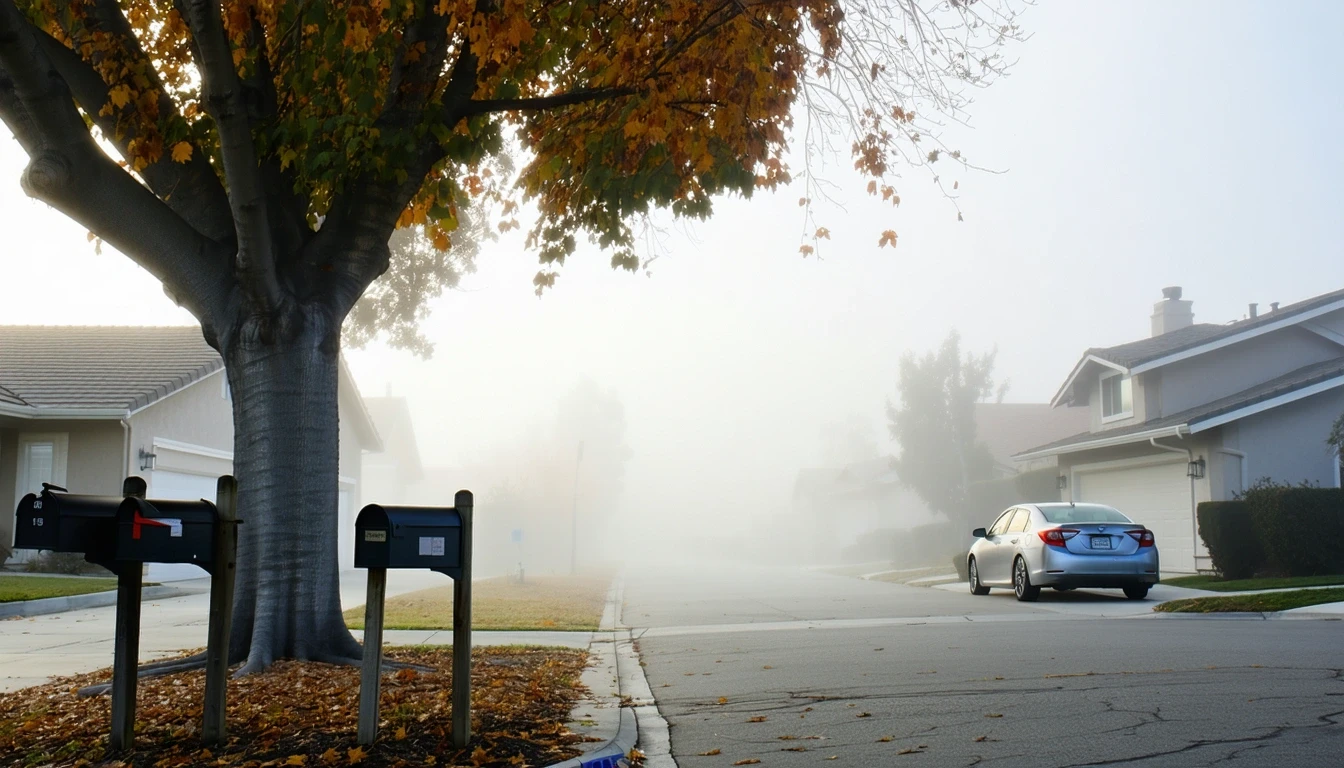
The Housing Market in Garden Grove Today
Garden Grove’s housing market is shaped by its role as an established suburban city within Orange County, where housing demand is driven by proximity to employment centers, transit access, and family infrastructure. The city’s mixed building heights and land use patterns—both residential and commercial—create neighborhoods with varied housing stock, from single-family homes to multi-unit complexes. This diversity means that housing costs and living experiences vary significantly depending on location within the city.
What newcomers often misunderstand is that Garden Grove is not a uniform suburb. The presence of rail transit and walkable pockets means that proximity to these features changes the cost equation: households near transit corridors and high-density grocery areas can reduce car dependency, lowering transportation and time costs. Conversely, areas farther from these amenities require more driving, which amplifies the impact of $5.16-per-gallon gas and longer commutes. The city’s 47.8% long-commute percentage suggests that many residents work outside Garden Grove, making housing location a critical factor in total cost exposure.
The regional housing pressure in Orange County keeps both rental and ownership markets tight. Garden Grove’s median home value of $702,600 is not an outlier in the region, but it represents a steep entry threshold for first-time buyers, particularly those earning near the median household income. Renters face similar constraints: $1,887 per month in gross rent consumes a significant share of median income, leaving less room for savings, transportation, or discretionary spending. The market does not offer easy answers, but it does offer choices—if you understand how location, housing type, and infrastructure access interact.
Renting in Garden Grove
Renting in Garden Grove means navigating a market where demand is sustained by regional employment patterns, family infrastructure, and transit access. The median gross rent of $1,887 per month reflects the cost of securing housing in a city with strong schools, playgrounds, integrated park access, and rail transit service. For households earning the median income, this rent figure represents a substantial monthly commitment, but it avoids the capital requirement and long-term maintenance exposure that ownership demands.
Rental pressure in Garden Grove is not uniform. Proximity to walkable corridors, transit stations, and high-density grocery areas increases rental demand because these features reduce the friction of daily errands and commuting. Renters who prioritize car-light living will find that location within Garden Grove matters more than in cities where car dependency is universal. Conversely, renters in areas farther from transit and walkable infrastructure face higher transportation costs and longer commutes, which can offset any savings from lower rent.
Lease renewals introduce volatility that renters must anticipate. While the initial rent may fit a household budget, renewal increases can shift the cost structure unpredictably, particularly in a tight regional market. Renters in Garden Grove should expect that housing costs will fluctuate over time, and they should plan for the possibility that staying in place may require renegotiation or relocation. The trade-off is flexibility: renters can move to adjust their cost exposure, while owners are locked into property taxes, maintenance, and market conditions.
Owning a Home in Garden Grove
Owning a home in Garden Grove requires clearing a high entry threshold—$702,600 is the median home value—but it provides stability in principal payments and control over housing decisions. Ownership shifts cost exposure from rent volatility to property taxes, maintenance, insurance, and utility variability. In California, property taxes are governed by Proposition 13, which limits annual increases on assessed value but allows reassessment upon sale. This means that new buyers face higher tax bills than long-term owners, and the initial tax burden reflects the purchase price rather than historical value.
Maintenance exposure in Garden Grove is shaped by the city’s moderate climate and the age of its housing stock. While the region avoids the extreme heating and cooling costs of desert or mountain climates, electricity rates of 34.71¢/kWh mean that air conditioning during warm months and any electric heating or appliance use add up quickly. Older homes may require updates to insulation, HVAC systems, or windows to manage utility costs effectively. Homeowners also face the cost of exterior upkeep, landscaping, and repairs that renters typically avoid.
Ownership in Garden Grove also means navigating governance structures that vary by neighborhood. Some communities have homeowners associations (HOAs) that bundle services like landscaping, exterior maintenance, or shared amenities, while others leave these responsibilities entirely to the homeowner. HOA fees, when present, add a recurring cost that behaves like rent in its predictability but cannot be avoided. Homeowners should verify governance structures before purchase, as they shape both cost exposure and autonomy.
The long-term ownership experience in Garden Grove is defined by predictability in principal payments and exposure to tax, maintenance, and utility variability. Homeowners gain equity over time, but they also absorb the cost of market downturns, deferred maintenance, and regulatory changes. For households planning to stay in Garden Grove for many years, ownership provides stability and control. For those uncertain about long-term plans, renting preserves flexibility and avoids the capital and maintenance risks that ownership demands.
Apartment vs House in Garden Grove — Cost Behavior Comparison
| Expense Category | Apartment | House |
|---|---|---|
| Cooling Costs | Lower exposure; shared walls reduce heat gain; smaller square footage limits AC load | Higher exposure; standalone structure absorbs more heat; larger square footage increases AC runtime during warm months |
| Exterior Maintenance | Typically covered by landlord or HOA; tenant avoids cost and labor | Homeowner responsibility; includes roof, siding, landscaping, and irrigation in a climate with dry summers |
| Parking & Storage | Often limited or assigned; may incur additional fees for covered or extra spaces | Typically includes garage or driveway; more flexibility for vehicles, tools, and storage |
| Commute Flexibility | More likely to be near walkable corridors, transit, and high-density errands; reduces car dependency | More variable; location determines whether transit and walkable infrastructure are accessible or if car dependency is required |
Methodology note: The differences shown reflect Garden Grove’s climate (moderate but warm enough to drive cooling costs), housing stock (mix of multi-unit and single-family), and infrastructure patterns (walkable pockets and rail transit create location-dependent cost exposure). Categories like water, trash, and basic utilities were omitted because they do not vary meaningfully between apartment and house formats in this city—both are typically billed separately and depend more on household behavior than housing type.
Utilities & Upkeep Differences
Utility and maintenance costs in Garden Grove are shaped by the city’s moderate climate, high electricity rates, and the age and type of housing stock. While the region avoids extreme heating or cooling seasons, warm months still drive noticeable air conditioning use, and electricity at 34.71¢/kWh means that cooling costs accumulate quickly in larger or poorly insulated homes. Apartments benefit from shared walls and smaller square footage, which reduce heat gain and limit AC runtime. Houses, particularly older single-family homes, absorb more heat and require more energy to maintain comfortable indoor temperatures.
Natural gas, priced at $23.78 per MCF, is less dominant in Garden Grove’s cost structure than in colder climates, but it still powers water heating, cooking, and any gas-based heating systems. Households in apartments often have smaller water heaters and less square footage to heat, which keeps gas usage lower. Homeowners with larger water heaters, pools, or gas fireplaces face higher baseline consumption, and older equipment can drive costs further if efficiency has degraded over time.
Maintenance exposure differs sharply between apartments and houses. Apartment dwellers typically avoid exterior upkeep, landscaping, and major repairs, as these are handled by landlords or HOAs. Homeowners in Garden Grove must manage roof maintenance, exterior painting, irrigation systems, and landscaping in a climate with dry summers that stress vegetation and increase water use. Older homes may also require updates to windows, insulation, or HVAC systems to manage utility costs effectively. These are not annual expenses, but they represent recurring exposure that renters avoid entirely.
The interaction between housing type and location also matters. Apartments near walkable corridors and transit reduce the need for frequent driving, which lowers transportation costs and offsets some of the rent premium. Houses in less accessible areas require more driving, which amplifies the impact of $5.16-per-gallon gas and longer commutes. The total cost of utilities and upkeep in Garden Grove depends not just on housing type, but on how location shapes daily logistics and resource consumption.
Rent vs Buy: Long-Term Exposure in Garden Grove
The choice between renting and buying in Garden Grove is a choice between different risk profiles, not a simple calculation of which costs less. Renting preserves flexibility and avoids the capital requirement of ownership, but it exposes households to lease renewal volatility and offers no equity accumulation. Buying locks in principal payments and builds equity over time, but it requires substantial upfront capital and exposes households to property tax reassessment, maintenance, and utility variability.
Over time, renters in Garden Grove face the risk that lease renewals will outpace income growth, particularly in a tight regional market. Rent increases are unpredictable and can force relocation or budget reallocation. However, renters avoid the cost of deferred maintenance, property tax increases, and the risk that home values stagnate or decline. For households uncertain about long-term plans or unwilling to commit capital, renting offers a lower-risk path with more exit options.
Homeowners in Garden Grove gain predictability in principal payments, but they absorb the cost of property tax reassessment upon purchase, ongoing maintenance, and utility exposure tied to housing size and age. Ownership also introduces governance and regulatory exposure: HOA rules, local ordinances, and state housing policies can change the cost structure or limit autonomy. For households planning to stay in Garden Grove for many years, ownership provides stability and the opportunity to build equity. For those with shorter time horizons, the capital requirement and maintenance exposure may outweigh the benefits.
The long-term cost comparison also depends on how housing location shapes daily logistics. Homeowners in walkable areas near transit and high-density errands reduce transportation costs and time spent commuting, which offsets some of the higher cost of ownership. Renters in less accessible areas face higher transportation costs, which can erode the savings from lower rent. The decision to rent or buy in Garden Grove should account for how location, household priorities, and risk tolerance interact over time.
FAQs About Housing Costs in Garden Grove
How much income do I need to rent in Garden Grove?
At $1,887 per month in median gross rent, a household would need to earn at least $75,480 annually to keep rent at 30% of gross income, a common affordability guideline. Median household income in Garden Grove is $86,139, which suggests that many renters are spending a significant share of income on housing. Households earning below the median may need to prioritize location near transit and walkable infrastructure to reduce transportation costs, or consider shared housing to lower per-person rent exposure.
What drives property taxes for homeowners in Garden Grove?
California’s Proposition 13 limits annual property tax increases to 2% for existing owners, but reassesses the property at market value upon sale. This means new buyers in Garden Grove face property taxes based on the purchase price, which at a median home value of $702,600 results in a higher initial tax bill than long-term owners pay. Property taxes are a recurring cost that increases over time, though more slowly than in states without assessment caps. Homeowners should plan for this exposure as part of the long-term cost structure.
Are utilities higher in apartments or houses in Garden Grove?
Houses in Garden Grove typically face higher utility costs due to larger square footage, standalone construction that absorbs more heat, and greater cooling load during warm months. Electricity at 34.71¢/kWh means that air conditioning and appliance use add up quickly in larger homes. Apartments benefit from shared walls, smaller square footage, and lower cooling demand, which keeps electricity and gas usage lower. However, individual household behavior—thermostat settings, appliance efficiency, and occupancy—can shift costs significantly within either housing type.
Does living near transit in Garden Grove reduce housing costs?
Living near rail transit and walkable corridors in Garden Grove does not reduce rent or home prices—in fact, proximity to these features often increases housing costs due to higher demand. However, it reduces transportation costs and time spent commuting, which can offset the higher rent or mortgage payment. Households that prioritize car-light living will find that location near transit, high-density grocery areas, and walkable infrastructure lowers the total cost of living by reducing gas, maintenance, and vehicle depreciation. The trade-off is higher housing cost for lower transportation friction.
How does Garden Grove’s housing market compare to nearby Orange County cities?
Garden Grove’s median home value of $702,600 and median gross rent of $1,887 per month place it within the broader Orange County housing market, where regional demand keeps prices elevated. What distinguishes Garden Grove is its mix of walkable pockets, rail transit, and strong family infrastructure, which create variation in cost exposure depending on location within the city. Households comparing Garden Grove to nearby cities should consider not just the sticker price of housing, but how infrastructure access, commute patterns, and daily logistics shape the total cost of living.
Making Housing Choices in Garden Grove
Housing costs in Garden Grove are shaped by regional pressure, local infrastructure, and the trade-offs between renting and owning. The median home value of $702,600 and median gross rent of $1,887 per month demand substantial income commitment, but the city’s walkable pockets, rail transit, and high grocery density create opportunities to reduce transportation and errand friction for households who prioritize location. Ownership provides stability and equity accumulation but exposes households to property taxes, maintenance, and utility variability. Renting preserves flexibility and avoids capital requirements but introduces lease renewal volatility and no equity growth.
The decision to rent or buy in Garden Grove depends on how long you plan to stay, how much capital you can commit, and which risks you’re willing to manage. Families with school-age children benefit from the city’s strong school and playground infrastructure, but they must weigh the cost of ownership against the flexibility of renting. Commuters should consider how housing location affects transportation costs and time, as proximity to transit and walkable corridors can offset higher housing costs. For more insight into your monthly budget in Garden Grove, including how housing interacts with utilities, transportation, and daily expenses, see the full budget breakdown.
Garden Grove’s housing market does not offer easy answers, but it offers choices. Understanding how housing type, location, and infrastructure access interact allows households to make decisions that fit their priorities, income, and risk tolerance. The cost of housing in Garden Grove is not just the rent or mortgage payment—it’s the total exposure to taxes, maintenance, utilities, and transportation that housing location creates. If you’re planning a move to Garden Grove, consult the best moving companies guide to manage logistics and costs effectively.
How this article was built: In addition to public economic data, this article incorporates location-based experiential signals derived from anonymized geographic patterns—such as access density, walkability, and land-use mix—to reflect how day-to-day living actually feels in Garden Grove, CA.