
Before you sign a lease or close on a home in Gallatin, make sure you’ve accounted for the utilities that don’t show up on the listing: electricity that spikes in July, natural gas that climbs in January, water that’s billed in tiers, and trash service that may or may not be bundled. These aren’t afterthoughts—they’re the second-largest line item in most household budgets, and they behave differently depending on where you live and how your home is built.
Understanding Utilities in Gallatin
When people talk about the utilities cost in Gallatin, they’re usually referring to the monthly services that keep a home functional: electricity, water, natural gas, and trash collection. These aren’t discretionary expenses—they’re structural costs that every household has to manage, whether you’re renting a one-bedroom apartment or owning a four-bedroom house on the edge of town. Unlike rent or a mortgage, utility bills fluctuate based on usage, season, and the efficiency of your home, which means they require active planning rather than passive budgeting.
For renters, utilities are often billed separately, though some apartment complexes bundle water, trash, or even basic cable into the lease. For homeowners, every utility is typically a direct responsibility, and the variability can be significant—especially during peak cooling months in summer or heating months in winter. Understanding how these costs behave in Gallatin helps you avoid surprises and build a realistic monthly budget that accounts for seasonal swings and household-specific usage patterns.
Gallatin sits in a climate zone where summers are hot and humid, and winters are mild to cool. That means electricity dominates utility exposure during the warmer months, while natural gas or electric heating drives costs up in the colder months. Water and trash are more stable, but they’re not trivial—especially in single-family homes where outdoor irrigation, larger households, or tiered pricing structures can push bills higher than expected. For newcomers, the key is recognizing that utility costs here aren’t fixed—they’re seasonal, usage-sensitive, and shaped by how your home is built and maintained.
Utilities at a Glance in Gallatin
The table below shows how core utility costs typically behave for a mid-size household in a single-family home in Gallatin. Where city-level prices are available in the data feed, they are shown directly. When exact figures are not provided, categories are described qualitatively to reflect how costs are structured and what drives variability.
| Utility | Cost Structure |
|---|---|
| Electricity | 13.47¢/kWh; usage-sensitive, cooling-dominant in summer |
| Water | Tiered pricing; usage-dependent, varies by household size |
| Natural Gas | $13.18/MCF; winter-driven, heating-dependent |
| Trash & Recycling | Often bundled with water or HOA; stable monthly fee |
| Total | Seasonal variability driven by electricity and heating |
This table reflects utility cost structure for a mid-size household in a single-family home in Gallatin during 2026. Where exact figures are not provided in the IndexYard data feed, categories are described directionally to reflect how costs behave rather than a receipt-accurate total.
Electricity is billed per kilowatt-hour in Gallatin, and it’s the most exposure-sensitive utility in the city. During peak summer months, when air conditioning runs for extended periods to counter heat and humidity, usage can climb significantly. Homes with older HVAC systems, poor insulation, or large square footage will see the most pronounced seasonal swings. The rate itself is moderate, but the volume of usage during cooling season is what drives the bill up.
Water in Gallatin is typically billed on a tiered structure, meaning the more you use, the higher the per-unit cost becomes. For single-family homes with lawns, gardens, or pools, summer irrigation can push usage into higher tiers. Apartments and smaller households generally stay in the lower tiers, keeping water costs more predictable. Water is often bundled with sewer and stormwater fees, so the line item on your bill may be larger than the water usage alone.
Natural gas is primarily a winter utility in Gallatin, used for heating, water heaters, and sometimes cooking or clothes drying. Homes with gas furnaces will see the most noticeable seasonal increase during colder months, though Tennessee winters are generally mild compared to northern states. If your home uses electric heating instead, that cost will show up in your electricity bill rather than natural gas.
Trash and recycling services in Gallatin are often bundled with water bills or included in HOA fees, depending on the neighborhood. For standalone single-family homes outside of an HOA, trash service may be billed separately by the city or a private provider. Either way, this is one of the most stable utility costs—it doesn’t fluctuate with usage or season, and it’s typically a fixed monthly fee.
Electricity is typically the most exposure-sensitive utility in Gallatin, driven more by climate and home efficiency than by base rates.
How Weather Impacts Utilities in Gallatin
Gallatin’s climate plays a direct role in shaping utility costs throughout the year. Summers are hot and humid, with extended stretches of heat that push air conditioning systems into near-constant operation. Unlike dry heat, which cools down at night, humidity keeps indoor temperatures elevated even after sunset, meaning HVAC systems work harder and longer to maintain comfort. For households in older homes or units without modern insulation, summer electricity bills can be noticeably higher than spring or fall months.
Winters in Gallatin are mild to cool, with occasional cold snaps that require heating but rarely the sustained freezing temperatures seen in northern states. Natural gas furnaces are common, and they’ll drive up gas bills during December, January, and February. Homes that rely on electric heating—such as heat pumps or baseboard systems—will see that cost reflected in their electricity usage instead. The seasonal swing is less dramatic than summer cooling, but it’s still a meaningful part of the annual utility cycle.
One regional quirk worth noting: Gallatin sits in a part of Tennessee where spring and fall are relatively mild, offering natural relief from both heating and cooling costs. These shoulder seasons are when utility bills tend to stabilize, giving households a break from the extremes of summer and winter. Many Gallatin residents experience noticeably higher electric bills during peak summer compared to spring, and that pattern repeats in reverse during the winter heating months. Planning for these swings—rather than treating utilities as a fixed monthly cost—is key to managing what a budget has to handle in Gallatin.
How to Save on Utilities in Gallatin
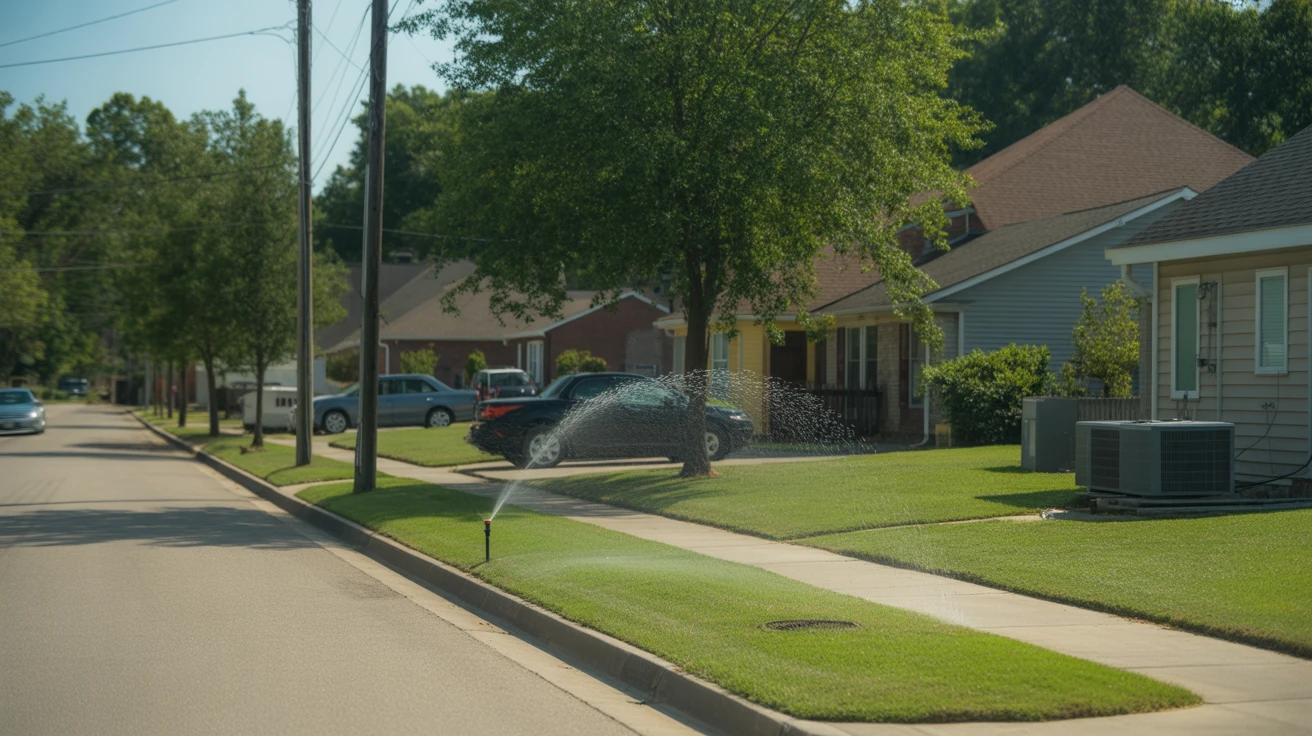
Reducing utility costs in Gallatin starts with understanding what drives your bills in the first place. Electricity is the biggest lever for most households, especially during summer, so focusing on cooling efficiency—through programmable thermostats, regular HVAC maintenance, and sealing air leaks—can help stabilize usage without sacrificing comfort. Natural gas costs are harder to control directly, but improving insulation and upgrading to a high-efficiency furnace can reduce heating demand during winter months.
Water conservation is another practical area for savings, particularly for single-family homeowners. Installing low-flow fixtures, fixing leaks promptly, and adjusting outdoor irrigation schedules can keep usage in lower pricing tiers. For trash and recycling, costs are generally fixed, but it’s worth confirming whether your service is bundled or billed separately—and whether your provider offers discounts for annual prepayment or senior households.
- Off-peak billing programs: Some electricity providers in Tennessee offer time-of-use rates that reward households for shifting usage to non-peak hours, such as running dishwashers or laundry at night.
- Solar panel incentives: Federal tax credits and state-level programs can reduce the upfront cost of installing solar panels, which can offset electricity usage over time.
- Smart thermostats: Devices that learn your schedule and adjust heating and cooling automatically can reduce runtime without manual intervention.
- Shade trees and insulation: Planting trees on the south and west sides of your home can reduce cooling load, while attic insulation upgrades can improve both heating and cooling efficiency.
- Appliance upgrade rebates: Utility providers and state agencies sometimes offer rebates for replacing old water heaters, refrigerators, or HVAC units with Energy Star–certified models.
🏆 Tip: Check if your provider in Gallatin offers rebates for energy-efficient AC units or heating systems—many Tennessee utilities run seasonal programs that can offset a significant portion of the upgrade cost.
FAQs About Utility Costs in Gallatin
Why are utility bills so high in Gallatin during the summer?
Summer bills in Gallatin are driven primarily by air conditioning usage, which runs for extended periods due to heat and humidity. Homes with older HVAC systems, poor insulation, or large square footage will see the most pronounced increases. The electricity rate itself is moderate, but the volume of usage during cooling season is what pushes bills higher.
Do HOAs in Gallatin usually include trash or water in their fees?
Many HOAs in Gallatin bundle trash and sometimes water into monthly dues, but this varies by neighborhood and development. Single-family homes outside of an HOA typically receive separate bills for trash service, either from the city or a private provider. It’s worth confirming what’s included before you move in, as bundled services can simplify budgeting but may also limit your ability to shop for lower rates.
How does seasonal weather affect monthly utility bills in Gallatin?
Gallatin’s hot, humid summers drive up electricity costs due to air conditioning, while mild to cool winters increase natural gas or electric heating usage. Spring and fall offer natural relief, with lower overall utility costs as heating and cooling demand drops. The seasonal swing is most noticeable in electricity bills, which can be significantly higher in July and August compared to April or October.
Do utility providers in Gallatin offer budget billing or equalized payment plans?
Many electricity and natural gas providers in Tennessee offer budget billing programs that average your annual usage into equal monthly payments, smoothing out seasonal spikes. This doesn’t reduce your total cost, but it makes budgeting more predictable by eliminating the large swings between summer cooling and winter heating months. Check with your specific provider to see if this option is available and whether there are any enrollment requirements.
How much should a family of four budget for utilities in Gallatin each month?
Utility costs for a family of four in Gallatin depend on home size, efficiency, and usage patterns, but electricity and natural gas are the primary drivers. Summer cooling and winter heating will create seasonal peaks, while water, trash, and recycling remain more stable. Rather than relying on a single monthly figure, it’s more useful to plan for variability—budgeting higher during peak months and lower during shoulder seasons—and to focus on the factors you can control, like thermostat settings, insulation, and appliance efficiency.
How Utilities Fit Into the Cost Structure in Gallatin
Utilities in Gallatin are a significant part of the household cost structure, but they’re not the largest expense—that distinction typically goes to housing. What makes utilities important isn’t their absolute size, but their volatility and the degree to which they respond to household behavior and home efficiency. Unlike rent or a mortgage, which stay fixed month to month, utility bills fluctuate based on season, usage, and external factors like weather. That variability makes them harder to predict but also more controllable, especially for homeowners who can invest in efficiency upgrades or adjust usage patterns.
For renters, utilities are often the first major variable cost they encounter after signing a lease. Apartments may bundle some services, but electricity is almost always billed separately, and that’s where the seasonal exposure shows up. For homeowners, utilities are part of a broader set of ownership costs that also includes maintenance, property taxes, and insurance—but they’re the one category where short-term decisions (like thermostat settings or irrigation schedules) can produce immediate savings. Understanding how utilities behave in Gallatin helps you see where your money is going and where you have the most leverage to reduce costs without sacrificing comfort.
If you’re trying to understand what costs people most in Gallatin (and why), utilities sit somewhere between housing and transportation—not the biggest line item, but one of the most exposure-sensitive. They’re also one of the few categories where efficiency investments can pay off over time, whether that’s through insulation upgrades, appliance replacements, or behavioral changes like shifting usage to off-peak hours. For a complete picture of how utilities fit into your monthly spending, explore the full budget breakdown and cost structure resources available on IndexYard.
How this article was built: In addition to public economic data, this article incorporates location-based experiential signals derived from anonymized geographic patterns—such as access density, walkability, and land-use mix—to reflect how day-to-day living actually feels in Gallatin, TN.