
It’s Tuesday evening in Gallatin, and you’re reviewing the month so far: $1,250 went to rent, $40 to fill the tank twice, $150 to the electric bill, $320 to groceries and a few restaurant meals, and another $85 to fees you didn’t think about until they arrived—trash service, renters insurance, the parking pass. You haven’t bought anything unusual, but the balance is lower than you expected. That’s the monthly budget reality here: not one shocking expense, but a steady accumulation of car dependency, utilities that swing with the season, and the small friction costs that follow you after move-in.
Understanding the monthly budget in Gallatin means recognizing how costs behave, not just how much they are. Gallatin sits in the Nashville metro with a median household income of $68,548 per year, median rent at $1,250 per month, and a median home value of $306,100. Electricity runs 13.47¢ per kilowatt-hour, natural gas costs $13.18 per thousand cubic feet, and gas prices sit at $2.54 per gallon. The unemployment rate is low at 2.8%, but nearly 90% of workers commute by car, and over 40% face long commutes. What newcomers underestimate is not the sticker price of any single category—it’s how Gallatin’s car-oriented layout, sparse errands accessibility, and seasonal utility swings create a budget that’s more volatile and coordination-heavy than it first appears.
A Simple Budget Map: How Costs Behave by Household Type
The table below illustrates how cost behavior and exposure differ across three household types in Gallatin. Cells describe stability, volatility, and control rather than exact spending, because budget pressure here is shaped more by structure than by price alone.
| Category | Jasmine (single renter) | Sam & Elena (couple) | Ortiz family (2 kids, owners) |
|---|---|---|---|
| Housing (Rent or Mortgage) | $1,250/month median rent; stable and predictable | Rent or entry ownership; shared fixed cost reduces per-person exposure | $306,100 median home value; mortgage plus property taxes and maintenance; stable monthly but episodic repair exposure |
| Utilities | Seasonal volatility; solo load at 13.47¢/kWh means summer AC and winter heat drive swings | Shared usage smooths per-person cost; still seasonal and efficiency-sensitive | Size-sensitive; larger home increases baseline load; peak-season bills can be material |
| Food (Groceries + Eating Out) | Sparse errands accessibility increases trip frequency; solo shopping limits bulk savings | Shared meal planning and bulk buying reduce per-person pressure; still requires frequent car trips | Family-scale grocery runs; sparse food density means longer trips and less flexibility for quick top-ups |
| Transportation | Commute-dependent; car-oriented structure means fuel, insurance, and maintenance are unavoidable; long commutes common | Dual-commute coordination; two vehicles likely if both work outside Gallatin; shared insurance but doubled fuel exposure | Multi-vehicle household; school, activities, and errands all require driving; fuel and maintenance scale with trip count |
| Fees / Friction Costs | Renters insurance, trash, parking if applicable; admin-light but non-negotiable | Shared admin burden; fees per household rather than per person | HOA or association dues if applicable; trash, water/sewer billed separately; lawn and HVAC servicing episodic but predictable |
| Discretionary (life + surprises) | Compressed by solo fixed costs; limited errands accessibility reduces spontaneous spending but increases planning burden | More flexible; shared fixed costs free up discretionary room | Discretionary-compressed by ownership and family logistics; strong family infrastructure (schools, playgrounds) supports routine but doesn’t reduce trip costs |
| What Changes This Most | Commute distance and apartment efficiency | Whether both partners commute and vehicle count | Home size, commute footprint, and maintenance timing |
Methodology: This guide uses only city-level figures provided in the IndexYard data feed for 2026. Where exact category totals aren’t provided, categories are described directionally to show budget behavior rather than a receipt-accurate total.
The Real Cost Drivers in Gallatin
In Gallatin, the budget stress point is rarely one big bill—it’s the stack of small friction costs that show up after move-in. Housing pressure anchors the budget: $1,250 per month for renters, or mortgage payments tied to a $306,100 median home value for owners. But housing is predictable. What shifts month to month is everything else, and that’s where Gallatin’s structure takes over.
The city’s car-oriented mobility texture means transportation tradeoffs are unavoidable. With an average commute of 26 minutes and over 40% of workers facing long commutes, driving is the primary—often only—option for getting to work, running errands, or managing family logistics. At $2.54 per gallon, and assuming a typical 25-mile round-trip commute in a vehicle averaging 25 miles per gallon, a commuter might spend roughly $50 to $60 per month on fuel for work trips alone—illustrative context, before accounting for errands, insurance, or maintenance. Sparse errands accessibility compounds this: grocery shopping and daily errands require dedicated car trips rather than quick stops, increasing both fuel consumption and planning burden. Families managing school drop-offs, activities, and weekend errands often run multiple vehicles, doubling or tripling transportation exposure.
Utilities add seasonal volatility. Electricity at 13.47¢ per kilowatt-hour and natural gas at $13.18 per thousand cubic feet mean that cooling costs in summer and heating in winter can swing bills noticeably. For illustrative context, a household using 1,000 kilowatt-hours per month would face roughly $135 in electricity charges before fees or taxes—a baseline that climbs during peak-demand months. Apartment renters may see smaller swings; homeowners in larger spaces face more exposure, especially if insulation or HVAC efficiency lags.
Then come the friction costs—individually small, cumulatively material:
- HOA or association dues: Common in some neighborhoods; may cover lawn care, amenity access, or exterior maintenance, but add a fixed monthly obligation.
- Trash and recycling: Often billed separately for homeowners; renters may see it bundled into rent or charged as a flat fee.
- Water and sewer: Typically usage-based for owners; can be fixed or tiered depending on provider.
- Parking or permits: Less common than in dense metros, but some apartment complexes or mixed-use areas charge for assigned spaces.
- Seasonal upkeep: HVAC servicing before summer and winter, lawn care during growing months, and occasional storm prep (gutters, drainage checks) are episodic but predictable in this climate.
These categories don’t announce themselves upfront. They arrive after the lease is signed or the mortgage closes, and they add up faster than expected—not because any single line item is large, but because the car-dependent structure and sparse accessibility mean fewer chances to consolidate trips, share costs, or avoid driving altogether.
How Households Keep the Budget Under Control (Without Living Like a Monk)
Keeping a monthly budget stable in Gallatin isn’t about cutting out all discretionary spending—it’s about managing exposure to the categories that swing or stack. The households that stay ahead are the ones who treat car dependency and seasonal utility loads as variables they can influence, not fixed costs they have to accept.
Transportation is the most controllable lever. Commute distance determines fuel exposure, so choosing housing closer to work—or negotiating remote days—reduces both trip count and wear on the vehicle. Consolidating errands into fewer weekly trips cuts fuel use and limits the planning tax that comes with sparse errands accessibility. Families with multiple vehicles often find that coordinating schedules to share one car for certain trips (school drop-offs, weekend errands) reduces insurance and maintenance costs without requiring anyone to give up mobility entirely.
Utilities respond to timing and efficiency, not just usage. Running high-draw appliances (dishwasher, laundry, charging) during off-peak hours can lower bills if the provider offers time-of-use rates. Setting the thermostat a few degrees higher in summer and lower in winter reduces peak-season swings without discomfort. Renters can’t upgrade insulation, but they can use blackout curtains, door sweeps, and ceiling fans to reduce HVAC runtime. Homeowners who replace air filters regularly and schedule HVAC tune-ups before peak seasons avoid efficiency loss and expensive emergency repairs.
Friction costs are harder to eliminate but easier to predict. Reviewing what’s bundled into rent versus billed separately helps renters avoid surprise charges. Homeowners who budget monthly for episodic costs—HVAC servicing, lawn care, HOA dues—avoid the cash-flow shock when those bills arrive. Choosing housing without an HOA, or in neighborhoods where trash and water are included in a flat fee, reduces the number of line items to track.
Grocery and food costs benefit from planning, not deprivation. Sparse food density means fewer chances for spontaneous top-up trips, so households that plan meals for the week and buy in bulk reduce both trip count and per-item cost. Cooking at home more often than eating out doesn’t require perfection—it just requires a routine that makes weeknight meals easier than getting in the car.
Practical tactics that work in Gallatin:
- Negotiate remote work days or choose housing within 15 minutes of your job to cut commute fuel exposure.
- Consolidate errands into one or two weekly trips instead of daily stops; plan routes to minimize backtracking.
- Set thermostat schedules that reduce HVAC runtime during peak hours and when no one’s home.
- Replace HVAC filters every 60–90 days and schedule annual tune-ups before summer and winter to maintain efficiency.
- Use blackout curtains and ceiling fans to reduce cooling loads in summer; door sweeps and weatherstripping help in winter.
- Review insurance policies annually and bundle auto and renters or homeowners coverage to reduce premiums.
- Plan weekly grocery lists and cook in batches to reduce trip frequency and per-meal cost.
- Track friction costs (trash, HOA, water) separately so you know what’s fixed and what’s flexible when budgets tighten.
FAQs About Monthly Budgets in Gallatin (2026)
What’s the biggest budget surprise for people moving to Gallatin?
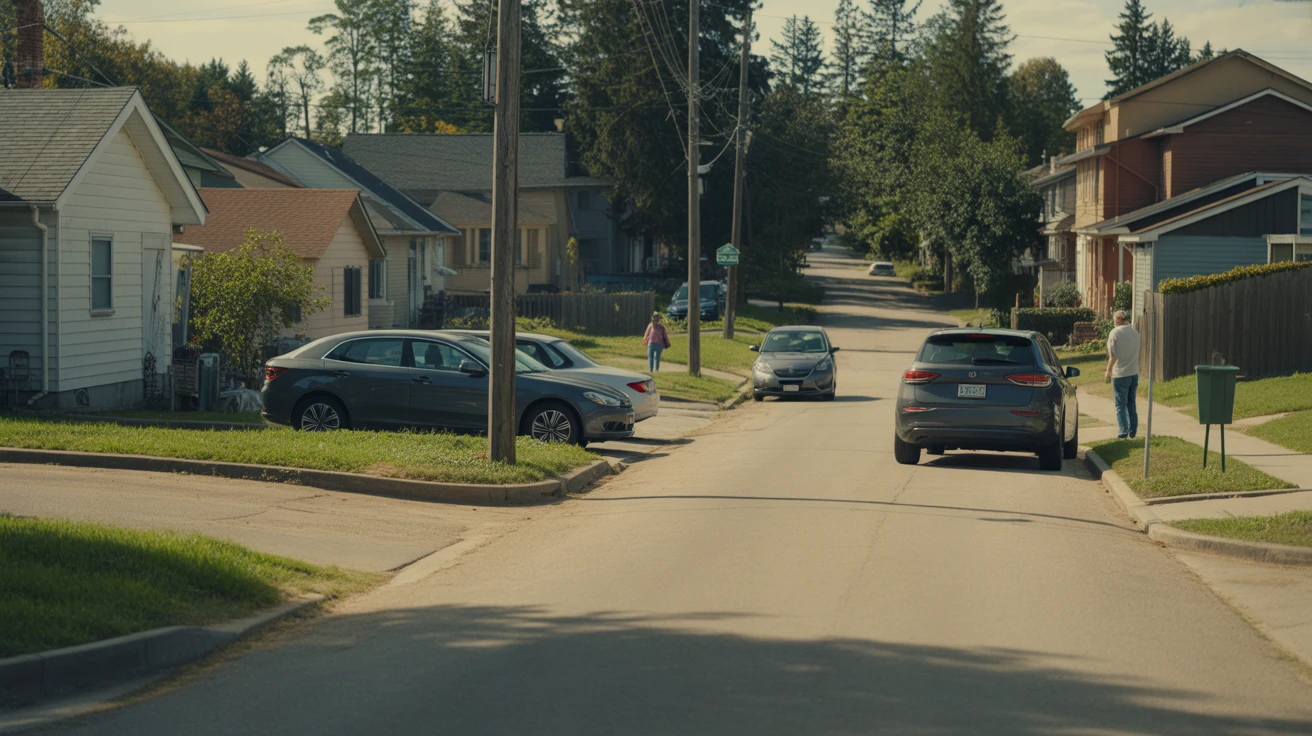
Transportation costs stack faster than expected because Gallatin’s car-oriented structure means nearly every trip requires driving—work, errands, family logistics. Sparse errands accessibility increases trip frequency, and long commutes are common, so fuel, insurance, and maintenance become material budget categories even for households that don’t think of themselves as heavy drivers.
How much should I expect to spend on utilities in Gallatin each month?
Electricity at 13.47¢ per kilowatt-hour and natural gas at $13.18 per thousand cubic feet mean utility costs are seasonal and efficiency-sensitive. For illustrative context, a household using 1,000 kilowatt-hours per month might see roughly $135 in electricity charges before fees, with higher bills in summer (cooling) and winter (heating). Apartment renters typically see lower totals than homeowners in larger spaces.
Is Gallatin affordable for a single person on a median income?
Median household income in Gallatin is $68,548 per year, and median rent is $1,250 per month. A single renter faces solo exposure to rent, utilities, and transportation, so affordability depends heavily on commute distance and apartment efficiency. Singles who work locally and live in smaller, efficient units generally find the budget manageable; those with long commutes or larger apartments face tighter discretionary room.
How does Gallatin’s cost structure compare to Nashville?
Gallatin sits in the Nashville metro but trades urban density for car dependency. Housing costs are typically lower than in Nashville proper, but transportation exposure is higher due to longer commutes and sparse errands accessibility. Utilities behave similarly, but the lack of walkable errands and limited transit options mean households here spend more on fuel and vehicle maintenance than those closer to Nashville’s core.
What’s the best way to reduce monthly expenses in Gallatin without moving?
Focus on the categories that swing or stack: transportation and utilities. Reducing commute distance (remote work, job closer to home) cuts fuel and vehicle wear. Consolidating errands into fewer trips reduces trip count. Managing thermostat settings and scheduling HVAC maintenance reduces peak-season utility swings. Reviewing insurance annually and bundling policies lowers fixed costs. Small changes in these categories compound faster than cutting discretionary spending.
How this article was built: In addition to public economic data, this article incorporates location-based experiential signals derived from anonymized geographic patterns—such as access density, walkability, and land-use mix—to reflect how day-to-day living actually feels in Gallatin, TN.
Planning Your Next Step
The monthly budget reality in Gallatin comes down to three drivers: housing anchors the fixed costs, transportation scales with trip count and commute distance, and utilities swing with the season. The households that stay ahead are the ones who recognize that budget control here isn’t about cutting spending—it’s about managing exposure to the categories shaped by Gallatin’s car-oriented structure and sparse errands accessibility.
If you’re planning a move or trying to understand where your money goes each month, start with the categories that change based on your choices: how far you commute, how often you drive for errands, and how efficiently your home uses energy. For a deeper look at how housing costs break down and what drives rent versus ownership tradeoffs, see the housing costs guide. To understand how seasonal swings and efficiency affect utility bills, review the utilities breakdown. And if you’re weighing whether Gallatin’s car dependency fits your household, the transportation guide explains what’s realistic without a car and where the friction shows up.
Budgeting smarter in Gallatin means knowing what you’re exposed to and where you have control. The numbers are only part of the story—the structure is what determines how your budget actually behaves.