
“We moved to Gallatin for the schools, but stayed for the neighbors.” That sentiment captures much of what draws people to this growing city just northeast of Nashville—and hints at the tradeoffs that define life here. Gallatin offers a blend of small-town familiarity and suburban growth, where families find strong schools and affordable housing, but where spontaneity, walkable errands, and urban texture remain elusive. Understanding whether Gallatin feels like home depends less on whether it’s “happy” and more on whether its rhythms match your priorities.
The Emotional Landscape of Gallatin
Gallatin’s vibe is shaped by two competing forces: pride in what it offers and protectiveness over what it’s becoming. Long-time residents appreciate the slower pace, the sense of knowing your neighbors, and the relative affordability compared to Nashville proper. Newcomers—many arriving from pricier metro areas—value the access to good schools, the median home value of $306,100, and the short drive to Nashville’s job market and entertainment. But growth brings friction. Traffic has thickened on main corridors, dining and shopping options remain limited, and the infrastructure that made Gallatin feel manageable a decade ago now feels strained.
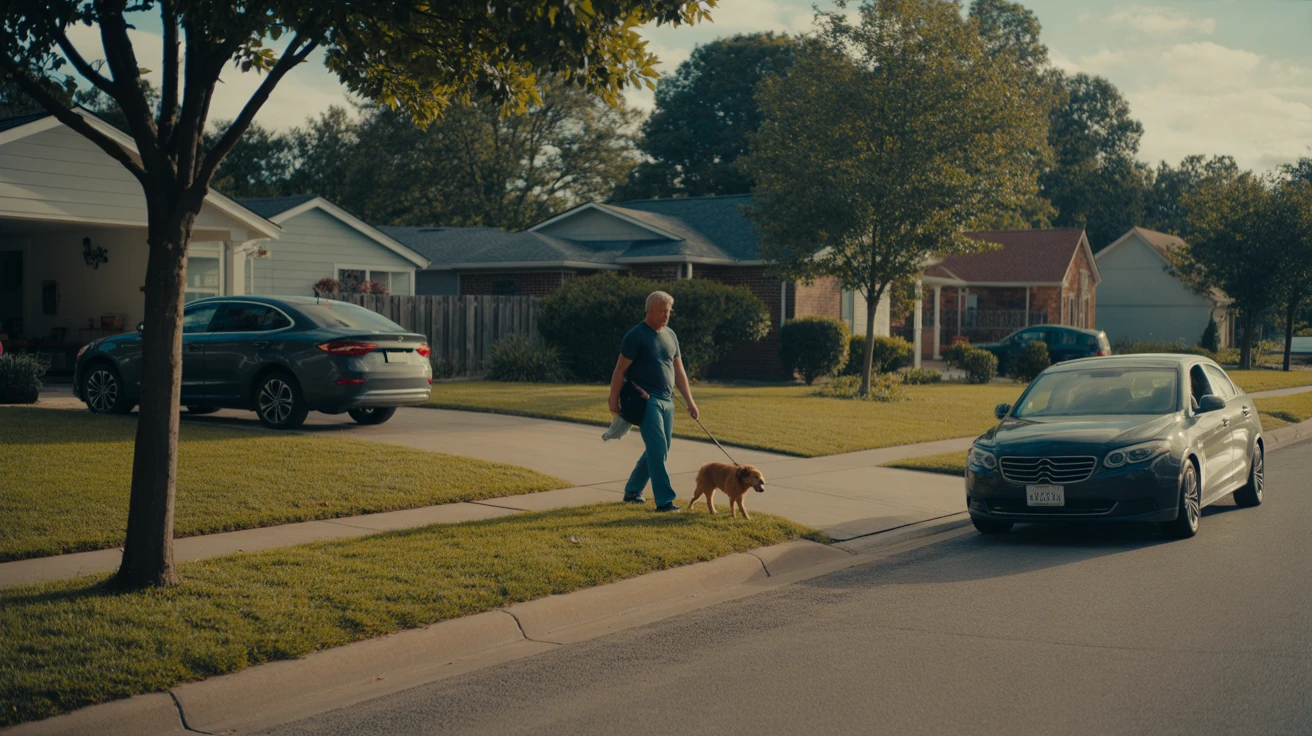
This is a place where people tend to feel rewarded if they value stability, family-focused amenities, and a predictable suburban structure. It tends to feel limiting if you crave walkable neighborhoods, diverse dining, or the ability to run errands without a car. The city’s strong family infrastructure—schools and playgrounds meet density thresholds across the area—makes it a natural fit for households with children. But the car-oriented layout and sparse food establishment density mean that daily life requires planning, not spontaneity. You don’t pop out for coffee or walk to the grocery store here; you drive, and you plan your route.
What People Talk About Online
Public discussion in Gallatin often centers on growth, identity, and the tension between convenience and character. On platforms like Facebook and local forums, residents express both optimism and concern. There’s pride in the city’s schools, gratitude for lower housing costs than Nashville, and appreciation for the sense of community. But there’s also frustration with traffic, limited dining variety, and the feeling that the city is caught between small-town charm and suburban sprawl.
“It’s affordable, and the schools are solid, but you’re driving everywhere. There’s not much to do unless you head into Nashville.”
“I love that it still feels like a real town, not just a suburb. But I wish we had more local restaurants and things to do on weekends.”
“The growth is good for the economy, but it’s changing the feel. It’s not the same quiet place it was ten years ago.”
These themes reflect a city in transition, where residents value what drew them here but worry about losing it. The tone is protective, not hostile—people want Gallatin to grow thoughtfully, not recklessly.
How Local Coverage Frames the City
Local news and community coverage tend to frame Gallatin through the lens of growth, infrastructure, and identity. Headlines and discussion topics often circle around these recurring themes:
- “New Development Brings Jobs and Debate Over Traffic”
- “Residents Weigh Convenience Against Quiet”
- “Schools Remain a Draw as Population Grows”
- “Community Debates What Growth Should Look Like”
- “Balancing Small-Town Feel with Suburban Expansion”
The tone is rarely alarmist, but it’s rarely celebratory either. Coverage reflects a community trying to manage change without losing its identity. There’s acknowledgment that growth brings amenities and economic opportunity, but also recognition that it strains roads, schools, and the intangible qualities that made Gallatin feel distinct.
Public Perception Through Reviews and Feedback
On review platforms and neighborhood forums, Gallatin earns praise for affordability, schools, and a family-friendly atmosphere. Parents appreciate the strong family infrastructure and the sense that their kids can grow up in a safe, stable environment. Retirees and empty-nesters value the lower cost of living and proximity to Nashville without the metro’s intensity.
But expectations matter. People who arrive hoping for walkable neighborhoods, diverse dining, or vibrant nightlife tend to feel disappointed. The city’s car-oriented layout means errands require planning, and the sparse food establishment density means options are limited. Newer planned areas offer tidy streets and good schools, but they lack the texture and spontaneity of older, more established neighborhoods. Older pockets have more character but fewer modern amenities.
“Great place to raise kids, but you’ll be in the car a lot. Not much within walking distance.”
“It’s quiet and affordable, but if you want variety in restaurants or things to do, you’re driving to Nashville.”
“We love the schools and the neighbors, but the traffic on the main roads is getting worse every year.”
The pattern is clear: Gallatin rewards those who prioritize stability and family infrastructure over urban texture and convenience.
Comparing Gallatin to Nearby Cities
| Dimension | Gallatin | Hendersonville | Lebanon |
|---|---|---|---|
| Overall Vibe | Growing suburban, family-focused, car-dependent | Established suburban, lakefront appeal, slightly pricier | More rural feel, slower growth, more affordable |
| Dining & Entertainment | Limited local options, Nashville-dependent | Moderate variety, some lakefront dining | Sparse, more chain-focused |
| Commute to Nashville | Moderate, traffic increasing | Similar, lake traffic can complicate | Longer, more rural routes |
| Housing Pressure | Moderate growth, rising prices | Higher prices, more established | More affordable, slower appreciation |
Gallatin sits between Hendersonville’s more established suburban feel and Lebanon’s more rural character. If you want lakefront access and are willing to pay more, Hendersonville offers a bit more polish and dining variety. If you want even lower costs and don’t mind a longer commute, Lebanon trades convenience for affordability. Gallatin occupies the middle: close enough to Nashville to feel connected, affordable enough to attract families, but not quite urban enough to offer walkable spontaneity or diverse local amenities.
Voices from the Community
“We moved here from Nashville for the schools and the space. The house we could afford here would’ve been impossible closer in. But yeah, we drive everywhere. It’s just part of the deal.”
— Young family, relocated from Nashville
“I grew up here, and it’s changed a lot. More people, more traffic, more chain stores. But it’s still home, and I’m glad my kids can grow up here too.”
— Long-time resident, raising second generation
“It’s quiet, which is what we wanted after years in the city. But if you want to go out to dinner or see live music, you’re heading back into Nashville.”
— Empty-nester couple, retired
“The commute isn’t bad most days, but the lack of walkability is real. I miss being able to walk to a coffee shop or grab groceries on foot.”
— Remote worker, moved during pandemic
“Great for families, but not much for young professionals. If you’re single or don’t have kids, you’ll probably feel a bit isolated.”
— Young professional, considering move
“The schools are solid, the neighbors are friendly, and we can actually afford a house. That’s worth the trade-off of driving more.”
— Family with school-age children
“It’s not perfect, but it works for us. We wanted space, good schools, and a reasonable commute. Gallatin checks those boxes.”
— Dual-income household, commuting to Nashville
Does Gallatin Feel Like a Good Fit?
Gallatin tends to work well for families prioritizing affordability, strong schools, and proximity to Nashville without metro-level housing costs. The median household income of $68,548 aligns reasonably with the median home value of $306,100, and the low unemployment rate of 2.8% reflects a stable local economy. The city’s strong family infrastructure makes it a natural choice for households with children, and the 26-minute average commute keeps Nashville’s job market accessible.
But Gallatin tends to frustrate those who value walkability, spontaneous errands, or diverse local dining and entertainment. The car-oriented layout and sparse food establishment density mean that day-to-day costs include not just housing and utilities, but also the time, fuel, and planning required to navigate daily life. If you’re someone who thrives on urban texture, walkable neighborhoods, or the ability to run errands on foot, Gallatin will feel limiting.
The city’s emotional profile is one of cautious optimism: proud of what it offers, protective of what it might lose, and aware that growth brings both opportunity and strain. If you’re looking for a place that rewards stability and family focus over spontaneity and urban convenience, Gallatin may feel like home. If you’re looking for a place where life unfolds on foot and options are abundant, you’ll likely find yourself driving to Nashville more often than you’d like.
Understanding what drives housing costs and how the city’s structure shapes daily rhythms can help you decide whether Gallatin’s tradeoffs align with your priorities—or whether a different part of the metro might be a better match.
How this article was built: In addition to public economic data, this article incorporates location-based experiential signals derived from anonymized geographic patterns—such as access density, walkability, and land-use mix—to reflect how day-to-day living actually feels in Gallatin, TN.
The perspectives shown reflect commonly expressed local sentiment and recurring themes in public discussion, rather than individual accounts.