
Housing costs in Gallatin, TN reflect the city’s position as a growing suburban community within the Nashville metro area, where accessible home values meet the realities of car-dependent infrastructure and moderate cost-of-living conditions. With a median home value of $306,100 and median gross rent of $1,250 per month, Gallatin offers entry points that feel attainable compared to Nashville’s core markets—but the full cost picture extends beyond the monthly housing payment. Utility exposure, maintenance unpredictability, and transportation dependency all shape how housing costs behave over time, and understanding these dynamics is essential for anyone deciding whether to rent, buy, or [what a budget has to handle in Gallatin](/gallatin-tn/monthly-budget/).
This article explains housing cost structure and long-term exposure in Gallatin, including how local infrastructure, climate, and household logistics influence the rent-versus-buy decision. It is designed to help you evaluate tradeoffs, anticipate hidden costs, and determine which housing path aligns with your financial priorities and daily life in this city.
The Housing Market in Gallatin Today
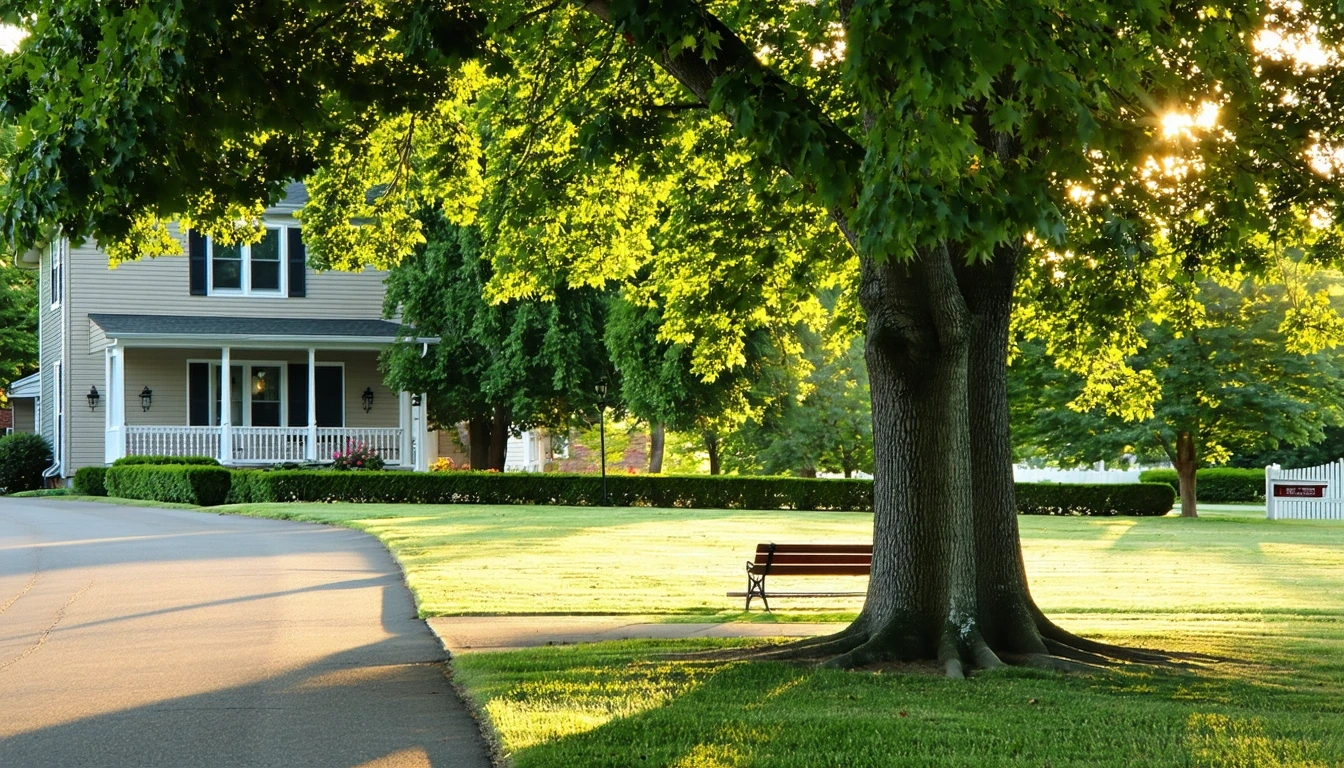
Gallatin’s housing market is shaped by its role as a commuter suburb with strong family infrastructure and limited walkable density. The city attracts households seeking more affordable entry than Nashville proper, but the cost advantage comes with structural tradeoffs: car dependency is high, daily errands require planning and driving, and the mixed building stock reflects varied development periods and maintenance standards. The median household income of $68,548 per year positions Gallatin as a working- and middle-class market, where housing affordability is less about luxury and more about managing total cost exposure across housing, transportation, and utilities.
What newcomers often misunderstand is that Gallatin’s housing costs are not isolated from its infrastructure. Pedestrian infrastructure sits below low thresholds, food establishment density is sparse, and grocery access is concentrated rather than distributed. This means that even if your rent or mortgage feels manageable, your household will absorb additional costs in fuel, vehicle maintenance, and time—expenses that don’t appear on a lease or loan statement but directly affect your monthly financial pressure. The city’s 26-minute average commute and 41.5% long-commute percentage further signal that transportation is not a minor line item; it is a core component of the housing decision.
Gallatin is not a high-cost market, but it is a high-dependency market. Housing affordability here depends on your ability to manage mobility costs, plan errands efficiently, and absorb the maintenance and utility exposure that comes with suburban housing stock.
Renting in Gallatin
At $1,250 per month, median gross rent in Gallatin reflects the city’s position as a suburban alternative to Nashville’s pricier rental markets. Rent here offers predictability: you know your baseline housing cost, and you avoid direct exposure to property taxes, major maintenance events, and utility system failures. For households prioritizing financial stability and flexibility, renting can be the lower-risk path—especially in a city where car dependency and transportation costs are unavoidable regardless of tenure.
However, renting in Gallatin does not insulate you from the city’s infrastructure realities. Sparse errands accessibility means that even renters must plan around driving for groceries, errands, and daily logistics. The car-oriented mobility texture applies equally to renters and owners, and the time and fuel costs associated with getting around are not negotiable. Renters also face exposure to lease renewals in a market where demand is driven by Nashville metro growth, and while rent may start at a manageable level, the trajectory over time depends on regional housing pressure, not just local supply.
Renting works best in Gallatin for households who value mobility (the ability to leave without selling), who want to avoid maintenance risk, or who are uncertain about long-term commitment to a car-dependent suburban environment. It is less advantageous for households who plan to stay long-term and who are willing to trade predictability for the potential cost control that ownership can provide—if managed carefully.
Owning a Home in Gallatin
Owning a home in Gallatin means taking on the full cost structure of suburban housing: not just the purchase price, but also property taxes, insurance, maintenance, utilities, and the ongoing expense of keeping a car-dependent household running. The median home value of $306,100 is accessible relative to Nashville’s core markets, but ownership here is not a simple trade of rent for mortgage. It is a shift from predictable monthly costs to variable, long-term exposure.
Property taxes in Tennessee are locally assessed and vary by jurisdiction, and while the state has no income tax, property tax obligations can shift over time as home values and local budgets change. Maintenance is another major variable: Gallatin’s mixed building stock means that home age, construction quality, and prior upkeep vary widely, and buyers must be prepared for unpredictable repair costs—HVAC failures, roof replacements, plumbing issues—that renters never see. Insurance costs are also shaped by regional weather patterns, including storm exposure and seasonal temperature swings that stress roofs, siding, and mechanical systems.
Utilities represent another ownership-specific exposure. Gallatin experiences both heating and cooling seasons, and the electricity rate of 13.47¢/kWh and natural gas price of $13.18/MCF mean that owners bear the full cost of conditioning their homes year-round. Older homes or homes with poor insulation face higher bills, and unlike renters—who may have some utilities included or capped—owners absorb the full volatility of seasonal usage spikes.
Ownership in Gallatin is best suited for households who plan to stay long enough to absorb upfront costs and maintenance variability, who are comfortable managing car dependency and transportation expenses, and who value the control and potential long-term cost stability that ownership can provide. It is not a shortcut to lower monthly costs; it is a bet on predictability and control over time.
Apartment vs House in Gallatin — Cost Behavior Comparison
The distinction between renting an apartment and owning a house in Gallatin is not just about square footage or yard space—it is about how cost exposure, maintenance responsibility, and utility volatility differ in practice. The table below reflects only the categories where Gallatin’s housing stock, climate, and infrastructure create meaningful cost behavior differences. Generic distinctions that apply equally everywhere have been omitted.
| Expense Category | Apartment | House |
|---|---|---|
| Heating & Cooling Exposure | Shared walls and smaller square footage reduce conditioning load; some units may include utilities or cap exposure | Full exposure to seasonal swings; older homes or poor insulation amplify costs during summer cooling and winter heating |
| Maintenance Responsibility | Landlord handles HVAC, roof, plumbing, and structural repairs; tenant risk is limited to lease terms and habitability delays | Owner absorbs all repair costs and timing risk; mixed building stock in Gallatin means high variability in maintenance frequency and cost |
| Transportation Dependency | Car dependency is unavoidable; apartment location does not reduce need for vehicle ownership or daily driving for errands | Same car dependency; house location may increase distance to grocery or services, raising fuel and time costs |
| Outdoor & Yard Upkeep | No yard maintenance; limited outdoor access reflects Gallatin’s low park density, but no direct cost burden | Yard maintenance is required; cost and time vary by lot size, landscaping, and seasonal growth patterns in Tennessee climate |
Why these categories? Gallatin’s car-oriented infrastructure means that transportation dependency does not vary by housing type—it is a constant. Heating and cooling exposure differs because of building size, insulation, and whether utilities are included in rent. Maintenance responsibility is the clearest dividing line: renters are insulated from repair costs, while owners face the full unpredictability of Gallatin’s mixed housing stock. Yard upkeep is included because Tennessee’s climate and growth seasons make outdoor maintenance a recurring cost and time commitment for homeowners, while renters avoid it entirely.
Categories like trash collection, internet access, and basic insurance were excluded because they do not vary meaningfully by housing type in Gallatin’s market. The table reflects cost behavior differences that are both locally grounded and decision-relevant.
Utilities & Upkeep Differences
Utilities in Gallatin are shaped by Tennessee’s climate, which includes hot, humid summers and cold winter stretches that require both air conditioning and heating. The electricity rate of 13.47¢/kWh is moderate, but usage intensity drives total exposure: homes with poor insulation, older HVAC systems, or larger square footage face noticeably higher bills during peak summer and winter months. Natural gas, priced at $13.18/MCF, is commonly used for heating, and households relying on gas furnaces will see seasonal spikes in usage and cost.
For apartment renters, utility exposure is often lower due to smaller square footage and shared walls that reduce heating and cooling load. Some landlords include water, trash, or even electricity in rent, which caps exposure and simplifies budgeting. For homeowners, utility costs are entirely self-managed, and the variability is significant: an older home with single-pane windows and minimal insulation can cost substantially more to condition than a newer, energy-efficient build. Homeowners also bear responsibility for water heater efficiency, thermostat management, and system maintenance—factors that renters never control directly.
Upkeep differences are even sharper. Renters call the landlord when the HVAC fails or the roof leaks; owners pay for the repair, manage the contractor, and absorb the timing risk. Gallatin’s mixed building stock means that some homes are well-maintained and others are deferred-maintenance traps, and buyers who do not inspect carefully can inherit expensive problems. Yard maintenance is another ownership-specific cost: Tennessee’s growing season is long, and lawns, landscaping, and pest control require regular attention and expense. Renters avoid this entirely.
The utility and upkeep gap between renting and owning in Gallatin is not minor—it is a dominant factor in long-term cost exposure, and it compounds with the city’s car dependency to create a total cost structure that extends well beyond the monthly housing payment.
Rent vs Buy: Long-Term Exposure in Gallatin
The rent-versus-buy decision in Gallatin is not about which option costs less in year one—it is about which cost structure aligns with your risk tolerance, time horizon, and ability to manage variability. Renting offers predictability: your monthly housing cost is fixed by lease, and you avoid exposure to maintenance events, property tax changes, and utility system failures. The tradeoff is that you do not control your housing cost trajectory over time, and lease renewals can introduce volatility if regional demand from Nashville metro growth pushes rents upward.
Owning offers control: you lock in your principal and interest payment (if you choose a fixed-rate mortgage), and you gain the ability to manage maintenance timing, upgrade efficiency, and avoid the risk of displacement through lease non-renewal. The tradeoff is that you absorb all cost variability—property taxes can rise, insurance premiums can increase, and maintenance events (roof, HVAC, plumbing) arrive unpredictably and require immediate capital. In Gallatin’s mixed housing stock, the maintenance risk is real, and buyers who underestimate it often face financial stress within the first few years of ownership.
Ownership also exposes you fully to Gallatin’s car dependency and transportation costs. While renters face the same mobility requirements, owners cannot easily relocate if transportation costs or commute burdens become unsustainable. The 26-minute average commute and 41.5% long-commute percentage signal that many Gallatin households are already managing significant time and fuel exposure, and ownership locks you into that pattern unless you sell and move.
Over time, ownership can provide cost stability if you stay long enough to absorb upfront transaction costs and if you manage maintenance proactively. Renting provides flexibility and lower risk, but it does not build equity or offer long-term cost control. The right choice depends on how long you plan to stay, how much variability you can manage, and whether you value control over predictability.
How Housing Costs Actually Feel in Gallatin
Understanding [what costs people most in Gallatin (and why)](/gallatin-tn/cost-overview/) requires looking beyond the rent or mortgage payment to how the city’s infrastructure shapes daily life. Gallatin’s car-oriented mobility texture and sparse errands accessibility mean that housing costs are inseparable from transportation costs. Pedestrian infrastructure sits below low thresholds, and food establishment density is sparse, so even routine tasks—buying groceries, picking up prescriptions, running errands—require driving. This is not occasional inconvenience; it is the baseline structure of household logistics.
For families, the strong infrastructure of schools and playgrounds (both in medium density bands) is a meaningful advantage, but accessing those resources still requires a car. Parents cannot walk children to school or the park in most neighborhoods, and the time and fuel costs of managing school drop-offs, extracurriculars, and weekend activities add up quickly. The presence of clinics and pharmacies provides routine healthcare access, but the absence of a hospital means that more serious medical needs require travel, often to Nashville or another regional hub.
Grocery density sits in the medium band, meaning that options exist but are not evenly distributed. Households must plan trips around where stores are located, and the lack of walkable access means that spontaneous or quick errands are not possible without a car. This planning burden is invisible in rent or mortgage calculations, but it shapes daily life and adds friction to household management—especially for single-parent households, dual-income families, or anyone managing mobility limitations.
The mixed building height character and presence of both residential and commercial land use suggest that Gallatin has some internal variety, but the car-oriented texture dominates. Even in areas with mixed land use, the pedestrian-to-road ratio is low, and the infrastructure prioritizes vehicle movement over walking or biking. This means that housing location matters less for walkability and more for proximity to major roads, commute routes, and clustered commercial corridors.
In practice, housing costs in Gallatin are experienced as a bundle: rent or mortgage, plus transportation, plus time, plus the logistics burden of managing a car-dependent household. Renters and owners both face this reality, but owners also absorb maintenance unpredictability and utility volatility, which compounds the total cost exposure. Understanding how these factors interact is essential for making a housing decision that fits both your budget and your daily life.
FAQs About Housing Costs in Gallatin
Is it cheaper to rent or buy in Gallatin, TN?
Neither option is universally cheaper—it depends on your time horizon and risk tolerance. Renting at $1,250/month offers predictability and avoids maintenance risk, but you do not build equity or control long-term cost trajectory. Buying at a median home value of $306,100 can provide cost stability over time, but you absorb property taxes, maintenance unpredictability, and utility volatility. Both options require managing Gallatin’s car dependency and transportation costs, which do not vary by tenure.
What hidden costs should I expect when buying a home in Gallatin?
Maintenance is the largest hidden cost, especially in Gallatin’s mixed building stock where home age and prior upkeep vary widely. HVAC, roof, and plumbing failures can arrive without warning and require immediate capital. Utility costs are also higher for owners, as you bear full exposure to heating and cooling seasons without the insulation that apartment living or included utilities can provide. Yard maintenance, pest control, and seasonal upkeep add recurring time and cost burdens that renters avoid entirely.
How does Gallatin’s car dependency affect housing costs?
Car dependency is a structural cost that applies to all households in Gallatin, regardless of whether you rent or own. Sparse errands accessibility and car-oriented mobility texture mean that daily tasks require driving, and the 26-minute average commute signals that many households also face significant time and fuel exposure for work travel. These transportation costs do not appear in rent or mortgage calculations, but they are a core component of total housing affordability and must be budgeted alongside your housing payment.
Are utilities more expensive in a house or apartment in Gallatin?
Utilities are typically more expensive in a house due to larger square footage, full exposure to heating and cooling seasons, and the absence of shared walls that reduce conditioning load. Gallatin’s climate includes hot summers and cold winters, and homes with poor insulation or older HVAC systems face noticeably higher bills during peak months. Apartment renters often benefit from smaller spaces, shared walls, and sometimes included utilities, which cap exposure and simplify budgeting.
What makes Gallatin’s housing market different from Nashville?
Gallatin offers lower entry costs than Nashville’s core markets, with a median home value of $306,100 compared to significantly higher prices closer to downtown. However, the cost advantage comes with tradeoffs: Gallatin is car-dependent, errands accessibility is sparse, and commute times to Nashville are moderate but variable. Households choosing Gallatin are trading walkability and urban density for affordability and family infrastructure, but they must budget for higher transportation costs and the logistics burden of suburban living.
Making Housing Choices in Gallatin
Housing costs in Gallatin are shaped by the city’s role as a car-dependent suburban community with accessible entry pricing and strong family infrastructure. The median home value of $306,100 and median gross rent of $1,250 per month offer attainable starting points, but the full cost picture includes transportation dependency, utility exposure, maintenance unpredictability, and the time and logistics burden of managing daily errands without walkable access. Renting provides predictability and flexibility; owning offers control and potential long-term stability. Neither path eliminates the structural costs of living in a car-oriented environment, and both require careful budgeting for mobility, utilities, and household logistics.
The right housing choice depends on how long you plan to stay, how much cost variability you can manage, and whether you value control over predictability. Families benefit from Gallatin’s strong school and playground infrastructure, but must account for transportation costs to access those resources. Commuters to Nashville face moderate average travel times, but high long-commute percentages signal variability and car dependency. Renters avoid maintenance risk but do not control long-term cost trajectory; owners absorb variability but gain stability if they stay long enough to make it worthwhile.
Understanding how housing costs behave in Gallatin—not just what they cost today—is essential for making a decision that aligns with your financial priorities and daily life. This city rewards planning, careful budgeting, and realistic expectations about the total cost of suburban living.
How this article was built: In addition to public economic data, this article incorporates location-based experiential signals derived from anonymized geographic patterns—such as access density, walkability, and land-use mix—to reflect how day-to-day living actually feels in Gallatin, TN.