
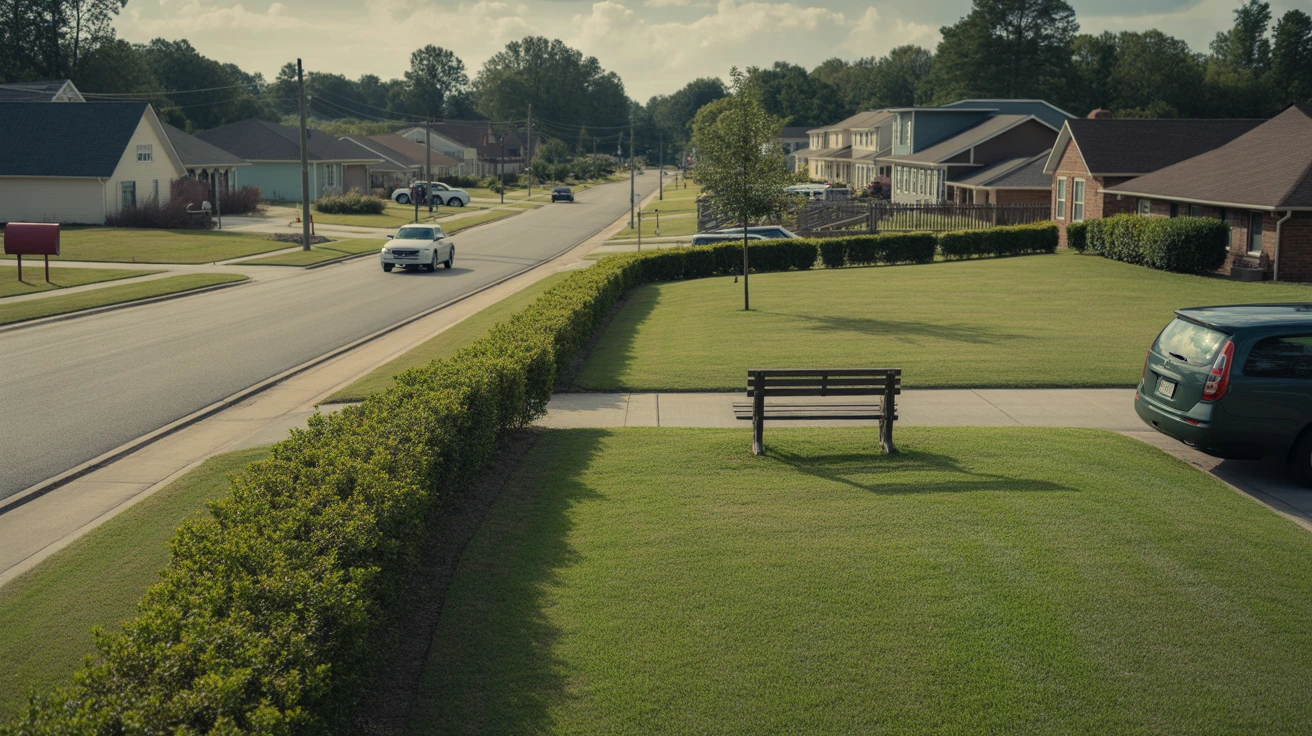
Gallatin and Hendersonville sit just northeast of Nashville, drawing households looking for suburban space without leaving the metro orbit. Both cities offer access to regional employment and lower density than Davidson County, but the cost pressures that shape daily life differ in ways that matter for renters, first-time buyers, and families managing tight schedules. In 2026, choosing between these two cities isn’t about finding the cheaper option—it’s about understanding where housing, commute friction, and daily logistics create more or less flexibility for your household.
Gallatin appeals to households prioritizing lower housing entry costs and strong family infrastructure, with schools and playgrounds meeting density thresholds. Hendersonville offers higher median household income context, moderate walkability in commercial corridors, and bus service, but requires navigating higher housing costs and longer commutes. The decision hinges on which cost pressures—front-loaded housing expenses, ongoing transportation friction, or day-to-day errands logistics—dominate your household’s financial and time budget.
This comparison explains how cost structure differences between Gallatin and Hendersonville affect single adults, couples, and families in 2026, focusing on where expenses concentrate, where volatility emerges, and which households feel trade-offs most acutely.
Housing Costs
Housing represents the most visible cost difference between Gallatin and Hendersonville. Gallatin’s median home value sits at $306,100, while Hendersonville’s reaches $364,700—a gap that translates into higher down payment requirements, larger monthly mortgage obligations, and steeper property tax exposure for Hendersonville buyers. For renters, the pattern holds: Gallatin’s median gross rent of $1,250 per month contrasts with Hendersonville’s $1,407 per month. These differences don’t just affect the size of the monthly check—they shape how much flexibility remains after housing costs claim their share.
The housing stock in both cities reflects suburban single-family dominance, but the entry barrier differs meaningfully. First-time buyers in Gallatin face lower upfront costs, making homeownership accessible earlier in a household’s financial timeline. Hendersonville’s higher home values correspond with higher median household income ($86,954 versus Gallatin’s $68,548), suggesting that the city attracts households with greater earning power who can absorb the front-loaded expense. For renters, the $157 monthly difference between median rents may seem modest, but it compounds over a year into nearly $1,900 in additional housing obligation—money that could otherwise buffer utility volatility, transportation costs, or unexpected expenses.
Both cities show mixed building height character, with average building levels in the medium band, and both feature mixed residential and commercial land use. This suggests that apartment availability exists alongside single-family homes, though neither city offers the density or vertical housing stock that would significantly lower entry costs for renters. Families seeking space will find it in both cities, but Gallatin offers that space with less financial strain at the outset. Renters sensitive to monthly cash flow will feel the difference more acutely in Hendersonville, where the higher rent baseline leaves less room for discretionary spending or savings accumulation.
| Housing Type | Gallatin | Hendersonville |
|---|---|---|
| Median Home Value | $306,100 | $364,700 |
| Median Gross Rent | $1,250/month | $1,407/month |
Housing takeaway: Gallatin suits households prioritizing lower entry barriers and faster paths to ownership, particularly families and first-time buyers. Hendersonville fits households with higher income capacity who can absorb elevated housing costs in exchange for access to commercial corridors and moderate walkability. The primary pressure in Gallatin is car dependence and sparse errands infrastructure; in Hendersonville, it’s the ongoing obligation of higher housing costs and longer commute exposure.
Utilities and Energy Costs
Utility costs in Gallatin and Hendersonville share identical rate structures—electricity at 13.47¢ per kWh and natural gas at $13.18 per MCF—because both cities draw from the same regional energy infrastructure. This eliminates rate-based differences and shifts the focus to how housing stock, home size, and household behavior drive actual usage. In both cities, summer cooling dominates seasonal energy exposure, with extended hot months requiring consistent air conditioning. Winter heating needs exist but remain less intense than in northern climates, meaning electricity costs tend to spike more predictably in summer than natural gas costs do in winter.
The key difference lies in how housing form and density affect baseline usage. Single-family homes, which dominate both cities, typically consume more energy than apartments due to larger square footage, more exterior wall exposure, and standalone HVAC systems. Families in larger homes will feel utility volatility more acutely during peak summer months, regardless of which city they choose. Renters in smaller apartments or townhomes experience more predictable bills, as shared walls and smaller footprints reduce cooling and heating loads. Older housing stock in either city introduces additional exposure, as outdated insulation and aging HVAC systems amplify seasonal swings.
Households managing utility costs in either city should focus on home age, square footage, and cooling efficiency rather than rate differences. Newer construction with modern insulation and efficient HVAC systems will lower baseline usage and smooth out seasonal peaks. Older homes require more active management—programmable thermostats, air sealing, and strategic cooling schedules—to avoid bill spikes. Both cities offer typical utility efficiency programs at the state and federal level, though specific incentives and rebate amounts vary by provider and should be verified directly.
Utility takeaway: Utility cost exposure in Gallatin and Hendersonville is driven by housing size, age, and household cooling habits, not by rate differences. Families in larger single-family homes face higher volatility during summer months in both cities. Renters in smaller units experience more predictable bills. The primary cost driver is summer cooling intensity, making home efficiency and HVAC age the most important factors for managing utility expenses.
Groceries and Daily Expenses
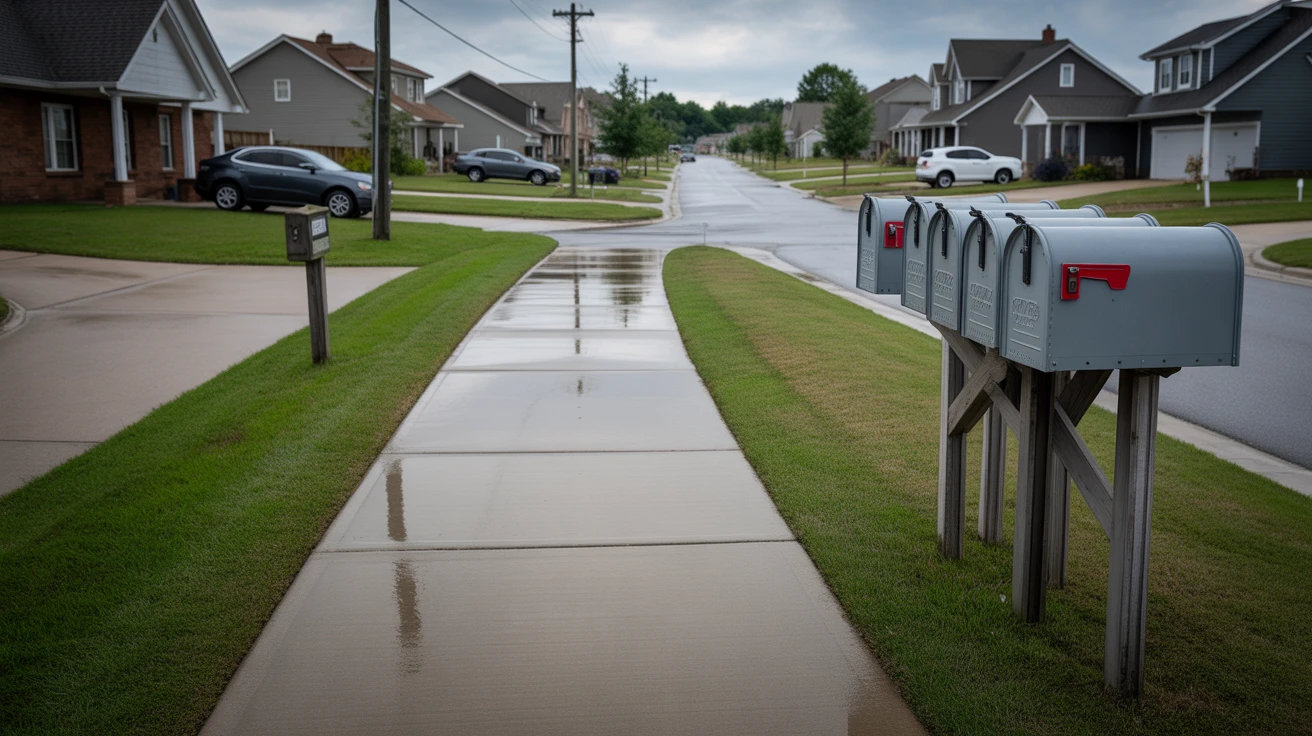
Grocery and daily expense pressure in Gallatin and Hendersonville reflects differences in access density and household logistics rather than price-per-item variation. Both cities fall within the same regional price parity index (97), meaning that staple grocery prices—bread, milk, eggs, chicken—remain consistent across the metro area. The difference lies in how easily households can access affordable options and how much time and fuel they spend managing routine errands.
Gallatin shows sparse food and grocery establishment density, with food density below low thresholds and grocery density in the medium band. This means households often need to drive to reach supermarkets, and the concentration of stores along major corridors limits flexibility for quick trips or comparison shopping. Families managing larger grocery volumes may find themselves making fewer, larger shopping trips, which reduces spontaneity but can also limit impulse purchases. Single adults and couples may feel the friction more acutely, as sparse access makes it harder to grab fresh items or household goods without planning a dedicated trip.
Hendersonville offers corridor-clustered food and grocery access, with both food and grocery density in the medium band. This suggests that commercial strips and main roads host a concentration of supermarkets, chain restaurants, and convenience stores, making errands more accessible for households living near those corridors. The trade-off is that households farther from these clusters still face car dependence, and the corridor layout can encourage convenience spending—drive-through coffee, takeout meals, and impulse stops—that adds up over time. Families with predictable routines may benefit from the clustering, while households sensitive to spending creep may find the accessibility tempting.
Dining out and prepared food access follows the same pattern. Hendersonville’s corridor clustering offers more restaurant density, which can reduce home cooking frequency and increase discretionary food spending. Gallatin’s sparser layout encourages more home-based meal preparation, which lowers per-meal costs but requires more time and planning. Households with two working adults or irregular schedules may find Gallatin’s layout more demanding, while those with flexible schedules or a preference for cooking at home may see it as a cost-control advantage.
Grocery takeaway: Gallatin requires more planning and car dependence for grocery shopping, which can limit convenience spending but increases time and fuel costs. Hendersonville’s corridor-clustered access offers more flexibility and restaurant options, but households sensitive to spending creep may face higher discretionary food costs. Families managing large grocery volumes will feel the access difference most acutely, while single adults and couples may prioritize convenience over cost control.
Taxes and Fees
Property taxes in both Gallatin and Hendersonville follow Tennessee’s statewide structure, with no state income tax and reliance on property and sales taxes to fund local services. Hendersonville’s higher median home value translates directly into higher annual property tax obligations, even if the millage rate remains similar. A home valued at $364,700 generates a larger tax bill than one valued at $306,100, meaning Hendersonville homeowners face a steeper ongoing cost that compounds over years of ownership. For renters, property taxes remain invisible but still affect rental pricing, as landlords pass through a portion of the tax burden in monthly rent.
Sales taxes in both cities reflect Tennessee’s state and local structure, with no meaningful variation between the two. This means that consumption-based taxes—groceries, dining, retail purchases—affect households equally, and the primary tax difference remains tied to housing. Homeowners planning to stay several years should account for property tax exposure when comparing total ownership costs, as the difference between Gallatin and Hendersonville compounds over time. Renters experience property tax pressure indirectly, but the higher rent baseline in Hendersonville already reflects that pass-through.
Recurring fees—trash collection, water, sewer, stormwater—vary by provider and housing type in both cities. Single-family homeowners typically pay these fees directly, while apartment renters may see them bundled into rent or charged separately. HOA fees, where present, can add predictable monthly costs for townhomes and planned communities, though prevalence and amounts vary by neighborhood. Households evaluating total housing costs should verify fee structures directly, as they can add meaningful ongoing obligations that aren’t captured in rent or mortgage figures alone.
Tax and fee takeaway: Hendersonville homeowners face higher property tax exposure due to elevated home values, which compounds over time and increases long-term ownership costs. Gallatin offers lower property tax obligations, making it more attractive for households planning to stay several years. Renters in both cities experience tax pressure indirectly through rent levels, but Hendersonville’s higher baseline rent already reflects the pass-through. Recurring fees and HOA costs vary by housing type and neighborhood, requiring direct verification.
Transportation and Commute Reality
Transportation costs in Gallatin and Hendersonville reflect differences in commute length, car dependence, and transit availability rather than fuel price variation. Both cities share the same gas price ($2.54 per gallon) and regional road network, but the time and distance households travel daily create different cost and convenience pressures.
Gallatin’s average commute time sits at 26 minutes, with 41.5% of workers experiencing long commutes and 9.4% working from home. The city’s car-oriented infrastructure—pedestrian density below thresholds and minimal cycling infrastructure—means that nearly all errands, work trips, and daily logistics require a personal vehicle. Households without reliable transportation face significant friction, as transit options remain limited. Families managing multiple schedules—school drop-offs, after-work errands, weekend activities—will find that car dependence shapes daily routines and limits flexibility.
Hendersonville’s average commute stretches to 29 minutes, with 47.9% of workers facing long commutes and 10.3% working from home. The city offers bus service, providing a transit alternative for households willing to navigate schedules and route coverage. The mixed pedestrian-to-road ratio suggests that some neighborhoods support walking for errands, particularly near commercial corridors, though car ownership remains the dominant mode. The longer average commute and higher long-commute percentage indicate that many Hendersonville residents travel farther for work, increasing both time costs and fuel consumption.
The trade-off between Gallatin and Hendersonville centers on time versus access. Gallatin offers shorter average commutes but requires complete car dependence for all daily activities. Hendersonville’s longer commutes come with slightly more transit and walkability options, which may reduce car reliance for some households but don’t eliminate it. Families with two working adults will feel commute friction more acutely in Hendersonville, where the higher long-commute percentage suggests that one or both partners may spend significant time on the road. Single adults or couples with flexible work arrangements may find Hendersonville’s bus service and corridor walkability useful, though car ownership still dominates.
Cost Structure Comparison
Housing dominates the cost experience in both Gallatin and Hendersonville, but the nature of that pressure differs. Gallatin’s lower home values and rent levels reduce the front-loaded financial barrier, making homeownership accessible earlier and leaving more room in monthly budgets for other expenses. Hendersonville’s higher housing costs require greater income capacity upfront, but the city’s higher median household income suggests that many residents can absorb that expense. For households at or below median income in either city, housing consumes a larger share of the budget, but Gallatin offers more breathing room.
Utilities introduce similar volatility in both cities, as identical energy rates and shared regional climate mean that seasonal cooling drives the largest swings. The difference lies in housing stock: larger single-family homes in either city amplify utility exposure, while smaller apartments and townhomes offer more predictability. Families managing larger homes should expect summer utility bills to spike, regardless of which city they choose. Renters in smaller units experience less volatility, making housing type a more important factor than city selection for utility cost control.
Transportation patterns matter more in Hendersonville, where longer average commutes and higher long-commute percentages increase both time and fuel costs. Gallatin’s shorter commutes reduce time spent on the road, but the city’s car-oriented infrastructure means that every errand requires driving. Hendersonville’s corridor-clustered errands and bus service offer slightly more flexibility, but car dependence still dominates. Households sensitive to commute friction—particularly those with two working adults or irregular schedules—will feel the difference more acutely in Hendersonville.
Daily living and grocery costs reflect access patterns rather than price differences. Gallatin’s sparse food and grocery density requires more planning and longer trips, which can limit convenience spending but increases time and fuel costs. Hendersonville’s corridor clustering offers more accessibility, but households near those corridors may face spending creep from frequent restaurant and takeout options. Families managing large grocery volumes will prefer Hendersonville’s access, while households prioritizing cost control may find Gallatin’s layout helpful for limiting impulse purchases.
The better choice depends on which costs dominate your household. Households sensitive to housing entry barriers and family infrastructure may prefer Gallatin, where lower home values and strong school and playground density support family life. Households with higher income capacity and a preference for moderate walkability and transit options may prefer Hendersonville, despite the elevated housing costs and longer commutes. For single adults and couples, the decision turns on whether housing affordability or errands accessibility matters more. For families, the trade-off centers on housing entry costs versus commute friction and family amenity density.
How the Same Income Feels in Gallatin vs Hendersonville
Single Adult
For a single adult, housing becomes the first non-negotiable expense, and Gallatin’s lower rent baseline leaves more room for discretionary spending, savings, or debt repayment. Hendersonville’s higher rent reduces that flexibility, but the city’s corridor-clustered errands and bus service offer more convenience for households without a car or those trying to limit driving. Gallatin’s car-oriented layout means that transportation costs remain high regardless of housing savings, as every trip requires fuel and vehicle maintenance. Hendersonville’s longer commutes increase time costs, but the presence of bus service provides an alternative for households willing to navigate schedules.
Dual-Income Couple
For a couple with two incomes, Gallatin’s lower housing costs create more flexibility for saving toward a down payment or managing other financial goals. Hendersonville’s higher housing baseline requires more income to maintain the same standard of living, but the city’s higher median household income suggests that many couples can absorb that cost. Commute friction becomes more pronounced in Hendersonville, where longer average commutes and higher long-commute percentages mean that one or both partners may spend significant time on the road. Gallatin’s shorter commutes reduce time costs, but the sparse errands infrastructure means that weekend logistics—grocery shopping, household errands—require more planning and driving.
Family with Kids
For families, Gallatin’s strong family infrastructure—schools and playgrounds meeting density thresholds—makes daily logistics easier, as drop-offs, pickups, and after-school activities remain accessible. Hendersonville’s limited family infrastructure means that families may need to drive farther for schools and playgrounds, adding time and fuel costs to already busy schedules. Gallatin’s lower housing entry costs allow families to access more space for less money, which matters for households managing multiple bedrooms, storage, and outdoor play areas. Hendersonville’s higher housing costs and longer commutes increase both financial and time pressure, making it harder for families to balance work, school, and household responsibilities without feeling stretched.
Decision Matrix: Which City Fits Which Household?
| Decision Factor | If You’re Sensitive to This… | Gallatin Tends to Fit When… | Hendersonville Tends to Fit When… |
|---|---|---|---|
| Housing entry + space needs | You need lower upfront costs and faster paths to ownership | You prioritize affordability and family space over walkability | You have higher income capacity and can absorb elevated housing costs |
| Transportation dependence + commute friction | You want shorter commutes and less time on the road | You accept car dependence in exchange for shorter average commutes | You value bus service and moderate walkability despite longer commutes |
| Utility variability + home size exposure | You want predictable bills and lower seasonal swings | You choose smaller homes or newer construction to limit cooling costs | You manage larger homes and accept summer utility spikes as ongoing exposure |
| Grocery strategy + convenience spending creep | You want to control discretionary food spending | You accept sparse access and more planning to limit impulse purchases | You prioritize corridor access and restaurant options despite spending creep |
| Fees + friction costs (HOA, services, upkeep) | You want lower ongoing obligations and predictable ownership costs | You benefit from lower property tax exposure and fewer HOA-heavy neighborhoods | You accept higher property taxes and potential HOA fees for corridor proximity |
| Time budget (schedule flexibility, errands, logistics) | You need efficient daily routines and minimal driving for errands | You manage family logistics with strong school and playground density | You navigate longer commutes but gain corridor-clustered errands access |
Lifestyle Fit
Gallatin and Hendersonville both offer suburban living within the Nashville metro, but the texture of daily life differs in ways that affect how households spend time and money. Gallatin’s car-oriented infrastructure and sparse errands accessibility mean that most activities—grocery shopping, dining out, weekend errands—require dedicated trips and advance planning. Families with predictable routines may find this manageable, but households with irregular schedules or multiple commitments may feel the friction. The city’s strong family infrastructure, with schools and playgrounds meeting density thresholds, makes it easier for families to manage drop-offs, pickups, and after-school activities without long drives. Limited green space access means that outdoor recreation often requires traveling to regional parks or water features, though some neighborhoods benefit from proximity to natural areas.
Hendersonville’s mixed mobility texture and corridor-clustered errands create a different daily rhythm. The presence of bus service offers an alternative to driving for some trips, though car ownership remains dominant. Commercial corridors host a concentration of grocery stores, restaurants, and retail, making errands more accessible for households living near those strips. The trade-off is that households farther from corridors still face car dependence, and the layout can encourage more frequent dining out and convenience spending. Moderate green space access and water features provide more outdoor recreation options than Gallatin, which may appeal to households prioritizing parks and trails. The longer average commute and higher long-commute percentage suggest that many residents spend significant time traveling for work, which can limit evening and weekend flexibility.
Both cities share Tennessee’s humid subtropical climate, with hot summers requiring consistent air conditioning and mild winters with occasional cold snaps. Outdoor activities remain feasible year-round, though summer heat can limit midday recreation. Households moving from northern climates will notice the extended cooling season and reduced heating needs, while those from southern climates may find the winter variability more pronounced. Cultural and recreational amenities in both cities remain modest compared to Nashville proper, with most entertainment, dining, and arts options requiring a drive into the metro core. Families prioritizing proximity to regional employment, affordable housing, and family-friendly infrastructure will find both cities viable, but the choice hinges on whether lower housing costs and strong family amenities (Gallatin) or moderate walkability and corridor access (Hendersonville) align better with household priorities.
Gallatin’s average commute time: 26 minutes | Hendersonville’s average commute time: 29 minutes
Frequently Asked Questions
Is Gallatin or Hendersonville cheaper for renters in 2026?
Gallatin offers lower median gross rent at $1,250 per month compared to Hendersonville’s $1,407 per month, reducing the monthly housing obligation by $157. This difference creates more flexibility for renters managing tight budgets, but Gallatin’s car-oriented infrastructure and sparse errands accessibility mean that transportation and logistics costs remain high. Hendersonville’s higher rent comes with corridor-clustered grocery and restaurant access and bus service, which may reduce car dependence for some households. The better choice depends on whether housing affordability or errands convenience matters more for your daily routine.
Which city has lower home prices, Gallatin or Hendersonville?
Gallatin’s median home value sits at $306,100, while Hendersonville’s reaches $364,700, creating a meaningful difference in down payment requirements and ongoing mortgage obligations. First-time buyers and families prioritizing lower entry barriers will find Gallatin more accessible, while Hendersonville’s higher home values correspond with higher median household income, suggesting that the city attracts households with greater earning power. Both cities offer suburban single-family housing stock, but Gallatin provides more space for less money upfront.
How do commute times compare between Gallatin and Hendersonville in 2026?
Gallatin’s average commute time is 26 minutes, with 41.5% of workers experiencing long commutes, while Hendersonville’s average stretches to 29 minutes, with 47.9% facing long commutes. Hendersonville’s longer commutes and higher long-commute percentage indicate that many residents travel farther for work, increasing both time and fuel costs. Gallatin’s shorter average commute reduces time on the road, but the city’s car-oriented layout means that all daily activities require driving. Households with two working adults or irregular schedules will feel commute friction more acutely in Hendersonville.
Does Gallatin or Hendersonville have better family infrastructure?
Gallatin shows strong family infrastructure, with both school density and playground density meeting thresholds, making it easier for families to manage drop-offs, pickups, and after-school activities without long drives. Hendersonville’s family infrastructure is limited, with both school density and playground density below thresholds, meaning families may need to drive farther for schools and playgrounds. For families prioritizing accessible family amenities and lower housing entry costs, Gallatin offers a clearer advantage.
Are grocery costs higher in Gallatin or Hendersonville?
Grocery prices remain consistent across both cities, as they fall within the same regional price parity index. The difference lies in access and logistics: Gallatin’s sparse food and grocery density requires more planning and longer trips, while Hendersonville’s corridor-clustered access offers more flexibility and restaurant options. Families managing large grocery volumes may prefer Hendersonville’s accessibility, while households prioritizing cost control may find Gallatin’s layout helpful for limiting convenience spending and impulse purchases.
Conclusion
Gallatin and Hendersonville both offer suburban living within the Nashville metro, but what drives expenses differs in ways that shape household budgets and daily routines. Gallatin suits households prioritizing lower housing entry costs, strong family infrastructure, and shorter commutes, while accepting car dependence and sparse errands accessibility. Hendersonville fits households with higher income capacity who can absorb elevated housing costs and longer commutes in exchange for corridor-clustered errands, bus service, and moderate walkability. The decision isn’t about finding the cheaper city—it’s about understanding which cost pressures your household can manage and which trade-offs align with your financial and lifestyle priorities.
For families, Gallatin’s lower home values and strong school and playground density make it easier to access space and manage daily logistics without stretching the budget. For single adults and couples, the choice hinges on whether housing affordability or errands convenience matters more. Hendersonville’s higher housing costs and longer commutes require more income and time, but the city’s commercial corridor access and transit options offer flexibility for households willing to navigate those trade-offs. Both cities share identical utility rates and regional climate, meaning that seasonal cooling costs and housing stock matter more than city selection for managing energy expenses. If you’re comparing moving companies for a relocation between these cities, focus on understanding how your household’s income, commute patterns, and daily routines interact with each city’s cost structure before making a final decision.
How this article was built: In addition to public economic data, this article incorporates location-based experiential signals derived from anonymized geographic patterns—such as access density, walkability, and land-use mix—to reflect how day-to-day living actually feels in Gallatin and Hendersonville.